




How to Use an Inventory Management Tool And What Are They
Although many people associate inventory management with retail applications, numerous other industries make use of inventory management systems to streamline their operations like manufacturing, utilities, healthcare, education, government, restaurants and many others.
There are a lot of free inventory software that can help you figure out what your business requires. But even some of the best inventory management systems can have certain limitations in the free plan. For instance, Zoho Inventory has limitations on sales orders, even with its paid plans. For example, if you need to track multiple warehouses, support multiple currencies, and perform custom views in your workflows, then upgrading to its first paid tier of $79/month will suffice.
The base plan starts at $79/month with a 1,500 purchase order and three users. Additional warehouses cost $10 per month per warehouse, and additional users are priced at $3 per month. Higher tiers include batch and serial number tracking and automated workflows. Overall, it's a top choice for entrepreneurs who want inventory software for their growing business and if you're completing only a few orders per month, you likely won't find a better way to manage your inventory for free.
Use a CRM
Integrating the Inventory Management system with a CRM solution creates a win-win situation for businesses. It streamlines various business operations and improves productivity and increases profitability because you have data-driven insights on customer preferences.
Integrate inventory management system with CRM solution-
- Gives a 360-degree customer overview to businesses
- Gives easy access to customer information
- Reduces human error in data entry
- Streamlines different business processes
This allows you to sync data across sales channels for easier management of stock levels and inventory costs. Similarly, RightControl's free plan that allows only 10 items but includes one of the best CRM systems, is recommended for service industries that need to track only a few items.
Running a small business can be tough. You’ve got to keep tabs on your inventory levels, your suppliers, and the prices you’re paying for everything.
It’s not easy to find the time to stay on top of everything.
Google Analytics
Google Analytics does not allow you to store information that can identify a person. CRM systems can usually track last-click data using their UTM (Universal Transverse Mercator) parameters. That allows you to tell Google Analytics and your CRM which channel to attribute the traffic/conversion to.
Connecting analytics and CRM data can help in tracking the whole customer journey, thus helping you propel your business forward.
Track Inventory with a Barcode Scanner
The process is swift and has minimal chances of human errors. A barcode is always unique to a product. Hence, you cannot make any mistake in your document by scanning the product in your hand. The use of barcodes to manage inventory has a lot of advantages. It helps in-
- Tracking inventory efficiently and accurately.
- Avoid errors in sales documents and stock adjustments.
- Saving time creating documents.
- Fulfilling orders faster.
It automatically syncs with your account once you go online. Zoho also has an offline mode to its mobile app, but Sortly offers inventory for multiple locations. Then, there is RightControl. With that, you can not only use a barcode scanner to track inventory and allocate stock but also generate new barcodes and assign them to individual items. That makes it easy for eCommerce businesses to add new products to their catalog and keep tabs on each item in their inventory.
Use a Point of Sale System
A well-implemented point of sale software helps you keep track of your sales and inventory in real time, manage invoices, makes credit card billing easier, order new supplies in time, and prepare tax records per week or per month basis.
When it comes to retail stores or merchant services or a restaurant business, how well you handle your finances and the inventory can have a significant impact on the future of your business. These are the things that will determine your profitability.
Odoo, an open source double-entry inventory tracking system for warehouse management, for example, includes tons of high-end functionality, including customer relationship management (CRM), point-of-sale, human resource, project management, and business management features. It even includes a customer portal where your clients can log in and view the status of their orders.
Square POS is one of the best free point of sale inventory software options. The users of the free version get analytics, inventory and customer management features, invoicing capabilities, the option to send digital receipts and offline mode. The interface is relatively easy to use. Most of these services offer interesting and useful features in their paid plans. Depending on a business need, one can make choices.
Keeping track of inventory can be a pain, especially when you're juggling other responsibilities.
It’s important to have the right tools in place to make sure your business is running smoothly.
Utilize Web Analytics
Inventory analytics data provides insights into current and future needs. Inventory analytics also helps in careful understanding of inventory to improve inventory performance. An inventory manager monitors inventory management key performance indicators (KPIs) to identify areas that are performing well or processes that require attention.
The data needed for a thorough study of inventory performance can usually be found in the Best Inventory management systems. These systems, typically integrated into inventory management software, track products in the supply chain.
Monitoring helps in avoiding over- or under-stock situations. Real-time, historical, and customer data are often available in inventory management solutions and the function and performance enhance with regular monitoring of inventory analytics.
Bottom Line
For some reason, though, many businesses think they can run their inventory management system without the right software. The fact, however, is that inventory management software is essential to any business with a large stock and plenty of moving parts. It's the backbone of the most powerful inventory management systems.
Whether you're a small business or a solopreneur, you need to be able to keep track of your products, tools, and assets to grow. Inventory management software is designed to make that easy. Additionally, with growing demands, there are a lot of best free inventory tools and add-ons. Some of the best free inventory management software offer key features integrated in their system, like point of sale, data analytics, etc.
Most inventory Management System is usually made with specific niches in mind. This means the best inventory software for your business depends on your unique business needs. Most inventory management software works on its own, without needing other systems or programs. It's usually easy to install and use. You can also find systems that integrate with your point of sale software (POS) or other systems so that everything is synced up in one place.
Managing inventory can be a full-time job.
You can’t afford to hire someone to do it for you, but you need to know when to order more product or when to reorder.
Frequently
Asked Questions
Does QuickBooks have inventory management?
How can I keep track of my inventory?
How do I keep track of my product sold?
How do you create a simple inventory program?
Must-Read Content
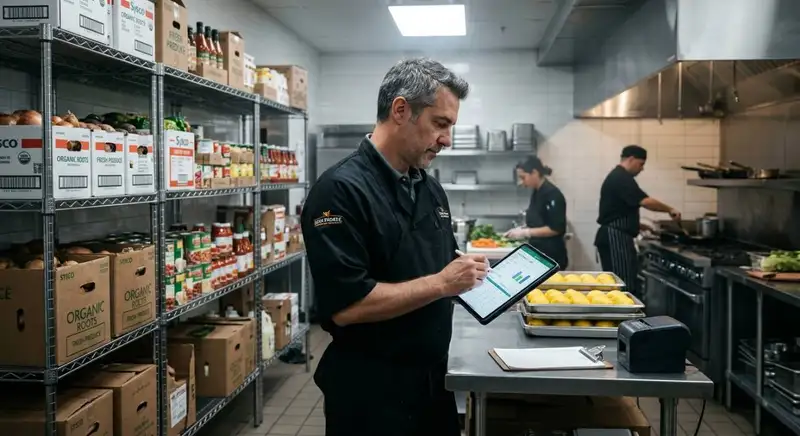
How to Reduce Supply Costs in Your Restaurant
Cut restaurant supply costs by understanding spending, auditing expenses, engineering menus, negotiating with suppliers, controlling inventory, reducing waste, and using technology to monitor everything continuously.
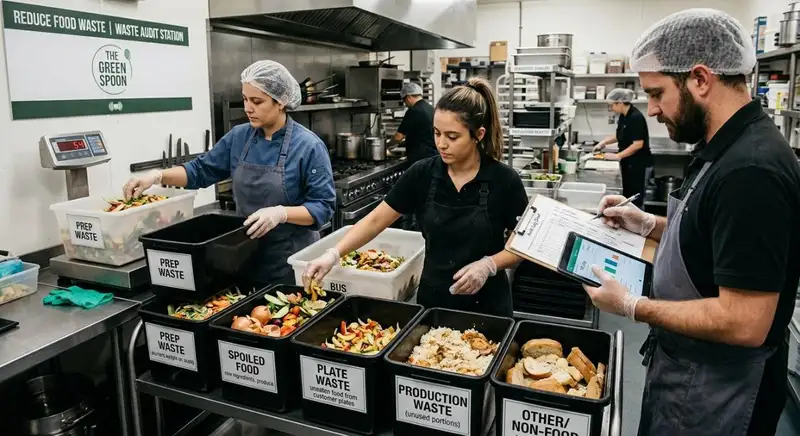
How to Conduct a Food Waste Audit in Your Restaurant
A food waste audit helps restaurant owners identify waste sources, track costs, improve inventory management, reduce food waste, and increase profitability.

The Complete Guide to Bar Inventory Management for Restaurants
This guide covers bar inventory management essentials - counting, tracking, ordering, storage, variance control, and cost strategies for restaurant profitability.

