




How Did Food Safety Net Services Begin?

As of June 2018, all states had some type of food safety net service program. But not all programs are created equal. Some states have very comprehensive network services programs, while others have only a few providers participating in their program. In this article, we'll highlight the main differences between each state's food safety net service program and provide information on how to access services in your state.
What Do Food Safety Net Services Actually Do?
While many developed countries have experienced an increase in prosperity over the past few decades, many people in low- and middle-income countries have been left behind. Food security has instead become a global policy concern. Food security is the term that describes a country's ability to ensure that all citizens have regular and nutritious access to food. Food insecurity is the term used to describe a situation where a person does not have easy or regular access to nutritious food.
The spread of disease in schools is a serious concern.
The health and safety of your children should be the most important thing to you.
Pros of Food Safety Net Services

Food programs, including the Supplemental Nutrition Assistance Program (SNAP), help some lower-income families buy enough nutritious food. But many Americans need more help, and that help may come in the form of a food safety net program.
Food Safety net programs help fill the gaps in the official food assistance network. These programs are run by local governments, charities, charities, churches, and social service agencies. They provide an array of benefits. They can offer access to quality food at a low cost, help manage grocery budgets, and teach families how to cook nutritious meals.
Cons of Food Safety Net Services

There are some cons to this program as well. First, the Food Safety Net program is not a permanent solution for those who qualify. It can be a one-time grant and will end as soon as the money does. The other con is that it requires a lot of time and commitment from the applicant. Applicants need to be willing to learn about the food system and how the programs work. The Food Safety Net program may not be right for everyone, but those who are eligible should not let the opportunity pass them by.
Are Food Safety Net Services Only For Low Income Families?

Is it only the poor who are eligible for these programs? The answer is no. These programs are available to all families that meet the program's eligibility requirements. Anyone can apply, regardless of their income. In fact, it is possible for some families to receive benefits from both the National School Lunch and the School Breakfast programs. So, while many attribute these programs to the poor, they are open to anyone who qualifies.
There are many diseases in schools.
Students are not always aware of the importance of hand-washing.
How Can Food Safety Net Services Be Utilized?

Food Safety net services include food pantries and meal programs, government assistance programs such as the Supplemental Nutrition Assistance Program (SNAP) and the Special Supplemental Nutrition Program for Women, Infants and Children (WIC), farmers' markets, and food banks.
Food pantries and meal programs distribute food to people in need and provide a range of services. They may offer one-time emergency assistance, such as food baskets to those who are homeless, or assistance in the form of a sliding-scale charge for their services. Food pantries and meal programs also offer a range of services such as hot meals, food vouchers, emergency food boxes, and nutrition education.
A government assistance program will Make Sure you are provided with a certain amount of money each month, based on your income, to purchase food. The Special Supplemental Nutrition Program for Women, Infants, and Children (WIC) provides nutrition education and vouchers to low-income women who are breastfeeding. It is available in all 50 states, the District of Columbia, and Puerto Rico. Farmers' markets are a good source of affordable and nutritious food.
Conclusion to food safety net services

This article summarizes the findings of a review of the literature on the effectiveness of food safety net services. It provides an overview of the range of food safety net services available, as well as an analysis of their costs, inputs, outputs and outcomes.
Schools have a high rate of disease.
Schools are trying to encourage good hygiene and cleanliness, but they are struggling to do so.
Frequently
Asked Questions
What does FSNS stand for?
What does food safety net services do?
How many employees does food safety net services have?
Who are consumers of safety net services?
Must-Read Content

The Ultimate Guide to Managing Food Allergens in Restaurants
Food allergens require accurate labeling, employee training, cross-contact prevention, safe food handling, and consistent procedures to protect customers and improve restaurant safety.
The Most Common Restaurant Health Code Violations
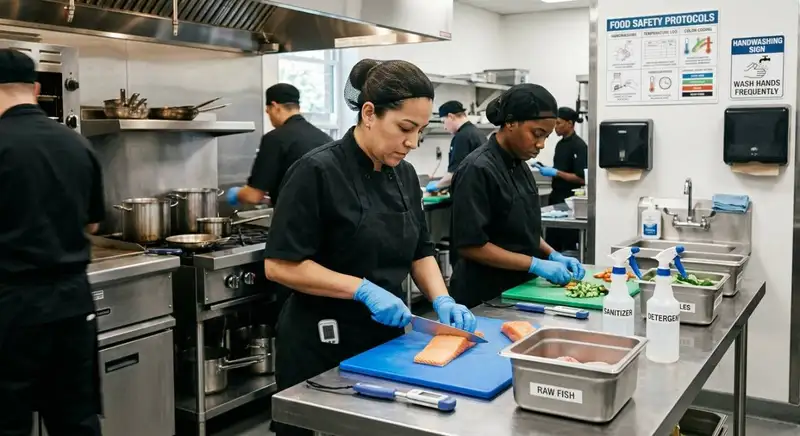
Identify health code violations across major restaurant operations and learn how consistent inspections, training, sanitation, and documentation can reduce risks.
The Complete Guide to OSHA Regulations for Restaurants
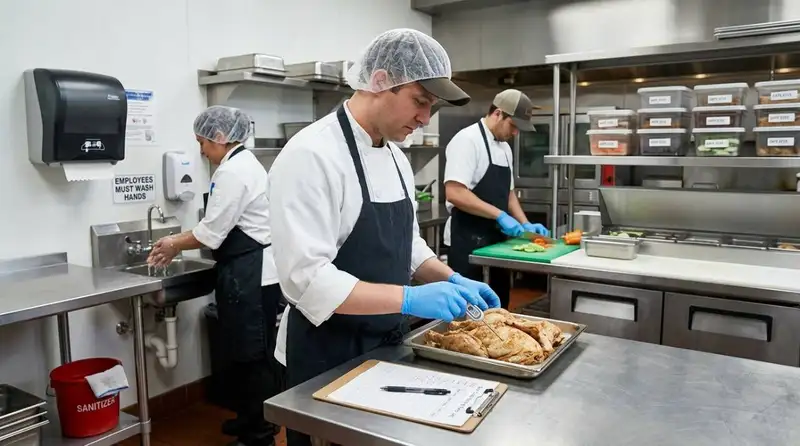
This guide explains essential OSHA regulations for restaurants, covering safety hazards, training, hazard communication, PPE, and recordkeeping requirements for owners.

