



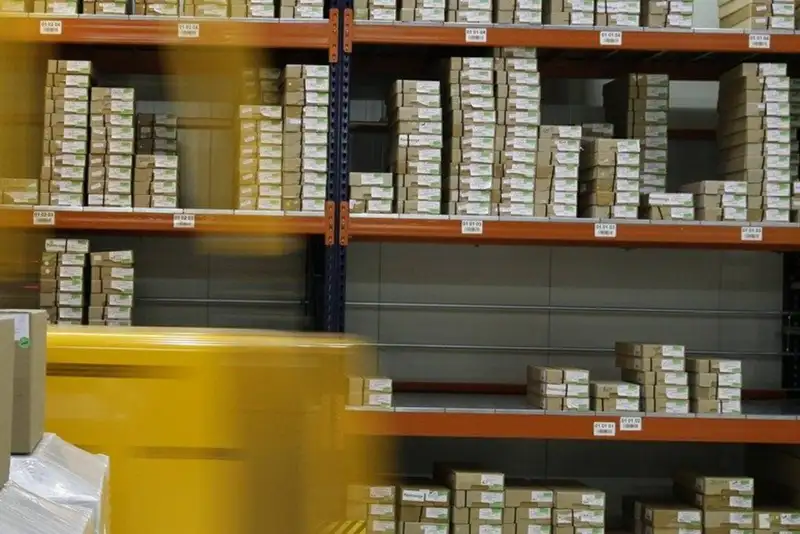
Supply chain inventory management is a complex process.
On the other hand, an efficient inventory management or inventory optimization can have positive impact on the profitability, enhance supply chain visibility and manage to improve operations by keeping a steady inventory flow.
Managing your inventory can be a headache
Poor forecasting- Alignment of supply and demand of your product is the most important factor in supply chain inventory management. A lack of insight in demand forecasting can create huge problems in order quantity. Thus a rigorous attention to data is important for successful inventory management.
Managing product within its shelf life- There can't be a bigger challenge than supply chain management of the products within its shelf life. Distribution and sales of the warehouse inventory before it runs out of date makes it critical for supply chain management.
Warehouse shortage- Warehouse management is vital in supply chain. A shortage for inventory storage means an increase in prices due to increased demand. Ensuring that the fulfillment of the order making the product move out of the warehouses and reach the end customer is critical for a successful supply chain management.
Managing your inventory is a time-consuming task.
Inventory management is not a one-time event. You need to keep up with the inventory levels of your products, especially if you are running a business.
You need to increase your inventory management capabilities.
Stock review- This method is usually manual and used by small businesses. Stock review involves regular analysis of stock on hand and projected future needs. This method can provide control over inventory management process, however, it can be labor-intensive and less accurate.
Just-in-time- JIT is the methodology where products reach after citing customer demand. One of the biggest advantage of JIT is that demands of the customer is fulfilled without keeping large quantities of inventory in warehouse. However, there are supply chain risks to manage inventory involved with this methodology.
ABC analysis- This analysis creates three separate layers for the inventory. Layer A represents high-value and low-quantity goods. Layer B represents moderate-value and moderate-quantity goods. Layer C represents low-value and high-quantity goods. It facilitates to have separate inventory management for different layers. Factors like inventory control, safety stock and managing supply is important in this methodology.
Implementing supply chain inventory management is good for business
Saves money- Understanding the needs of the stock is important for any business to avoid over the limit investing. It allows you to have the economic order or just the right amount of stock to run your business, decreasing the cost associated to keep inventory. It also reduces the amount of stock that goes obsolete.
Improves cash flow- Proper cash flow is maintained with proper inventory management. It allows you to spend money on inventory that sells fast improving the cash flow in the system.
Satisfies customers- With lesser waiting time and appropriate product as per demand, inventory management also contributes to customer satisfaction.
Supply Chain Inventory Management- 6 Steps for Business Help
1. Demand forecast
Forecasting the demand is critical to your business to avoid over or under-buying of the inventory. It is also important to assess the sales of each product.
2. Size of inventory purchase
Once the forecast is done, this data should be translated into the inventory buy and replenishment plan. This will not only help in fulfilling the demand but also decide the size of your inventory purchase.
3. Purchase order tracking
After placing the order, tracking your inventory is also important. This tracking will help you figure out any delay or damaged inventory supplies.
4. Inventory tracking
Tracking of the inventory is critical to find out any delays in the shipment or delivery of your product. This helps you communicate appropriately for timely delivery of your order.
5. Inventory positioning
After your inventory has arrived, it is again very important to know its positioning. This will help you know what is where in the warehouse.
6. Fulfilling orders
Finally, when the product is in your warehouse timely fulfilling of the orders is the most critical part for any business. It helps in the sale of products before they go obsolete but also maintains a flow of money.
Managing your inventory can be a headache.
It’s hard to keep track of your inventory and sometimes it’s not even accurate.
Inventory management is not a one-time event
It uses a variety of data including a lot of numbers, serial numbers, cost of goods, a number of goods, and the dates when they move through the process to keep track of the goods.
Implement supply chain inventory management with software
A software may not necessarily require to replace your logistics software or your inventory management system, but can be a handful support with them for your business.
You have a warehouse full of product, but you can’t keep track of what’s in stock.
You’re trying to figure out how much product you have and how much you need to order. It’s impossible to do this manually.
Frequently
Asked Questions
What is inventory management in supply chain management?
Why inventory management is important in the supply chain?
What are the 4 types of inventory?
Must-Read Content

Why Do Restaurant Staff Quit? Common Reasons and How to Prevent Them
Restaurant staff quit because of low wages, poor management, burnout, and scheduling issues. Learn practical strategies to improve retention and reduce turnover.

How to Get More Customers in a Restaurant
Learn how to get more customers in a restaurant through local marketing, social media, promotions, customer reviews, loyalty programs, and retention strategies.

How to Maintain Hiring Compliance Across Multiple Restaurant Locations
Restaurant groups can maintain hiring compliance by standardizing processes, centralizing records, assigning ownership, training managers, adapting to local laws, auditing regularly, and using technology for ongoing monitoring.

