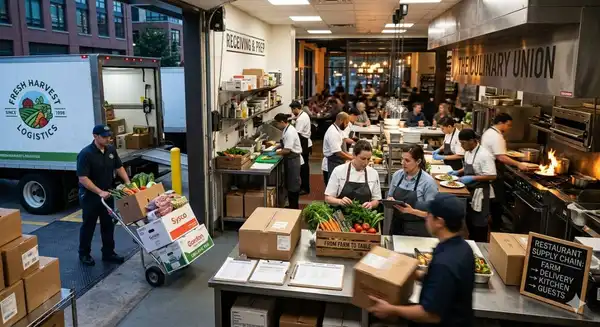
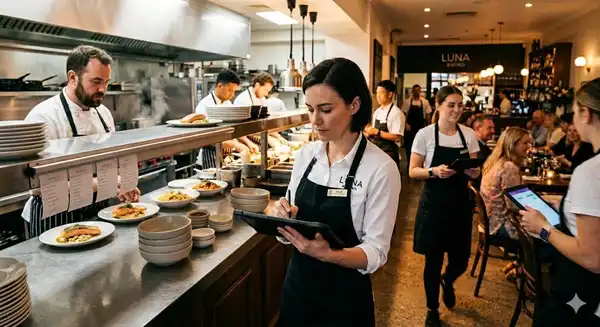





























































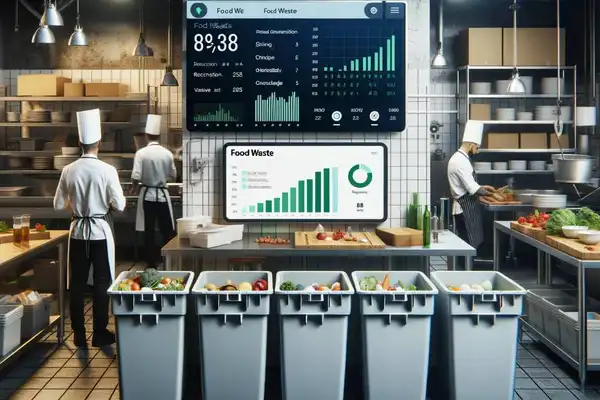
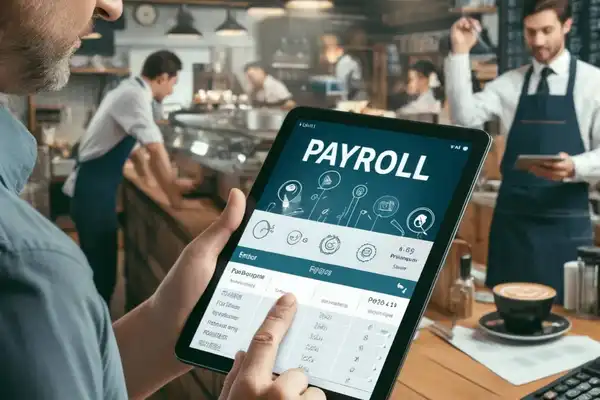

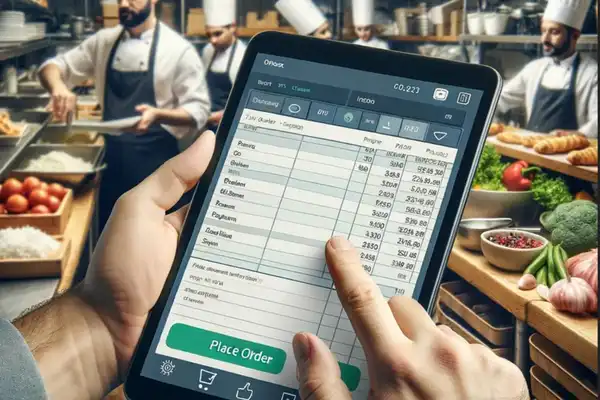
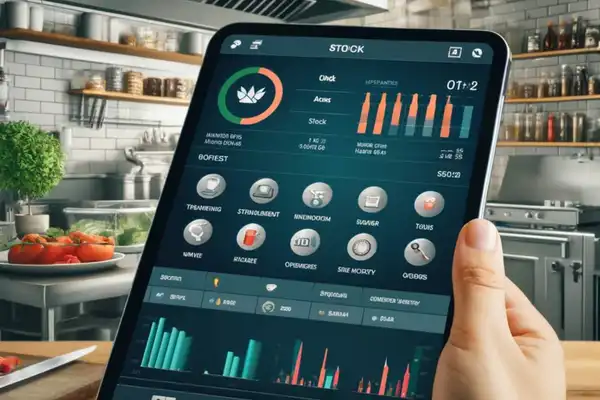
























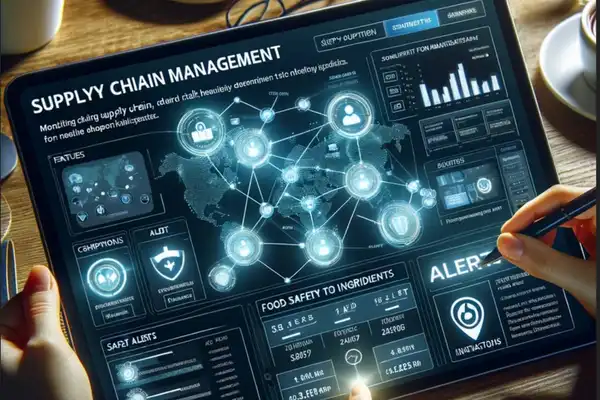
















































Learn how restaurant supply chain management helps owners control costs, reduce waste, improve forecasting, manage vendors, and protect profit margins.
Restaurant task management helps multi-location owners improve accountability, standardize daily execution, reduce missed tasks, and maintain stronger operational control.
Restaurant system integration helps owners reduce manual work, improve reporting accuracy, and build stronger control across daily operations.
Use an audit to review restaurant finances, labor, tasks, guest experience, technology, menu performance, and marketing for stronger operations.
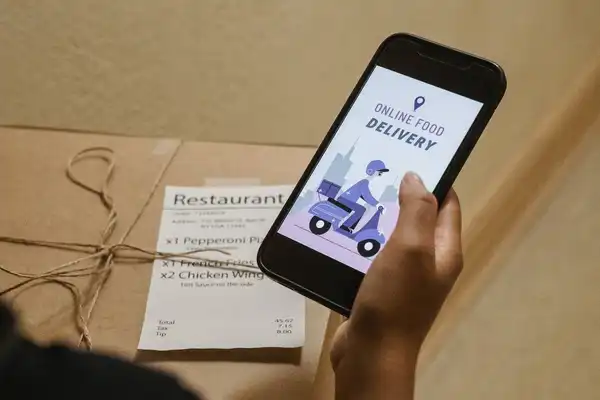
Optimize your restaurant menu for a delivery app by improving travel quality, pricing, packaging, order flow, and item-level profitability.
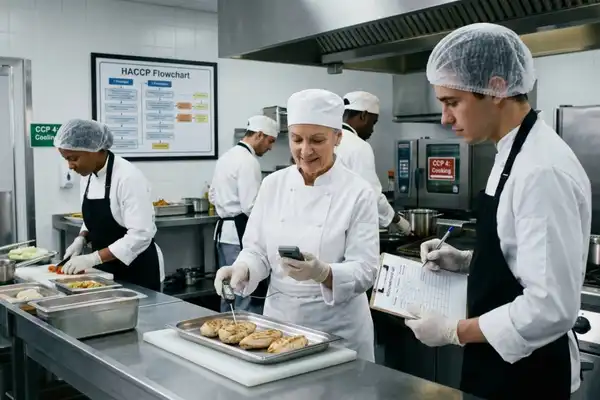
Build a HACCP system by identifying hazards, setting controls, training staff, monitoring food safety steps, and updating procedures regularly.
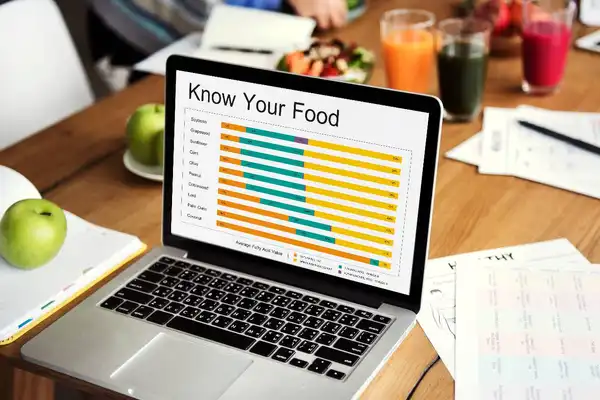
Learn practical systems to control restaurant food costs through recipe standards, inventory control, waste reduction, smarter ordering, menu reviews, and technology.
Improve your restaurant's digital footprint by making reviews easy, asking at the right time, using simple scripts, and responding consistently.
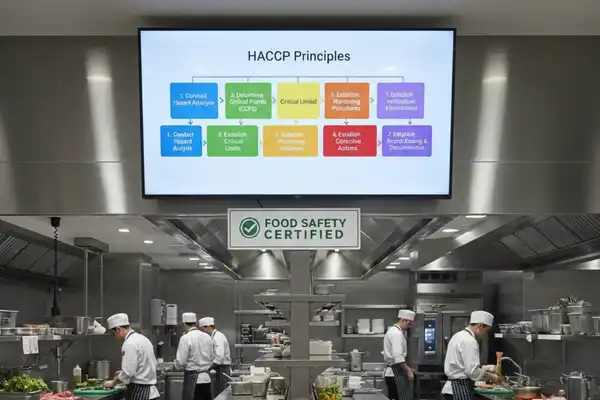
HACCP Principles help restaurant owners prevent hazards by controlling critical points, setting limits, monitoring checks, correcting failures, and verifying results.
Learn 2026 minimum wage updates across major states, with dates, tiered regions, tip credit references, and common restaurant payroll risks.
Restaurant marketing 101 builds a simple plan using online presence, local outreach, promotions, and retention to attract customers and repeat visits.
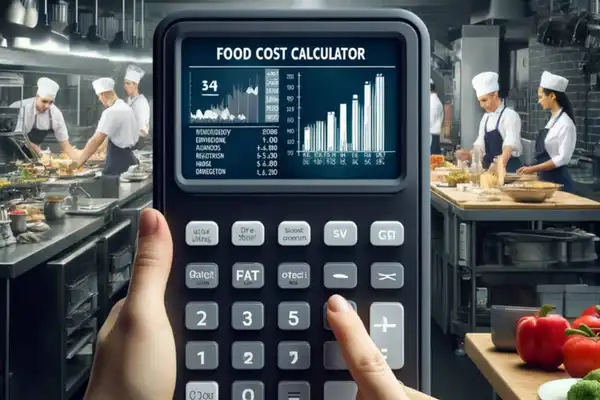
Learn to calculate food cost percentage, avoid common mistakes, compare ideal vs actual, and reduce food costs with better controls.
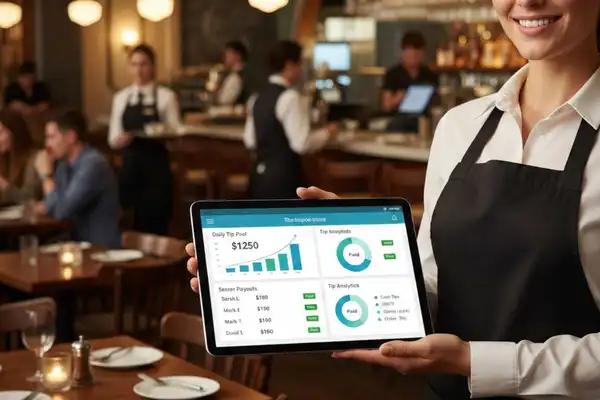
Learn how to choose restaurant tip management software by defining tip rules, checking core features, validating integrations, and ensuring strong controls.
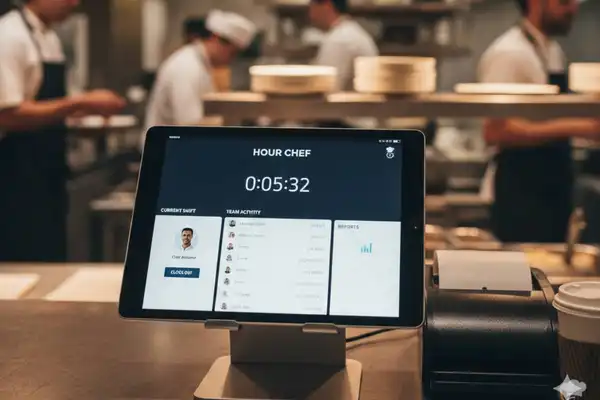
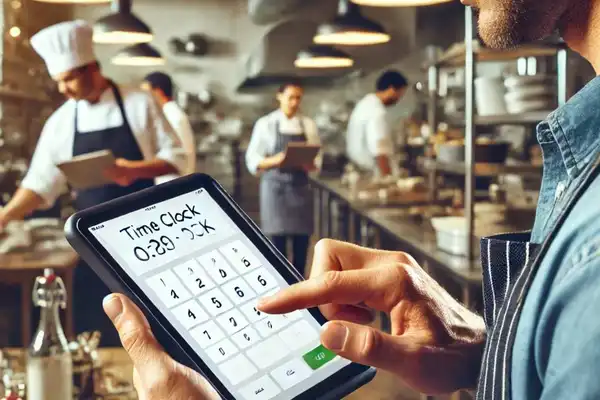
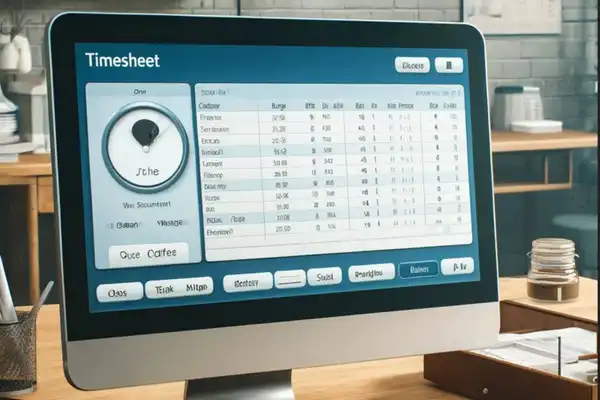
A practical time tracking for restaurant guide - pick the right method, document edits, manage overtime early, and reduce payroll disputes.
Build a practical restaurant Marketing plan using sales data, clear offers, strong foundations, focused channels, repeatable content, and weekly measurement.
Simple daily habits, fair treatment, and clear communication help restaurant owners build a safe, respectful employee workplace that boosts morale.
A practical restaurant onboarding checklist helps owners prep roles, train safely, standardize systems, and use checkpoints to retain strong staff.
A strong menu design creates consistency across locations, helping restaurant owners balance brand identity, local flexibility, and profitability for lasting growth.
Effective recipe cards help restaurant owners control food costs, standardize portions, train staff efficiently, and maintain consistency across every dish and location.
A step-by-step guide for restaurant owners to strengthen incident management practices, ensuring safer operations and consistent regulatory compliance.
Discover practical strategies for managing tip out distribution, promoting fairness, transparency, and efficiency in restaurant operations.
Small restaurant owners can navigate payroll, staffing, and compliance effectively by understanding California Overtime Law 2025 and applying practical strategies.
A practical job orientation checklist designed to help restaurant owners train new hires quickly and reduce turnover effectively.
Learn practical creative marketing ideas that help restaurants drive foot traffic, enhance customer experience, and increase daily sales consistently.
Learn how the cogs formula helps restaurant owners calculate costs, reduce waste, manage inventory, and boost profitability without lowering quality.
Restaurant reviews boost trust and sales by showcasing authentic customer feedback across social media, ads, menus, and marketing campaigns.
Learn how to build an effective social media marketing plan for your restaurant with clear steps, tools, and engagement strategies.
Learn how to design a restaurant menu that boosts sales using smart layout, pricing, descriptions, and data-driven strategies.
Learn how restaurant owners can use consumer reports to track key demographic metrics and make smarter, guest-focused business decisions.
This guide helps restaurant owners use time cards effectively to track hours, calculate pay accurately, and stay labor law compliant.
Multi-location restaurants improve order fulfillment by standardizing processes, enhancing communication, using unified technology, training staff, and continuously monitoring performance.
Set up an efficient restaurant accounting system with clear workflows, tailored tools, and regular reviews to boost profitability and control costs.
A HACCP plan guides restaurant owners through seven essential steps to prevent food safety hazards and protect customers effectively.
Perpetual inventory helps restaurant owners track stock in real time, reducing waste, improving accuracy, and boosting operational efficiency.
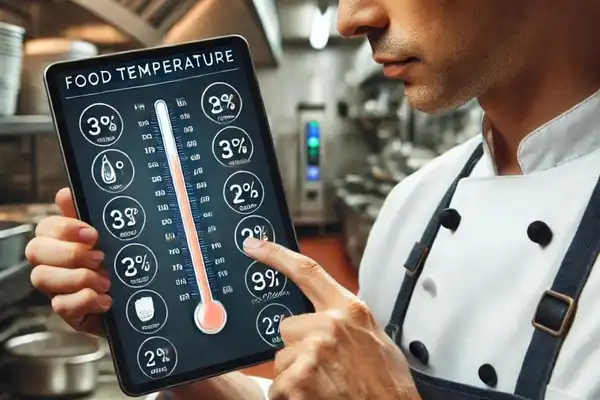
This guide explains food safety temperatures for restaurant owners, covering cooking, holding, cooling, and storage to prevent contamination risks.
Practical marketing ideas to help restaurant owners boost delivery sales through menu optimization, targeted promotions, customer data, and loyalty programs.
Learn how to avoid common mistakes and build strong brand loyalty with a customer loyalty program that truly works.
Following updated food safety regulations helps California restaurants prevent illnesses, protect customers, pass inspections, and build a safer operation.
A restaurant cleaning checklist helps owners organize daily, weekly, and monthly tasks to maintain cleanliness, safety, and staff accountability.
This practical guide to managing inventory helps restaurant owners reduce waste, control costs, and improve operations with consistent tracking habits.
Learn how the highest paying fast food jobs impact your labor costs and how to stay competitive while managing your budget.
This guide helps streamline restaurants hiring with a step-by-step checklist from job posting to on-boarding, improving speed and retention.
Learn how to calculate the cost of labor in your restaurant to manage payroll, control expenses, and improve profitability.
A recipe card template helps restaurant owners ensure consistency, manage food costs, and streamline kitchen operations with clear, organized details.
Application monitoring helps restaurant owners stay organized, speed up hiring, reduce no-shows, and choose the best candidates efficiently.
Cloud-based payroll software automates payroll, ensures timely payments, simplifies tax compliance, and improves efficiency for restaurant owners managing employee wages.
Creating an efficient employee schedule ensures proper staffing, controls labor costs, improves communication, and keeps restaurant operations running smoothly while maximizing productivity.
Workforce tools help quick service restaurants streamline scheduling, payroll, time tracking, and compliance, improving efficiency, reducing costs, and enhancing operations.
Employee management software helps restaurants streamline scheduling, payroll, time tracking, and performance monitoring, improving efficiency, reducing errors, and enhancing workforce management.
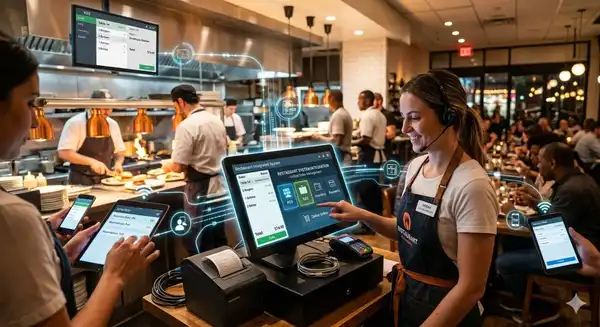
Restaurant point of sale systems streamline payments, order management, inventory tracking, online ordering, employee management, reporting, and accounting integration for efficiency.
The best employee time clock software helps restaurants track work hours, reduce errors, ensure payroll accuracy, and improve workforce management efficiency.
A restaurant point of sale system improves order accuracy, speeds up service, boosts sales, and enhances restaurant operations across all business types.
Workforce management solutions help restaurants streamline scheduling, payroll, and compliance, optimizing labor costs and improving operational efficiency across all locations.
Employee recognition boosts motivation in restaurants through creative rewards like bonuses, peer recognition, and personalized incentives, improving morale and retention.
Learn how to make your own website for your restaurant with simple steps, from choosing a domain to optimizing for mobile and SEO.
A time and attendance system helps restaurants reduce labor costs, prevent payroll errors, improve scheduling, and ensure compliance with labor laws.
A perpetual inventory system helps restaurants track stock in real time, reduce waste, control costs, and optimize ordering for better efficiency.