
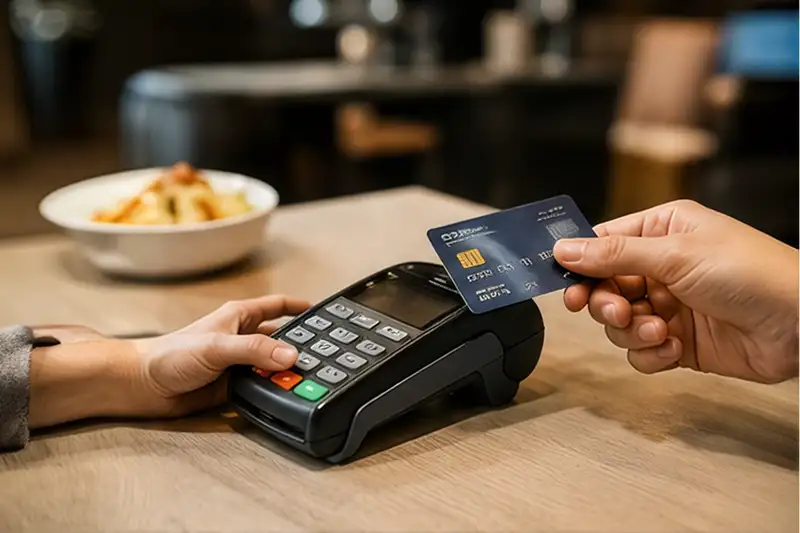
Online Credit Card Processing for Restaurants
The advent of digital payments has revolutionized how transactions are conducted within the restaurant sector. Gone are the days of cash-only establishments, as consumers increasingly lean towards the ease and security of card payments. Online credit card processing facilitates these transactions by enabling customers to pay for their meals via the internetwhether through online ordering systems, at-table payment solutions, or even QR code-based payments. This system not only caters to the growing preference for non-cash payments but also aligns with the heightened expectations for contactless transactions, a demand further amplified by health and safety considerations in recent times.
The importance of accepting online credit card payments transcends mere convenience. It represents a strategic move towards inclusivity, ensuring that all customer preferences are accommodated. Moreover, it opens up restaurants to a broader market, including tech-savvy patrons and those who prefer digital wallets or cards over cash. By adopting online credit card processing, restaurants can significantly reduce the barriers to making purchases, potentially increasing sales volume and customer turnover rates.
The benefits of integrating online credit card processing into restaurant operations are manifold. From an operational standpoint, it streamlines payment processes, reducing wait times for customers and freeing up staff to focus on service rather than payment management. Digitally processed transactions also offer enhanced security features, protecting both the establishment and its patrons from the risks associated with cash handling and fraud. Furthermore, the analytical insights garnered from digital transactions can empower restaurant owners with data-driven strategies to optimize their services, tailor marketing efforts, and ultimately enhance the dining experience.
The Basics of Online Credit Card Processing

At its core, online credit card processing operates through a series of digital interactions that occur within seconds. When a customer decides to pay for their meal using a credit card, the information entered online is encrypted and sent to a payment gateway. This gateway acts as a bridge, securely transmitting data between the restaurant's website or payment system and the payment processor. Once the payment processor verifies the transaction with the credit card network, it seeks authorization from the customer's issuing bank. If the transaction is approved, the funds are transferred to the restaurant's merchant account, signaling a successful payment. This entire process, from authorization to settlement, underscores the efficiency and security designed into digital payment systems.
The backbone of online credit card processing involves three critical components- the merchant account, payment gateway, and point-of-sale (POS) system. A merchant account is a type of bank account that allows businesses to accept payments in credit cards and debit cards. The payment gateway, as mentioned, facilitates the secure transfer of transaction data. Lastly, the POS system, which in the context of restaurants might be a physical device or software through which orders are placed and payments are processed.
Comparing traditional and online payment processing reveals distinct differences, particularly in terms of speed, security, and convenience. Traditional processing often involves physical credit card swipes, manual entry of card information, or checks, leading to longer transaction times and an increased risk of errors or fraud. Online processing, conversely, leverages advanced encryption and security protocols to protect transaction data, providing a much faster and safer way for customers to pay. This digital approach not only enhances the security of transactions but also supports a broader array of payment methods, catering to the diverse preferences of today's diners.
The transition to online credit card processing is more than a technological upgrade; it's an essential evolution in how restaurants meet their customers' payment preferences. By understanding and implementing these systems, restaurants not only enhance operational efficiency but also build trust with customers, ensuring their financial data is handled with the utmost care and security.
Have a Peace of Mind with Your Financials
Simplify Sales Tracking and Payment Processing with Altametrics
Evaluating Your Restaurant's Needs for Digital Payments
Determining the scale of digital payment integration involves a nuanced understanding of the restaurant's transaction volume, peak business hours, and customer flow. For a small bistro with a loyal local clientele, the solution might lean towards simplicity and ease of use, focusing on a few widely accepted payment methods. Conversely, a high-volume urban eatery or a chain with a significant online ordering system may require a more robust payment solution capable of handling a large number of transactions across multiple channels swiftly and securely. The scale of integration should mirror the restaurant's operational complexity and growth aspirations, ensuring the technology can scale as the business expands.
Assessing current POS (Point of Sale) systems and their compatibility with online payments is another critical step. Many restaurants already have POS systems in place, but not all are equipped to handle online or mobile payments. Upgrading or integrating new digital payment capabilities into existing systems should be done with an eye towards minimizing disruption and maximizing operational synergy. The goal is to select a payment solution that integrates seamlessly with the existing setup, enhancing functionality without necessitating a complete overhaul of the hardware or software infrastructure.
Identifying customer payment preferences and expectations is equally crucial. Today's diners seek flexibility and convenience, preferring establishments that accommodate a variety of payment methods, from traditional credit cards to mobile wallets and contactless payments. Understanding these preferences requires direct engagement with customers, whether through surveys, feedback forms, or observation of payment trends. This insight into customer behavior can inform the selection of payment solutions, ensuring the restaurant not only meets but exceeds customer expectations for a smooth, hassle-free payment experience.
Selecting the Right Online Credit Card Processing Service
1. Fees
The structure and amount of fees associated with credit card processing are crucial factors. These fees can include transaction fees, monthly service fees, setup fees, and chargeback fees. Since these costs can significantly affect profitability, it's essential for restaurant owners to fully understand and compare fee structures. Look for transparent pricing models that align with your volume of transactions and business model.
2. Security
Given the sensitive nature of payment information, security cannot be overemphasized. Providers must comply with the Payment Card Industry Data Security Standard (PCI DSS) and offer robust fraud prevention tools. Encryption and tokenization are key features that protect customer data during and after transactions, reducing the risk of data breaches and fraud.
3. Customer Support
Reliable customer support is essential, especially in the fast-paced restaurant industry, where issues need to be resolved quickly to maintain seamless operations. Look for providers offering 24/7 support with multiple channels for assistance, such as phone, email, and live chat.
Comparison of Popular Online Credit Card Processing Services
Comparing popular services requires examining how well they meet the above criteria, along with their integration capabilities with existing POS systems and any additional features they offer, such as mobile payments or loyalty programs. Services like Square, Stripe, and PayPal are often favored for their ease of use, competitive pricing, and comprehensive security measures. However, the best choice varies based on the specific needs and scale of the restaurant.
Tips on Negotiating Terms and Understanding Contract Agreements
Negotiating with providers can lead to more favorable terms, especially for businesses with high transaction volumes. Key tips include.
1. Ask for clarity on all fees and ensure there are no hidden charges.
2. Inquire about flexibility in contracts to avoid long-term commitments that may not align with business growth or changes.
3. Request trials or demos to test the service's compatibility with your operations.
Understanding contract agreements is vital to avoid unexpected obligations or costs. Pay attention to terms related to termination fees, dispute resolution, and any exclusivity clauses that could limit your ability to switch providers or adopt additional payment methods.
Selecting an online credit card processing service is a multifaceted decision that demands a comprehensive evaluation of fees, security, customer support, and contractual terms. By prioritizing these criteria, restaurant owners can choose a service that not only fits their current needs but also supports future growth and adaptation in the ever-evolving landscape of digital payments.
Integrating Online Payments with Your Restaurant's POS System

Step-by-Step Guide on Integration Processes
1. Assessment and Planning - Begin by assessing your current POS system's capabilities and determining whether it supports online payment integration directly or requires an upgrade. Planning involves deciding on the types of online payments you wish to accept and mapping out the integration workflow.
2. Choosing a Payment Processor - Select a payment processor that is compatible with your POS system and meets your business needs in terms of fees, security, and customer support.
3. Integration Testing - Before rolling out the integration to your entire operation, conduct thorough testing to ensure the online payment system works seamlessly with your POS. This phase should identify and resolve any compatibility issues.
4. Deployment - Once testing is complete, deploy the integration across your operation. This should be done during a low-traffic period to minimize disruptions.
5. Monitoring and Optimization - After deployment, continuously monitor the system for any issues and optimize the setup based on transaction volumes, customer feedback, and operational efficiency.
Addressing Common Technical Challenges
1. Compatibility Issues - Ensure that your POS system and the online payment processor are fully compatible. If not, you may need to consider updating your POS system or choosing a different payment processor.
2. Security Concerns - Implement robust security measures, including encryption and tokenization, to protect payment information. Compliance with PCI DSS standards is non-negotiable.
3. Connectivity Problems - Reliable internet connectivity is crucial for online payments. Invest in a stable and fast internet connection and have a backup plan in case of outages.
Recommendations for Training Staff on New Systems
1. Comprehensive Training - Provide comprehensive training for your staff, covering how to process online payments, troubleshoot common issues, and handle customer queries related to payments.
2. Ongoing Support - Establish a support system for staff to address any questions or problems that arise. This could include a dedicated internal team or direct support from your payment processor.
3. Role-Specific Training - Tailor training sessions to the specific roles of your staff members. Front-end staff need to know how to process transactions and address customer questions, while back-end staff should focus on monitoring and troubleshooting the system.
Integrating online payments with your restaurant's POS system can significantly enhance operational efficiency and customer satisfaction. By following a structured integration process, addressing potential technical challenges head-on, and ensuring staff are well-trained and supported, restaurants can smoothly transition to a modern payment processing system that meets the demands of today's digital-first consumers.
Streamline Recording and Reconciliation
Take Charge of Your Financials with Altametrics
Security Measures and Compliance in Online Transactions
Overview of PCI DSS Compliance
PCI DSS compliance is essential for several reasons. First, it significantly reduces the risk of data breaches by enforcing stringent security measures. Second, it is a mandatory standard for any business that handles credit card transactions, and failure to comply can result in hefty fines or loss of credit card processing privileges. Compliance involves adhering to a comprehensive set of requirements, including maintaining a secure network, protecting cardholder data, managing vulnerabilities, and implementing strong access control measures.
Best Practices for Securing Online Transactions
Securing online transactions extends beyond mere compliance. It involves adopting a multi-layered security approach that includes encryption of data transmissions, secure storage of cardholder information, and regular security audits. Employing tokenization, which replaces sensitive card details with unique identification symbols, further minimizes the risk of data compromise. Additionally, maintaining up-to-date software and using anti-virus protection are critical for thwarting potential security threats.
Handling Fraud Detection and Prevention
Fraud detection and prevention are integral to securing online transactions. This involves implementing tools and techniques that can identify suspicious activities in real-time. Setting up alerts for unusual transaction patterns, verifying customer information through additional security checks (such as CVV and AVS checks), and employing machine learning algorithms to analyze transaction data for signs of fraud are effective strategies. Educating customers about secure online payment practices also plays a crucial role in preventing fraud.
Implementing robust security measures and compliance protocols is indispensable in the realm of online credit card processing for restaurants. By adhering to PCI DSS standards, employing best practices for transaction security, and actively engaging in fraud detection and prevention, restaurants can safeguard their operations against the ever-present threat of cybercrime. This not only protects the business and its customers but also reinforces the restaurant's reputation as a trustworthy establishment that prioritizes the security and privacy of its patrons.
Understanding Fees and Managing Costs
Breakdown of Typical Fees
Online credit card processing incurs several types of fees, each contributing to the total cost of digital payment acceptance.
1. Transaction Fees - Charged for each payment processed, usually comprising a percentage of the transaction amount plus a fixed fee. This is the most common cost encountered and varies depending on the payment processor.
2. Monthly Fees - Some payment processors charge a monthly service fee for using their platform, which may include access to additional features or support services.
3. Setup Fees - Initial costs for setting up the online payment processing system might be applicable, though many providers waive these fees to attract new clients.
Strategies for Minimizing Costs
To minimize these costs while ensuring efficient payment systems, restaurants can adopt several strategies
1. Compare Payment Processors - Conduct thorough research and compare the fee structures of different payment processors. Look for transparent pricing with no hidden fees.
2. Negotiate Rates - Depending on your transaction volume, you may be able to negotiate lower transaction rates or monthly fees with your payment processor.
3. Optimize Payment Methods - Encourage the use of payment methods with lower processing fees. For instance, debit cards often incur lower fees than credit cards.
4. Batch Processing - Consolidating transactions and processing them in batches can reduce the number of individual transaction fees.
Impact on Profitability
The impact of payment processing fees on overall profitability should not be underestimated. While they are an inevitable cost of doing business in the digital age, excessive fees can erode profit margins, especially for smaller establishments with tighter budgets. It's crucial for restaurants to monitor these costs closely and continuously seek ways to optimize their payment processing setup. This might involve regularly reviewing fee structures, staying informed about new payment technologies that offer more competitive rates, or even switching processors to take advantage of better terms.
Maintaining and Optimizing Your Digital Payment System
Regularly Reviewing and Updating Your Payment Processing Setup
The first step in maintaining an optimal digital payment system is to conduct regular reviews of your current setup. This involves assessing the performance of your chosen payment solutions, analyzing transaction data for insights into customer payment preferences, and identifying any bottlenecks or inefficiencies. Updates might include upgrading software, integrating new payment methods, or switching to a more cost-effective processor. This proactive approach ensures that your payment system remains robust, responsive, and capable of handling your business's evolving needs.
Staying Informed on the Latest Trends and Technologies in Online Payments
The landscape of online payments is constantly evolving, with new technologies and payment methods emerging regularly. Staying informed about these developments is crucial for restaurants that want to maintain a competitive edge. Blockchain technology, for example, is redefining security standards, while contactless payments and mobile wallets are becoming increasingly popular among consumers. By keeping abreast of these trends, restaurants can make informed decisions about incorporating new payment technologies that enhance efficiency and security.
Engaging with Customers to Gather Feedback on Their Payment Experience
Customer feedback is invaluable for optimizing digital payment systems. Engaging with customers to understand their payment experience can reveal insights into what works well and what doesn't. This feedback can guide improvements, whether it's streamlining the checkout process, adding more payment options, or enhancing security measures. Surveys, direct conversations, or social media interactions are effective ways to gather this feedback, showing customers that their opinions are valued and contributing to a more positive payment experience.
In conclusion, maintaining and optimizing a digital payment system is a multifaceted endeavor that involves regular review and updates, staying informed on payment trends and technologies, and engaging with customers for feedback. By committing to these practices, restaurants can ensure their payment solutions remain at the forefront of efficiency, security, and customer satisfaction, thereby supporting business growth and enhancing the overall dining experience.
Simplify Recording Sales, Deposits, Payment Processing Fees
Track Your Store's Performance with Altametrics
Frequently
Asked Questions
Why is PCI DSS compliance important for restaurants?
How can restaurants minimize the fees associated with online credit card processing?
What impact do payment processing fees have on a restaurant's profitability?
Can restaurants negotiate with payment processors for better rates?
Must-Read Content

10 Employee Retention Strategies for Restaurant Owners
Restaurant owners can cut turnover by paying fairly, onboarding well, scheduling flexibly, promoting growth, recognizing effort, offering meaningful benefits, listening to feedback, and hiring carefully for fit.
How to Reduce Supply Costs in Your Restaurant
Cut restaurant supply costs by understanding spending, auditing expenses, engineering menus, negotiating with suppliers, controlling inventory, reducing waste, and using technology to monitor everything continuously.

The Ultimate Guide to Managing Food Allergens in Restaurants
Food allergens require accurate labeling, employee training, cross-contact prevention, safe food handling, and consistent procedures to protect customers and improve restaurant safety.