What are the biggest food cost leaks in most restaurants?
The most common leaks are inconsistent portions, untracked waste, poor ordering, expired product, inaccurate receiving, and over-complicated menus with too many unique ingredients. These issues usually add up slowly, which is why tracking matters.
How to Control Restaurant Food Costs

Overview
Restaurant food cost is the amount of money you spend on the ingredients used to make the food you sell. In simple terms, it shows how much of your sales revenue is going toward food inventory. For restaurant owners, this number matters because it affects profit on every plate, every shift, and every day of operation.
Many owners think food cost is just about paying more for ingredients. That is only part of the picture. Food cost is also influenced by portion sizes, waste, spoilage, theft, over-ordering, poor storage, inconsistent recipes, and inaccurate inventory counts. This is why food cost control is not only a purchasing issue. It is an operations issue.
It is also important to separate food cost from a few related terms. Plate cost is the cost of ingredients for one specific dish. For example, if a burger and fries cost $4.25 in ingredients to make, that is the plate cost. Food cost percentage looks at the bigger picture. It tells you what percentage of your food sales is being used to cover food expenses. This helps you understand whether your menu, kitchen systems, and purchasing habits are supporting healthy margins.
A high food cost does not always mean your restaurant is failing. It may mean your menu mix has changed, vendor prices have gone up, portions are too large, or waste is happening in the kitchen. A low food cost is not always good either if it comes at the expense of quality, guest satisfaction, or portion value. The goal is not simply to cut costs as much as possible. The goal is to control them in a way that protects both profitability and the guest experience.
Know Your Numbers
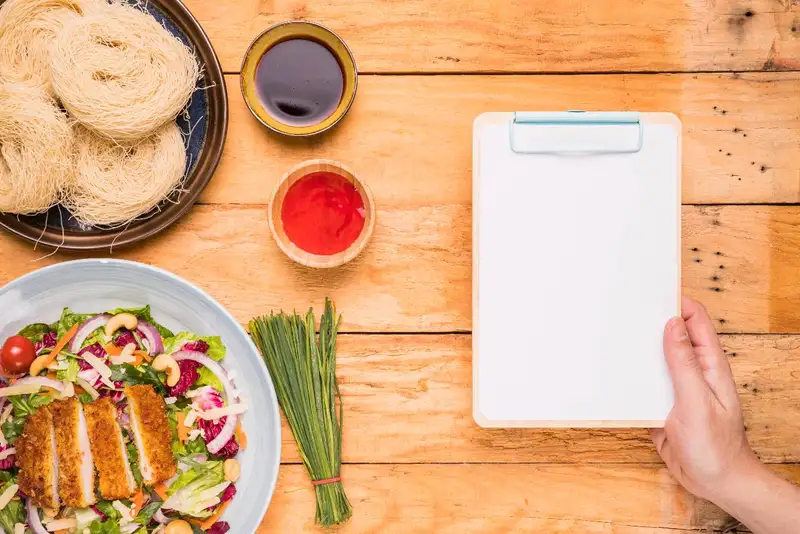
You cannot control restaurant food costs if you do not know what your current numbers are. Many restaurant owners feel like food cost is "too high," but they are working from instinct instead of actual data. The problem with that approach is simple- if you do not know where the cost issue is coming from, it is very hard to fix it in a way that lasts.
The first number to understand is your food cost percentage. This tells you how much of your food sales revenue is being used to pay for the food itself. It gives you a clearer view of whether your kitchen is operating efficiently or leaking money through waste, poor ordering, or inconsistent execution.
The basic formula is -
Food Cost % = (Beginning Inventory + Purchases - Ending Inventory) / Food Sales
This formula works because it shows the value of the food you actually used during a specific period. Let's say you started the week with $8,000 in inventory, bought $4,000 more, and ended with $7,000 left. That means you used $5,000 worth of food. If your food sales for that week were $15,000, then your food cost percentage would be 33.3%.
This number becomes much more useful when you track it consistently. Looking at food cost once in a while does not tell you much. Restaurant owners should review it on a regular schedule, whether that is weekly, biweekly, or monthly depending on the operation. A weekly review is often the most practical because it helps you catch problems before they become expensive habits.
It is also important to make sure your inputs are accurate. If inventory counts are rushed, invoices are missing, or sales categories are mixed together incorrectly, your food cost percentage will not reflect what is really happening. Inaccurate numbers can lead owners to make the wrong decisions, such as raising prices when the real issue is over-portioning or spoilage.
Beyond the overall percentage, it helps to track supporting numbers like top-spend ingredients, menu item costs, waste logs, and vendor price changes. These details give context to the larger number and help you move from awareness to action.
Build Accurate Recipe and Portion Standards
One of the most effective ways to control restaurant food costs is to make sure every menu item is prepared the same way every time. When recipes are informal or portion sizes depend on who is working that shift, food cost becomes harder to manage. Even small inconsistencies can add up quickly across dozens or hundreds of orders.
A recipe standard is more than a list of ingredients. It should show the exact amount of each ingredient, the prep method, the yield, and the serving instructions for the finished dish. This gives the kitchen a clear reference point and helps reduce variation. Without a written standard, two cooks may make the same item differently, use different amounts of product, or plate it in a way that changes the true cost.
Portion control is closely tied to recipe control. If one employee serves 6 ounces of chicken and another serves 8, the menu item may look almost the same to the guest, but the cost can be very different. Over time, those extra ounces reduce your margin and make food cost harder to predict. This is why tools like portion scoops, ladles, scales, and measuring cups are important in a restaurant kitchen. They help turn "about right" into something consistent and repeatable.
Accurate recipe standards also support better menu pricing. You cannot price a dish properly if you do not know exactly what it costs to make. When owners understand the ingredient cost of each recipe, they can identify items with tight margins, rising costs, or ingredients that need to be replaced or adjusted. This makes menu decisions more informed and less reactive.
Another benefit is better training. New employees can learn faster when recipes are documented clearly. Experienced staff also have a standard to follow, which helps reduce mistakes and keeps quality more consistent. This matters because food cost control should not come at the expense of the guest experience. Standard recipes help protect both.
Strengthen Inventory Management
Inventory management plays a major role in food cost control because it shows how much product is actually moving through your restaurant. If inventory is poorly organized, counted inconsistently, or stored without clear systems, it becomes much harder to understand where food is being used, wasted, or lost. For many restaurant owners, inventory problems are one of the biggest reasons food costs stay higher than expected.
1. Count Inventory on a Consistent Schedule - A strong inventory process starts with regular counting. Counts should be done on a set schedule using the same method each time. Weekly counts are often the most effective because they give owners a timely view of what is happening. Monthly counts can still help, but they often make it harder to catch problems early. The goal is to build a routine that gives you numbers you can trust.
2. Keep Storage Areas Organized and Easy to Count - Organization matters just as much as counting frequency. Storage areas should be clean, labeled, and arranged in a way that makes products easy to find and count. Similar items should be grouped together, and units of measure should stay consistent. If one person counts a case, another counts individual packs, and someone else estimates by eye, the results will be unreliable. Clear systems make inventory counts more accurate and more useful.
3. Follow FIFO and Use Clear Date Labeling - First In, First Out, or FIFO, is one of the most important inventory habits in any kitchen. Older products should be used before newer ones so ingredients do not expire before they are sold. Date labels, shelf rotation, and clearly marked prep containers all support this process. Without these practices, restaurants often lose money by throwing away product that could have been used on time.
4. Use Inventory to Spot Larger Food Cost Problems - Inventory management does more than tell you what is on the shelf. It can also help you identify deeper issues in the operation. If counts do not line up with expected usage, the problem may be over-portioning, waste, theft, or poor receiving practices. If prices increase but purchasing habits stay the same, your margins can shrink quickly. Inventory data helps you move beyond assumptions and look at what is really happening.
When inventory is managed well, restaurant owners can order more accurately, reduce spoilage, catch problems faster, and make smarter cost decisions. In other words, strong inventory management turns food cost control from a guessing game into a process built on visibility, consistency, and discipline.
Order Smarter and Manage Vendor Costs

Buying food is not just about keeping the kitchen stocked. It is one of the most important parts of controlling restaurant food costs. Even when recipes and portions are well managed, poor purchasing habits can still push food cost too high. Over-ordering leads to spoilage and waste, while under-ordering can force last-minute purchases at higher prices. The goal is to buy the right products, in the right amounts, at the right time.
1. Order Based on Actual Sales Patterns - Many restaurants fall into the habit of ordering based on routine instead of real demand. This often leads to too much product in some areas and not enough in others. A better approach is to review recent sales, upcoming traffic expectations, and menu mix before placing orders. When purchasing decisions reflect what guests are actually buying, inventory becomes more efficient and food cost becomes easier to control.
2. Set Par Levels for Key Ingredients - Par levels are target amounts you want to keep on hand for each product. They help prevent both over-ordering and under-ordering. For example, if your kitchen regularly goes through a certain amount of chicken, lettuce, or fryer oil between deliveries, par levels give your team a more structured way to reorder. Without them, purchasing decisions become inconsistent and often depend too much on guesswork.
3. Review Vendor Prices Regularly - Vendor costs change over time, and those increases can slowly damage margins if nobody is watching them. Restaurant owners should review invoices regularly to catch price changes, billing errors, or product substitutions. Even small increases on high-volume items can make a noticeable difference over the course of a month. Price awareness helps you respond early instead of discovering the problem after food cost has already climbed.
4. Compare Suppliers and Negotiate When Needed - Staying loyal to a vendor can be helpful, but it should not stop owners from checking the market. Comparing prices, quality, delivery consistency, and contract terms can help you make better purchasing decisions. In some cases, negotiating with your current supplier may be enough. In others, a second vendor for selected products may improve both flexibility and cost control. The point is not to chase the cheapest option every time, but to make sure your purchasing strategy supports your margins.
Smarter ordering is not only about saving money on invoices. It also improves inventory flow, reduces waste, and supports better planning across the kitchen. When restaurant owners combine sales-based ordering, clear par levels, and regular vendor reviews, purchasing becomes a tool for cost control instead of a source of preventable loss.
Transform Your Restaurant Operations Now!
Effortless Inventory Tracking with Altametrics!
Reduce Waste Across the Kitchen
Reducing waste is one of the fastest ways to control restaurant food costs because wasted product is money that has already been spent but will never be earned back. In many restaurants, waste happens in small ways throughout the day, which makes it easy to overlook. A little extra trimming, too much prep, a dish made incorrectly, or an expired product in the walk-in may not seem serious on its own. But when these losses happen repeatedly, they can have a major impact on margins.
1. Understand the Main Types of Food Waste - Not all waste comes from the same issue. Some waste is caused by spoilage when ingredients expire before they are used. Some comes from over-prepping items that do not sell fast enough. Other losses happen through over-portioning, cooking errors, dropped items, or incorrect orders that need to be remade. When owners understand the most common types of waste, it becomes easier to address the real cause instead of treating everything as a general kitchen problem.
2. Track Waste Instead of Guessing About It - Waste is much easier to control when it is documented. A basic waste log can help track what was thrown away, how much was lost, when it happened, and why. This does not need to be complicated to be useful. Even simple tracking can reveal important patterns, such as one shift over-prepping certain ingredients, one station making frequent mistakes, or one product expiring too often. Once those patterns are visible, owners can take more specific action.
3. Improve Prep Planning and Production Levels - One common cause of waste is preparing too much food too early. Kitchens often prep based on habit or fear of running out instead of using expected sales and real demand. Smarter prep planning helps solve this problem. When teams prep based on recent sales trends, daypart volume, and actual usage, they can reduce both spoilage and unnecessary leftovers. The goal is to stay prepared without producing more than the restaurant can realistically sell.
4. Cross-Utilize Ingredients More Effectively - Ingredients that only appear in one menu item are often more likely to go to waste, especially if that item does not sell often. Cross-utilization means using the same product in multiple dishes so it moves faster and is less likely to expire. This can help restaurants simplify ordering, reduce storage pressure, and get more value out of the ingredients they buy.
Waste control works best when the kitchen team sees it as part of daily operations, not just something management talks about during meetings. Clear storage habits, careful prep, accurate portioning, and attention during service all help reduce loss. When waste is discussed regularly and measured consistently, restaurant owners can create a kitchen culture where food is treated like the cost it truly is.
Review the Menu to Protect Margins
Your menu has a direct impact on your ability to control restaurant food costs. Even if your kitchen runs tight systems, certain menu items can still push food cost too high if they are priced incorrectly, use expensive ingredients, or create waste through low sales volume. Menu review is not about removing what guests love. It is about making sure every item supports healthy margins and can be executed consistently.
1. Identify High-Cost and Low-Margin Items First - Start by looking for items that cost a lot to produce but do not bring in enough profit. These are often dishes with expensive proteins, specialty ingredients, or large portions. If these items are also popular, they can quietly drain margin faster than you expect. If they are not popular, they may create waste by sitting in inventory too long. Either way, these are the first items to review when food costs rise.
2. Recheck Menu Prices Against Current Ingredient Costs - Ingredient prices change, but many menus stay the same for too long. When vendor costs rise, your margins shrink unless pricing or portioning adjusts. Regularly review your most-used ingredients and compare them to your current menu pricing. You do not have to raise prices across the board. Often, small adjustments on a few high-volume items can make a meaningful difference.
3. Improve Margins Through Smart Recipe Adjustments - Not every fix requires a price increase. In many cases, you can protect margins by adjusting the recipe while keeping the guest experience strong. This could mean tightening portion sizes, reducing expensive garnish, switching to a similar ingredient with better yield, or updating the build to reduce waste. The key is to make changes that are intentional and measured, not random cost cutting.
4. Design the Menu to Reduce Waste and Over-Complication - Menus with too many unique ingredients often increase food cost because inventory sits longer and expires more often. Items that require special prep for low sales volume can also increase waste and labor. When reviewing your menu, look for ingredients that are only used in one dish and ask if they can be cross-used, replaced, or removed. A simpler menu is often easier to execute consistently and more efficient to manage.
5. Use Menu Mix to Support Food Cost Control - Food cost is influenced by what guests choose to buy. If your best-selling items have weaker margins, your overall food cost will stay high. If you promote dishes with better margins, your food cost percentage can improve without changing portion sizes or cutting quality. Consider how your menu layout, specials, staff suggestions, and featured items guide customers toward the items that support profitability.
A menu review gives restaurant owners a powerful lever for food cost control. When your menu is priced correctly, designed with purpose, and built around consistent execution, it becomes much easier to protect margins and keep food costs in a healthier range.
Use Restaurant Technology to Improve Food Cost Control
Controlling restaurant food costs gets much easier when you can see what is happening in real time. Many food cost problems come from gaps in visibility, such as not knowing what inventory is on hand, what items are being wasted, which menu items are underperforming, or where price changes are impacting margins. This is where restaurant technology can help. The right tools reduce manual work, improve accuracy, and give owners clearer insight into what is driving food cost.
1. Use POS Reporting - Your POS can do more than ring up orders. It can show which items sell the most, which dayparts are strongest, and how your menu mix affects profitability. When owners track item performance consistently, they can spot issues faster, such as high-cost items selling more than expected or low-margin items dominating sales. POS data helps connect food purchasing decisions to what guests are actually ordering.
2. Use Inventory Tools - Inventory systems help restaurants track stock levels, count more consistently, and compare theoretical usage to actual usage. This makes it easier to find food cost leaks like over-portioning, waste, or missing product. Inventory tools can also support smarter ordering by helping set par levels, predict needs, and reduce overbuying. Even simple inventory tracking can create a big improvement in cost control when done consistently.
3. Use Recipe Costing Tools - Recipe costing software helps owners maintain accurate plate costs by connecting recipes to real ingredient prices. Instead of guessing when vendor costs rise, owners can quickly see how a change impacts a specific menu item. This makes it easier to adjust prices, portions, or ingredients with confidence. It also supports tighter recipe standards because teams have a clear cost target tied to each dish.
4. Use Purchasing and Invoice Tools - Invoice and purchasing tools help track vendor prices over time, catch unexpected increases, and reduce billing mistakes. They also make it easier to compare vendors and identify cost-saving opportunities without spending hours reviewing paperwork. When purchasing data is organized, owners can act sooner and avoid being surprised by a slow rise in food cost.
5. Use Integrated Reporting - Food cost control works best when systems connect. When sales data, inventory, recipe costs, and purchasing all work together, owners get a more complete picture of what is driving food cost changes. This reduces guesswork and helps focus attention on the most important problems first, whether that is waste, portion variance, vendor pricing, or menu mix.
Technology does not replace good kitchen habits, but it strengthens them. When restaurant owners combine solid operational systems with better tools for tracking and reporting, food cost control becomes more consistent, more measurable, and much easier to maintain over time.
Streamline Your Inventory. Order Smartly.
Start Simplifying Your Orders with Altametrics
Must-Read Content

How to calculate average inventory
How to Calculate Average Inventory for Restaurants
How to calculate food cost percentage
How to Calculate Food Cost Percentage

Inventory costs
Inventory Costs Explained for Restaurant Owners

Food cost for restaurants
How to Lower Food Cost for Restaurants
Inventory management and best practices
Restaurant Inventory Management and Best Practices
Frequently Asked Questions
How can I control food cost with portion control?
Use written recipes and serving standards for every item. Train staff to use scales, ladles, scoops, and measured containers. Even small portion differences can destroy margins over time, especially on proteins and high-cost toppings.
How do par levels help control food costs?
Par levels help you order based on expected usage instead of guesswork. They reduce overordering (which causes spoilage) and underordering (which triggers expensive last-minute purchases). Par levels create consistency in purchasing.
What causes inventory counts to be inaccurate?
Common causes include rushed counting, inconsistent units of measure, poor organization, missing products, and different employees counting items in different ways. Inaccurate counts lead to bad decisions because the reported food cost does not reflect what is really happening.
How do I reduce waste without cutting quality?
Start by tracking waste reasons (spoilage, over-prep, mistakes, over-portioning). Then tighten prep planning based on sales, use FIFO and date labels, and cross-utilize ingredients across the menu. The goal is better planning, not smaller portions for guests.