What is a good food cost percentage for a restaurant?
A good food cost percentage depends on the restaurant type, menu, and pricing model, but many restaurants aim for a range around 25% to 35%. The right target is the one that supports both profitability and guest value.
How to Lower Food Cost for Restaurants

What Food Cost Really Measures
Food cost is one of the most important numbers in restaurant operations, but it is also one of the easiest to misunderstand. At a basic level, food cost measures how much you are spending on ingredients compared with how much revenue those ingredients help generate. In other words, it shows how efficiently your kitchen turns inventory into sales.
Most restaurant owners first look at food cost as a percentage. The standard formula is -
Food Cost Percentage = (Cost of Food Used / Food Sales) x 100
So if your restaurant uses $3,000 worth of food to produce $10,000 in food sales, your food cost percentage is 30%. That number gives you a quick snapshot of how much of your food revenue is being consumed by ingredient costs before labor, rent, utilities, and other expenses are considered.
What makes this metric so valuable is that it helps reveal whether your menu pricing, portion sizes, inventory practices, and kitchen discipline are working together the way they should. If food cost is too high, it may point to over-portioning, waste, spoilage, theft, inaccurate recipe execution, or supplier cost increases. If it suddenly changes from one week to the next, that change usually signals an operational issue worth investigating.
At the same time, food cost should never be viewed in isolation. A lower food cost is not automatically a better food cost. Cutting ingredient quality too aggressively may hurt the guest experience, reduce repeat visits, and damage your brand over time. The goal is not to buy the cheapest products possible.
Start by Measuring Your Current Food Cost Accurately

Before you can lower food cost, you need to know what your current food cost actually is. Many restaurant owners assume they have a food cost problem based on shrinking margins or rising invoice totals, but assumptions are not enough. If the numbers are inaccurate, the decisions that follow will be inaccurate too. That is why measurement has to come first.
The most common formula for calculating actual food cost is -
Actual Food Cost = Beginning Inventory + Purchases - Ending Inventory
Once you know the cost of food used during a specific time period, you can calculate your food cost percentage -
Food Cost Percentage = (Cost of Food Used / Food Sales) x 100
For example, if you start the week with $8,000 in inventory, purchase $4,000 more, and end with $7,000, your cost of food used is $5,000. If food sales for that same week were $16,000, your food cost percentage would be 31.25%.
This sounds simple, but accuracy depends on consistency. Inventory counts must be done the same way every time. Units must be entered correctly. Purchases must be recorded in the correct period. Sales data must match the same time frame as the inventory count. If one part of the formula is off, the final number becomes misleading.
That is why weekly tracking is often more useful than monthly tracking. A monthly number can tell you that something went wrong, but a weekly number helps you spot the problem sooner. If food cost suddenly jumps in one week, you can investigate while the issue is still fresh. Maybe produce prices increased, maybe portions slipped, or maybe too much food was prepped and wasted. Weekly measurement gives you a faster operational signal.
Standardize Recipes and Portion Sizes
One of the fastest ways food cost gets out of control is inconsistency in the kitchen. When recipes are not clearly documented or portion sizes are left to individual judgment, ingredient use starts to vary from shift to shift, cook to cook, and location to location. That may not seem like a major issue on a single plate, but over hundreds of orders, small differences create a large cost problem.
Standardized recipes help fix that. A proper recipe should list exact ingredients, measured quantities, preparation steps, expected yield, and target portion size. This gives the kitchen a repeatable system instead of relying on memory or habit. It also makes it easier to train new staff, maintain quality, and calculate accurate plate costs. If your recipe says a pasta dish should use 6 ounces of cooked pasta, 4 ounces of sauce, and 5 ounces of protein, that standard becomes the baseline for both execution and cost control.
Portion control matters because even slight over-serving can quietly erode margins. For example, adding an extra ounce of protein to a popular entree may seem harmless in the moment, but repeated across dozens or hundreds of orders each week, that extra cost adds up quickly. The same is true for fries, cheese, sauces, dressings, and high-cost toppings. Restaurant owners often focus on supplier prices first, but uncontrolled portions can do just as much damage.
This is why kitchens need portion tools, not just good intentions. Scales, scoops, spoodles, ladles, portion cups, and slicing guides all help staff serve consistently. These tools remove guesswork and make it easier to follow the standard every time. Consistency is not only good for cost control. It also improves the guest experience by making menu items look and feel the same on every visit.
Recipe standardization also supports stronger inventory tracking. When you know exactly how much of each ingredient should be used per dish, it becomes easier to compare expected usage with actual usage. That makes it easier to spot waste, theft, or process problems.
Lowering food cost does not start with cutting quality. It often starts with making sure the kitchen prepares and plates each item the same way every time. Standardization protects both margins and consistency, which is exactly what owners need to run a more predictable restaurant.
Improve Inventory Management and Stock Control
Inventory problems are one of the biggest reasons restaurant food cost rises without warning. When storage is disorganized, counts are inconsistent, or managers order based on habit instead of actual usage, food cost becomes harder to control. The result is usually the same - too much product on hand, not enough visibility into what is being used, and more waste than the business can afford. Improving inventory management helps owners reduce those hidden losses and make better day-to-day decisions.
1. Build clear visibility into what you actually have
Food cost control starts with knowing what is in your restaurant at any given time. That means knowing what products are in storage, how much is usable, and how quickly each item is moving. Without that visibility, restaurants often reorder items they already have, overlook products that are close to expiring, or fail to notice when certain ingredients are being used faster than expected. Better visibility leads to smarter ordering and fewer avoidable losses.
2. Count inventory consistently and on a regular schedule
Inventory counts only help if they are done the same way every time. Products should be counted in consistent units, recorded carefully, and reviewed on a regular schedule. If one manager counts chicken by cases and another counts it by pounds, the numbers become unreliable. Weekly inventory counts are especially useful because they help owners catch changes faster and respond before small issues become larger cost problems.
3. Organize storage so products are easier to track and use correctly
A clean and organized storage system supports both accuracy and efficiency. Items should be clearly labeled, dated, and stored in designated places so staff can find them quickly and rotate them properly. When storage is messy, products get buried, duplicated, forgotten, or wasted. Good organization reduces that risk and makes inventory counts more accurate.
4. Use FIFO to reduce spoilage and unnecessary loss
FIFO, or first in, first out, means older inventory gets used before newer inventory. This is one of the simplest and most effective inventory habits a restaurant can follow. It helps prevent food from expiring in the back of storage while newer items get used first. Consistent FIFO practices reduce spoilage and help protect margins without changing the menu or lowering quality.
5. Set practical par levels for smarter ordering
Par levels give managers a target amount of inventory to keep on hand based on expected demand. This prevents over-ordering, which increases spoilage risk, and under-ordering, which can create stockouts or expensive last-minute purchases. Instead of ordering based on guesswork, restaurants can order based on what was used and what is actually needed.
Strong inventory management lowers food cost by reducing waste before food ever reaches the plate. For restaurant owners, that means better control, better data, and fewer surprises.
Reduce Waste in Prep, Storage, and Service
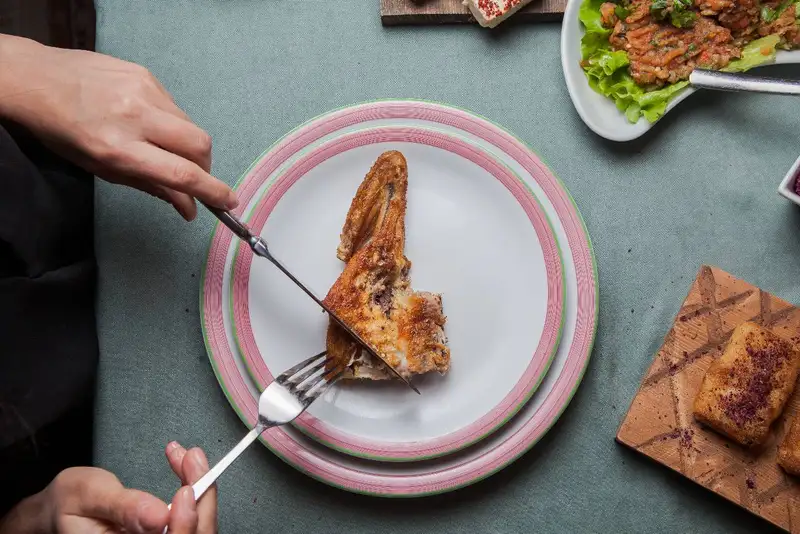
Food waste is one of the most direct ways restaurant profit disappears. Unlike some cost problems that build slowly, waste affects food cost immediately. If ingredients are spoiled, over-prepped, mishandled, or thrown away during service, the restaurant has already paid for that product without getting full value from it. That is why reducing waste is one of the most practical ways to lower food cost.
1. Identify where waste is actually happening
Waste usually shows up in a few predictable areas - spoilage, trim loss, overproduction, preparation mistakes, expired items, and returned or remade dishes. Many restaurants know waste exists, but they do not always know where it is happening most. Owners need to treat waste like a measurable operating issue, not just an occasional inconvenience. Once the source is clear, the solution becomes easier to manage.
2. Control over-prepping before it becomes over-wasting
Prep should support demand, not ignore it. When staff prepare too much food too early, the excess often becomes waste by the end of the shift or day. This is especially common with produce, cooked proteins, sauces, soups, and side items. Prep plans should reflect sales patterns, dayparts, seasonality, and historical volume so the kitchen is producing what it is likely to sell, not what it hopes to sell.
3. Improve storage practices to extend product life
Poor storage creates avoidable loss. Ingredients that are not labeled, dated, sealed properly, or stored at the correct temperature are more likely to spoil before they can be used. Products also get forgotten when storage areas are cluttered or inconsistent. Clear labeling, proper rotation, and temperature discipline help restaurants protect inventory and reduce preventable loss.
4. Track waste so patterns become visible
Waste logs are useful because they turn random loss into usable information. If managers record what was wasted, how much was wasted, and why it happened, they can spot patterns over time. For example, repeated waste on the same ingredient may point to over-ordering, weak prep forecasting, or low menu movement. Tracking gives owners a chance to fix the cause, not just react to the result.
5. Reduce service errors and remakes
Waste does not only happen in storage or prep. It also happens during service when orders are made incorrectly, sent back, or remade because of poor communication. Every remake increases food cost and labor cost at the same time. Better ticket accuracy, stronger communication between front and back of house, and recipe consistency all help reduce that loss.
Restaurants cannot eliminate all waste, but they can reduce a large amount of it with better discipline. For owners trying to lower food cost, waste reduction is one of the fastest improvements they can make.
Transform Your Restaurant Operations Now!
Effortless Inventory Tracking with Altametrics!
Review Menu Performance and Pricing Strategy
Lowering food cost is not only about buying better or wasting less. It is also about taking a closer look at the menu itself. Some menu items naturally carry higher ingredient costs, some are priced too low for current market conditions, and some sell well but do not contribute enough margin. If owners want better food cost performance, they need to evaluate how menu design, item mix, and pricing all affect profitability.
1. Compare ingredient cost against selling price
Every menu item should have a known plate cost based on current recipe ingredients and portion sizes. Once that cost is clear, owners can compare it with the selling price to see whether the item is still financially healthy. If ingredient prices have risen but menu prices have not changed, the food cost percentage on that item will increase. Over time, that puts pressure on margins even if sales stay strong.
2. Identify which items help or hurt overall food cost
Not every menu item affects profitability in the same way. Some dishes may have strong margins and steady demand, while others may be expensive to produce and less popular with guests. Reviewing menu performance helps owners see which items are supporting the business and which ones are dragging results down. This does not always mean removing high-cost items, but it does mean understanding their impact.
3. Watch for menu items with hidden cost problems
Certain items look profitable at first but create problems behind the scenes. They may use ingredients with high spoilage risk, require complicated prep, depend on expensive garnishes, or generate frequent waste because of low sales volume. In these cases, the issue is not just the recipe cost. It is the total operational burden that item creates.
4. Adjust pricing carefully and intentionally
Price changes should never feel random. They should be based on real cost changes, market positioning, and guest expectations. Small, targeted adjustments are often more effective than broad increases across the menu. Owners should focus first on items where the value still feels strong to the guest but the margin has become too thin for the business.
5. Use menu decisions to improve sales mix
Sometimes the best way to lower overall food cost is not to cut ingredients, but to guide guests toward better-margin items. Menu layout, descriptions, placement, and promotions can all influence what sells more often. A stronger sales mix can improve profitability even without major recipe changes.
For restaurant owners, menu performance is one of the clearest places to connect food cost with business strategy. When pricing and item mix are reviewed regularly, food cost becomes easier to manage without lowering quality.
Strengthen Purchasing and Vendor Management
Purchasing has a direct effect on restaurant food cost, yet many restaurants treat ordering as a routine task instead of a cost-control strategy. When managers order based on habit, fail to review price changes, or rely too heavily on a single supplier without comparison, food cost can rise quietly over time. Stronger purchasing and vendor management help owners control those increases before they affect margins more seriously.
1. Order based on actual usage, not routine habit
One of the most common purchasing mistakes is ordering the same quantities each week without checking recent sales, inventory on hand, or upcoming demand. That approach often leads to over-ordering slow-moving items and under-ordering products that are actually needed. Purchasing decisions should be based on current inventory levels, usage trends, seasonality, and expected sales volume. Ordering with better discipline helps reduce spoilage, emergency purchases, and unnecessary cash tied up in stock.
2. Monitor price changes closely
Ingredient costs can shift quickly, especially for proteins, dairy, produce, oils, and imported goods. If restaurant owners are not reviewing invoices regularly, these increases can go unnoticed until food cost is already under pressure. Comparing current pricing against prior orders helps managers spot unusual jumps, identify patterns, and decide whether recipe, pricing, or vendor adjustments are needed.
3. Compare vendors instead of assuming current pricing is competitive
Loyal vendor relationships can be valuable, but owners still need to understand the market. Comparing suppliers on key items helps reveal whether current pricing, quality, delivery reliability, and service levels still make sense. The goal is not to chase the cheapest option every time. It is to make sure the restaurant is getting fair value for what it buys.
4. Standardize purchasing controls across managers or locations
When different managers order differently, purchasing becomes inconsistent. Items may be bought in the wrong pack size, at the wrong price, or from the wrong source. Creating approved product lists, vendor guidelines, and ordering procedures helps maintain control. For multi-unit operators, this is especially important because purchasing variation across locations can create major food cost differences.
5. Build stronger vendor relationships through communication and review
Good vendor management is not only about negotiating price. It also involves discussing substitutions, delivery issues, quality concerns, and cost pressures before they become bigger problems. Vendors can sometimes help with alternatives, pack size changes, or planning around seasonal cost swings when communication is consistent.
For restaurant owners, purchasing is one of the clearest opportunities to lower food cost without affecting guest experience. Better ordering habits and stronger vendor oversight create more control, better predictability, and healthier margins.
Streamline Your Inventory. Order Smartly.
Start Simplifying Your Orders with Altametrics
Must-Read Content

How to calculate average inventory
How to Calculate Average Inventory for Restaurants

Control restaurant food cost
How to Control Restaurant Food Costs
How to calculate food cost percentage
How to Calculate Food Cost Percentage

Inventory costs
Inventory Costs Explained for Restaurant Owners
Inventory management and best practices
Restaurant Inventory Management and Best Practices
Frequently Asked Questions
Why is my restaurant's food cost so high?
High food cost is often caused by over-portioning, waste, spoilage, theft, poor inventory control, rising supplier prices, inaccurate recipe costing, or menu prices that no longer match ingredient costs. In many cases, it is a mix of several small issues rather than one major problem.
How often should restaurant owners track food cost?
Weekly tracking is usually the most practical approach. It gives owners faster visibility into changes and helps them catch issues before they grow into larger margin problems. Monthly tracking can still be useful, but it is often too slow for daily operations.
What is the difference between actual food cost and theoretical food cost?
Actual food cost reflects what the restaurant really spent based on inventory and purchases. Theoretical food cost reflects what food cost should have been based on recipes and sales. The gap between the two often points to waste, theft, or inconsistent execution.
What are the most common signs of poor food cost control?
Common signs include rising food cost percentage, frequent spoilage, inconsistent portion sizes, repeated stockouts, excessive waste, shrinking margins, and invoice totals that keep increasing without a clear explanation.