What is email marketing?
Email marketing is sending messages to people who opted in to hear from your business. It helps you share updates, offers, and helpful information, build relationships, and drive actions like bookings or purchases. In hotels, it supports guests before, during, and after stays.
Hotel Email Marketing Made Simple

Importance of Hotel Email Marketing
Email marketing is one of the simplest ways for hotels to earn more from the guests they already have - without relying on OTAs, paid ads, or constant discounts. The problem is most hotel emails fall into two extremes - they're either generic newsletters that guests ignore, or they're nonstop promotions that train people to wait for a deal. Neither one helps your operations or your revenue.
For hotels, email marketing works because it reaches people at the exact moments that matter - right after they book, right before they arrive, while they're on property, and right after they leave. Those are high-intent moments. Guests are already thinking about their trip, checking details, and making decisions - like whether to add breakfast, book a spa treatment, arrive early, or choose your property again next time. A well-timed email can turn those decisions in your favor without feeling pushy.
"Good" hotel email marketing isn't about sending more messages. It's about sending fewer, more useful messages. The goal is to make the guest experience smoother and more predictable while also increasing direct revenue. If your emails reduce front desk questions, cut down on "I didn't know" complaints, and create easy upsells, they're doing their job.
A simple way to keep your email strategy focused is to organize it into three phases -
1. Before the stay (pre-stay) - Set expectations, answer common questions, and help guests plan. This is where you reduce cancellations and surprises. It's also where upgrades and add-ons feel natural because guests are still imagining the trip.
2. During the stay (in-stay) - Support the guest experience in real time. These emails should be short and helpful - welcome info, dining hours, amenities, and a quick check-in message to catch problems early. This phase is less about marketing and more about service.
3. After the stay (post-stay) - Turn a good stay into a repeat guest. This is where you ask for a review, thank them, and give them a reason to come back. Post-stay emails also help you recover relationships if something went wrong, because you can follow up with a clear next step.
When email marketing is working, you'll see practical outcomes- fewer calls asking about parking or check-in times, higher open rates on pre-arrival messages, more upgrade and add-on purchases, stronger review volume, and more repeat bookings over time. The rest of this guide breaks down exactly what to send in each phase - so you're not guessing, and your team isn't reinventing the wheel for every guest.
List Quality, Consent, and Guest Preferences
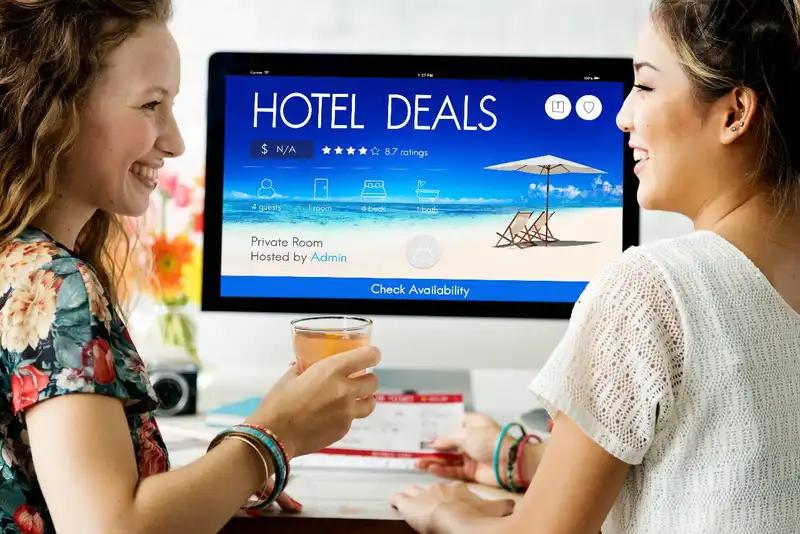
Before you write a single "perfect" email, make sure your hotel is collecting the right addresses, collecting them the right way, and organizing them so messages stay relevant. Most email problems aren't copy problems - they're list problems. If your list is messy, outdated, or full of people who never asked to hear from you, your emails will underperform and you'll spend time chasing results that won't come.
Start with where your emails come from. Your best source is always your booking flow (your direct booking engine) because the guest is already engaged. You can also collect emails at the front desk, through event signups, spa and dining reservations, and Wi-Fi access - but don't treat these as "free leads." Make it clear what guests are opting into. In many regions, consent rules are strict, and even where they're not, guest trust matters. If someone feels tricked into a mailing list, they'll unsubscribe fast - or worse, mark you as spam.
Next, set up a simple preference system. This can be as basic as a manage preferences link where guests can choose topics (special offers, events, property updates) and frequency (monthly updates vs. only stay-related emails). Hotels often get better results when they separate transactional emails (confirmation, pre-arrival details, receipts) from marketing emails (offers, seasonal packages). Transactional emails should always be clear and helpful. Marketing emails should be optional and targeted.
Then capture a few data points that actually improve relevance. You don't need a complex CRM to do this. At minimum, try to tag -
- New guest vs. returning guest
- Stay dates and length of stay
- Leisure vs. business (if you can infer it)
- Room type or package
- Booking source (direct vs. OTA)
With that, you can create simple segments that make your emails feel personal without being creepy. For example, a returning guest might appreciate "welcome back" language and a faster upsell. A business traveler might care about early breakfast hours and parking. A weekend leisure guest might care about spa openings and local experiences.
If you build this foundation, every email in the rest of your program becomes easier - clearer targeting, fewer unsubscribes, higher engagement, and a better guest experience overall.
Pre-Stay Emails
Pre-stay is where hotel email marketing does the most heavy lifting. Guests are planning, comparing options, and locking in details. If you show up with clear, helpful information, you reduce confusion and cancellations - and you create a natural moment for upgrades and add-ons. The key is to send a short sequence that matches the guest timeline instead of blasting everything at once.
Start with a booking confirmation email that answers the questions guests always have. Include stay dates, check-in/check-out times, address, parking details, cancellation policy, and a clear way to contact the property. Keep it scannable. Guests should be able to find the most important details in 10 seconds. If you offer digital check-in, mobile keys, or pre-arrival requests, include one simple call-to-action (CTA), like "Confirm your arrival time" or "Add special requests."
Next, send a "Plan Your Stay" email a few days after booking (or immediately, if the arrival is soon). This email should reduce uncertainty and make the stay feel easier. Include directions, transit tips, a quick amenities overview, and answers to common questions like breakfast hours, pet policy, pool hours, and late check-out options. If your hotel has multiple outlets - restaurant, bar, spa - link to each with one clear next step, such as "Reserve a table" or "View spa availability."
Then, add one upsell-focused pre-arrival email, ideally 3-7 days before arrival depending on lead time. Upsells should feel like convenience, not pressure. Offer a small set of options- room upgrade, breakfast package, parking, early check-in, late checkout, or a simple welcome amenity. Limit it to two or three choices so guests don't get decision fatigue. If you can, add a deadline (Add before arrival) and make it one-click.
Finally, send an arrival email 24-48 hours before check-in. This is your "smooth landing" message. Confirm check-in instructions, where to park, how to find the lobby, what to do if they arrive early, and any seasonal notes (construction, holiday hours, weather-related guidance). If you run into frequent day-of questions, this email is where you prevent them.
When pre-stay emails are done right, the front desk gets fewer repetitive calls, guests arrive more prepared, and upsells happen without awkward conversations at check-in.
In-Stay Emails
In-stay emails are where hotels often overdo it. Guests are busy, traveling, and trying to relax or focus on work. If you send too many messages, your emails feel like noise. If you send the right messages, they feel like service. The rule is simple - during the stay, email should help the guest enjoy the property and solve problems fast - not push promotions.
Start with a welcome email on the day of arrival (or shortly after check-in). Keep it short and practical. Include Wi-Fi instructions, key property hours (breakfast, restaurant, pool, gym), and one clear next step. That next step might be "Reply if you need anything," "Book spa time," or "View today's dining specials." Don't add five calls-to-action. Pick one that matches your property.
Next, consider a service and experience email for the second day of the stay (or the morning after arrival). This is perfect for highlighting what guests might miss - happy hour times, weekend events, shuttle schedule, spa openings, or how to request housekeeping. Many hotels now offer flexible housekeeping or "by request" service - email is a clean way to set expectations and reduce friction. If your property has popular amenities, this email can quietly drive revenue by pointing guests to reservations and availability.
One of the highest-impact emails you can send is a mid-stay check-in. This should be simple, human, and easy to respond to. Something like - "How is everything so far? If anything isn't right, reply to this email and we'll fix it." The goal is to catch issues before they turn into negative reviews. If you can route replies to a monitored inbox or guest services team, even better. If not, provide one clear contact option (front desk number or text line) so you don't create a dead end.
Finally, use low-friction upsells only when they genuinely improve the stay. Examples - late checkout for a busy departure day, breakfast add-on if the guest hasn't purchased it, or a simple "last availability" note for spa appointments. Avoid daily promotional blasts. Two helpful in-stay emails are usually better than six salesy ones.
When in-stay emails are done well, guests feel supported, the team handles fewer preventable issues, and the property earns more from add-ons - without sacrificing the guest experience.
Post-Stay Emails
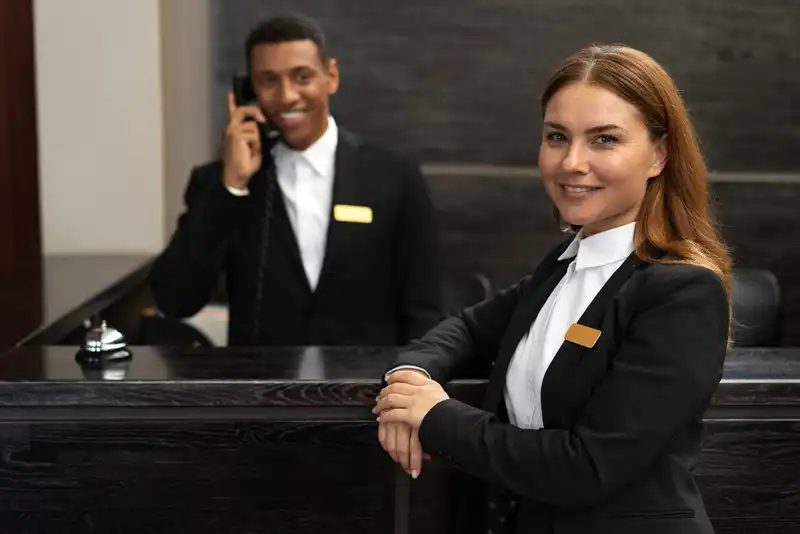
Post-stay is where you turn a completed reservation into long-term value. Most hotels stop communicating once the guest leaves - then wonder why repeat bookings are low and reviews are inconsistent. A simple post-stay email sequence helps you lock in three outcomes - a positive final impression, a steady stream of reviews, and a reason to return.
Start with a thank-you email sent the same day or the next day after checkout. Keep it warm and straightforward. Confirm appreciation, mention the property name, and make the message feel personal even if it's automated. If you want one call-to-action here, make it something helpful like "Tell us how we did" or "Manage your preferences for future updates." Avoid pushing a discount immediately - right after checkout, guests are usually tired and traveling, not deal-hunting.
Next, send a review request email 1-3 days after checkout. Timing matters - too soon and the guest hasn't processed the stay; too late and they forget details. Keep the ask simple and specific. Let guests know it only takes a minute, and link directly to the review platform(s) you prioritize. If you have a guest satisfaction survey, you can combine it with a light review request - but be careful not to create a long, annoying form. The easier it is, the more reviews you'll earn.
If you know a guest had an issue (complaint, service recovery note, maintenance incident), include a service follow-up email. This should not be defensive. It should acknowledge the experience, confirm what was done (if anything), and provide a clear path to continue the conversation. A well-handled follow-up can prevent negative reviews and rebuild trust.
Then add a rebook email 2-6 weeks later, depending on your typical stay cycle. This is where you promote direct booking benefits - like flexible cancellations, room preference recognition, late checkout availability, or member-style perks - even if you don't have a formal loyalty program. Instead of "20% off," lead with value - "Plan your next stay with priority upgrades," "Advance access to seasonal packages," or "Best rate when you book direct."
Finally, you can test a referral-style email for guests who loved the stay - "Share this hotel with a friend" or "Forward this to someone planning a trip." Keep it optional and tasteful. The goal is to extend reach without sounding spammy.
Essential Automations
Once you know what to send before, during, and after a stay, the next step is automation. Automation is what makes email marketing realistic for busy hotel owners and managers. It keeps messaging consistent, reduces last-minute scrambling, and ensures guests get the right information even when your team is slammed. The goal isn't "set it and forget it." It's "set it once, improve it monthly."
Here are seven hotel email flows that give you the most impact with the least complexity -
1. Booking Confirmation + Key Details (Transactional) - Immediately after booking. Reservation summary, policies, check-in/out times, parking, and contact options. This reduces confusion and prevents avoidable cancellations.
2. Pre-Arrival Planning Email - Sent based on arrival date (commonly 3-7 days out) - directions, amenities, FAQs, and how to make requests. This cuts down repetitive calls and makes arrivals smoother.
3. Pre-Arrival Upsell Email - Triggered 3-5 days before arrival (or sooner for short lead times) - offer a small set of add-ons like breakfast, upgrades, parking, early check-in/late checkout. Keep it simple and clickable.
4. Day-Of Welcome Email - Sent on check-in day - Wi-Fi, property hours, quick tips, and one next step. Think "guest support," not "promotion."
5. Mid-Stay Check-In Email - Triggered on night 1 or day 2 - a quick "How's everything?" message that encourages replies. This helps you fix issues before they become negative reviews.
6. Checkout Thank-You + Review Request - Two-step sequence works well - a thank-you right after checkout, then a review request 1-3 days later. This keeps the tone appreciative and improves review response.
7. Win-Back / Re-Engagement Campaign - Sent to past guests who haven't returned (often 60-180 days, based on your typical booking cycle). Share seasonal highlights, new amenities, packages, or direct-book perks. The goal is to bring them back without immediately discounting.
If you implement only these seven, you already have a complete guest-journey email program. After that, you can layer in optional automations like birthday/anniversary triggers, local staycation campaigns, or event-based messaging - but the core flows above will cover most of the revenue and service impact.
Subject Lines and Structure
Most hotel emails fail for one simple reason - they try to do too much. They cram in five topics, three offers, and a long paragraph that no one reads on a phone. The best-performing hotel emails are the opposite - short, clear, and built around one goal. Before you write, decide what you want the guest to do - confirm details, plan their arrival, book an add-on, reply with a need, leave a review, or rebook.
Keep the structure simple (and mobile-first)
A reliable format is -
1. Headline or first line - what this email is about
2. 2-4 short blocks - the key details in plain language
3. One primary button/CTA - the next step
4. Optional secondary links - only if necessary (FAQs, contact info)
Avoid big image-heavy designs if they slow load time or bury the message. Guests want answers, not a glossy brochure.
Subject lines that work for hotels
Subject lines should be helpful and timely, not clever. Good subject lines usually include one of three things-
1. A time cue - "Before you arrive tomorrow..." / "Your check-in details"
2. A benefit - "Make check-in faster" / "Add breakfast in one click"
3. A clear action - "Confirm your arrival time" / "Leave a quick review"
If you personalize, keep it light. Using a name can help, but using too many details can feel intrusive. "Your stay at [Hotel Name]" is often enough.
Write like a person, not a brand
Hotel guests don't want corporate language. They want clarity. Use short sentences, simple words, and practical details -
1. Instead of "We are delighted to inform you..." - "Here's what you need for check-in."
2. Instead of "Exclusive offerings" - "Breakfast, parking, and late checkout options."
Make upsells feel like convenience
Upsells should read like optional add-ons that improve the stay, not pressure tactics. Give 2-3 options max, include pricing if you can, and make the next step easy. The more clicks required, the lower your conversion.
Finally, always include a clear way to get help (reply, phone number, front desk link). In hotels, the "marketing" email that gets the best results is often the one that simply makes the guest's life easier.
Measure and Improve
If you don't track a few basic numbers, email marketing becomes guesswork. The good news is you don't need a complicated dashboard. You need a simple checklist that tells you - Are guests engaging? Are emails creating revenue or saving time? Are you damaging deliverability? Start with a small set of metrics, review them monthly, and make one improvement at a time.
Track the essentials (weekly or monthly)
1. Open rate - A quick signal of subject line strength and inbox placement. If opens drop, your list may be getting stale or your messages may be going to spam/promotions.
2. Click rate - Shows whether guests are interested enough to take action. A low click rate usually means the email has too many ideas, a weak CTA, or unclear benefits.
3. Unsubscribe rate and spam complaints - These are your "guest annoyance" indicators. If they rise, you're emailing too often or sending content that doesn't match what guests expected.
4. Bounce rate - High bounces mean poor list hygiene (typos, outdated addresses). This can hurt deliverability over time.
Measure what matters for hotels - outcomes
Beyond engagement, hotels should focus on operational and revenue outcomes -
1. Direct booking conversions - How many bookings come from your post-stay and win-back emails.
2. Upsell attachment rate - How many guests add breakfast, parking, upgrades, or late checkout from pre-arrival/in-stay emails.
3. Review volume and rating trends - Whether your post-stay flow is increasing review count and improving sentiment.
4. Front desk friction indicators - Fewer "where do I park?" calls, fewer check-in issues, fewer last-minute cancellations. Even if this is anecdotal at first, it's real value.
Run small tests that compound
You don't need constant A/B testing - just a steady rhythm. Each month, test one variable -
- Subject line (helpful vs. benefit-driven)
- Send timing (48 hours vs. 24 hours pre-arrival)
- CTA wording ("Add breakfast" vs. "See breakfast options")
- Offer framing (bundle vs. single add-on)
A simple improvement workflow
Once a month - review metrics, read guest replies, and update the top 1-2 emails in your flows (usually pre-arrival and review request). Over time, small improvements stack up into more direct bookings, stronger reviews, and a smoother guest experience - without adding work for your team.
Get Started with Smart Data Capture
Optimize Your Marketing Efforts with Altametrics
Must-Read Content


Digital marketing
A Restaurant Owner's Guide to Digital Marketing
Sms marketing
How to Start SMS Marketing for Your Restaurant

Marketing campaign
Marketing Campaign Basics for Restaurants

Types of marketing
Types of Marketing for Restaurants
Frequently Asked Questions
How often should a hotel send marketing emails to past guests?
Most hotels do best with 1-2 marketing emails per month to past guests, plus automated stay-related emails. If unsubscribes rise, reduce frequency or improve targeting.
How far in advance should I send pre-arrival emails?
A good rule is 3-7 days before arrival for planning and 24-48 hours before arrival for check-in instructions. For short lead times, combine them.
What should be in a hotel booking confirmation email?
Include stay dates, check-in/out times, address, parking info, cancellation policy, and a clear contact method. Keep it scannable and mobile-friendly.
How do I increase direct bookings with email marketing?
Use post-stay and win-back emails that highlight direct-book benefits (flexibility, perks, priority requests) and make rebooking simple with clear links.