What offers work best for restaurant campaigns?
Simple offers usually win - bundles, limited-time combos, add-on incentives, minimum-spend discounts, or bounce-back offers. Choose an offer that supports your goal and protects your margin with clear guardrails.
Marketing Campaign Basics for Restaurants

Overview
Most restaurant owners don't avoid marketing because they don't care. They avoid it because it's easy to waste money fast. One boosted post turns into five. A discount sounds simple until food cost spikes. A "big promo weekend" sounds great - until the kitchen gets slammed and the guest experience takes a hit. The truth is - a marketing campaign doesn't fail because you didn't try hard enough. It fails because you didn't plan the basics before spending.
This guide is about doing the opposite. Before you put a dollar into ads, printing, influencers, or promotions, you need a clear plan that connects three things - (1) what you want to happen, (2) why a customer would care, and (3) how your restaurant will deliver on the promise without breaking operations or margins. When those pieces are aligned, even a small budget can produce consistent results. When they're not, even a big budget can disappear with nothing to show for it.
Start With the Goal
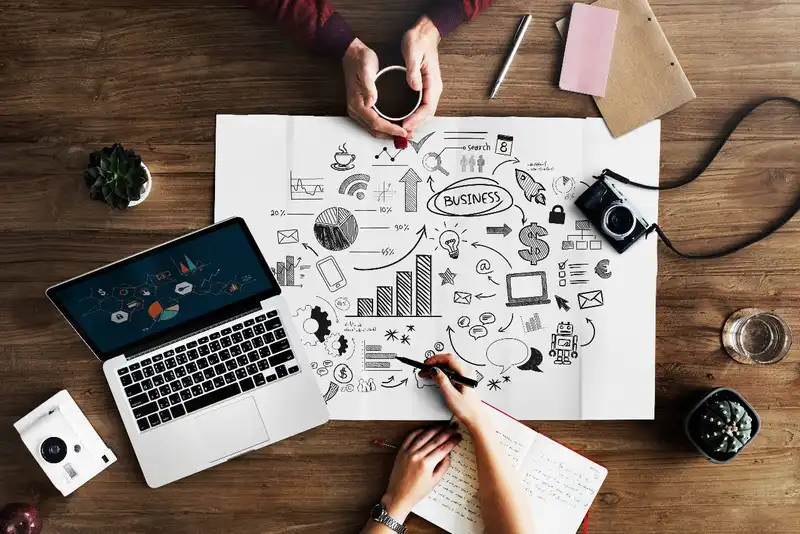
Before you spend a dollar, decide what you want the campaign todo. Most restaurant campaigns underperform because they try to do everything at once - "Get more followers, increase dine-in, push catering, sell gift cards, and boost delivery." That's not a campaign - it's a pile of ideas. A strong campaign has one primary goal you can measure, and everything else supports it.
Start by choosing a goal that matches your biggest bottleneck right now. If people don't know you exist, your goal might be awareness (more local searches, more profile views, more first-time visits). If you're busy on weekends but dead on weekdays, your goal might be traffic shaping (more Monday-Thursday orders between 5-8pm). If you get plenty of orders but not enough profit, your goal might be higher average ticket (more bundles, add-ons, or family meals). If you're stable but want dependable growth, your goal might be repeat visits (more loyalty signups or a bounce-back offer that brings guests back within 14 days).
Now turn that goal into a clear finish line. Instead of "sell more," define something like - "Increase online orders by 15% over 4 weeks," or "Add 100 new loyalty members this month," or "Sell 40 catering trays per month." A measurable goal keeps you from chasing vanity metrics and helps you quickly see if the campaign is working.
Finally, set a simple boundary - one campaign, one main win. You can still track secondary benefits (like follower growth), but don't let them drive decisions. If your goal is weekday orders, then your offer, message, timing, channels, and staffing plan should all point to that outcome.
Know Exactly Who You're Targeting
A marketing campaign isn't for everyone in town. It's for a specific type of customer, with a specific reason to buy, at a specific time. The tighter your targeting, the easier it is to write a message that actually lands - and the less money you waste showing ads to people who were never going to order from you anyway.
Start with your most realistic best customer for this campaign. Ask - Who is most likely to respond quickly and buy without a ton of convincing? For many restaurants, that's people within a short drive radius, plus a predictable routine- nearby workers at lunch, families at dinner, students late-night, or regulars who already like you but don't visit often enough. Don't overcomplicate it - pick a primary audience you can describe in one sentence.
Next, target the occasion, not just the person. People don't wake up thinking, "I want Restaurant X." They think, "I need something fast for lunch," or "We don't feel like cooking tonight," or "We need food for a team meeting." Those are buying moments. When you define the occasion, you get clarity on everything else- the right offer, the best day-part, and the best channel. For example -
1. Lunch convenience - quick pickup, pre-built combos, easy ordering
2. Family dinner - bundles, predictable portions, kid-friendly options
3. Group/catering - trays, simple ordering, dependable timing
Then define the "why they'll care" in plain language. What problem are you solving - speed, value, flavor, comfort, convenience, or something unique to your menu? Try writing it as a simple benefit statement - "When you're hungry and short on time, we'll get you a great meal fast and without stress." If you can't explain the value in one sentence, the customer won't understand it in a two-second scroll.
Finally, check that your targeting matches reality. If your campaign relies on busy parents, but your offer only works late-night, something's off. If you're targeting office catering, but you don't have a clear catering menu and lead time, the campaign will create friction. The goal is alignment- right people, right occasion, right promise.
Lock In the Offer
A lot of restaurant campaigns fail at the offer stage - not because the idea is "bad," but because the offer is either too confusing or too expensive. If customers can't understand it in one glance, they won't use it. If it forces you to discount your highest-cost items with no guardrails, you'll feel the campaign as extra work with little profit.
Start by picking an offer type that matches your goal -
1. Drive orders/traffic - limited-time combo, "weekday special," free add-on with purchase
2. Increase average ticket - family bundle, "add a side + drink for $X," upgrade incentive
3. Build repeat visits - bounce-back offer ("Bring this back within 14 days for..."), loyalty sign-up perk
4. Boost catering - "free delivery over $X," tray bundle, early-order incentive
Then put guardrails around it so it's profitable and operationally clean -
- Use a minimum spend (example. "$5 off orders $30+" instead of "$5 off anything")
- Limit it to certain days/times if you're trying to shift demand
- Restrict to select items that you can execute fast and that have healthier margins
- Set a clear end date and redemption cap if needed (especially for SMS/email blasts)
Do quick math before you launch. You don't need an accounting degree - just a reality check -
1. Estimate the profit per order on the items you expect people to buy.
2. Subtract the offer cost (discount, free item, delivery cost).
3. Ask. How many extra orders do we need to break even - and can we handle that volume?
Finally, make the rules idiot-proof (for customers and staff) - one sentence, clear terms, and a simple redemption method (code, QR, button in online ordering).
Offer sanity checklist- clear, easy to redeem, margin-protected, fits your goal, and your team can execute it consistently.
Build the Message
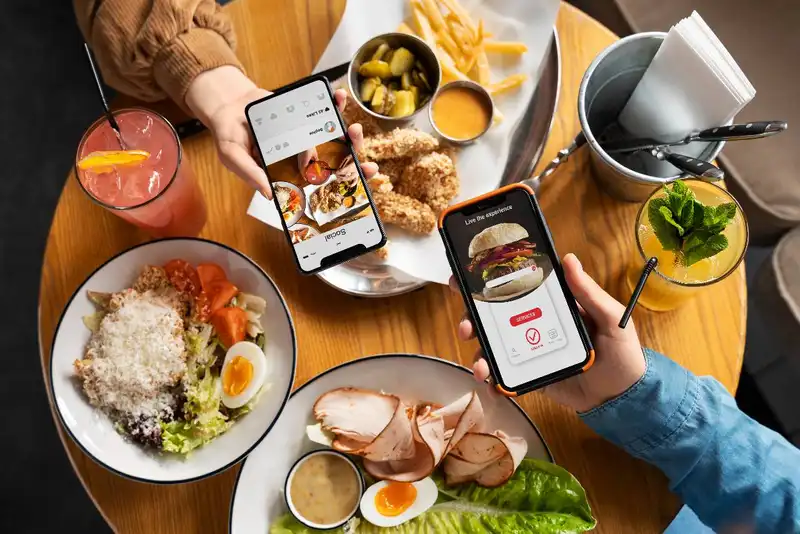
Once your goal, audience, and offer are set, your message should be easy. But most restaurant campaigns still get stuck here because they try to say too much - the full menu, the brand story, the vibe, the hours, the location, the founder's passion, and the promo - all in one ad. In reality, your customer gives you about two seconds. You need one clear hook and one clear action.
Start with the hook- the simple reason someone should care right now. A strong hook usually includes one of these -
1. A specific benefit - "Dinner for four in 10 minutes."
2. A clear value - "Family bundle under $X."
3. A craving trigger - "Crispy, spicy, made-to-order."
4. A convenience promise - "Order ahead. Pick up fast."
5. A limited-time reason - "This week only."
Then connect the hook to the offer without extra words. If you're running a combo, say what it includes. If it's a free add-on, say what they get and what they have to do. Avoid "limited time offer" without details - people scroll past vague.
Next is the action. Choose one primary call-to-action that matches your goal -
- Order online (best for takeout/delivery)
- Reserve / join waitlist (best for dine-in)
- Call / email (best for catering)
- Join loyalty / subscribe (best for retention)
- Visit today (best for local foot traffic)
Make it ridiculously easy to follow. If you want online orders, send them straight to the ordering page, not your homepage. If you want catering leads, don't say "DM us" - give a clear form or phone line.
Finally, run your message through a "confusion filter" -
- Can someone understand it without sound, in two seconds?
- Does it say what, why, and what to do next?
- Would a new customer know what you sell and how to get it?
Creative basics matter too - use a clean food photo, short text, readable fonts, and consistent branding. You don't need fancy design - you need clarity. Clear beats clever when you're trying to turn attention into orders.
Pick Your Channels
Restaurants waste money when they pick channels based on what's trendy instead of what's practical. The best channel is the one that reaches your target customer at the moment they're ready to buy - and sends them to a simple next step (order, reserve, call, or visit).
Start with the channels you already control (these are usually the highest ROI because you're not paying for every impression) -
1. In-store signage + table tents + receipts - Perfect for repeat visits and bounce-back offers. If someone already paid once, they're your cheapest customer to win again.
2. Your website + online ordering page - This is where campaigns should land. If it's slow, confusing, or outdated, your ads are leaking money.
3. Google Business Profile - This is a "high-intent" channel - people searching nearby are often ready to order now. Make sure your hours, photos, menu links, and ordering links are accurate.
4. Email and SMS - Best for returning guests. You can launch a campaign in minutes, and it's ideal for limited-time offers, weekday fills, and today only pushes.
Then add paid channels only when you have the basics ready -
1. Google Search/Maps ads. Strong when your goal is orders from people actively searching ("best tacos near me," "pizza delivery"). It catches demand that already exists.
2. Social ads (Facebook/Instagram/TikTok) - Better for awareness and demand creation - especially if you have strong photos/videos and a simple offer.
3. Delivery marketplace promos - These can work, but treat them carefully. Fees + discounts can crush margin fast, so use tight guardrails and track profitability.
Finally, don't ignore low-cost local reach -
- Partnerships with gyms, apartments, schools, offices, and nearby retailers
- Flyers or door hangers (when you have a tight radius and a clear offer)
- Community groups and local event tie-ins (when it's relevant and consistent)
A simple rule - match channel to intent. High-intent customers (search/maps) want speed and convenience. Low-intent audiences (social) need a clear reason to care. Pick 2-3 channels you can run well, instead of 6 channels you can't manage.
Set Up Tracking Before Launch
If you don't set tracking before the campaign goes live, you'll end up doing what most restaurants do - relying on vibes. "It felt busier." "The phones rang more." "Instagram got likes." None of that tells you if the campaign made money - or which part actually worked.
Start by deciding what you're measuring based on your goal. Keep it simple -
1. If the goal is more orders - track order count, sales, and conversion (visits to orders)
2. If the goal is more traffic - track transactions by daypart/day of week and redemption volume
3. If the goal is bigger tickets - track average check and attach rate (sides, drinks, add-ons)
4. If the goal is repeat business - track loyalty signups, repeat visits, and bounce-back redemptions
5. If the goal is catering - track leads, quotes, booked orders, and average catering ticket
Next, create a way to attribute results to the campaign. You don't need fancy software - just clean identifiers -
- A unique promo code (easy for POS and online ordering)
- A unique link or landing page (even a simple "/deal" page works)
- A QR code on flyers/signage that goes to the exact offer page
- A specific keyword for SMS (Text LUNCH to get the offer)
Then set a baseline. Pull last 2-4 weeks of the same metrics (same days of week, same dayparts) so you can compare apples to apples. Otherwise, you might celebrate a "lift" that was just a seasonal bump - or panic over a dip that was caused by weather, staffing, or a holiday.
Finally, build a tiny campaign dashboard you can check weekly. It can be a notes doc or spreadsheet with -
- Spend (ads + discounts given)
- Revenue influenced (promo sales + lift)
- Redemptions and conversion
- Average ticket and margin notes
- What you'll change next week (one change only)
The goal of tracking isn't perfection. It's direction. When you track before launch, you can optimize mid-campaign instead of waiting until the money's already gone.
Plan the Operations
A marketing campaign can "work" on paper and still be a disaster in the restaurant. If the offer drives a rush you can't handle, you'll get long waits, missed tickets, refunds, bad reviews, and burned-out staff. That's not growth - it's damage. Operations planning is how you turn demand into good experiences (and repeat customers).
Start with a realistic volume forecast. You don't need perfect math - just a smart estimate. Look at your baseline sales for the targeted days and dayparts, then guess a conservative lift (even 10-20% can feel huge if you're understaffed). If you're running paid ads, assume the busiest hours will get even busier. Decide ahead of time - Do we actually want more orders during peak, or do we want to shift demand into slower windows? That answer changes your offer timing.
Next, stress-test your menu and prep. The safest campaigns push items that are -
- Easy to execute quickly
- Not dependent on one fragile ingredient
- Friendly for takeout packaging (if off-premise is the goal)
- High-margin or at least margin-stable
If your promo item is complicated, it will slow the line and create mistakes. Consider simplifying the build, limiting modifiers, or offering a bundle that standardizes orders. When every ticket looks different, speed and accuracy drop.
Then plan staffing and station flow. If the campaign targets a specific daypart (like weekday dinner), make sure -
- Prep pars are increased in advance
- Key stations aren't short-handed
- Someone owns expo / order handoff
- Phones and third-party tablets won't distract the line
Finally, train the team in 10 minutes or less. Give staff a one-page briefing -
- What the offer is (exactly)
- How to ring it in / redeem it
- What to say when customers ask about it
- What to do if something is out of stock or a guest is upset
Also align front-of-house and kitchen on expectations. The smoother the experience, the more likely a first-time customer becomes a regular. Marketing brings them in once. Operations is what earns the second visit.
Get Started with Smart Data Capture
Optimize Your Marketing Efforts with Altametrics
Must-Read Content

Digital marketing
A Restaurant Owner's Guide to Digital Marketing

Email marketing
Hotel Email Marketing Made Simple
Sms marketing
How to Start SMS Marketing for Your Restaurant
Types of marketing
Types of Marketing for Restaurants
Frequently Asked Questions
Which marketing channels should restaurant owners start with?
Start with owned channels- Google Business Profile, website/online ordering, in-store signage, email, and SMS. Add paid channels like Google Search/Maps or social ads only after your basics are ready.
What's a minimum spend?
A minimum spend requires an order threshold (like $30+) to use the deal. It protects margin and increases average ticket so the campaign doesn't turn into a loss.
What's the difference between a promotion and a marketing campaign?
A promotion is the offer (discount, bundle, free add-on). A marketing campaign is the full plan - goal, audience, message, channels, tracking, operations, budget, and timeline.
What should I plan before spending money on ads?
Plan your primary goal, target customer, offer rules, message, channels, tracking method (codes/links), and operational readiness (staffing, prep, and training). Ads should be the last step - not the first.