What is restaurant supply chain management?
Restaurant supply chain management is the process of managing how food, packaging, supplies, and products move from vendors to the restaurant and eventually to the guest. It includes ordering, receiving, storage, inventory tracking, forecasting, vendor management, waste control, and cost monitoring.
A Practical Guide to Restaurant Supply Chain Management

Core Components
Restaurant supply chain management includes every step that moves food, packaging, and operating supplies from the vendor to the guest. For restaurant owners, this means the supply chain is not only a purchasing function. It is a daily operating system that connects ordering, receiving, storage, inventory, prep, forecasting, and cost control.
A strong supply chain process should give owners visibility into what is being purchased, how much is being used, what is being wasted, and whether vendor performance is supporting the business. Without that visibility, decisions are often based on guesswork instead of data.
Key areas of restaurant supply chain management include -
1. Vendor and supplier management - Owners need to know which vendors are reliable, which products are changing in price, and whether deliveries are arriving complete and on time. Tracking vendor accuracy helps reduce emergency purchases, substitutions, and service disruptions.
2. Ordering and purchasing - Ordering should be based on forecasted demand, current inventory, par levels, shelf life, and upcoming events. When orders are based only on habit, restaurants are more likely to overbuy slow-moving items or underbuy high-demand products.
3. Receiving and quality checks - Every delivery should be checked for quantity, quality, temperature, pricing, and invoice accuracy. Small receiving errors can create larger problems in food cost, inventory counts, and recipe profitability.
4. Storage and inventory control - Ingredients must be stored correctly, rotated using FIFO, and counted consistently. Accurate inventory helps owners identify waste, theft, spoilage, and usage variance before they become expensive patterns.
5. Production and prep planning - Prep should match expected demand by day-part, sales trends, and menu mix. Producing too much increases waste, while producing too little slows service and can reduce sales during peak periods.
6. Cost and performance tracking - Supply chain management should connect directly to food cost percentage, waste logs, vendor price changes, stock-outs, and inventory variance. These numbers show whether the operation is improving or losing margin.
When these areas work together, restaurant owners gain a clearer picture of cost, demand, and operational risk. That makes it easier to protect margins, keep menus consistent, and make purchasing decisions with confidence.
Start with Accurate Forecasting

Accurate forecasting is one of the most important parts of restaurant supply chain management because it helps owners order the right products before demand happens. Without forecasting, purchasing decisions are often based on habit, guesswork, or last-minute reactions. That can lead to two expensive problems - ordering too much and creating waste, or ordering too little and running out of key items during service.
For restaurant owners, forecasting should start with sales history. Past sales show how demand changes by day of the week, day-part, season, holiday, weather pattern, and menu category. A Friday dinner rush, a slow Monday lunch, and a holiday weekend should not be ordered the same way. Each period has a different demand pattern, and supply chain planning should reflect that.
Owners should also look at menu mix, not just total sales. If revenue increases but the sales are concentrated in a few high-volume items, inventory needs will shift toward those ingredients. For example, if chicken sandwiches are growing faster than burgers, ordering should adjust based on ingredient usage, not just overall sales volume. This is where data becomes valuable. It connects what guests are buying to what the kitchen needs to prepare.
Strong forecasting should include -
1. Historical sales trends - Review sales by day, week, month, and season to identify predictable demand patterns.
2. Day-part performance - Track breakfast, lunch, dinner, late-night, and catering demand separately so prep and ordering match actual traffic.
3. Menu mix changes - Monitor which items are increasing or decreasing in popularity so purchasing aligns with real ingredient usage.
4. Upcoming events and promotions - Adjust orders for holidays, local events, discounts, catering orders, limited-time offers, and school or business schedules.
5. Weather and external factors - Weather can influence traffic, delivery demand, patio dining, beverage sales, and comfort-food demand.
When forecasts are more accurate, owners can lower waste, reduce emergency orders, prevent stock-outs, and make better vendor decisions. Over time, even small improvements in forecasting can protect margins because every ingredient ordered should have a clear purpose tied to expected demand.
Efficient Ordering at Your Fingertips
Experience Flawless Inventory Management with Altametrics
Build Strong Vendor and Supplier Processes
Strong vendor and supplier processes are essential to restaurant supply chain management because vendors directly affect food cost, product quality, delivery reliability, and menu consistency. Even if a restaurant has accurate forecasting and strong inventory controls, weak supplier performance can still create shortages, substitutions, invoice errors, and cost surprises.
Restaurant owners should treat vendor management as an ongoing operating process, not a one-time purchasing decision. The lowest price is not always the best value if the vendor frequently delivers late, sends incomplete orders, changes product quality, or fails to communicate shortages in advance. A slightly lower case price can quickly become more expensive if it causes emergency purchases, wasted labor, menu outages, or guest complaints.
A practical vendor process should measure performance in clear, trackable areas -
1. Delivery accuracy - Track whether each order arrives complete, on time, and in the correct quantity. Missing or incorrect items can disrupt prep schedules and force last-minute changes.
2. Price consistency - Monitor invoice pricing against contracted or expected pricing. Even small price increases can reduce margins when they affect high-volume ingredients.
3. Product quality - Evaluate freshness, packaging condition, temperature, shelf life, and consistency. Poor quality can lead to higher waste and inconsistent menu execution.
4. Lead times - Know how much notice each vendor requires for standard orders, special items, substitutions, and holiday demand. Short lead times provide more flexibility, while longer lead times require stronger planning.
5. Substitution policies - Set clear expectations for substitutions. Restaurants should know whether substitutions are automatic, require approval, or need to meet specific quality and pricing standards.
6. Communication reliability - Vendors should communicate shortages, delays, discontinued products, and price changes early enough for owners to adjust operations.
Restaurant owners should also maintain backup vendors for critical items. If one supplier misses a delivery or experiences a shortage, the restaurant needs another approved source to protect service. This is especially important for core menu ingredients, packaging, paper goods, and high-volume products.
Improve Inventory Control and Visibility
Inventory control is one of the most important parts of restaurant supply chain management because it shows what the restaurant actually has, what it is using, and where money may be leaking. Without accurate inventory visibility, restaurant owners may believe food costs are under control when waste, spoilage, theft, over-ordering, or portioning issues are quietly reducing profit.
A strong inventory process starts with consistent counts. Owners should know what items are on hand, how quickly they move, and whether those quantities match expected usage. Inventory should not be counted only when something runs out. It should be reviewed on a regular schedule based on item value, sales volume, and shelf life.
High-cost or fast-moving items should be counted more often because small errors can create large financial impact. For example, proteins, seafood, dairy, alcohol, packaging, and specialty ingredients often need closer tracking than slower-moving dry goods. When these items are not monitored, restaurants can lose margin through overuse, waste, or inaccurate ordering.
Key inventory controls should include -
1. Par levels - Set minimum and maximum stock levels for each item based on sales trends, delivery schedules, shelf life, and storage capacity. Par levels help prevent both stock-outs and overbuying.
2. Usage tracking - Compare expected usage against actual usage. If the POS shows 100 chicken entrees sold, ingredient usage should roughly match the recipe quantity required for those sales.
3. Variance monitoring - Track the difference between theoretical inventory and actual inventory. Large variances may point to waste, theft, incorrect portions, receiving errors, or recipe inconsistencies.
4. FIFO storage - Use first-in, first-out rotation so older product is used before newer product. This reduces spoilage and protects product quality.
5. Shelf-life tracking - Monitor expiration dates and prep dates, especially for perishable ingredients. This helps prevent waste before it happens.
6. Real-time visibility - Owners should be able to see inventory levels, purchasing needs, and usage patterns before placing orders. Delayed or inaccurate information leads to reactive decisions.
Inventory visibility helps owners move from guessing to managing. When counts, usage, and variance are tracked consistently, ordering becomes more accurate, waste becomes easier to identify, and food cost reporting becomes more reliable. Over time, better inventory control protects cash flow, improves prep planning, and gives restaurant owners a clearer view of true profitability.
Reduce Waste Across the Supply Chain
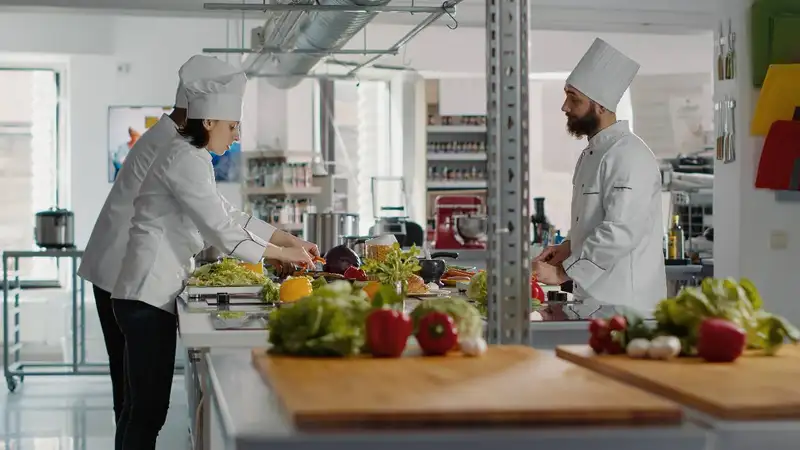
Reducing waste is one of the fastest ways restaurant owners can improve margins without increasing sales. Waste does not only happen when food is thrown away. It also happens through over-ordering, poor storage, inaccurate prep, oversized portions, expired products, vendor mistakes, menu complexity, and weak communication between the front and back of house.
In restaurant supply chain management, waste should be treated as a measurable cost. Every spoiled ingredient, unused prep batch, incorrect delivery, or over-portioned plate represents money that was already spent but did not return value to the business. Even a small amount of daily waste can become a major monthly cost when repeated across multiple ingredients and shifts.
Restaurant owners can reduce waste by focusing on practical controls -
1. Order based on demand - Purchasing should be tied to sales forecasts, inventory on hand, delivery schedules, and par levels. Ordering the same quantity every week may feel simple, but it often leads to waste when demand changes.
2. Track waste daily - Waste logs should capture what was wasted, why it was wasted, when it happened, and who recorded it. Common reasons may include spoilage, over-prep, incorrect cooking, dropped items, expired products, or customer returns.
3. Improve prep planning - Prep levels should match forecasted traffic by daypart. A slow Monday lunch should not use the same prep plan as a Friday dinner rush. Better prep planning reduces leftover product and improves labor efficiency.
4. Use FIFO and date labeling - First-in, first-out rotation helps ensure older product is used first. Clear date labels help employees quickly identify what needs to be used, moved, or discarded.
5. Control portions consistently - Portion tools, recipe cards, scales, ladles, scoops, and training help reduce overuse. Even small portioning errors can increase food cost when repeated across hundreds of orders.
6. Review slow-moving items - Ingredients that move slowly create a higher risk of spoilage. Owners should review whether these items are still needed, whether they can be used across multiple menu items, or whether purchasing quantities should be reduced.
Waste reduction works best when it is tracked, reviewed, and acted on consistently. The goal is not to blame employees for every discarded item. The goal is to find patterns. When owners know where waste is coming from, they can adjust ordering, prep, storage, training, and menu decisions before the same problem repeats. Over time, reducing waste strengthens profitability and creates a more disciplined supply chain.
Streamline Your Inventory. Order Smartly.
Start Simplifying Your Orders with Altametrics
Use Data and Technology to Make Better Decisions
Restaurant supply chain management becomes much stronger when owners can make decisions from real data instead of memory, manual notes, or guesswork. In a fast-moving restaurant, product usage changes daily. Sales shift by day-part, vendor prices fluctuate, inventory counts change, and waste patterns can appear quickly. Without the right technology, it is difficult to see these changes early enough to act.
Data helps connect the major parts of the supply chain - sales, inventory, purchasing, prep, vendor orders, and food cost. When these areas are disconnected, owners may not know why food cost increased, why a product ran out, or why inventory does not match expected usage. When these areas are connected, the restaurant can make faster and more accurate decisions.
Technology can support restaurant supply chain management in several practical ways -
1. Forecasting demand - Sales history, menu mix, seasonality, holidays, and daypart trends can help owners predict how much product they need before orders are placed.
2. Improving inventory accuracy - Digital inventory tools make it easier to track counts, usage, par levels, and variance. This helps owners identify waste, overuse, spoilage, or stock issues faster.
3. Monitoring vendor pricing - Restaurant owners can compare invoice pricing, product costs, and purchasing trends to spot increases before they damage margins.
4. Reducing manual errors - Manual ordering and spreadsheet tracking can lead to missed items, duplicate orders, incorrect counts, and delayed reporting. Automation helps reduce those risks.
5. Connecting purchasing to sales activity - When purchasing decisions are tied to actual sales and forecasted demand, owners can reduce over-ordering, prevent stock-outs, and better control cash flow.
6. Improving reporting visibility - Owners need clear reports that show food cost, waste, inventory variance, vendor performance, and product movement. These numbers help turn supply chain management into a measurable business process.
The value of technology is not just speed. It is clarity. Restaurant owners need to know what is happening, why it is happening, and what action to take next. This is where a connected restaurant management platform can make a major difference.
With Altametrics, owners can bring inventory, forecasting, purchasing, and operational data into one system, making it easier to reduce waste, manage food costs, and respond to supply chain issues before they hurt profitability. To see how Altametrics can support better supply chain decisions across your restaurant click "Request a Demo" below.
Must-Read Content

Supply chain planning
How to Build a Restaurant Supply Chain Planning Process

Restaurant order management
How to Streamline Restaurant Order Management

Hotel supply chain
A Complete Guide to Hotel Supply Chain Management

Supply chain best practices
Supply Chain Best Practices Every Restaurant Should Follow

Order fulfillment process
How to Improve the Order Fulfillment Process in Your Restaurant
Frequently Asked Questions
How can restaurants improve vendor management?
Restaurants can improve vendor management by tracking delivery accuracy, invoice pricing, product quality, lead times, substitutions, and communication. Owners should also have backup vendors for critical items to reduce risk when shortages or delays happen.
How often should restaurants count inventory?
Inventory count frequency depends on item value, movement, and shelf life. High-cost and fast-moving items should be counted more often, while slower-moving dry goods may be counted less frequently. Regular inventory counts help improve accuracy and reduce variance.
How can restaurant owners prevent stock-outs?
Restaurant owners can prevent stockouts by setting accurate par levels, using sales forecasts, tracking inventory in real time, reviewing vendor lead times, and maintaining backup suppliers for key products. Stockout prevention requires both data and consistent daily routines.
How can restaurants reduce supply chain waste?
Restaurants can reduce supply chain waste by using accurate forecasting, FIFO storage, date labeling, portion control, daily waste logs, better prep planning, and regular inventory reviews. Waste should be tracked by item, reason, date, and cost so owners can identify patterns.