How can restaurants improve order accuracy?
Restaurants can improve order accuracy by standardizing order entry, using clear modifiers, training staff on special instructions, adding expo checks, labeling bags clearly, and using a final fulfillment checklist before the order leaves the kitchen or pickup area.
How to Improve the Order Fulfillment Process in Your Restaurant

How Fulfillment Affects Operations
Order fulfillment is one of the most important parts of daily restaurant operations because it connects every step between receiving an order and getting that order to the customer correctly. In a restaurant, the order fulfillment process includes order entry, kitchen routing, preparation, packaging, accuracy checks, pickup, delivery handoff, and final customer experience. When this process works well, orders move faster, food quality stays consistent, and staff members know exactly what needs to happen next.
For restaurant owners, order fulfillment is not just a kitchen responsibility. It affects sales, labor costs, customer satisfaction, online reviews, and repeat business. A delayed order can slow down table turns, frustrate delivery drivers, increase refunds, and reduce trust with customers. An inaccurate order can lead to remakes, wasted ingredients, extra labor, and negative reviews. Even small mistakes become expensive when they happen repeatedly across multiple shifts or locations.
A strong order fulfillment process gives the restaurant more control. It helps managers understand where orders are slowing down, which stations are overloaded, and whether staffing levels match demand. It also helps employees work with less confusion during busy periods because each step is clearly defined.
Map Every Step of the Current Order Flow
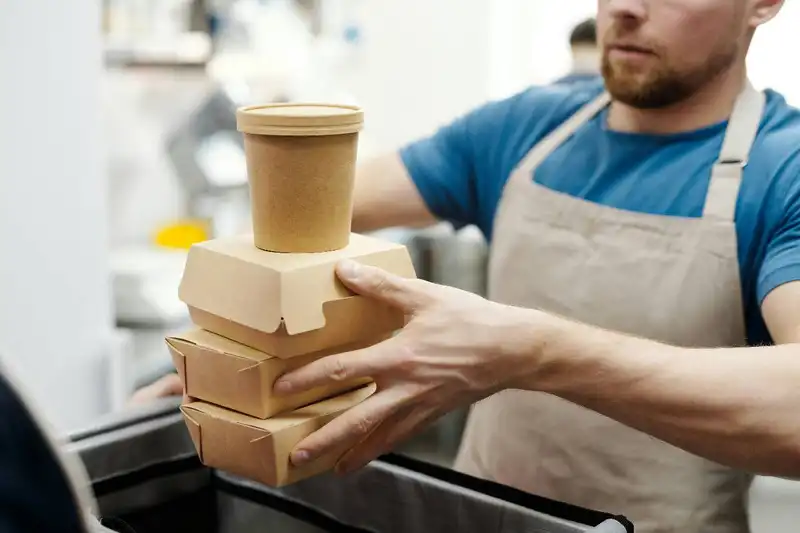
Before restaurant owners can improve the order fulfillment process, they need to see how orders actually move through the business. Many fulfillment problems stay hidden because teams are used to working around them. A server may rewrite special instructions, a cashier may verbally remind the kitchen about a modifier, or a manager may manually sort delivery bags during rush periods. These habits may keep the shift moving, but they also hide process gaps that create delays, errors, and extra labor.
A practical order flow map helps owners identify where orders slow down, where mistakes begin, and where staff responsibilities are unclear.
1. Start with every order channel - Restaurant owners should map each channel separately, including dine-in, takeout, drive-thru, curbside, website orders, mobile app orders, and third-party delivery. Each channel may have a different path, timing expectation, and handoff point. For example, dine-in orders may depend on server communication, while delivery orders may depend on packaging speed and driver arrival time.
2. Track the order from entry to handoff - The map should show each step from the moment the order is placed to the moment it reaches the customer. This includes order entry, payment, kitchen routing, station preparation, expo review, packaging, shelving, driver pickup, or table delivery. If any step relies on memory, verbal reminders, sticky notes, or manual re-entry, that is a risk point.
3. Measure time between steps - A data-driven approach means tracking how long each stage takes. Owners should look at order entry time, kitchen start time, prep time, expo time, packaging time, and pickup wait time. Even a two-minute delay at multiple points can turn a 15-minute fulfillment target into a 25-minute customer wait.
4. Identify bottlenecks during peak hours - Order flow should be reviewed during busy periods, not only when the restaurant is slow. Peak-hour ticket volume can reveal overloaded stations, poor prep readiness, understaffed handoff areas, or menu items that slow down production. This helps owners fix the real cause of delays instead of blaming employees.
Once the order flow is mapped, owners can decide what needs to change. This may include adjusting station roles, simplifying modifiers, improving ticket routing, moving pickup shelves, changing prep levels, or adding an expo checklist. The goal is to make the process easier to follow, faster to measure, and more consistent across every shift.
Efficient Ordering at Your Fingertips
Experience Flawless Inventory Management with Altametrics
Standardize Order Entry and Communication
Order fulfillment problems often begin before food is ever prepared. A ticket may look simple, but if the order is entered incorrectly, routed to the wrong kitchen station, or missing key instructions, the kitchen is already working with bad information. This is why restaurant owners need a clear standard for how every order is entered, displayed, communicated, and confirmed.
Think of order entry as the starting point of the fulfillment process. If that first step is inconsistent, every step after it becomes harder.
1. What should be standardized?
Restaurant owners should start with the basics - item names, modifiers, combo options, allergy notes, side choices, sauce selections, cooking temperatures, substitutions, and special instructions. These details should be easy for staff to select in the POS instead of typing manually whenever possible. Manual notes can be helpful, but they also create room for confusion, spelling issues, missed instructions, and inconsistent kitchen interpretation.
2. Why does this matter?
A small entry mistake can create a larger operational cost. One wrong modifier may lead to a remake. One unclear allergy note may create a serious service failure. One missing side item may cause a refund, complaint, or delayed delivery order. When these issues happen repeatedly, they increase food waste, slow down ticket times, and pull managers away from higher-value work.
3. How can owners improve communication?
Kitchen tickets should clearly show what needs to be made, where it should be made, and when it is needed. Front-of-house staff should know when to communicate verbally and when to rely on the system. Expo staff should know which details must be checked before the order leaves the kitchen.
For example, instead of relying on a cashier to tell the kitchen, This customer wants no onions, the POS should route that modifier directly to the correct station. Instead of asking staff to remember which sauces go with each meal, the system should prompt required selections at order entry.
A standardized communication process helps every employee work from the same information. That means fewer questions during rush periods, fewer missed details, faster preparation, and a smoother order fulfillment process from start to finish.
Improve Kitchen Workflow and Ticket Timing
Kitchen workflow is where the order fulfillment process either gains speed or loses control. Even when orders are entered correctly, fulfillment can still break down if the kitchen is not prepared to produce items in the right sequence, at the right pace, and with the right staffing levels.
A practical way to improve kitchen workflow is to look at three areas - layout, timing, and workload balance.
1. Layout - A kitchen should support the natural flow of an order. Ingredients, tools, packaging, and equipment should be positioned close to the stations that use them most. If cooks have to walk back and forth for common items, refill supplies too often, or wait for shared equipment, ticket times increase quickly.
Restaurant owners should look for small friction points, such as crowded prep areas, poorly placed packaging, slow printer locations, unclear pickup zones, or stations that depend too heavily on one employee. These issues may seem minor, but during peak volume, every extra movement adds time.
2. Timing - Order timing should be measured, not guessed. Owners should track how long it takes from order entry to kitchen start, kitchen start to completion, and completion to handoff. This helps separate kitchen delays from front-of-house, expo, or delivery delays.
For example, if food is completed on time but waits too long at the pickup shelf, the issue is not kitchen speed. If tickets sit before being started, the issue may be staffing, routing, or prep readiness.
3. Workload Balance - Some menu items naturally slow down production because they require more prep, more equipment time, or more coordination between stations. If one station is constantly backed up while others are waiting, the kitchen is not balanced.
Owners should review peak-hour ticket volume by station and identify which items create the longest prep times. This may lead to better prep planning, adjusted staffing, simplified menu builds, or clearer batch production rules.
A better kitchen workflow helps employees work with less stress, reduces late orders, improves food consistency, and keeps the entire order fulfillment process moving with more control.
Build Strong Quality Control
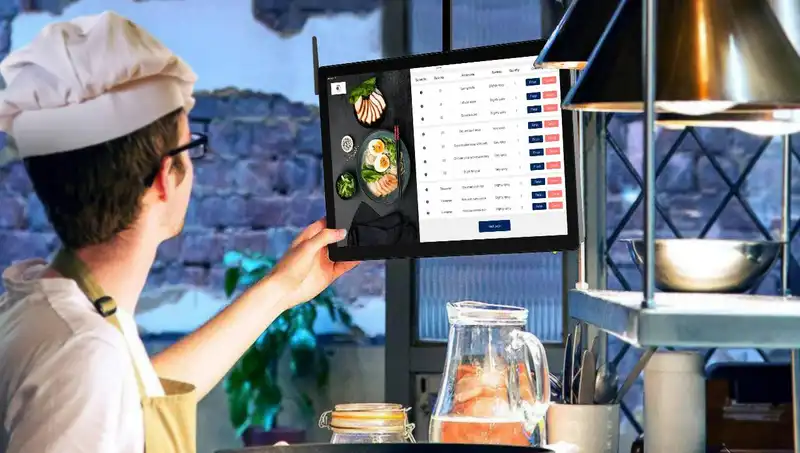
Quality control is the final checkpoint before an order reaches the customer. At this stage, the food may already be prepared correctly, but one missed item, wrong sauce, poor packaging choice, or unclear label can still damage the customer experience. For restaurant owners, this step matters because it protects the work already done by the kitchen and reduces avoidable costs like refunds, remakes, wasted food, and negative reviews.
A strong quality control process should be simple enough for staff to follow during rush periods, but detailed enough to catch the most common mistakes.
1. Check the order against the ticket - Every order should be reviewed against the original ticket before it leaves the kitchen or pickup area. Staff should confirm the item count, modifiers, sides, drinks, desserts, sauces, utensils, and special instructions. This is especially important for takeout and delivery orders because the customer may not discover a mistake until after leaving the restaurant.
2. Create a clear expo responsibility - Quality control should not be everyone's responsibility in a vague way. During busy periods, one person should own the final check whenever possible. This may be an expo, shift lead, manager, or trained team member. When the role is clear, fewer orders leave the restaurant without review.
3. Use a simple fulfillment checklist - Restaurants do not need a complicated system to improve accuracy. A short checklist can help staff confirm the basics - correct food, correct modifiers, correct packaging, correct label, correct customer name, and correct handoff location. For delivery orders, the checklist should also include sealed bags and driver verification.
4. Protect food quality during packaging - Accuracy is not the only goal. Food should also arrive in good condition. Hot items should stay hot, cold items should stay cold, and crispy items should not be packed in a way that traps too much steam. Packaging decisions affect texture, temperature, presentation, and customer satisfaction.
5. Track repeat errors - Owners should review which mistakes happen most often. Common patterns may include missing sauces, incorrect modifiers, forgotten drinks, wrong bags, or delayed handoffs. Tracking these errors helps managers fix the root cause instead of correcting the same problems shift after shift.
Quality control works best when it is treated as part of the order fulfillment process, not an extra task added at the end. A consistent final check helps restaurants improve accuracy, protect food quality, and send out orders with more confidence.
Streamline Your Inventory. Order Smartly.
Start Simplifying Your Orders with Altametrics
Packaging, Pickup, and Delivery Handoff
A restaurant can prepare the food correctly and still disappoint the customer if the packaging or handoff process is weak. This part of the order fulfillment process is where food quality, accuracy, speed, and customer perception all come together. Once the order leaves the kitchen, there are fewer chances to fix mistakes, so the handoff stage needs clear standards.
The purpose is simple - make sure the right order reaches the right customer in the best possible condition.
That means packaging should protect temperature, texture, presentation, and accuracy. Pickup areas should be organized enough for staff, customers, and delivery drivers to find orders quickly without confusion.
1. Common Handoff Problems
Many restaurants lose control at this stage because orders pile up, bags look similar, labels are unclear, or delivery drivers arrive before the food is ready. These problems can create-
- Longer wait times
- Cold or soggy food
- Missing items
- Wrong order pickups
- Refund requests
- Poor online reviews
Even if the kitchen performs well, a poor handoff can make the entire experience feel disorganized.
Practical Ways to Improve the Process
Restaurants should label every takeout and delivery order clearly with the customer name, order number, channel, and pickup time. Bags should be sealed when needed, especially for third-party delivery. Hot and cold items should be separated so salads, desserts, and drinks are not packed directly beside hot entrees.
Pickup shelves should also be organized by order type. For example, dine-in expo, customer pickup, curbside, and delivery driver orders should not all sit in the same place without clear separation. When orders are mixed together, staff waste time searching, and the risk of handing out the wrong order increases.
What Owners Should Measure
Restaurant owners should track average pickup wait time, number of wrong handoffs, driver wait time, missing item complaints, and refunds tied to delivery or takeout orders. These numbers show whether the issue is food preparation, packaging, labeling, staffing, or pickup area organization.
A strong packaging and handoff process protects the final customer experience. It helps food leave the restaurant accurately, safely, and on time, which is exactly what customers expect from a reliable order fulfillment process.
Use Data to Find Fulfillment Bottlenecks
Improving the order fulfillment process becomes much easier when restaurant owners stop relying only on observation and start using data to identify where orders are slowing down. A busy shift can feel chaotic, but numbers help show whether the real problem is order entry, kitchen production, packaging, staffing, pickup timing, or delivery handoff.
Instead of asking, "Why are orders taking so long?" owners should ask more specific questions -
1. Where is the delay happening?
If orders are entered quickly but sit before the kitchen starts them, the issue may be ticket routing, staffing, or prep readiness. If food is completed on time but waits too long before pickup, the issue may be expo, packaging, driver timing, or pickup shelf organization.
2. Which order types are affected most?
Dine-in, takeout, drive-thru, curbside, and delivery orders may not have the same fulfillment problems. Delivery orders may struggle with driver wait time or missing items. Dine-in orders may struggle with slow table delivery. Takeout orders may struggle with packaging accuracy. Separating the data by channel helps owners avoid one-size-fits-all fixes.
3. What metrics should owners track?
The most useful fulfillment metrics include average order completion time, average kitchen prep time, order accuracy rate, remake percentage, refund rate, late order percentage, missing item complaints, delivery driver wait time, and peak-hour ticket volume. These numbers give managers a clearer picture of performance by shift, station, channel, and menu item.
4. How should the data be used?
Data should lead to action, not just reports. If one station consistently falls behind during dinner rush, the restaurant may need better prep levels, adjusted staffing, or simplified station assignments. If missing sauces are the top complaint, the solution may be a packaging checklist or POS prompt. If refunds increase on delivery orders, owners should review handoff procedures and bag verification.
When restaurant owners use data consistently, they can fix the root cause of delays, reduce waste, improve labor efficiency, and create a faster, more reliable order fulfillment process.
Train, Review, and Continuously Improve the Process
Improving the order fulfillment process is not a one-time project. A restaurant may fix ticket timing, improve packaging, or clean up handoff procedures, but those improvements only last when employees are trained, managers review performance, and standards are updated as the business changes. New menu items, new delivery channels, staff turnover, seasonal demand, and peak-hour volume can all change how orders move through the restaurant.
A strong fulfillment process needs a repeatable rhythm -
1. Train the standard - Employees should know exactly how orders are entered, prepared, checked, packaged, staged, and handed off. Training should be specific by role. Cashiers need to understand order entry and modifiers. Kitchen staff need to understand ticket timing and station flow. Expo staff need to understand accuracy checks. Managers need to understand how to monitor the full process.
2. Review performance after busy periods - Post-rush reviews help managers catch problems while they are still fresh. These reviews do not need to be long. A manager can ask - Which orders slowed us down? Which items were remade? Were drivers waiting too long? Did any order channel fall behind? These questions turn daily experience into useful operational insight.
3. Use checklists to support consistency - Shift checklists, expo checklists, packaging checklists, and opening prep lists help employees follow the same process even when the restaurant is busy. The goal is not to add paperwork. The goal is to reduce missed steps and make fulfillment easier to manage.
4. Update the process when data changes - If average fulfillment time increases, complaints rise, or one station becomes a repeated bottleneck, the process should be reviewed. Owners may need to adjust staffing, prep levels, menu setup, pickup shelves, or POS prompts.
The best restaurants treat order fulfillment as a living system. They train it, measure it, review it, and improve it continuously. When that discipline becomes part of daily operations, restaurants can reduce mistakes, protect food quality, improve speed of service, and create a more reliable experience for every customer.
Must-Read Content
Restaurant supply chain management
A Practical Guide to Restaurant Supply Chain Management

Supply chain planning
How to Build a Restaurant Supply Chain Planning Process

Restaurant order management
How to Streamline Restaurant Order Management

Hotel supply chain
A Complete Guide to Hotel Supply Chain Management

Supply chain best practices
Supply Chain Best Practices Every Restaurant Should Follow
Frequently Asked Questions
What are the most common order fulfillment problems in restaurants?
Common problems include incorrect order entry, missed modifiers, slow kitchen ticket times, poor communication between staff, missing items, packaging mistakes, driver delays, wrong handoffs, and unclear pickup areas.
What metrics should restaurant owners track for order fulfillment?
Restaurant owners should track average order completion time, kitchen prep time, order accuracy rate, remake percentage, refund rate, late order percentage, delivery driver wait time, missing item complaints, and peak-hour ticket volume.
How can restaurants improve delivery order fulfillment?
Restaurants can improve delivery order fulfillment by separating hot and cold items, labeling bags clearly, sealing delivery orders, verifying driver names and order numbers, tracking driver wait time, and organizing pickup shelves by order type.
What role does the POS system play in order fulfillment?
The POS system helps organize order details, route tickets to the correct kitchen stations, capture modifiers, apply combo rules, and reduce manual communication. A well-configured POS system can reduce errors, speed up preparation, and help staff work from the same information.