How do delivery services affect restaurant profitability?
Delivery services can help increase order volume, but they also add costs that reduce margins. Profitability depends on how much revenue the restaurant keeps after fees, discounts, packaging, refunds, and labor are factored in.
How to Choose the Right Third Party Delivery Service for Your Restaurant

The Importance of the Right Delivery Service
For many restaurant owners, delivery is no longer a side channel. It is part of daily operations, guest experience, and revenue strategy. But choosing a delivery service should never be treated like a simple sign-up decision. The platform a restaurant uses can directly affect sales volume, profit margins, order accuracy, speed of service, and even how customers view the brand.
A delivery service does more than bring in orders. It becomes part of the restaurant's operating model. If the service has high fees, weak driver coverage, poor delivery timing, or limited customer visibility, the business can feel the impact quickly. Orders may increase, but profits may not. Staff may stay busy, but guest satisfaction may still fall. In some cases, restaurants end up handling more complexity without seeing enough financial return.
This is where many operators get stuck. A platform may look attractive because it has a large user base or strong local brand recognition. But reach alone does not make it the right fit. Owners need to think about how that service performs across five practical areas -
1. Cost - How much revenue is lost to commissions, promotions, refunds, and delivery-related expenses
2. Reliability - Whether orders are delivered on time and handled consistently
3. Visibility - How easily customers can find the restaurant on the platform
4. Operational Fit - Whether the service works smoothly with kitchen flow, staffing, and technology
5. Control - How much reporting, menu flexibility, and decision-making access the restaurant keeps
The wrong choice in any of these areas can create pressure fast. A restaurant may see higher ticket counts but lower margins. It may gain exposure but also deal with more complaints about cold food, late orders, or missing items. That creates risk not only for short-term sales, but also for repeat business.
Restaurant Delivery Goals
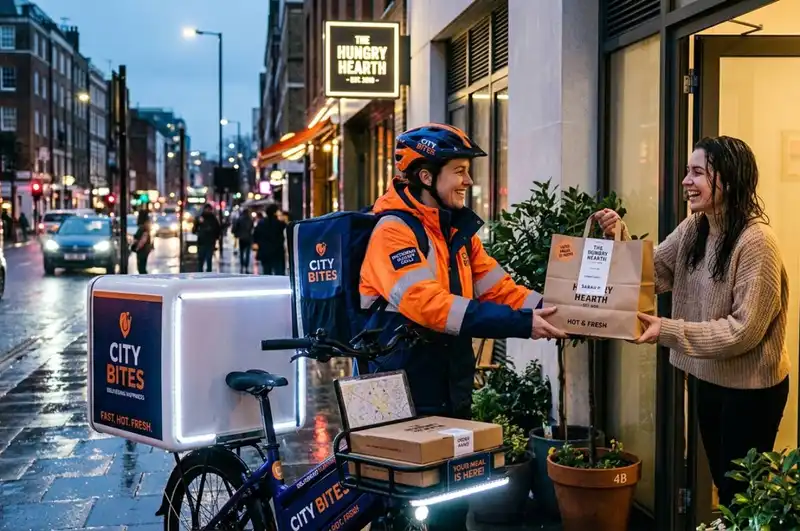
Before comparing delivery platforms, restaurant owners need to answer a more important question - What is delivery supposed to do for the business? Without a clear goal, it is easy to choose a service based on brand recognition, sales promises, or convenience instead of actual fit.
This is important because not every restaurant uses delivery for the same reason. One operator may want to reach new customers in a wider area. Another may need help during slower dayparts. A third may already have strong demand and simply wants a more reliable way to fulfill off-premise orders without adding internal strain. These are very different goals, and they should lead to different decisions.
Start by narrowing the purpose of delivery into one or two priorities -
1. Increase order volume - Some restaurants need a platform with strong customer traffic and marketplace visibility. In this case, exposure matters.
2. Protect profit margins - Others may already have demand and need to focus on keeping fees, discounts, and refunds under control.
3. Improve operational simplicity - For some teams, the goal is reducing pressure on staff through better order flow, easier tablet management, or smoother POS integration.
4. Expand delivery range - A restaurant may want access to more neighborhoods without building its own driver network.
5. Support menu strategy - Some concepts need a platform that handles modifiers, bundles, upsells, and menu timing well.
This step is critical because the "best" delivery service is not universal. A fast casual concept with high order volume may value reliability and speed. A premium brand may care more about food quality during transit and customer experience. A small independent operator may focus more heavily on cost control and ease of use.
When owners define their goals first, the evaluation becomes much clearer. Instead of asking, "Which delivery app is the biggest?" they can ask, "Which service helps solve the problem my restaurant actually has?" That shift leads to better decisions and stronger long-term performance.
Efficient Ordering at Your Fingertips
Experience Flawless Inventory Management with Altametrics
Beyond Commission Fees
One of the biggest mistakes restaurant owners make when evaluating a delivery service is focusing only on the commission rate. Commission matters, but it is only one part of the total delivery cost. To make a good decision, owners need to understand what a delivery order actually leaves behind after every fee, discount, and operating expense is accounted for.
A platform may advertise a lower commission, but the true cost can still be high once other charges are included. These often include payment processing fees, service charges, marketing or sponsored listing costs, order adjustments, refunds, chargebacks, and delivery error credits. On top of that, restaurants still absorb internal costs such as food, labor, packaging, and order prep time.
That is why the right question is not, "What is the commission?" The better question is, "What is my net profit per delivery order?"
To answer that, owners should review the full cost structure in practical terms -
1. Commission and platform fees - These directly reduce the amount of revenue the restaurant keeps from each order.
2. Promotions and discounts - Sponsored offers, coupons, or price reductions may help drive traffic, but they can shrink margins quickly.
3. Refunds and error-related losses - Missing items, late deliveries, or damaged food can result in credits that the restaurant may partially or fully absorb.
4. Packaging costs - Delivery usually requires more durable packaging, which increases per-order expense.
5. Operational labor - More delivery volume can add pressure on kitchen labor, expo coordination, and order verification.
A restaurant can grow delivery sales and still hurt profitability if these costs are not measured carefully. That is why owners should compare delivery services using the same basic formula- sales minus all direct platform costs minus internal fulfillment costs.
Top-line delivery revenue can look impressive, but margin is what determines whether the channel is actually helping the business. A delivery service should not just generate orders. It should generate orders the restaurant can fulfill profitably and consistently.
Delivery Coverage, Speed, and Reliability
A delivery service may look strong on paper, but if it cannot deliver orders consistently, the value drops fast. For restaurant owners, coverage, speed, and reliability are not secondary details. They directly affect guest satisfaction, repeat business, refund volume, and day-to-day operational stress.
Start with delivery coverage. A platform may be popular in your market but still have weak driver availability in the areas that matter most to your business. If your core customer base sits outside the platform's strongest zones, order opportunities may be limited from the start. Owners should look closely at how far the service can realistically deliver, which neighborhoods are included, and whether coverage changes during peak hours.
Next is delivery speed. Long delivery times create obvious problems. Hot food arrives cold. Fried items lose texture. Drinks melt or spill. Customers usually do not separate the driver experience from the restaurant experience. If an order arrives late, your brand often takes the blame, even when the kitchen finished on time. That is why speed is not only a logistics issue. It is a quality issue.
Then comes reliability, which is where many delivery programs break down. A service needs to perform well during lunch, dinner, weekends, bad weather, and high-volume days. Owners should pay attention to patterns such as -
1. Late deliveries
2. Driver shortages during busy periods
3. Orders sitting too long before pickup
4. Higher cancellation rates
5. Frequent guest complaints tied to delivery timing
These problems create financial pressure quickly. More credits, more remakes, more support time, and more frustrated guests.
Customer Reach and Marketplace Visibility
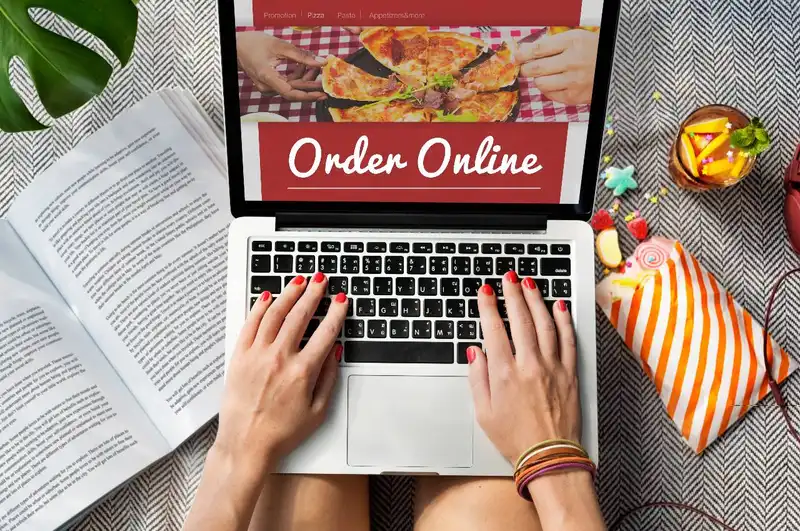
Not all delivery platforms create the same level of customer exposure. Some have stronger brand recognition in certain markets. Others may have more users, but weaker visibility for individual restaurants unless the operator pays for added promotion. That is why restaurant owners should not assume that joining a delivery service automatically leads to meaningful demand.
Customer reach matters because third party delivery is often used for more than fulfillment. It is also a discovery channel. A strong platform can help a restaurant appear in front of new customers who may not have visited the store otherwise. But that visibility depends on how the platform ranks listings, organizes cuisine categories, highlights promotions, and displays restaurants within the app.
This is where owners need to evaluate the marketplace experience from the customer's point of view. Ask practical questions such as -
1. How easy is it to find the restaurant by cuisine, location, or keyword?
2. Does the listing appear naturally, or does it get buried under sponsored competitors?
3. How clear are the photos, menu layout, delivery times, and pricing?
4. Does the platform require paid ads or discounts to stay visible?
5. How much control does the restaurant have over branding and menu presentation?
Visibility affects performance in a measurable way. If a restaurant is hard to find, has weak listing placement, or depends heavily on paid promotion, sales may become expensive to maintain. In that case, the platform may drive orders, but at a lower return than expected.
Owners should also consider the type of customer each platform tends to attract. Some apps may be better for convenience-driven weekday demand. Others may perform better for group meals, family orders, or late-night traffic. The right fit depends on where your menu, pricing, and target customer align.
A delivery service should not just offer access to customers. It should offer access to the right customers at a cost that makes sense. That is why visibility should be evaluated as carefully as fees, coverage, and speed. Strong marketplace reach only creates value when it translates into profitable, repeatable demand.

Make Sure the Service Fits Your Operations
A delivery service can look attractive from a sales perspective and still be the wrong choice operationally. For restaurant owners, this is where many delivery programs succeed or fail. If the platform does not fit the way the restaurant actually works, the team ends up absorbing the cost through slower execution, more mistakes, and added stress during peak periods.
The first question is simple - Can your operation handle delivery volume without hurting in-store performance? Delivery orders move through the same kitchen, use the same labor pool, and compete for the same prep time as dine-in and takeout. If the platform sends unpredictable order spikes or creates extra manual work, it can disrupt the entire service flow.
Operational fit should be reviewed across several areas -
1. POS and system integration - If orders do not flow cleanly into your existing systems, staff may need to manage multiple tablets or enter orders manually. That increases the risk of delays and mistakes.
2. Kitchen workflow - Delivery orders need clear prep timing, staging space, and handoff procedures. Without this, orders can pile up or leave at the wrong time.
3. Menu management - The service should make it easy to update item availability, pricing, modifiers, and prep-time adjustments. A static or hard-to-manage menu creates avoidable problems.
4. Staff workload - Teams need to verify orders, package food correctly, and coordinate pickups. If the process is not simple, labor pressure rises quickly.
5. Pickup coordination - Drivers arriving too early or too late can create congestion, confusion, and food quality issues.
The best delivery service is not always the one that sends the most orders. It is the one your restaurant can execute consistently without losing control of speed, accuracy, or guest experience. A platform that creates operational friction will eventually show up in labor strain, customer complaints, and weaker margins. That is why owners should assess delivery services based on how well they support the kitchen and front-line team, not just how well they market themselves.
Data Access, Reporting, and Order Control
A delivery service should do more than send orders into the kitchen. It should also give restaurant owners enough data to understand performance, spot problems, and make better decisions. Without clear reporting, delivery turns into a sales channel that creates activity, but not much visibility. That makes it harder to protect margins, improve service, or identify what is actually driving results.
This matters because delivery performance is not measured by sales alone. Owners need to know what is happening behind those sales. Are orders arriving on time? Are certain items generating more refunds? Are discounts driving profitable demand or just lowering check averages? Are cancellations tied to staffing, driver delays, or menu issues? These answers come from reporting, not assumptions.
When evaluating a delivery service, owners should look for access to practical operating data such as -
1. Sales by daypart, day, and location - This helps identify when delivery demand is strongest and whether it supports the restaurant's labor plan.
2. Average ticket size and item mix - Owners should know which items sell well through delivery and whether the channel supports profitable ordering behavior.
3. Cancellation, refund, and adjustment trends - These are critical indicators of service breakdowns and margin loss.
4. Delivery time and fulfillment performance - If speed is inconsistent, reporting should make that visible.
5. Promotion results - Restaurants need to understand whether discounts and sponsored placements are producing worthwhile returns.
6. Menu control and availability tools - Owners should be able to pause items, adjust hours, update pricing, and manage delivery settings without unnecessary delays.
Control matters just as much as reporting. If a platform limits menu flexibility or makes it difficult to respond quickly to operational issues, the restaurant loses agility. The right delivery service should give owners both visibility and control. That combination helps turn delivery into a manageable, measurable part of the business instead of a channel that feels expensive, reactive, and hard to improve.
Must-Read Content

Best food delivery app
Best Food Delivery App for Restaurants

Third party delivery
Third Party Delivery KPIs Every Restaurant Owner Should Monitor
Types of delivery services
Types of Delivery Services for Restaurants

Food delivery for restaurants
How to Set Up Food Delivery for Restaurants
Frequently Asked Questions
What type of menu works best for delivery services?
Menus that travel well perform better. Items that hold temperature, maintain texture, and are easy to package tend to generate fewer complaints and refunds. Restaurants may need to adjust or simplify menus specifically for delivery.
How can I reduce delivery errors and missing items?
Use a clear order verification process, dedicated packing stations, and standardized packaging. Training staff to double-check orders before handoff can significantly reduce errors and improve customer experience.
How can I manage multiple delivery platforms effectively?
Use integrated systems, standardize workflows, and clearly assign responsibilities to staff. Without structure, managing multiple platforms can lead to confusion, delays, and increased error rates.
What kind of reporting should a restaurant expect from a delivery service?
Restaurants should look for data on sales, order volume, average ticket size, cancellations, refunds, delivery times, item performance, and promotion results. Good reporting helps owners improve operations and protect margins.