Track the Right Numbers
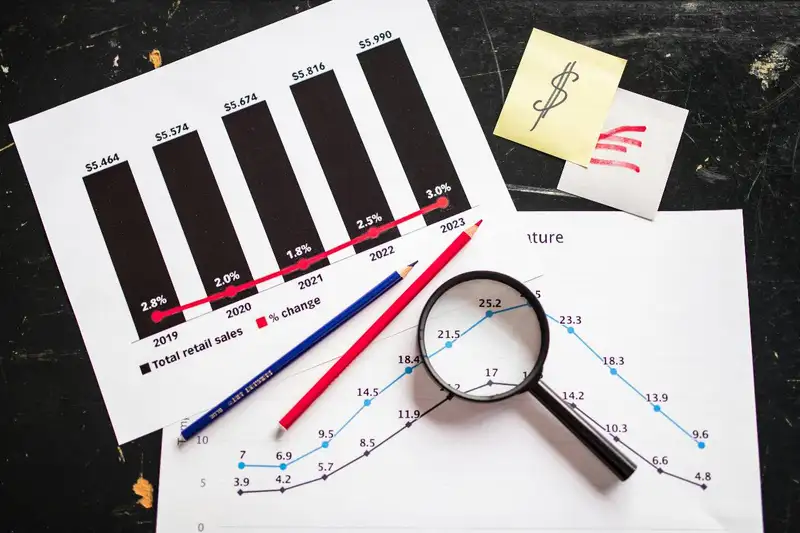
For restaurant owners, this is important because every forecast affects daily decisions. A revenue forecast influences how many employees to schedule, how much food to order, how much prep is needed, when to adjust hours, and how much cash flow the business can expect. If the forecast is based only on guesswork or last week's sales total, it may not reflect what is actually happening inside the business.
The most useful revenue forecasts are built from connected metrics. Guest count shows traffic. Check average shows spending behavior. Table turns show dining room capacity. Order volume shows demand by time period. Menu mix shows what customers are buying. Labor percentage shows whether staffing matches revenue. Sales by channel shows where revenue is coming from.
When these numbers are tracked together, owners can forecast restaurant revenue with more confidence. Instead of reacting after sales are missed, they can plan ahead, control costs, and make better decisions before problems affect profitability.
Guest Count

For example, if revenue is up but guest count is flat, the increase may be coming from higher menu prices, larger orders, add-ons, or delivery fees. If revenue is down and guest count is also down, the issue may be lower traffic, weaker demand, stronger competition, weather changes, or fewer repeat visits. Looking at revenue without guest count can lead to the wrong conclusion.
Restaurant owners should track guest count by -
1. Day of the week - A Friday night may have very different traffic than a Tuesday lunch. Tracking guest count by day helps owners see normal demand patterns.
2. Daypart - Breakfast, lunch, dinner, late night, and happy hour should be reviewed separately. A restaurant may be growing at dinner but losing traffic during lunch.
3. Season or holiday period - Guest traffic may rise during summer, weekends, school breaks, sporting events, or local festivals. It may drop during slow seasons or bad weather.
4. Location - For multi-location restaurants, each store should have its own guest count trends. One location may depend on office traffic, while another may rely on residential neighborhoods or tourists.
Guest count gives owners a clearer foundation for revenue forecasting. Once they know how many customers usually come in, they can estimate future sales more accurately by combining traffic patterns with check average, order volume, and sales channel data.
Effortlessly Schedule, Seamlessly Manage
Schedule Like a Pro with Altametrics
Check Average
For example, a restaurant may serve the same number of guests as last month but still increase revenue because customers are buying higher-priced items, adding drinks, ordering appetizers, or choosing larger meals. On the other hand, revenue may drop even when guest count stays steady if customers are ordering fewer extras, choosing lower-priced items, or shifting from dine-in to smaller takeout orders.
Restaurant owners should track check average by -
1. Sales channel - Dine-in, takeout, delivery, online ordering, drive-thru, and catering may all have different average order values. Delivery orders may include larger group purchases, while lunch dine-in checks may be smaller and faster.
2. Daypart - Dinner usually has a higher check average than breakfast or lunch. Tracking this separately helps owners forecast revenue more accurately by time of day.
3. Menu category - Appetizers, entrees, desserts, beverages, alcohol, combo meals, and add-ons can all affect check average. Owners should know which categories raise or lower average spend.
4. Promotion period - Discounts, limited-time offers, loyalty rewards, and bundled meals may increase order volume but lower check average if not managed carefully.
When check average is combined with guest count, it gives a simple but powerful revenue forecasting formula - expected guests multiplied by expected spend. This helps owners plan staffing, purchasing, prep, and promotions with better accuracy.
Table Turns
A restaurant may have strong demand on Friday night, but if tables are occupied too long, revenue can hit a ceiling. Long wait times, slow service, delayed food prep, or poor reservation flow can reduce the number of parties served. This means the restaurant may lose potential revenue even when customer demand is high.
Restaurant owners should track table turns by -
1. Daypart - Lunch may require faster table turns because guests often have limited time. Dinner may have longer visits, especially for full-service restaurants. Tracking each daypart separately helps owners set realistic revenue expectations.
2. Table size - A two-top, four-top, and large party table may produce different revenue levels. Owners should compare seating efficiency with average check size to understand which table types generate the strongest sales.
3. Peak hours - During busy periods, small delays can affect the entire shift. If tables are turning too slowly between 6 p.m. and 8 p.m., the restaurant may miss its highest revenue opportunity of the day.
4. Service time - Ticket times, payment time, bussing time, and seating time all affect table turns. A few extra minutes per table can reduce the total number of guests served in a shift.
Table turns help owners forecast the maximum revenue a dining room can produce. When combined with guest count and check average, this metric shows whether the restaurant has room to grow sales or whether operational bottlenecks are limiting revenue.
Order Volume

For restaurant owners, order volume helps connect revenue forecasting to daily operations. If orders usually spike between 11.30 a.m. and 1.30 p.m., the forecast should not only show expected sales for the day. It should show when that demand will happen. This helps managers schedule the right number of employees, prepare enough ingredients, and avoid service delays during rush periods.
Restaurant owners should track order volume by -
1. Hour and daypart - Tracking orders by hour helps owners identify rush periods, slow windows, and staffing gaps. A restaurant may have strong daily sales, but most demand may happen within a short peak period.
2. Sales channel - Dine-in, takeout, delivery, drive-thru, online ordering, and catering should be measured separately. Each channel creates different pressure on the kitchen and front-of-house team.
3. Day of the week - Order volume may rise on weekends, payday periods, game days, holidays, or local event days. Tracking weekly patterns helps improve future forecasts.
4. Order type and size - A single catering order may produce more revenue than several small takeout orders, but it also requires more planning, prep, packaging, and labor.
Order volume combined with check average and sales by channel helps forecast restaurant revenue more accurately while also improving labor schedules, inventory planning, prep levels, and service speed.
Take Charge of Your Schedule
Smarter Scheduling Made Easy with Altametrics
Menu Mix
A strong revenue forecast should not only answer, "How much will we sell?" It should also answer, "What are customers likely to buy?" This matters because different menu items require different ingredients, prep time, labor, equipment, and storage space. If the forecast expects high sales but does not account for item-level demand, the restaurant may over-order the wrong ingredients or run out of key products during busy periods.
Restaurant owners should track menu mix by -
1. Top-selling items - These items help predict core demand. If certain dishes sell consistently every week, they should be built into the forecast for purchasing, prep, and staffing.
2. High-margin items - Some items may not be the highest sellers but may contribute more profit. Tracking them helps owners understand which sales are most valuable.
3. Low-performing items - Items with weak sales can tie up inventory, increase waste, and make forecasting harder. Owners should review whether these items still support the menu.
4. Add-ons and modifiers - Extras such as sides, toppings, sauces, beverages, desserts, and upgrades can raise check average and improve revenue per order.
5. Limited-time offers and promotions - Special items can shift demand away from regular menu items. Owners should track whether these offers add revenue or simply replace existing sales.
Menu mix helps owners forecast restaurant revenue with more detail. Instead of planning only around total sales, they can plan around the items that actually drive demand, margin, prep needs, and inventory usage.
Labor Percentage
For restaurant owners, labor percentage helps turn a revenue forecast into a practical staffing plan. A forecast is not only about predicting sales. It should also help answer, "How many people do we need to serve that demand profitably?" When schedules are built without using forecasted revenue, restaurants can easily overstaff slow shifts or understaff busy ones.
Restaurant owners should track labor percentage by -
1. Daypart - Lunch, dinner, late night, and weekend shifts may all have different labor needs. A dinner shift may justify more staff because revenue is higher, while a slower afternoon period may need a leaner schedule.
2. Role or department - Kitchen labor, servers, cashiers, hosts, bartenders, dishwashers, and managers should be reviewed separately. This helps owners see where labor is being used efficiently and where staffing may need adjustment.
3. Sales volume - Labor percentage should be compared against expected revenue. If sales are forecasted to drop but the schedule stays the same, labor costs may rise as a percentage of sales.
4. Productivity metrics - Owners should review sales per labor hour, orders per labor hour, and labor dollars by shift. These numbers show whether the team is producing enough revenue for the hours scheduled.
5. Forecast accuracy - If actual revenue comes in lower than forecasted, labor percentage may increase quickly. Tracking the gap between forecasted sales and actual sales helps owners improve future schedules.
Labor percentage helps owners protect profitability while still supporting service quality. The goal is to match staffing to expected demand, so the restaurant has enough employees to serve guests without spending more labor dollars than the forecast can support.
Sales by Channel
For example, total revenue may increase because delivery sales are growing. But delivery may also bring higher packaging costs, third-party fees, longer kitchen queues, and lower margins. On the other hand, dine-in revenue may have a higher check average because customers order drinks, appetizers, and desserts. Without separating sales by channel, owners may think the business is growing evenly when one channel is carrying most of the increase.
Restaurant owners should track sales by channel by -
1. Revenue contribution - Owners should know what percentage of total sales comes from dine-in, takeout, delivery, online ordering, drive-thru, and catering. This helps identify which channels are growing, slowing, or becoming too dependent.
2. Average order value - Each channel may produce a different check average. Delivery orders may be larger, while takeout lunch orders may be smaller and faster.
3. Order volume - A channel may generate many transactions but lower revenue per order. Tracking order count helps owners understand kitchen workload and staffing needs.
4. Channel costs - Packaging, delivery commissions, payment fees, discounts, and extra labor can reduce the value of certain sales. Revenue should be reviewed alongside cost.
5. Peak demand times - Delivery may spike at night, takeout may rise during lunch, and dine-in may be strongest on weekends. These patterns should shape staffing and prep plans.
Sales by channel helps owners forecast restaurant revenue with more accuracy. Instead of planning around one total sales number, they can see which revenue streams need more support, which ones create higher costs, and where future growth is most likely to come from.
Elevate Your Restaurant's Operations
Swift Inventory Solutions with Altametrics!
Frequently
Asked Questions
How can restaurant owners improve forecast accuracy?
How does menu pricing affect revenue forecasting?
How does the average order value differ from check average?
Why should restaurants forecast sales by channel?
Must-Read Content
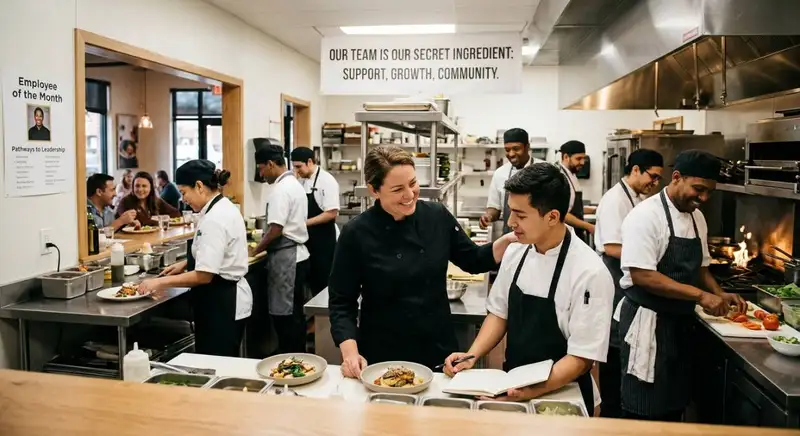
10 Employee Retention Strategies for Restaurant Owners
Restaurant owners can cut turnover by paying fairly, onboarding well, scheduling flexibly, promoting growth, recognizing effort, offering meaningful benefits, listening to feedback, and hiring carefully for fit.
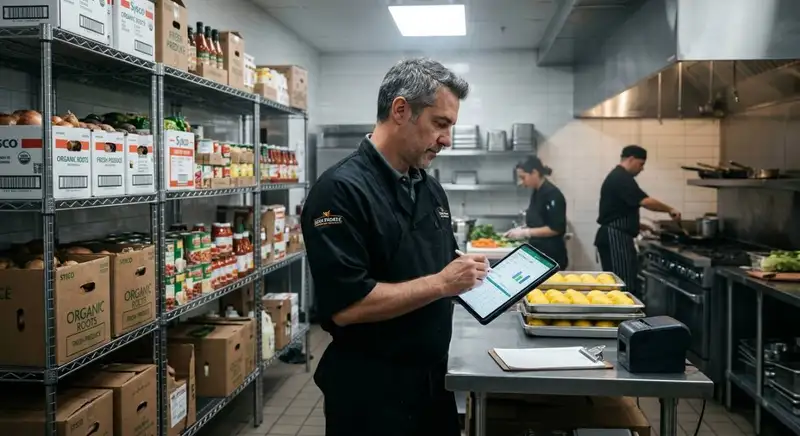
How to Reduce Supply Costs in Your Restaurant
Cut restaurant supply costs by understanding spending, auditing expenses, engineering menus, negotiating with suppliers, controlling inventory, reducing waste, and using technology to monitor everything continuously.
The Ultimate Guide to Managing Food Allergens in Restaurants
Food allergens require accurate labeling, employee training, cross-contact prevention, safe food handling, and consistent procedures to protect customers and improve restaurant safety.