
Review Historical Sales Trends First
The first step is to review sales across multiple time periods. Look at daily sales, weekly totals, monthly performance, and year-over-year comparisons. A single strong day or weak week does not always tell the full story. For example, a Friday may look profitable on its own, but comparing it to the last several Fridays can show whether demand is improving, declining, or staying flat.
Owners should also break historical sales down by day-part. Breakfast, lunch, dinner, late night, and weekend periods may all behave differently. A restaurant may have steady weekly sales overall, but still have a slow lunch period, an overloaded dinner rush, or a weekend spike that requires more labor and inventory.
A practical checklist should include -
1. Total sales by day, week, and month
2. Sales by day-part and hour
3. Sales by revenue channel
4. Guest count and transaction count
5. Average check size
6. Menu item sales and category performance
7. Holiday, seasonal, or event-driven sales changes
8. Unusual spikes, dips, refunds, voids, or missed sales
Historical sales data also helps managers separate normal trends from one-time events. If sales dropped because of bad weather, a holiday closure, staffing shortage, or equipment issue, that information should be noted before using the numbers in a forecast.
Compare Forecasted Sales vs. Actual Sales

Start by reviewing the forecast for the previous week or month. Then compare it to what actually happened. Look at the total sales difference, but also break the numbers down by day, day-part, and revenue channel. A restaurant may hit its weekly sales target overall but still miss the forecast during key periods. For example, lunch may underperform while dinner over-performs, or dine-in sales may fall while delivery sales increase.
A practical checklist should include -
1. Forecasted sales vs. actual sales
2. Sales variance by dollar amount
3. Sales variance by percentage
4. Forecast accuracy by day of week
5. Forecast accuracy by day-part
6. Forecast accuracy by revenue channel
7. Missed assumptions or unexpected demand changes
8. Notes on weather, events, staffing, promotions, or closures
The variance percentage is especially useful because it shows how far off the forecast was in a clear way. For example, if the forecast was $10,000 and actual sales were $9,000, the restaurant missed the forecast by 10%. If this happens once, it may be due to an outside factor. If it happens repeatedly, the forecasting process needs to be adjusted.
Managers should also look for patterns in the misses. Are Fridays consistently higher than expected? Are Mondays regularly overstaffed because sales are lower than forecasted? Are delivery orders growing faster than dine-in traffic? These details help owners improve the next forecast instead of simply reacting after the fact.
Effortlessly Schedule, Seamlessly Manage
Schedule Like a Pro with Altametrics
Break Sales Down by Revenue Channel
Each revenue channel behaves differently. Dine-in sales may require more front-of-house labor, table service, cleaning, and guest management. Delivery and third-party app orders may increase kitchen volume but reduce margins because of packaging costs and commission fees. Catering orders may create larger tickets, but they often require advance prep, special staffing, and tighter inventory planning. Drive-thru or takeout sales may depend heavily on speed, order accuracy, and peak-hour execution.
A practical checklist should include -
1. Dine-in sales
2. Takeout sales
3. Delivery sales
4. Third-party delivery app sales
5. Online ordering sales
6. Drive-thru sales, if applicable
7. Catering or large group orders
8. Average ticket size by channel
9. Order volume by channel
10. Profit impact by channel
Breaking sales down this way helps owners understand whether growth is truly profitable. For example, higher delivery sales may look good on a revenue report, but if commissions, packaging, refunds, and labor strain are high, the net profit may be lower than expected. On the other hand, a smaller channel may be valuable if it has strong margins and predictable demand.
Managers should also compare each channel by day and day-part. Lunch may be driven by takeout, dinner may be stronger for dine-in, and weekends may bring more delivery or catering demand. These patterns matter because they affect staffing, prep levels, inventory, and kitchen capacity.
When owners forecast by revenue channel, they can make smarter decisions instead of treating every dollar of sales the same. This makes the forecast more accurate, the schedule more realistic, and the operation easier to manage during both slow periods and busy rushes.
Guest Count, Check Average, and Order Volume
Guest count shows how many customers the restaurant is serving. If sales are increasing but guest count is flat, the growth may be coming from higher prices or larger checks rather than more traffic. If guest count is declining while sales stay steady, the restaurant may be depending too heavily on price increases, which can become risky over time.
Check average shows how much each guest or order is spending. A higher check average may come from menu price changes, upselling, combos, premium items, beverages, add-ons, or larger group orders. A lower check average may signal discounting, weaker menu mix, smaller order sizes, or fewer high-margin items being sold.
Order volume is especially important for kitchen planning. Even if sales dollars look manageable, a high number of smaller orders can create more labor pressure, longer ticket times, and greater production needs than expected.
A practical checklist should include -
1. Guest count by day and day-part
2. Transaction count or order count
3. Average check size
4. Average order value by channel
5. Items sold per order
6. Menu mix changes
7. Discount and promotion impact
8. Large orders, catering orders, or group sales
9. Peak-hour order volume
10. Sales changes caused by pricing vs. traffic
These metrics help owners see the difference between revenue growth and operational demand. For example, a $5,000 dinner shift with fewer high-ticket tables may require different staffing than a $5,000 dinner shift made up of many small takeout and delivery orders.
By reviewing guest count, check average, and order volume together, managers can build a forecast that reflects real workload, not just expected revenue. This leads to better scheduling, smarter prep planning, more accurate purchasing, and stronger control over profitability.
Check Labor Needs Against Expected Sales

Owners and managers should review labor needs by day-part, role, and expected sales volume. A busy lunch shift may need more cashiers, line cooks, servers, or food runners, while a slower afternoon period may only need a smaller team focused on prep, cleaning, and order flow. The goal is not simply to reduce hours. The goal is to match labor to realistic demand.
A practical checklist should include -
1. Forecasted sales by day and shift
2. Labor hours scheduled by role
3. Labor cost as a percentage of expected sales
4. Sales per labor hour
5. Peak-hour staffing coverage
6. Overtime risk
7. Break coverage and manager coverage
8. Prep labor needed before rush periods
9. Delivery, takeout, or catering labor needs
10. Actual labor performance from the previous period
Managers should also compare labor plans against actual performance. If sales were lower than expected but labor stayed high, the restaurant may need better shift adjustments. If sales were higher than expected but service suffered, the schedule may need stronger peak-hour coverage.
Labor forecasting should also account for the type of sales expected. A dine-in rush may require more front-of-house support, while a delivery-heavy night may place more pressure on the kitchen, expo, packaging, and order accuracy. The same sales amount can create very different staffing needs depending on where the demand comes from.
When labor is aligned with the restaurant sales forecast, owners can protect margins without hurting service. A good labor plan gives managers enough coverage to execute well, while also preventing unnecessary labor spend during slower periods.
Take Charge of Your Schedule
Smarter Scheduling Made Easy with Altametrics
Review Inventory, Prep Levels, and Purchasing Plans
Over-ordering ties up cash and increases the risk of spoilage, waste, and expired ingredients. Under-ordering creates stock-outs, emergency vendor runs, menu item shortages, and frustrated customers. Both problems hurt profitability. A good forecasting checklist helps managers order based on expected demand instead of habit, guesswork, or last week's routine.
Inventory should be reviewed by sales volume, menu mix, and upcoming demand. If the forecast shows higher dinner sales, more catering orders, or stronger delivery volume, managers need to make sure high-use ingredients are available. If the forecast shows slower traffic, purchasing should be adjusted so perishable items do not sit too long.
A practical checklist should include -
1. Current inventory on hand
2. Forecasted sales by day and day-part
3. High-volume menu items expected to sell
4. Key ingredients needed for top-selling items
5. Par levels and reorder points
6. Vendor order deadlines
7. Prep quantities for each shift
8. Perishable items at risk of spoilage
9. Items with recent stock-outs
10. Waste, shrink, or overproduction from the previous period
Prep planning should also match the forecast. A busy Friday night may require extra proteins, sauces, sides, dough, produce, or grab-and-go items ready before the rush. A slower weekday may require smaller batches to avoid waste. This is where sales forecasting becomes practical for the kitchen team.
Managers should also compare actual usage against expected usage. If sales were close to forecast but food ran out, portioning, prep levels, or inventory counts may need review. If food waste was high, the forecast may have been too aggressive, or prep batches may have been too large.
When inventory and prep are tied to the restaurant sales forecast, owners can reduce waste, prevent stock-outs, improve cash flow, and give the kitchen a clearer plan for the week or month ahead.
Account for Upcoming Demand Drivers
The first step is to identify anything that could increase or decrease traffic during the next week or month. For example, a holiday weekend may increase dine-in traffic, while bad weather may shift sales toward delivery. A nearby concert, festival, school event, or sports game may create a short but intense rush. A local road closure or construction project may reduce walk-in traffic. These details matter because they affect sales, staffing, prep, and inventory.
A practical checklist should include -
1. Holidays and holiday weekends
2. Weather conditions
3. Local events, concerts, festivals, and sports games
4. School schedules, breaks, and graduations
5. Tourism or seasonal traffic changes
6. Reservations and expected large parties
7. Catering orders and advance orders
8. Promotions, discounts, and limited-time offers
9. Competitor activity or nearby business changes
10. Construction, road closures, or parking issues
Managers should document the assumptions behind the forecast. If sales are expected to increase because of a promotion, note the promotion dates, expected order lift, affected menu items, and staffing needs. If sales are expected to slow down because of weather or seasonality, adjust labor and purchasing before the issue becomes expensive.
Demand drivers should also be reviewed by revenue channel. A rainy weekend may reduce patio or dine-in traffic but increase delivery and online ordering. A sports event may drive more takeout and group orders. A lunch promotion may increase transaction count but lower average check size.
When upcoming demand drivers are reviewed in advance, restaurant owners can make smarter decisions before the rush or slowdown happens. This helps the team prepare labor, inventory, prep levels, and manager priorities based on real business conditions instead of relying only on past averages.
Finalize the Forecast and Create an Action Plan
The final review should bring every department together. Sales expectations should connect to staffing, prep levels, purchasing, manager coverage, promotions, and cash flow planning. If the forecast shows a busy weekend, managers should confirm that schedules are complete, vendors have been ordered from, prep lists are updated, and high-volume menu items are ready. If the forecast shows a slower period, managers should adjust labor, reduce prep batches, watch perishable inventory, and avoid unnecessary spending.
A practical checklist should include -
1. Final sales forecast by day and day-part
2. Expected sales by revenue channel
3. Labor schedule aligned with demand
4. Inventory orders confirmed
5. Prep levels adjusted by shift
6. Key menu items reviewed
7. Promotions or events documented
8. Manager coverage confirmed
9. Cash flow or purchasing concerns reviewed
10. Forecast assumptions written down
Writing down assumptions is especially important. If managers expect sales to rise because of a holiday, promotion, weather change, or local event, that reason should be documented. This makes it easier to review the forecast later and understand whether the assumption was correct.
Owners should also assign clear responsibilities. One manager may handle labor adjustments, another may review inventory, and another may monitor daily sales against the forecast. Without ownership, the forecast may be reviewed but not acted on.
Elevate Your Restaurant's Operations
Swift Inventory Solutions with Altametrics!
Frequently
Asked Questions
How can sales forecasting support menu planning?
How can restaurant owners improve forecast accuracy over time?
What reports should owners review before finalizing a sales forecast?
What is a good forecast variance for a restaurant?
Must-Read Content
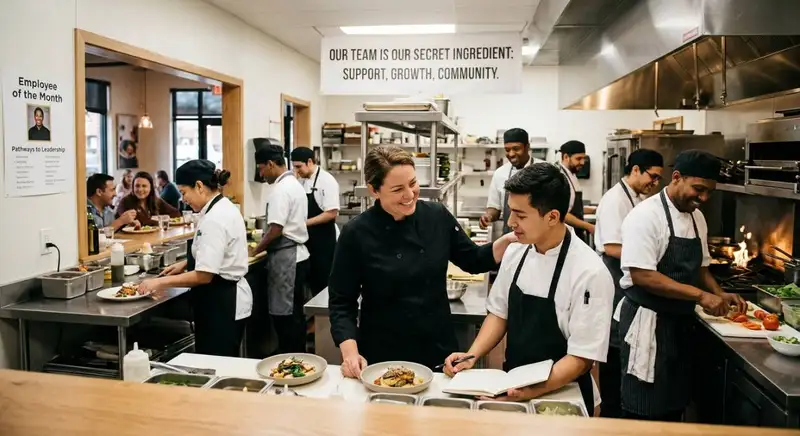
10 Employee Retention Strategies for Restaurant Owners
Restaurant owners can cut turnover by paying fairly, onboarding well, scheduling flexibly, promoting growth, recognizing effort, offering meaningful benefits, listening to feedback, and hiring carefully for fit.
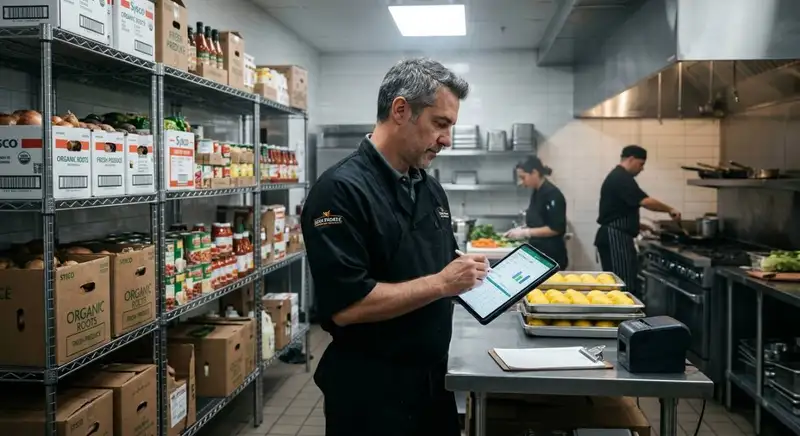
How to Reduce Supply Costs in Your Restaurant
Cut restaurant supply costs by understanding spending, auditing expenses, engineering menus, negotiating with suppliers, controlling inventory, reducing waste, and using technology to monitor everything continuously.
The Ultimate Guide to Managing Food Allergens in Restaurants
Food allergens require accurate labeling, employee training, cross-contact prevention, safe food handling, and consistent procedures to protect customers and improve restaurant safety.