What are employee management tools in a restaurant?
Employee management tools are systems that help managers schedule staff, track time and attendance, communicate updates, assign tasks, and support training - so shifts run consistently and accountability is clear.
Employee Management Tools for Restaurants

Overview
Becoming a new restaurant manager is one of the fastest ways to feel like you're juggling ten jobs at once. You're expected to keep the schedule covered, make sure everyone shows up on time, run clean handoffs between shifts, control labor costs, and still deliver great guest experiences - all while answering constant questions from the team. The problem isn't that you don't work hard. It's that without a system, you're forced to manage everything through memory, sticky notes, and last-minute texts.
That's where employee management tools come in. In a restaurant, these tools usually include scheduling, time and attendance, communication, task checklists, and training. They aren't "extra software" for the sake of technology - they're guardrails. They help you standardize how work gets assigned, tracked, and communicated so you're not reinventing the wheel every shift. Instead of chasing updates, you can see them. Instead of fixing payroll issues after the fact, you can prevent them. Instead of hoping side work gets done, you can track it.
Most importantly, employee management tools help new managers build consistency. When the restaurant runs on clear expectations and repeatable workflows, your team feels more confident, your shifts run smoother, and you spend less time putting out fires.
Scheduling Tools
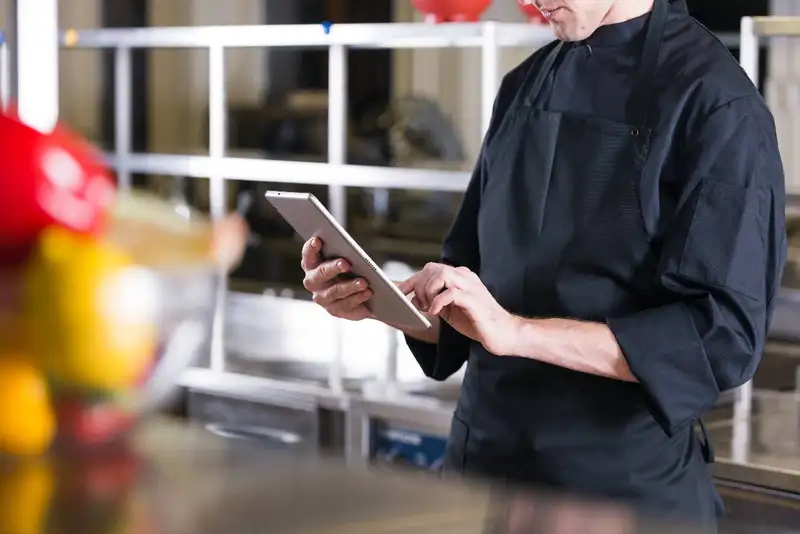
If you're a new restaurant manager, scheduling is usually the first place you feel pressure. The schedule touches everything - guest experience, labor cost, team morale, and your own sanity. That's why scheduling tools are often the most valuable "employee management tools" you can adopt early. The biggest benefit is more reliable coverage. Instead of guessing how many people you need, you can build schedules around sales patterns, dayparts, and role requirements (servers, cooks, prep, expo, cashier). When you consistently match staffing to demand, you reduce long ticket times, stressed employees, and manager interventions during the rush.
Scheduling tools also lead to fewer callouts and last-minute surprises. When staff can submit availability, request time off, and swap shifts through a structured workflow, you get fewer frantic texts and fewer "I thought I wasn't working" problems. Many tools also allow shift confirmations and reminders, which helps new managers reduce no-shows without playing phone tag.
Another major benefit is time savings and repeatability. Templates, copy-forward scheduling, and role-based rules mean you're not rebuilding the schedule from scratch every week. You can start with a proven framework, then adjust for events, seasonality, or staff changes. Finally, scheduling tools support better labor control. By comparing scheduled hours to targets, you can spot overstaffing before it hits payroll - without cutting corners or burning out your best people. Over time, a strong scheduling system helps you lead proactively instead of reacting shift to shift.

Time & Attendance Tools
Time and attendance is where small problems turn into big ones fast. A few missed punches, a handful of early clock-ins, or inconsistent break tracking can snowball into payroll corrections, frustrated employees, and compliance risk. For new restaurant managers, timekeeping tools are valuable because they help you prevent issues in real time, not just discover them after the week is over.
The first benefit is cleaner, faster payroll. When your system captures accurate punches and flags exceptions (missed punches, late clock-outs, long breaks), you spend less time reconstructing what happened. Instead of chasing people down with "What time did you come in on Tuesday?", you get a clear record that employees can review and managers can approve. That cuts down on disputes and builds trust - because the process feels consistent and fair.
Time & attendance tools also provide stronger accountability through audit trails. When a punch is edited, a good system shows who changed it, when it changed, and why. That transparency protects both the employee and the business. You're not relying on memory or informal notes; you have documentation.
Another major benefit is reducing time theft and schedule drift. Features like early/late punch restrictions, geofencing, photo capture, manager approvals, and rules for meal breaks help prevent habits that quietly inflate labor - like clocking in just a few minutes early every shift or stretching breaks during slow periods. Finally, timekeeping tools help you spot overtime and break-risk early. With the right alerts and dashboards, you can catch trends before they become payroll surprises, and you can coach employees while the issue is still fixable. For a new manager, that visibility is the difference between controlling labor and constantly apologizing for payroll problems.
Team Communication Tools
In most restaurants, communication problems don't look dramatic at first - they look like tiny gaps that add up. Someone didn't see the schedule update. A manager mentioned a change verbally, but half the team never heard it. A new promo started, but the team didn't get the details. Then you get the real cost - inconsistent execution, guest complaints, wasted product, and managers spending their shift repeating themselves. Team communication tools solve this by giving you one clear place to share updates, confirm they were seen, and keep shift information from getting lost in personal texts.
The biggest benefit is a single source of truth. When announcements, policy reminders, and shift updates live in one system, you're not relying on screenshots, group texts, or word-of-mouth. That reduces "I didn't know" and makes it easier to hold people accountable without sounding harsh - because the information is visible and consistent. Many tools also include read receipts or acknowledgements, which is a huge advantage for new managers who need clarity on whether a message actually landed.
Communication tools also create better shift handoffs. Instead of scribbled notes or a rushed verbal recap, you can document key items - 86'd products, staffing changes, equipment issues, prep priorities, and guest incidents. That means the next shift starts with context, not confusion. Another benefit is fewer interruptions during service. When the team knows where to check updates and how to ask questions, you spend less time being the human help desk and more time managing the floor.
Finally, these tools support healthier boundaries. When communication flows through a structured platform (instead of personal numbers), it's easier to keep messages organized, professional, and less intrusive after hours. For new managers, that structure helps you lead with confidence - and keeps the restaurant from running on chaos and constant texting.
Task & Checklist Tools

In a restaurant, consistency isn't about being rigid - it's about making sure the basics don't fall apart when things get busy. New managers often inherit a "tribal knowledge" operation where side work lives in someone's head, opening duties change depending on who's on shift, and closing standards slip when the team is tired. Task and checklist tools fix that by turning expectations into something visible, assigned, and repeatable. The biggest benefit is stronger standards without constant nagging. When tasks are clearly listed (with due times and owners), your team knows exactly what "done" looks like, and you don't have to repeat yourself 20 times a day.
These tools also reduce costly misses that create downstream problems. Think about common breakdowns- prep not finished before the rush, sanitizer not changed, line not stocked, bathrooms not checked, deliveries not put away properly, or closing cleaning skipped. A task system helps you prevent rework by catching small misses early - before they turn into long ticket times, quality issues, or a messy opening shift the next day. That matters a lot for new managers who are still learning what to watch and when.
Another major benefit is clear accountability with less drama. Instead of guessing who was supposed to do what, you can see task assignment and completion status. This makes coaching easier and fairer because feedback is tied to facts, not feelings. Many checklist tools also allow notes or photo verification for high-impact items (like closing line cleanliness or cooler temps), which helps you maintain standards even when you can't personally inspect everything.
Finally, task tools help managers manage time better. When you can see what's behind, what's completed, and what's still unassigned, you can shift priorities quickly - especially during slow periods - so your team stays productive without feeling overwhelmed. Over time, task and checklist tools build a culture where expectations are clear, routines are consistent, and your shifts run with fewer surprises.

Training & Onboarding Tools
For new restaurant managers, training is one of the hardest things to get right - because it competes with everything else. You're trying to run the shift, cover callouts, handle guest issues, and still bring new hires up to speed. Without a system, training becomes inconsistent - one person gets a thorough walk-through, another gets rushed shadowing, and everyone learns "the way we do it" a little differently. Training and onboarding tools fix that by creating a repeatable path from day one to competence, and the benefits show up quickly on the floor.
The first major benefit is faster ramp time. When training is broken into role-specific steps (POS basics, station setup, food safety, steps of service, closing routines), new hires progress with less guesswork. They aren't waiting for the "right" trainer to be available - they can follow a clear sequence and build confidence day by day. That reduces early mistakes, lowers stress, and makes it more likely they'll stay through the critical first few weeks.
Training tools also create consistency across shifts and trainers. Instead of relying on whoever is working that day to remember what to cover, you can standardize what trained means for each role. That's especially helpful in restaurants with multiple managers, rotating leads, or frequent hiring. Another key benefit is cross-training visibility. When you can track who is trained on which stations (and at what level), you can schedule smarter and cover gaps without panic - because you know who can step into prep, expo, or cashier when needed.
Onboarding tools also help with compliance and documentation. Certifications (like food handler permits or alcohol service training), policy acknowledgements, and required courses can be tracked in one place so you're not digging through emails or paper files. Finally, training tools make coaching easier over time. If performance slips, you can quickly identify whether it's a skill gap, missed training step, or unclear expectations - and respond with targeted refreshers instead of vague do better conversations. For a new manager, that structure is a huge advantage.
Performance and Engagement Tools
Restaurants don't just lose people because the work is hard - they lose people because expectations feel unclear, feedback feels random, and good effort goes unnoticed. For new managers, this is a common trap- you're moving fast, so coaching happens "in the moment," recognition becomes inconsistent, and documentation only happens when something goes wrong. Performance and engagement tools help you create a steadier, fairer management rhythm - and the benefits show up in both morale and retention.
The biggest benefit is clear expectations and fewer surprises. When goals, standards, and role responsibilities are documented, employees don't have to guess what good looks like. That reduces frustration and prevents the cycle where staff feel like the rules change depending on who's managing. Many tools also support quick check-ins or structured feedback, which helps you correct issues early without turning every conversation into a formal write-up.
Another major benefit is better coaching with less emotion. When you can log notes on performance, attendance patterns, training completion, or customer feedback, you don't have to rely on memory in the middle of a tough conversation. That's important for new managers, because the fastest way to lose trust is to coach inconsistently or only call people out when you're stressed. With a system, you can point to patterns and facts, and the conversation becomes about improvement - not personal conflict.
Engagement tools also help you recognize great performance consistently. A simple "shoutout" workflow, milestones, or peer recognition can go a long way in a high-stress environment. People stay longer when they feel seen - and when strong work is acknowledged, not treated as the baseline.
Finally, performance tools support fairness and risk reduction. Consistent documentation helps protect your team and the business by ensuring coaching and corrective actions are based on consistent standards. Over time, that consistency builds a healthier culture - employees know what's expected, managers coach the same way across shifts, and turnover becomes something you can actively reduce instead of constantly replacing.
Reporting & Insights
Most new restaurant managers spend their first few months reacting - fixing coverage gaps, chasing missed punches, putting out communication fires, and trying to keep the shift moving. Reporting and insights tools help you shift from reactive management to proactive management by showing you what's happening across scheduling, attendance, labor, and team performance in one place. The biggest benefit is early visibility. Instead of discovering problems at the end of the week (or after payroll), you can spot trends while there's still time to correct them - like consistent late arrivals on a certain daypart, rising overtime risk, or departments that are regularly understaffed.
These insights also lead to better labor decisions. When you can compare scheduled hours vs. actual hours, see labor vs. sales, and track productivity by role or shift, you stop relying on gut feel. That doesn't mean running the restaurant like a spreadsheet - it means making smarter adjustments that protect both guest experience and profit. For example, you can identify when the team is routinely staying late due to poor prep timing, or when you're overstaffing slow periods because the schedule template hasn't been updated.
Another key benefit is consistent accountability across shifts. Reporting makes it easier to evaluate performance fairly between dayparts and managers because everyone is measured against the same standards. It also supports better coaching - if a team is struggling, you can pinpoint the root cause (training gaps, scheduling patterns, attendance issues) instead of guessing. Finally, insights tools support continuous improvement. A simple weekly review of top exceptions and trends helps you fine-tune processes over time, so problems shrink instead of repeating.
Use Altametrics as Your All-in-One Workforce Management Tool
If you're a new restaurant manager, the fastest way to reduce daily chaos is to run your workforce from one connected system - not scattered texts, spreadsheets, and disconnected apps. Altametrics is an all-in-one workforce management platform built for restaurants, bringing the key tools together in one place - scheduling, time & attendance, labor visibility, and team-level accountability.
With Altametrics, you can spend less time chasing information and more time leading your team - because you have the structure to build consistent schedules, track time accurately, and manage labor proactively.

Must-Read Content
Time tracking for restaurant
Beginner's Guide to Time Tracking for Restaurant Owners

Guide to workforce management
Guide to Workforce Management for Restaurants

Employee hours
How to Forecast Employee Hours for a Hotel

Restaurant employee time
Restaurant Employee Time Tracking Made Simple

Employee attendance tracking
7 Must-Have Policies for Employee Attendance Tracking in Restaurants
Frequently Asked Questions
How do timekeeping tools reduce payroll problems?
They flag missed punches, track break compliance, restrict early/late clock-ins, and keep audit trails for edits - reducing manual fixes and employee disputes at the end of the pay period.
What are performance and engagement tools used for in restaurants?
They help managers document coaching, set expectations, recognize strong performance, and spot patterns early - creating fairer management and improving retention.
What features should I look for in scheduling tools for restaurants?
Role-based scheduling, availability and time-off tracking, shift swaps, schedule templates, labor targets, mobile access, and approval workflows.
What features matter most in time & attendance tools?
Missed punch workflows, manager approvals, break tracking, overtime alerts, early/late punch controls, audit trails for edits, and easy reporting.