

Importance of Culinary Art Positions in Hospitality Industry
If you are searching for a talented chef, partnering with a reputable staffing agency can be one option to find qualified candidates. Additionally, online hiring platforms are becoming increasingly popular, such as Indeed restaurant jobs which let restauranteurs post a variety of chef positions with varying skill requirements and responsibilities. The hospitality industry provides various work settings, with different positions available from line cook to executive chef. There are many different types of chef jobs. Some of the most common are sous chef, executive chef, chef de partie, pastry chef, and line cook. Working in this industry offers opportunities for career progression to become an executive chef. Each type of culinary position requires unique skills and knowledge, making it important for aspiring chefs to choose a specialty that matches their interests and talents. The importance of chef jobs in the food industry cannot be overstated, as they are responsible for creating and executing menus that are not only delicious but also safe and healthy for consumers.
While attending culinary school can provide this valuable knowledge and training, it's not always necessary for a chef to have a degree. In fact, many successful chefs have learned their craft through apprenticeships and self-study such as Gordon Ramsay. He learned his craft through on-the-job training. Consider the unique needs and goals of your restaurant and find the culinary professionals who are the best fit for your team. Ultimately, they must have extensive knowledge about food safety, proper cooking techniques, and the latest culinary trends, as their reputation and skills can significantly impact a business's success. They need to continuously improve their skills and keep up with the latest developments in the industry to create innovative and exciting dishes.
The Ultimate Recipe for Culinary Harmony
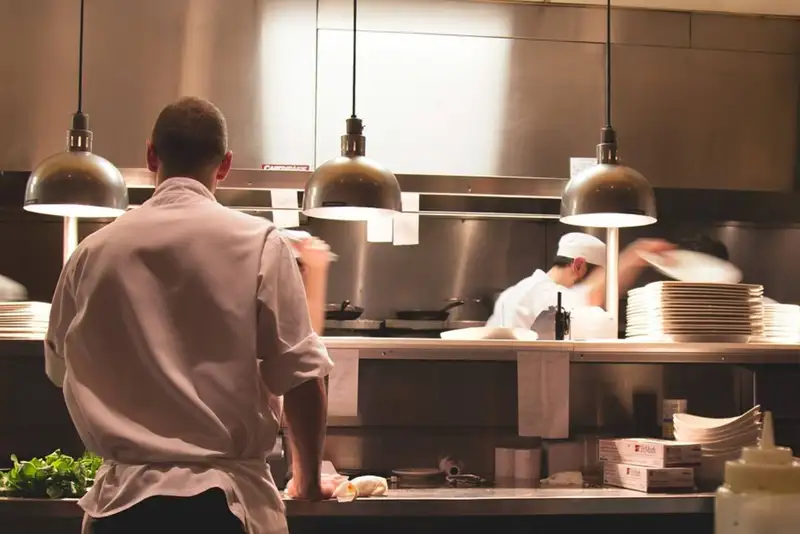
By understanding the unique skills and knowledge required for each role, you can build a cohesive kitchen team that communicates effectively, collaborates on tasks, and delivers high-quality cuisine to your customers. That is an important detail since the culinary professionals' reputation and skills can significantly impact your business's success, making it important to invest in their training and development to keep up with the latest culinary trends and maintain a strong online presence. By knowing each chef's function, you can better manage your kitchen and ensure that your team works together cohesively to create high-quality dishes.
One critical aspect of teamwork in a kitchen is effective communication. In a fast-paced environment, communication is key to ensuring that dishes are prepared correctly and served on time. Chefs must be able to communicate quickly and clearly, informing each other of any issues or challenges that arise during service. By doing so, they can work together to solve problems efficiently and minimize disruptions to service. As a restaurant owner, you can promote effective communication by encouraging open communication and providing them with the tools and resources they need to do so effectively.
Effective communication leads to successful teamwork in the kitchen, which is the key to working together, supporting each other when necessary, and collaborating on tasks such as menu development. By sharing their ideas and expertise, they can create a cohesive and innovative menu that appeals to customers. To support and create such an environment as a restaurant owner, you can promote collaboration by fostering a supportive and inclusive workspace that encourages chefs to share their ideas and work together to create a successful kitchen.
Innovative Restaurant Software Solutions
Modernize Your Recruitment Process with Altametrics
Qualities of a Great Chef
Chefs are creative problem-solvers, thrive in high-pressure environments, and are constantly seeking new ways to improve their craft, thus always looking for ways to push the boundaries of their profession and elevate the dining experience for their customers. Whether it's developing a new menu item or collaborating with other chefs, their drive to innovate is what sets them apart. By hiring and cultivating these exceptional professionals, restaurant owners can ensure that their establishment is offering the highest quality of cuisine and service to their customers.
Culinary jobs require a specific set of skills and tasks. Some of the most frequently encountered positions and their responsibilities include-
Executive chef- The executive chef is the head chef of a restaurant or other foodservice establishment. They are responsible for overseeing the entire kitchen operation, including menu development, food safety, and staff training.
Sous chef- The sous chef is the second-in-command to the executive chef. They are responsible for assisting the executive chef with all aspects of the kitchen operation as well as filling in for them when they are not available.
Chef de partie- A chef de partie is a chef who is responsible for a specific station in the kitchen, such as the grill, the fryer, or the salad station. They are responsible for preparing all of the food that comes out of their station as well as ensuring that the station is clean and organized.
Pastry chef- A pastry chef is a chef who specializes in making desserts, pastries, and other sweet treats. They are responsible for developing new recipes, creating beautiful presentations, and ensuring that all of the desserts are made to perfection.
Culinary consultant- A culinary consultant provides advice and expertise to restaurants, hotels, and other foodservice establishments. They may be involved in menu development, food safety training, or staff training.
Their creativity is what sets them apart from their peers. The mastery of culinary skills they possess enables them to produce consistently high-quality dishes with meticulous attention to every detail. They inspire and motivate their team members by setting a positive example, guiding them through challenges, and delegating tasks efficiently.
Challenges of Being a Chef
Their involvement and responsibility are not limited to the kitchen. Culinary professionals' involvement and commentary when it comes to customer satisfaction are crucial as well. The culinary department plays a significant role in achieving this by taking feedback and criticism constructively and addressing complaints professionally so that they can adapt menus to meet customer demands. This requires excellent communication skills and the ability to be flexible and adaptable. It's important to communicate expectations effectively, delegate tasks efficiently, and resolve conflicts promptly to protect your restaurant's reputation.
Presenting a supportive work culture by recognizing and addressing the challenges culinary professionals face is crucial. High pressure and long working hours in the culinary department can lead to burnout. Not just mentally, this sector and department can also be physically demanding, with having to stand for long periods of time and lift heavy pots, causing fatigue and pain. As a restauranteur, you can show your care by offering professional development, fair compensation, and benefits to attract and retain a skilled and motivated team. Remember that if the staff can move past all the responsibility and stress, restaurant operations will run smoothly.
While culinary professionals are passionate about creating innovative dishes, they must also consider the financial viability of the restaurant. Finding ways to balance their creativity with the need to run the kitchen efficiently and profitably is essential for the success of the restaurant. Achieving this delicate balance can be challenging, but with dedication, chefs can create menus that satisfy their creative desires while ensuring the restaurant's financial stability. Despite the challenges, for those who are passionate about the culinary arts, the rewards of the job can be well worth it.
Benefits of Being a Chef
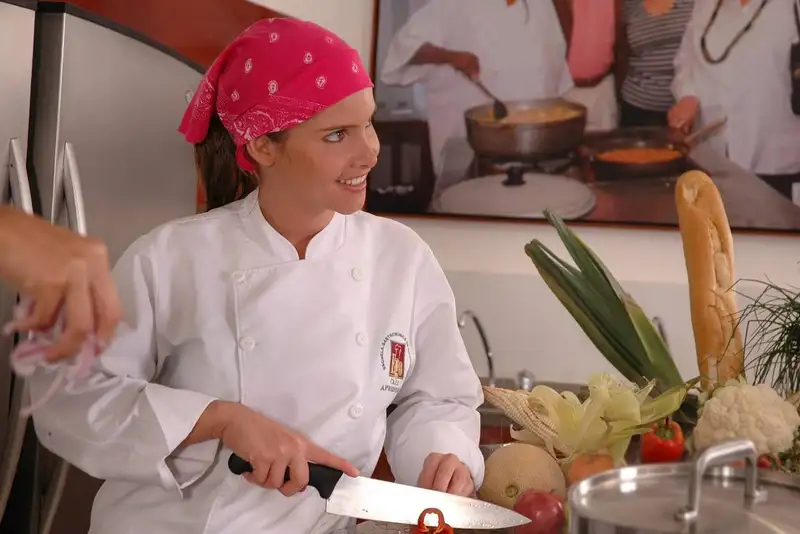
As opposed to a variety of different fields, the culinary arts have the unique opportunity to express their creativity through their dishes, experimenting with new ingredients, flavors, and techniques. This creative freedom can lead to job satisfaction, as they'd be able to see their ideas come to life and receive positive feedback from customers. This rare touch to the food you serve can be the primary focal point of your restaurant. Coming up with different ideas and special menus is not easy. To keep the restaurant updated with the trends, all the staff should be required to follow and keep track of them, but chefs need to pay extra attention to them.
Working in such a versatile branch involves continuous learning and development, both personally and professionally. The restaurant's culinary professionals must keep up with new culinary trends, ingredients, and techniques and attend culinary workshops, classes, and conferences to stay current. This continuous learning can make the job fulfilling and rewarding. However, the constant need to be aware and the demands the job brings can be too much for some people. To avoid such scenarios as unoriginal menus and accustomed flavors, restaurants can consider the option of working with part-time, seasonal, or even freelance professionals, allowing for a better work-life balance and a better reputation.
Benefiting from these options, restaurant owners can encourage and support the growth and development of the culinary department, simultaneously leading to a more motivated and skilled team. Creating a positive work culture that benefits both the staff and the restaurant as a whole can attract and retain talented culinary professionals. Ensuring that restaurant owners can support the growth and development of their culinary department in many ways, such as by providing ongoing training and education, which can help the team members acquire new skills and stay up-to-date with industry trends. Ultimately, this leads to a more skilled and motivated team, improving the quality of food and service, and enhancing the restaurant's reputation and customer loyalty.
Discover Top Talent For Your Restaurant
Experience The Difference with Altametrics
Technology and the Future of Chef Jobs
As many restaurants now offer delivery and takeout services, online food delivery platforms have opened up new job opportunities for chefs as well. Some culinary professionals have started their own delivery-only businesses. Partnering with these platforms expands the reach of your restaurant and creates additional revenue streams. Moreover, virtual cooking classes have become increasingly popular with the rise of online learning. Through this, chefs can offer their expertise to a wider audience and promote the restaurant's brand while generating additional income.
It's evident that technology is changing the way the restaurant industry works and interacts with its customers. By investing in these opportunities and the latest kitchen technology, restaurant owners can provide their culinary arts professionals with the necessary resources to create exceptional dishes while streamlining their operations. Adapting to these innovations can not only benefit your chefs but also help your business thrive in the ever-changing food industry.
Staying Current with the Latest Culinary Trends and Techniques
Staying current with the latest culinary trends and techniques is crucial for the success of your restaurant and a way for you to achieve this growth. Encouraging your chefs to attend culinary events, conferences, and workshops is an excellent way to achieve this goal. By doing so, they can learn from other professionals, acquire the latest techniques and equipment, and build relationships with suppliers and potential investors. Supporting your team's professional development is essential for their career growth and your business's long-term success. Additionally, getting involved with culinary associations and organizations can provide your restaurant with resources, support, and mentorship opportunities to stay involved in the industry. So, invest in your chefs and your restaurant's reputation by staying engaged in the industry and considering involvement in culinary associations and organizations.
To advance your brand and vision, your culinary team needs to have a combination of culinary skills, business acumen, and dedication. Entrepreneurship and business skills are also important if you wish to succeed in the culinary industry. They should have an understanding of financial management, marketing, and customer service. Therefore, being well informed, continuing education, and professional development are also important for chefs who want to stay competitive and get their restaurant recognized in the industry.
Staying current with the latest industry developments, networking with the correct people, and continuously improving skills can help chefs stand out in a crowded field and open up new opportunities for career advancement. By investing in their education and professional development, culinary professionals can build a strong foundation for a successful and fulfilling career in the culinary industry and help the restaurant get the recognition it deserves.
The Importance of Investing in Your Culinary Team
One of the most important is to provide them with the training and development they need to succeed. This could include sending them to culinary school, attending industry events, or taking online courses. By investing in their education, you'll be giving your chefs the skills they need to create even more delicious food.
Another important way to invest in your culinary team is to create a positive work environment. This means fostering a sense of teamwork, respect, and appreciation. When your chefs feel valued and appreciated, they're more likely to be happy and productive at work.
Finally, it's important to offer your culinary team competitive compensation and benefits. This will help you attract and retain top talent. When your chefs are happy with their pay and benefits, they're more likely to stay with your restaurant for the long haul.
By following these tips, you can build a strong and motivated culinary team that will help you achieve your business goals. Here are some additional benefits of investing in your culinary team.
Improved food quality
When chefs are given the opportunity to learn and grow, they're more likely to create innovative and delicious dishes. This can lead to increased customer satisfaction and repeat business.
Increased efficiency
When chefs are well-trained and have the right tools, they can work more efficiently. This can free up your time to focus on other aspects of your business.
Reduced turnover
When employees feel valued and appreciated, they're less likely to leave your company. This can save you time and money on recruiting and training new employees.
Overall, investing in your culinary team is a smart business decision. By providing them with the training, development, and support they need, you can create a team that will help you achieve your business goals.
Simplify Your Recruitment Process
Streamline Your Hiring Process with Altametrics
Frequently
Asked Questions
What is an average compensation for an Executive Chef?
Who is the youngest Executive Chef in the US?
Who are the most famous chefs without a culinary degree?
- Anthony Bourdain
- Gordon Ramsay
- Jamie Oliver
- Wolfgang Puck
- Rachel Ray
What is the most expensive dish in the world?
Must-Read Content
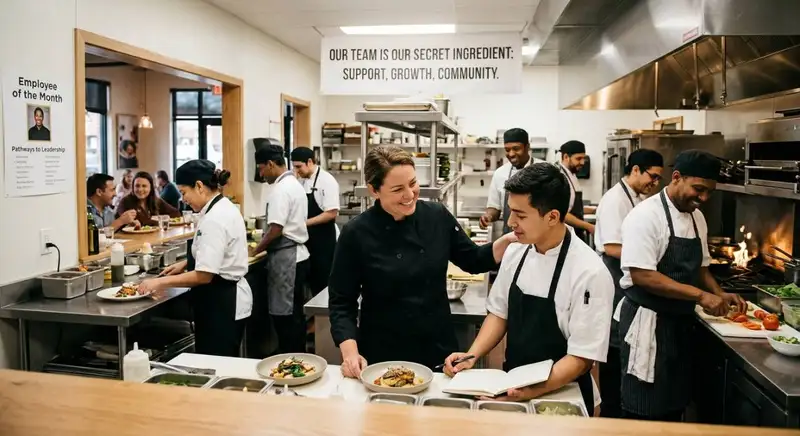
10 Employee Retention Strategies for Restaurant Owners
Restaurant owners can cut turnover by paying fairly, onboarding well, scheduling flexibly, promoting growth, recognizing effort, offering meaningful benefits, listening to feedback, and hiring carefully for fit.
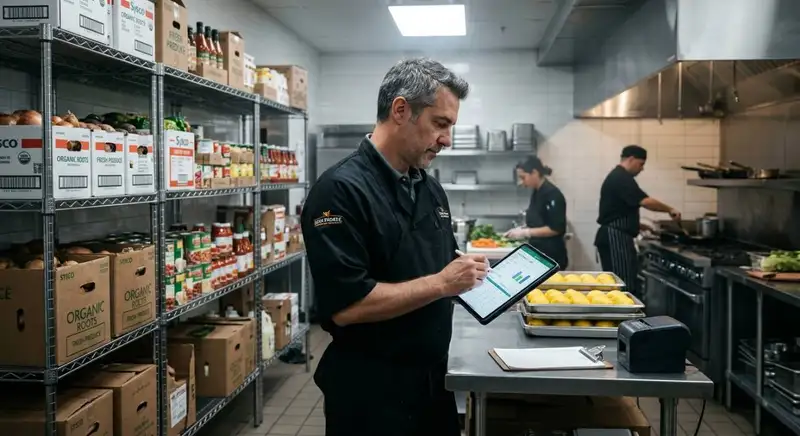
How to Reduce Supply Costs in Your Restaurant
Cut restaurant supply costs by understanding spending, auditing expenses, engineering menus, negotiating with suppliers, controlling inventory, reducing waste, and using technology to monitor everything continuously.

The Ultimate Guide to Managing Food Allergens in Restaurants
Food allergens require accurate labeling, employee training, cross-contact prevention, safe food handling, and consistent procedures to protect customers and improve restaurant safety.