



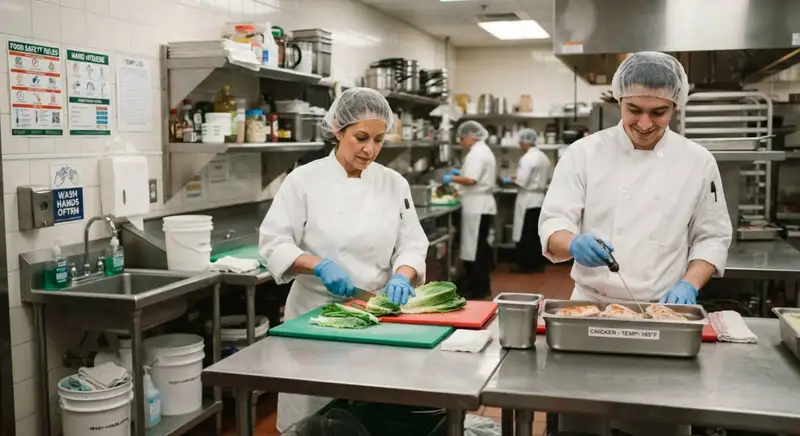
Overview
Even small mistakes can result in food safety violations. Improper food storage, inadequate handwashing, incorrect cooking temperatures, and poor cleaning procedures are among the common problems inspectors look for. These issues can increase the risk of foodborne illness, damage a restaurant's reputation, and lead to fines, corrective actions, lower inspection scores, or temporary closures, depending on the severity of the violation and local regulations.
For restaurant owners, understanding these violations is essential for maintaining consistent food safety standards. Waiting until an inspection to identify problems can leave employees unprepared and create unnecessary operational disruptions. Instead, owners and managers should regularly evaluate kitchen procedures, monitor food handling practices, and ensure employees understand their responsibilities.
Preventing food safety violations requires more than keeping the kitchen clean. It involves establishing clear procedures for food storage, temperature monitoring, employee hygiene, sanitation, and ingredient handling. By identifying common inspection violations and addressing them through daily management practices, restaurant owners can reduce food safety risks and maintain a safer environment for employees and customers.
Improper Food Storage and Temperature Control
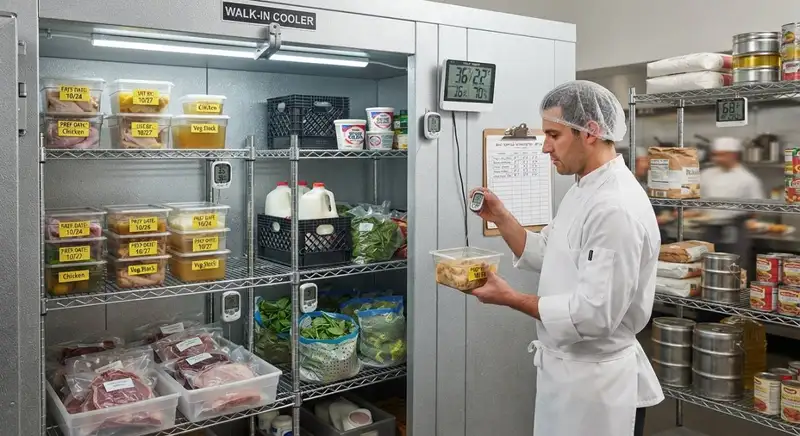
Health inspectors pay close attention to refrigeration units, freezers, food preparation areas, and hot-holding equipment to verify that restaurants follow applicable temperature requirements.
Some common temperature and food storage violations include -
1. Incorrect refrigeration temperatures. Refrigerators that operate above safe temperature limits can allow bacteria to grow. Restaurants should regularly monitor refrigeration units and maintain cold food at 41F (5C) or below, where required by applicable food codes.
2. Improper hot and cold food holding. Cold foods left at room temperature or hot foods maintained below required holding temperatures can become unsafe. Under the FDA Food Code, cold holding is generally 41F (5C) or below, while hot holding is 135F (57C) or above.
3. Insufficient cooking temperatures. Cooking meat, poultry, seafood, and other potentially hazardous foods without reaching their required internal temperatures can leave harmful pathogens alive. Employees should use calibrated food thermometers rather than relying on appearance or cooking time.
4. Incorrect food storage arrangements. Storing raw meat, poultry, or seafood above ready-to-eat foods can cause cross-contamination through dripping liquids. Ingredients should be organized according to their required storage conditions and contamination risks.
5. Missing temperature monitoring records. Failing to document temperature checks can make it difficult for managers to verify that food has been stored and handled safely throughout the day.
How to prevent these violations
Restaurant owners should establish consistent temperature monitoring procedures across all food storage and preparation areas. Managers can assign employees to check refrigeration units, verify cooking temperatures, and monitor hot and cold holding equipment at designated intervals.
Using calibrated thermometers is equally important. Employees should know how to measure internal food temperatures correctly and understand the required temperature limits for different food categories.
Additionally, restaurants should organize refrigeration units to separate raw ingredients from ready-to-eat foods, label stored products, and follow the FIFO (First In, First Out) method to rotate inventory.
Maintaining accurate temperature logs and conducting routine equipment checks help managers identify problems before they become serious food safety violations. Consistent monitoring also makes it easier to demonstrate that proper food handling procedures are being followed during health inspections.
Note - Temperature requirements can vary by food type and jurisdiction. The figures above reflect general FDA Food Code standards for cold and hot holding; cooking requirements depend on the specific food.
Elevate Food Safety, Simplify Compliance!
Experience Seamless Food Safety with Altametrics!
Cross-Contamination During Food Preparation
Health inspectors examine how restaurants handle raw ingredients, prepare ready-to-eat foods, clean equipment, and organize kitchen workstations. Even when ingredients are fresh, unsafe handling practices can introduce contaminants and make food unsafe to serve.
Some common cross-contamination violations include -
1. Using the same cutting boards for different foods. Preparing raw meat, poultry, seafood, and vegetables on the same cutting board without proper cleaning and sanitizing can transfer harmful bacteria between ingredients.
2. Storing raw and ready-to-eat foods together. Placing raw meat above prepared foods in refrigerators can allow contaminated liquids to drip onto ingredients that will not receive further cooking.
3. Reusing contaminated kitchen utensils. Using knives, tongs, serving spoons, or other equipment for multiple ingredients without proper cleaning can spread bacteria and allergens.
4. Improper food handling practices. Employees who handle raw ingredients and immediately move to preparing salads, sandwiches, or other ready-to-eat foods without washing their hands can contaminate food.
5. Inadequate cleaning of preparation surfaces. Countertops, food preparation stations, and equipment that are not properly cleaned and sanitized between tasks can become sources of contamination.
How to prevent cross-contamination
Restaurant owners should establish clear food separation procedures throughout kitchen operations. One effective approach is to designate specific preparation areas, cutting boards, and utensils for different food categories. This helps employees avoid using equipment that may have come into contact with raw ingredients.
Proper food storage organization is equally important. Raw poultry, seafood, and meat should be stored below ready-to-eat foods in refrigeration units to prevent dripping and accidental contamination. Restaurants should also use properly covered and labeled food containers to maintain separation.
Employee training plays an important role in preventing cross-contamination. Staff members should understand when to wash their hands, change gloves, clean equipment, and sanitize food-contact surfaces before switching between preparation tasks.
Finally, managers should regularly inspect food preparation stations and reinforce safe handling procedures during daily operations. Consistent monitoring helps identify unsafe practices before they result in food safety violations or customer health risks.
Poor Employee Hygiene and Improper Handwashing
During restaurant health inspections, inspectors observe employee behavior and evaluate whether staff members follow proper hygiene and handwashing procedures. Even when a restaurant maintains clean equipment and organized workstations, poor employee hygiene can result in significant food safety violations.
Some common employee hygiene violations include -
1. Inadequate handwashing. Employees who fail to wash their hands before handling food, after using the restroom, or after touching contaminated surfaces can transfer harmful microorganisms to ingredients and equipment.
2. Improper glove usage. Wearing disposable gloves does not eliminate the need for handwashing. Employees who reuse gloves, handle multiple food types with the same pair, or fail to change gloves when necessary can spread contaminants.
3. Poor personal hygiene. Dirty uniforms, unrestrained hair, and improper handling of personal items can create additional contamination risks in food preparation areas.
4. Working while sick. Employees experiencing symptoms such as vomiting, diarrhea, or other illnesses that can spread through food handling may contaminate ingredients and expose customers to foodborne pathogens.
5. Touching food with contaminated hands. Handling money, phones, cleaning supplies, or garbage before returning to food preparation without proper handwashing can introduce contaminants into the kitchen.
How to prevent employee hygiene violations
Restaurant owners should establish clear personal hygiene requirements and ensure every employee understands proper food handling responsibilities. Handwashing stations should remain accessible, properly supplied with soap and disposable towels, and available for employees throughout their shifts.
Managers should also provide regular training on when and how to wash hands. Employees need to understand that handwashing is necessary before starting food preparation, after handling raw ingredients, after using the restroom, after touching their face or hair, and whenever their hands may have become contaminated.
Glove policies should be equally clear. Employees must wash their hands before putting on gloves and change them whenever they become contaminated, damaged, or when switching tasks that require a fresh pair.
Additionally, restaurant managers should establish procedures for reporting employee illnesses and restricting or excluding sick workers when required by applicable food safety regulations.
Consistent supervision and employee training help reinforce proper hygiene practices. By making personal cleanliness and handwashing part of everyday kitchen operations, restaurant owners can reduce contamination risks and avoid preventable health inspection violations.
Inadequate Cleaning and Sanitizing Procedures
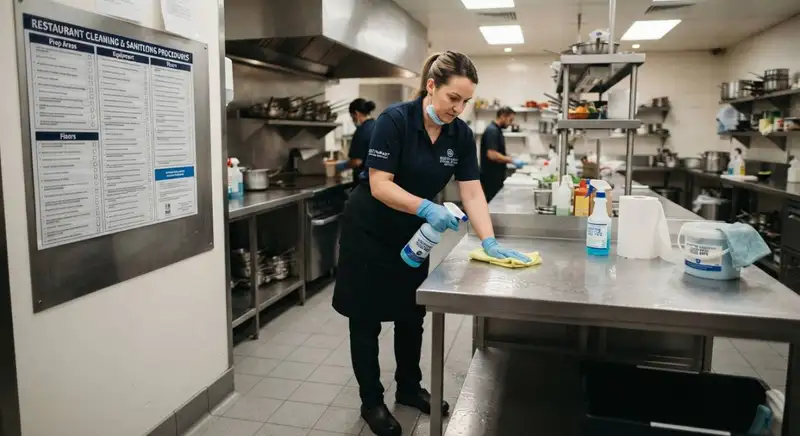
Cleaning removes visible dirt, grease, food particles, and other debris from surfaces. Sanitizing reduces harmful microorganisms to acceptable levels. Restaurants must follow appropriate cleaning and sanitizing procedures to ensure that food-contact surfaces, utensils, and equipment remain safe for food preparation.
During health inspections, inspectors often examine kitchen workstations, dishwashing areas, food preparation equipment, and cleaning supplies to identify sanitation problems.
Some common cleaning and sanitizing violations include -
1. Failing to clean food-contact surfaces. Countertops, cutting boards, preparation tables, and other surfaces that come into contact with food can accumulate bacteria and food residue when employees do not clean them properly between tasks.
2. Incorrect sanitizer concentrations. Using too much or too little sanitizing solution can make the process ineffective or unsafe. Employees must prepare sanitizers according to manufacturer instructions and verify concentrations using appropriate test strips.
3. Improper dishwashing procedures. Failing to maintain the required water temperatures, sanitizer concentrations, or contact times during dishwashing can leave harmful microorganisms on utensils and kitchen equipment.
4. Neglecting high-touch surfaces and equipment. Refrigerator handles, faucet controls, door handles, and food preparation equipment can become contaminated when cleaning schedules do not address frequently touched areas.
5. Improper storage of cleaning supplies. Storing chemicals near food, ingredients, utensils, or food-contact equipment can create contamination risks. Cleaning products should be clearly labeled and stored separately from food and food preparation materials.
How to prevent cleaning and sanitizing violations
Restaurant owners should establish written cleaning and sanitizing schedules that identify what needs to be cleaned, how frequently tasks must be completed, and which employees are responsible. Food-contact surfaces should be cleaned and sanitized between uses, particularly when employees switch between raw and ready-to-eat ingredients.
Managers should also ensure that employees understand the correct procedures for preparing and using sanitizing solutions. Providing sanitizer test strips and training staff to verify chemical concentrations can help prevent ineffective sanitation practices.
Dishwashing equipment requires regular monitoring as well. Employees should follow the manufacturer's instructions and applicable health code requirements for water temperatures, chemical concentrations, and sanitizing contact times.
Finally, managers should conduct routine kitchen inspections to verify that cleaning tasks are completed properly. Using daily sanitation checklists can help track responsibilities, identify missed tasks, and maintain consistent cleaning standards throughout restaurant operations.
Consistent cleaning and sanitizing practices help restaurant owners reduce contamination risks, maintain healthier kitchen environments, and prepare for health inspections.
Create, Implement, and Execute Multiple Daily Checklists
Streamline Your Operations with Altametrics
Improper Food Labeling, Date Marking, and Food Handling
During health inspections, inspectors examine refrigerators, freezers, storage containers, and food preparation areas to verify that ingredients are properly labeled, stored, and handled. Missing labels, expired products, and improper thawing practices can all result in food safety violations.
Some common food labeling and handling violations include -
1. Missing food labels. Storing prepared ingredients in containers without identifying their contents can make it difficult for employees to determine what they are handling and whether the food is safe to use.
2. Incorrect date marking. Failing to record preparation dates or discard dates can result in employees using ingredients beyond their permitted storage periods. Under the FDA Food Code, refrigerated ready-to-eat time/temperature control for safety foods generally require date marking when held for more than 24 hours, with a maximum of seven days at 41F (5C) or below.
3. Using expired or spoiled ingredients. Keeping ingredients beyond their usable dates or failing to recognize signs of spoilage can create food safety risks and lead to inspection violations.
4. Improper thawing practices. Leaving frozen meat, poultry, or seafood at room temperature to thaw can allow harmful bacteria to multiply. Restaurants should use approved thawing methods, such as refrigeration or other methods permitted by applicable food safety regulations.
5. Poor inventory rotation. Failing to rotate ingredients can leave older products unused while newer inventory is consumed first. This increases the likelihood of expired or deteriorating ingredients remaining in storage.
How to prevent food labeling and handling violations
Restaurant owners should establish standardized labeling procedures for all prepared and stored ingredients. Food containers should include the product name and relevant preparation, opening, or discard dates when required. Employees should understand how to identify ingredients and follow established storage guidelines.
Implementing the FIFO (First In, First Out) method can also improve food rotation. Employees should organize storage areas so older ingredients are used before newer deliveries, provided the products remain safe and within their permitted storage periods.
Regular inventory inspections are equally important. Managers should check refrigerators, freezers, and dry storage areas for expired products, missing labels, damaged packaging, and improper storage conditions. Any ingredients that are unsafe or no longer suitable for use should be discarded according to food safety procedures.
Finally, restaurants should train employees on proper thawing, storage, and food handling practices. Clear labeling standards and routine inventory checks help reduce waste, prevent unsafe food handling, and maintain compliance with applicable health regulations.
How to Prevent Food Safety Violations in Restaurants
One of the most effective ways to maintain food safety is to establish routine monitoring procedures that help identify problems before they become serious violations. By assigning responsibilities, conducting internal inspections, and documenting completed tasks, restaurants can maintain better control over kitchen operations.
Here are several practical strategies restaurant owners can use to prevent food safety violations -
1. Conduct regular internal health inspections. Managers should routinely examine food preparation areas, refrigeration units, storage spaces, and sanitation stations. Using an internal inspection checklist helps identify potential violations before an official inspection.
2. Monitor food temperatures consistently. Employees should check refrigeration equipment, hot-holding units, and cooking temperatures at designated intervals. Maintaining accurate temperature logs helps managers identify equipment problems and unsafe food handling practices.
3. Establish employee food safety training. Employees should understand proper handwashing, glove usage, food storage, cross-contamination prevention, and sanitation procedures. Regular training helps ensure that everyone follows the same food safety standards.
4. Create daily cleaning and sanitation checklists. Assign specific cleaning responsibilities to employees and establish clear completion schedules. Managers should verify that food-contact surfaces, kitchen equipment, utensils, and preparation areas are cleaned and sanitized correctly.
5. Maintain proper food labeling and inventory rotation. Establish procedures for labeling prepared ingredients, tracking discard dates, and rotating inventory. Regular storage inspections help prevent expired products and improper food handling.
6. Use digital tools to monitor food safety tasks. Digital checklists and food safety monitoring systems can help managers assign responsibilities, track task completion, and identify unresolved issues. These tools provide better visibility into daily procedures and make it easier to maintain consistent standards across restaurant locations.
Make food safety part of everyday restaurant operations
Restaurant owners should treat food safety as an ongoing management responsibility rather than an occasional inspection requirement. Managers need to communicate expectations clearly, monitor employee performance, and address problems as soon as they arise.
Technology can also help simplify these responsibilities. For example, digital food safety checklists allow managers to assign recurring tasks, document completion, and monitor whether employees follow established procedures. Temperature monitoring solutions can provide additional visibility into refrigeration and food storage conditions.
By combining employee training, routine inspections, documented procedures, and consistent monitoring, restaurant owners can reduce preventable food safety violations and maintain better inspection readiness.
Empower Your Workforce!
Ensure Compliance with Altametrics!
Frequently
Asked Questions
How can restaurants prevent cross-contamination?
What is the best way to maintain restaurant health inspection readiness?
What are the most serious food safety violations in restaurants?
How can technology help restaurants prevent food safety violations?
Must-Read Content
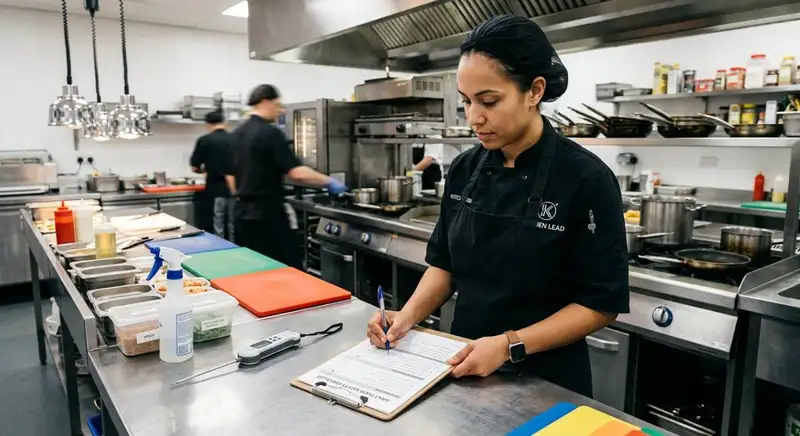
Restaurant Food Hygiene Checklist - Daily, Weekly, and Monthly Tasks
Find out how to establish effective cleaning routines, assign employee responsibilities, document inspections, and maintain a hygienic restaurant environment.

The Ultimate Guide to Managing Food Allergens in Restaurants
Food allergens require accurate labeling, employee training, cross-contact prevention, safe food handling, and consistent procedures to protect customers and improve restaurant safety.
The Most Common Restaurant Health Code Violations
Identify health code violations across major restaurant operations and learn how consistent inspections, training, sanitation, and documentation can reduce risks.

