



The Importance of Efficient Kitchen Operations
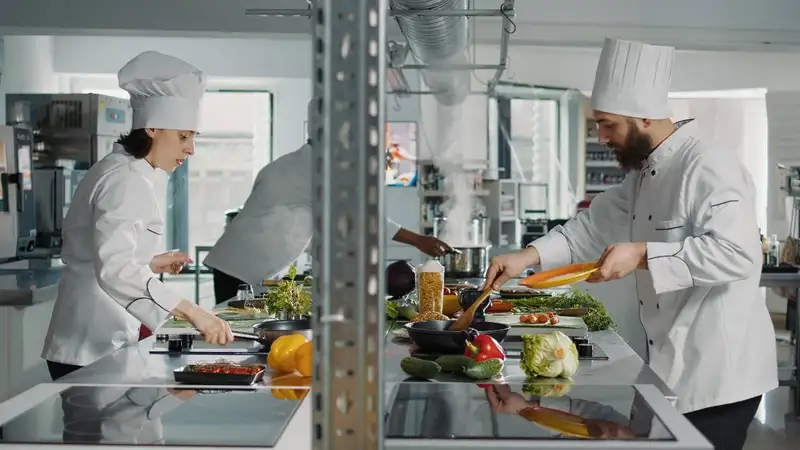
Poor kitchen efficiency often becomes more noticeable during lunch and dinner rushes. Ingredients may not be ready when needed, employees may compete for the same equipment, and orders can pile up faster than kitchen staff can prepare them. These problems create bottlenecks that increase ticket times, contribute to order mistakes, and put unnecessary pressure on employees.
For restaurant owners, improving kitchen efficiency is not simply about making employees work faster. It requires creating processes that help the entire kitchen operate smoothly under pressure. This includes organizing workstations, preparing ingredients before service, assigning clear responsibilities, and establishing effective communication between kitchen employees.
Technology also plays an important role in managing busy kitchen operations. Digital ordering systems, kitchen display systems, inventory management tools, and workforce management solutions can help restaurant managers coordinate tasks, monitor resources, and identify operational problems before they disrupt service.
Improving restaurant kitchen efficiency during peak hours requires a combination of preparation, employee coordination, and effective workflow management. By addressing these areas, restaurant owners can reduce unnecessary delays, manage high order volumes, maintain food quality, and provide more consistent service without overwhelming their kitchen teams.
Organize Kitchen Stations to Improve Workflow
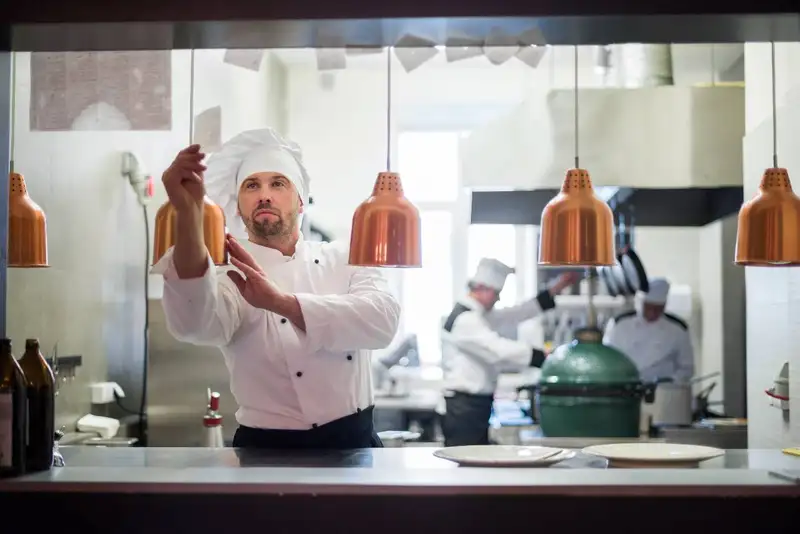
Restaurant owners should organize kitchen stations around the sequence of food preparation and the responsibilities assigned to each employee. A clear station layout allows kitchen staff to focus on specific tasks while maintaining a steady flow of orders.
Here are several ways to organize kitchen stations for better efficiency -
1. Assign Dedicated Responsibilities to Each Station. Divide kitchen operations into specific stations, such as food preparation, grilling, frying, pantry, and plating. Assign employees to these areas based on their skills and expected workload. Clear station responsibilities prevent employees from duplicating tasks or leaving important duties unattended.
2. Position Frequently Used Ingredients and Equipment Within Reach. Store commonly used ingredients, utensils, cutting boards, and cooking equipment near the stations where they are needed. For example, keep frequently used seasonings near the cooking line and plating supplies close to the finishing station. This reduces unnecessary walking and allows employees to complete tasks without interrupting their workflow.
3. Establish a Logical Preparation Sequence. Arrange stations according to how food moves through the kitchen. Ingredients should move from preparation to cooking and then to plating or packaging without unnecessary backtracking. A consistent sequence reduces confusion and helps employees coordinate their work during busy service periods.
4. Keep Workstations Clean and Uncluttered. Remove unused equipment, empty containers, and unnecessary supplies from active work areas. Establish procedures for cleaning surfaces, replacing utensils, and disposing of waste throughout each shift. Organized workstations help employees locate what they need and maintain a safer working environment.
5. Create Clear Handoff Procedures Between Stations. Establish how completed tasks and prepared ingredients move from one employee or station to another. For example, grill employees should communicate when proteins are ready for plating, while preparation employees should replenish ingredients before stations run out. Clear handoffs prevent delays and reduce communication gaps.
Restaurant owners should also review kitchen layouts regularly to identify areas where employees frequently cross paths, wait for equipment, or struggle to access supplies. Small adjustments to equipment placement, storage arrangements, and station assignments can make a significant difference during high-volume service.
An efficient kitchen layout creates a predictable workflow where every employee understands their responsibilities, has access to necessary resources, and can complete tasks without disrupting other stations. This foundation makes it easier to manage high order volumes and maintain consistent preparation times during peak hours.
Efficient Ordering at Your Fingertips
Experience Flawless Inventory Management with Altametrics
Prepare Ingredients and Complete Essential Tasks
Restaurant owners should establish a structured preparation process that ensures employees have the ingredients, tools, and supplies needed before service begins. This approach, commonly known as mise en place, helps kitchen teams stay organized and focus on preparing orders rather than completing tasks that could have been handled earlier.
Here are several ways to improve kitchen preparation before busy service periods -
1. Create Daily Preparation Lists. Develop a checklist of ingredients and tasks that must be completed before lunch and dinner service. Include responsibilities such as chopping vegetables, portioning meat, preparing sauces, restocking supplies, and checking equipment. Assign each task to a specific employee to prevent overlooked responsibilities.
2. Use Historical Sales Data to Forecast Ingredient Needs. Review previous sales reports to understand which menu items generate the most orders during different service periods. Use this information to estimate ingredient requirements and determine how much preparation each station needs. Accurate demand estimates help prevent both ingredient shortages and unnecessary over-preparation.
3. Batch-Prepare Ingredients When Appropriate. Prepare commonly used ingredients in larger quantities when food safety requirements and product quality allow. For example, employees can portion proteins, prepare dressings, and chop vegetables ahead of service. Batch preparation reduces repetitive tasks during peak hours and helps maintain consistent portion sizes.
4. Standardize Recipes and Portion Sizes. Establish clear recipes with documented ingredient quantities, preparation instructions, and portion specifications. Standardization helps employees prepare menu items consistently without repeatedly measuring ingredients or asking managers for clarification. It also improves food cost control and reduces preparation mistakes.
5. Check Ingredient Availability Before Service. Inspect refrigerators, freezers, dry storage areas, and individual workstations before opening. Confirm that essential ingredients are available, properly stored, labeled, and accessible. Restock frequently used supplies before service begins to prevent employees from leaving their stations to search for missing items.
6. Establish Pre-Shift Equipment and Station Checks. Make sure ovens, grills, fryers, refrigerators, and other essential equipment are functioning properly. Check that utensils, containers, cutting boards, and cleaning supplies are available at each station. Identifying equipment problems before the rush helps prevent unexpected interruptions.
Preparation levels should also reflect anticipated customer demand. Preparing too little can lead to shortages and delays, while preparing too much increases food waste and storage requirements. Restaurant managers should regularly compare preparation quantities with actual sales to adjust their daily prep plans.
A well-structured preparation process allows kitchen employees to spend more time fulfilling orders and less time searching for ingredients or completing unfinished tasks. By preparing strategically before peak hours, restaurant owners can improve service speed, reduce operational pressure, and maintain more consistent kitchen performance.
Coordinate Kitchen Staff and Assign Clear Responsibilities
Restaurant owners should establish clear employee responsibilities before each shift so every team member understands their role and how their work contributes to the overall preparation process. Proper coordination helps kitchen employees work together, respond to changing order volumes, and maintain consistent service without creating unnecessary pressure on individual stations.
Here are several strategies for improving kitchen staff coordination during busy shifts -
1. Assign Employees to Specific Kitchen Stations. Designate employees to stations based on their experience, skills, and expected workload. For example, one employee may handle grilling, another may manage frying, and a third may oversee plating. Clear assignments prevent confusion and help employees remain accountable for their responsibilities.
2. Match Staffing Levels With Expected Customer Demand. Review historical sales data, reservation patterns, and anticipated busy periods when preparing employee schedules. Schedule enough kitchen staff to handle expected order volumes without creating unnecessary labor expenses. Pay particular attention to stations that experience higher workloads during lunch and dinner rushes.
3. Cross-Train Employees Across Different Stations. Train employees to perform essential tasks outside their primary responsibilities. For example, a prep cook may learn basic pantry operations, while a line cook may receive training on plating procedures. Cross-training gives managers more flexibility to redistribute employees when certain stations become overwhelmed.
4. Establish Pre-Shift Team Briefings. Conduct short meetings before service begins to communicate expected customer demand, menu changes, ingredient availability, and special instructions. Use these meetings to clarify station assignments and address potential operational challenges. Employees who understand the day's priorities can coordinate their work more effectively.
5. Monitor Workloads and Redistribute Tasks. Managers should regularly observe kitchen operations to identify employees or stations struggling to keep up. When one station receives more orders than it can handle, managers can temporarily assign additional support or redistribute appropriate tasks. This prevents individual employees from becoming bottlenecks that slow down the entire kitchen.
6. Establish Clear Communication Channels. Encourage employees to communicate when ingredients are running low, equipment needs attention, or orders are delayed. Use consistent verbal signals and procedures so important information reaches the right employees without creating unnecessary noise or confusion.
Restaurant managers should also consider employee fatigue when organizing busy shifts. Assigning too many responsibilities to a single employee can increase preparation mistakes, slow down service, and negatively affect workplace safety. Balanced workloads and appropriate breaks help employees maintain performance throughout their shifts.
Effective staff coordination ensures that every kitchen employee understands what needs to be done, when it needs to be completed, and who is responsible for each task. By combining clear responsibilities, flexible staffing, and consistent communication, restaurant owners can maintain smoother kitchen operations even when order volumes increase.
Prioritize Orders and Manage Kitchen Ticket Times
Restaurant owners should establish clear procedures for receiving, organizing, and prioritizing orders. The goal is to keep kitchen stations synchronized so employees can prepare dishes efficiently while ensuring customers receive accurate and timely orders.
Here are several ways to improve order prioritization and ticket management during peak hours -
1. Prioritize Orders Based on Arrival Time and Preparation Requirements. Establish a consistent system for handling incoming tickets. Employees should understand which orders need immediate attention and which dishes require longer preparation times. Managers should also account for promised service times and avoid allowing newer orders to disrupt tickets that are already being prepared.
2. Coordinate Multiple Dishes From the Same Order. When customers order several dishes together, kitchen employees need to coordinate preparation times so items are ready around the same time. For example, a grilled entree may require more cooking time than a side dish. Starting the longer preparation tasks first helps prevent completed dishes from sitting under heat lamps while other items are still being prepared.
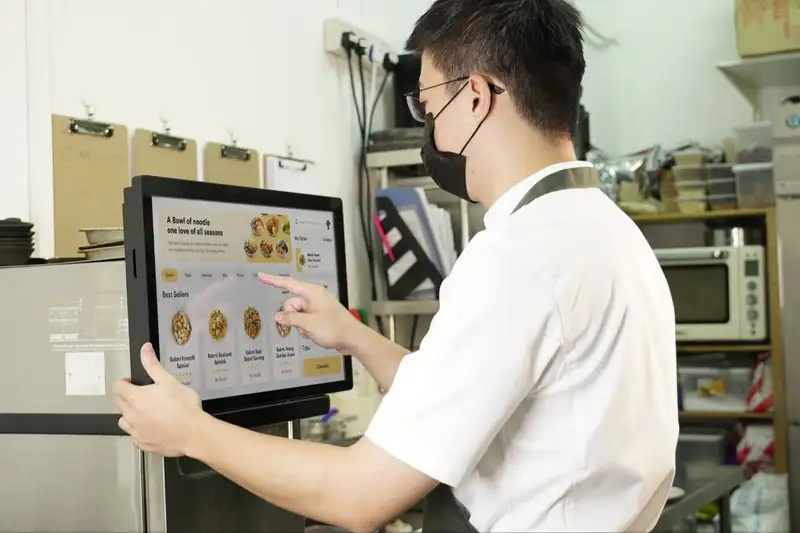
3. Use Kitchen Display Systems to Organize Incoming Orders. A kitchen display system (KDS) provides employees with a digital view of incoming orders, preparation requirements, and ticket progress. Instead of relying entirely on printed tickets or verbal instructions, kitchen teams can monitor order status and identify which tasks require attention. When integrated with the POS system, a KDS can also help reduce manual order entry and communication errors.
4. Establish Procedures for Special Requests and Order Modifications. Customizations, allergies, ingredient substitutions, and preparation instructions can complicate kitchen workflows. Create a consistent process for highlighting special requests so employees can identify them before starting preparation. Make sure important modifications are communicated to every station involved in completing the order.
5. Monitor Delayed Tickets and Address Problems Early. Managers should regularly review tickets that exceed expected preparation times. Determine whether delays are caused by overloaded stations, missing ingredients, equipment limitations, or communication problems. Addressing these issues early helps prevent individual delays from affecting other orders.
6. Separate and Coordinate Dine-In, Takeout, and Delivery Orders. Different order channels may have different preparation and fulfillment requirements. Establish clear procedures for organizing tickets by order type while ensuring that all customers receive timely service. Managers should monitor delivery pickup times and coordinate packaging tasks so completed orders do not accumulate unnecessarily.
Restaurant owners should also establish realistic ticket time targets based on menu complexity, preparation requirements, and service expectations. Rather than pressuring employees to work faster, managers should use ticket time data to identify where preparation processes can be improved.
Effective ticket management keeps orders organized, helps kitchen stations work in sync, and prevents individual delays from disrupting the entire service line. By combining clear prioritization procedures with real-time order visibility, restaurant owners can manage higher order volumes while maintaining order accuracy and food quality.
Cut Down Prep Time and Boost Accuracy
Automate Your Kitchen with Altametrics!
Identify and Eliminate Kitchen Bottlenecks
Restaurant owners need to identify where delays occur and understand what causes them before making operational changes. Improving the performance of one overloaded station can help increase overall kitchen productivity and prevent orders from accumulating during busy service periods.
Here are several ways to identify and eliminate common kitchen bottlenecks -
1. Monitor Ticket Times Across Different Kitchen Stations. Track how long orders spend at each preparation stage, from initial processing to final plating. Compare preparation times across stations to identify where orders regularly experience delays. If tickets consistently wait longer at the fryer or grill, managers can investigate whether the station needs additional staffing, better equipment, or improved preparation procedures.
2. Balance Workloads Between Kitchen Stations. Some stations may receive significantly more tasks than others, especially when popular menu items require the same preparation equipment. Review menu item preparation requirements and distribute responsibilities where possible. Cross-training employees and adjusting station assignments can help prevent one overloaded area from slowing down the entire kitchen.
3. Reduce Unnecessary Employee Movement. Employees who frequently leave their stations to collect ingredients, retrieve utensils, or access shared equipment lose valuable preparation time. Organize supplies according to station requirements and keep frequently used items within reach. Adjust kitchen layouts to reduce unnecessary movement and prevent employees from competing for limited workspace.
4. Address Equipment Limitations and Maintenance Issues. Insufficient cooking equipment or unexpected breakdowns can create significant delays. Review equipment capacity to determine whether ovens, grills, fryers, or refrigeration units can support expected order volumes. Establish regular maintenance procedures and ensure employees know how to report equipment problems before they disrupt service.
5. Improve Ingredient Availability and Replenishment. Missing ingredients can interrupt preparation and force employees to leave their stations during busy periods. Establish minimum stock levels for frequently used ingredients and assign employees responsibility for monitoring supplies. Create replenishment procedures that allow stations to receive ingredients before they run out.
6. Review Menu Complexity and Preparation Requirements. Menu items that require several preparation stages or specialized equipment can place additional pressure on kitchen operations. Review which dishes take the longest to prepare and whether certain ingredients or preparation methods can be standardized. Simplifying unnecessary preparation steps can help reduce delays without compromising food quality.
Restaurant managers should also pay attention to recurring delays rather than focusing only on problems that occur during individual shifts. Reviewing ticket times, employee feedback, equipment issues, and preparation records can reveal patterns that point to deeper operational inefficiencies.
Eliminating kitchen bottlenecks requires understanding how individual stations affect the entire preparation process. By addressing overloaded workstations, equipment limitations, ingredient shortages, and inefficient workflows, restaurant owners can improve service speed and keep kitchen operations moving during peak hours.
Use Restaurant Technology to Streamline Kitchen Operations
The right technology helps restaurant owners connect different operational processes so kitchen employees can focus on food preparation and service rather than administrative tasks. From processing incoming orders to monitoring ingredient availability and coordinating employee schedules, digital tools can improve efficiency across multiple areas of restaurant operations.
Here are several ways restaurant technology can improve kitchen efficiency -
1. Implement Kitchen Display Systems (KDS). Kitchen display systems organize incoming orders on digital screens, allowing employees to view preparation requirements and monitor ticket progress. They help reduce reliance on printed tickets, improve order visibility, and make it easier for kitchen teams to prioritize tasks during busy service periods.
2. Integrate POS Systems With Kitchen Operations. Integrating the point-of-sale (POS) system with kitchen display systems helps transmit customer orders directly to the appropriate preparation stations. This reduces manual order entry, minimizes communication errors, and ensures kitchen employees receive accurate information about customer requests and modifications.
3. Use Inventory Management Software to Monitor Ingredients. Inventory management systems help restaurant managers track ingredient quantities, monitor stock movement, and identify items that need replenishment. Having accurate inventory information helps prevent unexpected shortages during peak hours and reduces the time employees spend searching for available ingredients.
4. Automate Food Preparation and Inventory Tracking Processes. Digital tools can simplify repetitive administrative responsibilities, including inventory counts, food usage tracking, and preparation planning. Automating these processes reduces manual work and gives managers more time to monitor kitchen performance and support employees during service.
5. Use Workforce Management Tools to Align Staffing With Demand. Workforce management software helps managers create employee schedules based on anticipated customer demand and operational requirements. Proper staffing ensures that critical kitchen stations have enough coverage during busy periods while helping restaurants avoid unnecessary labor costs.
6. Use Operational Reporting to Identify Inefficiencies. Restaurant reporting tools provide insights into sales trends, labor performance, inventory usage, and other operational metrics. Managers can use this information to identify recurring problems, adjust preparation quantities, and make better decisions about staffing and resource allocation.
Technology is most effective when different systems support a connected operational workflow. For example, sales information can help managers forecast ingredient requirements, while workforce scheduling tools can help ensure enough employees are available to handle anticipated order volumes. Connecting these processes improves visibility and helps managers address operational challenges before they affect service.
Improve Restaurant Operations With Altametrics
Managing kitchen efficiency requires more than keeping orders moving. Restaurant owners also need to control labor costs, maintain ingredient availability, and make informed decisions about staffing and preparation requirements.
Altametrics provides an all-in-one restaurant management platform that connects workforce management, inventory management, forecasting, and business intelligence. Its AI-powered tools help restaurant operators forecast demand, align employee schedules with anticipated rush periods, monitor ingredient usage, and identify operational inefficiencies.
With better visibility into labor, inventory, and restaurant performance, managers can make more informed decisions before and during busy service periods.
Improve restaurant efficiency with Altametrics. Explore how Altametrics can help streamline restaurant operations, optimize workforce scheduling, and improve inventory management. Visit Altametrics to learn more and schedule a demo.
Effortlessly Schedule, Seamlessly Manage
Schedule Like a Pro with Altametrics
Frequently
Asked Questions
What causes inefficiency in a restaurant kitchen?
What metrics should restaurants track to measure kitchen efficiency?
How can restaurant owners improve kitchen staff productivity?
How can restaurant managers reduce kitchen ticket times?
Must-Read Content

How to Update Menu Prices Across Multiple Restaurant Locations
Updating menu prices across multiple restaurants requires understanding costs, choosing a pricing structure, centralizing management, updating every channel, planning rollouts, communicating clearly, and monitoring results afterward.

10 Benefits of All-in-One Restaurant Management Software
All-in-one restaurant management software streamlines operations, improves communication, reduces administrative work, controls costs, strengthens workforce management, and supports informed business decisions.

How to Get More Customers in a Restaurant
Learn how to get more customers in a restaurant through local marketing, social media, promotions, customer reviews, loyalty programs, and retention strategies.

