




How to Create Memorable Dining Experiences
Service staff positions are multifaceted, requiring individuals with excellent communication skills, attention to detail, and a passion for providing exceptional customer service. As a restaurateur, hiring the right service staff is crucial. Selecting candidates with the right skills and personality traits, such as the ability to multitask and prioritize and a friendly and outgoing demeanor, is essential for providing an exceptional dining experience for guests. Providing adequate training and support is equally important once the service staff is hired. Proper training equips the staff with the skills and confidence to handle the demands of the job, such as dealing with difficult customers or managing a busy shift, and create a memorable experience for guests. Investing in your service staff creates a positive work environment and attracts and retains talented employees.
Also, restaurant service jobs can provide a launching pad for other career paths within the restaurant industry. Starting as a server and moving on to become a manager, chef, or even restaurant owner is not uncommon. Providing opportunities for growth and advancement is crucial in attracting and retaining talented employees and building a strong and motivated team.
The service staff plays a critical role in the success of restaurants within the restaurant industry. Prioritizing the hiring of individuals with the right skills and personality traits and investing in their growth and development can create a positive work environment, attract and retain talented employees, and provide a memorable dining experience for guests. With the right investment in your service staff, the restaurant industry offers limitless possibilities for growth and success.
Key to Exceptional Customer Service
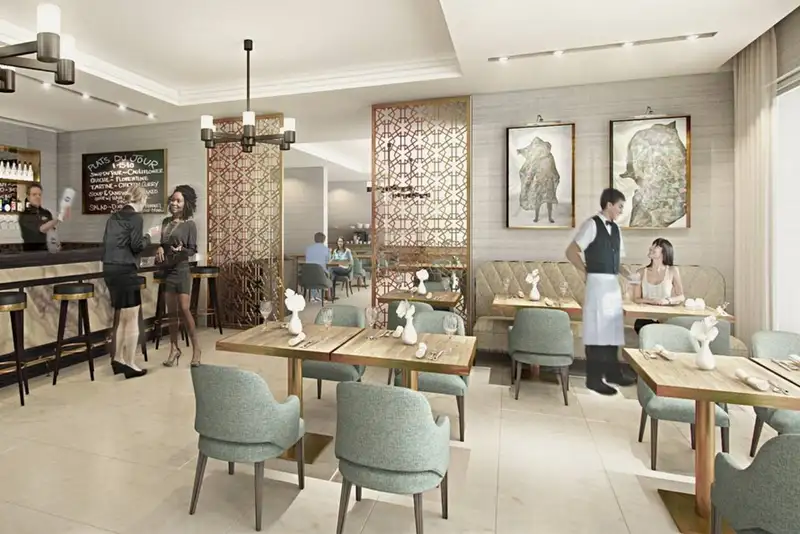
No matter the role, it's crucial to hire the right people for the job. All front-of-house servers require excellent communication skills, multitasking abilities, and a friendly, outgoing personality. These individuals shape the atmosphere of your restaurant and encourage customers to return. Properly training and hiring your servers is key to providing exceptional customer service and enhancing the overall guest experience. By understanding the importance of front-of-house servers and their roles, you can optimize your restaurant's performance and success.
Customer service is one of the most critical skills required for success in front-of-house server jobs. Servers must be knowledgeable about the menu items and able to make recommendations based on guests' preferences and dietary restrictions. These skills are essential to creating a welcoming atmosphere that encourages customers to return to your establishment. Even though the responsibilities and duties of front-of-house servers can vary depending on the establishment and the specific role they are filling, some common tasks include greeting guests and providing them with menus, creating unique cocktails, delivering food from the kitchen to the table and making sure it's timely and presentable, serving drinks, and processing payments.
Innovative Restaurant Software Solutions
Modernize Your Recruitment Process with Altametrics
Qualities of a Great Server
Customer service skills are another essential requirement for servers. Great servers need to be customer-focused and able to anticipate guests' needs. They should be able to provide recommendations, offer assistance, and ensure that guests have a pleasant dining experience. Inevitably, there may be situations where guests encounter issues or complaints. In these cases, great servers should take ownership of the problem and work towards resolving it to the guests' satisfaction.
Attention to detail is also a critical skill for great servers. Servers should be able to accurately record orders, ensure that food and drinks are served correctly, and process payments accurately. Great servers should also pay attention to small details that can enhance the guests' experience, such as refilling a water glass or bringing extra napkins without being asked. A server's attention to detail also helps ensure that guests receive the correct order, minimizing errors and reducing waste.
In addition to the above skills, great servers should have a positive, upbeat attitude. They should be friendly, outgoing, and enthusiastic about their job. A server's positive attitude can set the tone for guests' experiences, contributing to a welcoming atmosphere. Furthermore, having a thorough knowledge of the menu, including ingredients, preparation methods, and any specials or promotions, is essential. Great servers should be able to answer guests' questions about the menu and provide recommendations based on their preferences. Finally, great servers must be able to work effectively as part of a team. They should communicate and collaborate with their colleagues to ensure that guests are served efficiently and effectively.
Supporting Your Restaurant's Frontline
One way to support your servers is to provide proper training and equipment to help minimize the physical demands of the job. Providing comfortable shoes, anti-fatigue mats, and investing in technology such as order-taking tablets can help reduce the strain on their bodies. Dealing with difficult customers can be challenging, but equipping your servers with training on conflict resolution and effective communication can help them navigate these situations with professionalism and poise. It's also important to empower your servers to make decisions and take ownership of issues to ensure that guests are satisfied with their experience.
Managing multiple tables and orders is essential for providing prompt and attentive service, but it can be overwhelming, especially during busy periods. To ensure your servers provide prompt and attentive service, time management is critical. Implementing systems such as section assignments, using a seating chart, and providing clear guidelines on table management can help your servers stay organized and manage their workload effectively. Not only table management but also time management can be exhausting. Being mindful of your servers' work schedules can help promote a healthy work-life balance. Providing flexible scheduling, offering regular breaks, and accommodating time off requests can help your servers manage their personal lives while still providing great service to your guests.
Your servers are the face of your restaurant, and their job satisfaction is crucial to the success of your business. A happy and motivated server is more likely to provide great service, leading to satisfied customers and repeat business. Taking care of your servers' well-being can also help reduce staff turnover and save on hiring and training costs. Flexible scheduling, regular breaks, and accommodating time-off requests can help promote a healthy work-life balance, leading to more engaged and motivated employees. By providing a positive work environment, you can translate that into better service and higher guest satisfaction. Remember that investing in your servers' well-being can ultimately benefit your business by improving customer loyalty and driving revenue.
The Rewards of Being a Server
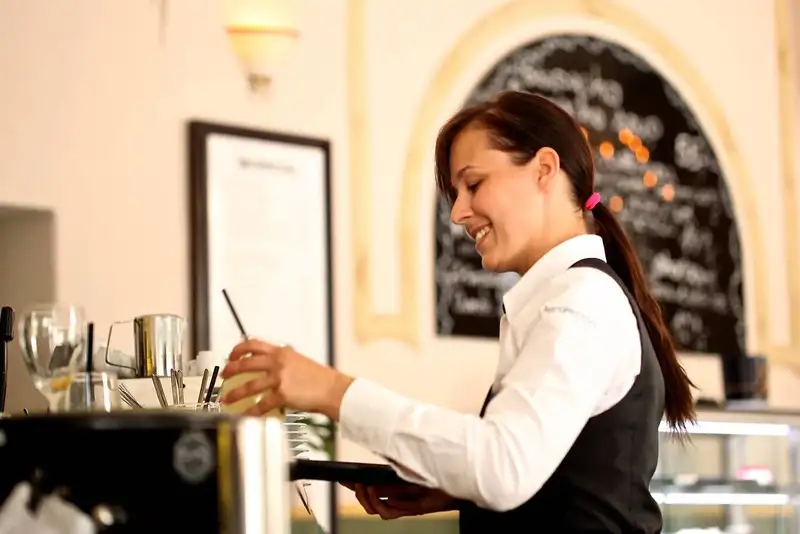
Being a server offers the opportunity for social interaction with guests and colleagues, leading to the development of interpersonal skills and strong relationships. Serving also helps in the development of personal and professional skills, such as excellent communication, multitasking, and customer service, which are transferable to other industries and can help servers advance in their careers. As a restaurant owner, promoting a positive work environment that encourages social interaction and provides opportunities for staff to develop their skills can create a sense of growth and career advancement within your restaurant. Flexible scheduling is another benefit of serving that can be appealing to your staff. Many serving positions offer flexible scheduling, which can be a significant benefit for people who need to work around other commitments, such as school or family responsibilities.
Job-search platforms give you alternatives to choose from. For instance, Indeed restaurant jobs offer servers the flexibility to choose their shifts, whether full time or part-time, allowing for a better work-life balance. By offering flexible scheduling, you can attract a wider pool of potential employees who are looking for a job that can accommodate their needs. As a restaurant owner, you can incentivize your staff to work hard and take on new challenges by providing a clear path for advancement. Servers who demonstrate exceptional skills and a strong work ethic may be promoted to supervisory or management positions, which often come with additional responsibilities and higher compensation. To attract and retain motivated and engaged employees, it's important to recognize the benefits of serving and use them to your advantage when hiring and managing your staff.
Highlighting the potential for tips and compensation, opportunities for social interaction and personal and professional development, flexible scheduling, and opportunities for advancement can create a positive work environment. By investing in your staff and promoting their growth, you can create a team of dedicated and skilled employees who are committed to providing excellent service and contributing to the success of your restaurant. This can lead to higher guest satisfaction, increased customer loyalty, and ultimately improved revenue.
Discover Top Talent For Your Restaurant
Experience The Difference with Altametrics
Technology and Server Jobs
Another important technology that has become increasingly relevant in the hospitality industry is customer relationship management (CRM) systems. These systems enable restaurants to manage customer data and interactions, track customer preferences and feedback, and analyze customer purchasing habits. This information can then be used to provide personalized service, improve the overall customer experience, and tailor services to meet guests' needs. Online reviews can significantly impact a restaurant's reputation, and many restaurants now use technology to monitor and manage their online reviews as well. By responding to negative reviews and using feedback to make improvements, online review and reputation management technology has become an essential tool for maintaining a positive reputation and attracting new customers. Restaurant owners can also use this technology to respond to guest feedback quickly, address any concerns that guests may have, and show that they value their opinions.
While technology can streamline processes and improve the customer experience, it is crucial for servers to maintain a personal connection with guests and provide excellent service, even as technology continues to evolve. Restaurant owners should invest in technology that enhances guests' experiences and makes operations more efficient, but it is equally important to remember that technology is just a tool. It is the personal touch that makes dining out an enjoyable experience, so it is vital to balance the use of technology with personalized service to create a memorable dining experience for guests. Technology has had a significant impact on server jobs, with ordering and payment systems, customer relationship management systems, and online review and reputation management being just a few examples. As a restaurant owner, it is crucial to embrace technology that can help your restaurant operate more efficiently and enhance your guests' experience. By combining technology with personalized service, you can create a memorable dining experience for your guests and ensure the success of your restaurant.
How Investing in Server Careers Can Benefit Your Business
Encouraging your staff to develop specialized skills is one way to support their career growth. By offering wine, craft beer, or specialty cocktail training, servers can provide exceptional service and enhance the dining experience. Additionally, a server with specialized knowledge of a particular cuisine or cooking method can be an asset to your kitchen staff and streamline operations. Investing in your employees' education and training benefits both your business and your team.
Building a network and reputation in the industry is also crucial for career advancement. As a restaurant owner, you can provide opportunities for your staff to attend industry events and connect with other professionals. Encouraging active engagement on social media and sharing experiences and knowledge can help build personal brand and reputation. By establishing a strong network and reputation, your employees can open up new opportunities for themselves and contribute to the success of your business.
Finally, pursuing management or ownership opportunities can be a natural progression for servers who are looking to advance their careers. Many successful restaurateurs started their careers as servers and worked their way up to management or ownership positions. By providing leadership and business training for your servers, you can help develop their skills and prepare them for these types of roles. This not only benefits your business by creating a pipeline of future leaders, but it also shows your staff that you are invested in their long-term success.
Advancing a server's career involves more than just serving tables. As a restaurant owner, you can support your staff in developing specialized skills, building a network and reputation, and pursuing management or ownership opportunities. By investing in your employees and creating a culture of growth and development, you can build a strong team that is passionate about the industry and committed to the success of your business.
Exceptional Service Starts with Exceptional Staff
Restaurant owners should look for candidates who possess excellent communication skills, a passion for customer service, and the ability to multitask in a fast-paced environment. These qualities will ensure that the server can create a positive and memorable experience for customers. However, being a server is not an easy job. The responsibilities include managing multiple tables, taking orders accurately and efficiently, and dealing with difficult customers. To ensure that servers can handle these challenges, they require adequate training and support. Training can help servers learn how to manage their time effectively and deal with challenging customers professionally.
Support, on the other hand, can come in the form of management being available to answer questions or provide guidance when needed. Moreover, restaurant owners can provide opportunities for personal and professional development for their servers. Providing a clear path for career advancement can increase employee retention and loyalty, which is beneficial for the business in the long run. Restaurant owners should also offer a fair and competitive compensation package that includes not only hourly wages but also tips and other incentives. As technology continues to transform the hospitality industry, it's increasingly important for servers to have knowledge of ordering and payment systems, customer relationship management software, and online review and reputation management platforms.
Restaurant owners can help their servers keep pace with these changes by providing access to training and resources to enhance their skills and knowledge.
Recognizing the vital role that server jobs play in the hospitality industry and taking steps to support the growth and development of servers can have a significant impact on the success of a restaurant or foodservice establishment. By investing in their servers, restaurant owners can create a more positive and rewarding work environment, improve the overall quality of their service, and ultimately increase customer satisfaction and loyalty.
Simplify Your Recruitment Process
Streamline Your Hiring Process with Altametrics
Frequently
Asked Questions
How important is customer service in the hospitality industry?
How to promote growth and advancement for staff in the restaurant industry?
How can servers influence restaurant reputation?
What are some common challenges that employees face in the restaurant industry?
Must-Read Content

The Ultimate Guide to Managing Food Allergens in Restaurants
Food allergens require accurate labeling, employee training, cross-contact prevention, safe food handling, and consistent procedures to protect customers and improve restaurant safety.
How to Manage Tasks in a Restaurant
Learn how to manage tasks in a restaurant by organizing responsibilities, prioritizing duties, assigning employees, tracking progress, and using technology effectively.
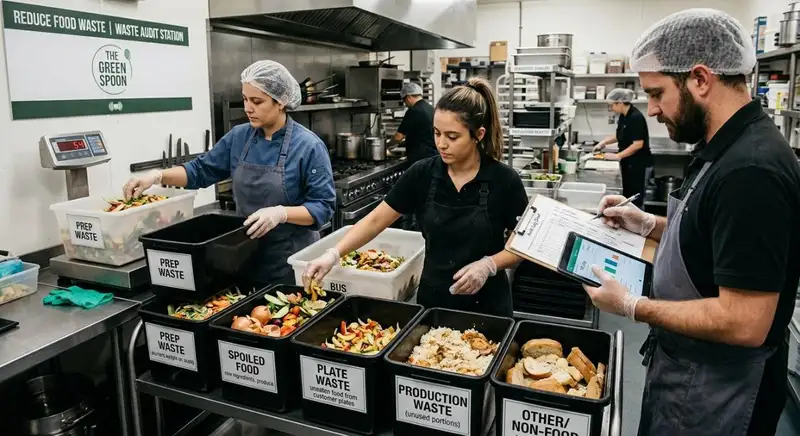
How to Conduct a Food Waste Audit in Your Restaurant
A food waste audit helps restaurant owners identify waste sources, track costs, improve inventory management, reduce food waste, and increase profitability.

