
What Operations Management Covers
At a practical level, restaurant operations management includes the following core areas -
1. Labor and Scheduling - This covers forecasting demand, building schedules, managing shift coverage, controlling overtime, and aligning staffing levels with actual sales patterns. It is not just about filling shifts - it is about matching labor to revenue in real time.
2. Inventory and Purchasing - This includes ordering, receiving, tracking stock levels, managing vendors, and ensuring accurate invoice handling. Strong control here prevents over-ordering, stock-outs, and unnecessary waste.
3. Food Preparation and Execution - This involves prep planning, recipe adherence, portion control, and line execution. Consistency at this level directly impacts food cost, speed, and guest satisfaction.
4. Service and Guest Experience - Front-of-house operations, table management, order accuracy, and service timing all fall here. Operations management ensures that service is not dependent on individual employees but driven by clear standards.
5. Training and Staff Development - Onboarding, role-specific training, cross-training, and ongoing performance management are critical. Without structured training, operational standards break down quickly.
6. Compliance and Food Safety - This includes labor law compliance, break management, food handling standards, cleanliness, and audit readiness. These are not occasional tasks - they must be built into daily operations.
7. Maintenance and Facility Management - Equipment upkeep, preventative maintenance, and issue tracking ensure that operational disruptions are minimized. Equipment failures often lead to both lost revenue and higher costs.
8. Reporting and Performance Tracking - This includes monitoring key metrics such as labor cost, food cost, waste, sales trends, and productivity. Reporting turns raw data into actionable decisions.
The key point is that these areas are interconnected. Labor decisions affect service speed. Inventory accuracy affects food cost. Training affects execution quality. If these functions are managed in isolation, inefficiencies multiply. Strong restaurant operations management brings them together into one coordinated system.
Build Clear Processes for Daily Execution

To make daily execution easier to manage, restaurant owners need clear and repeatable processes in the following areas -
1. Standardize opening procedures - The opening shift sets the tone for the entire day. Staff should know exactly what needs to happen before service begins, including equipment checks, prep completion, station setup, cash drawer preparation, and dining room readiness. When opening procedures are inconsistent, the first service period often starts with delays, missing items, or avoidable confusion.
2. Create structured shift handoffs - Shift changes should never rely on quick verbal updates or assumptions. Teams need a clear handoff process that covers staffing issues, product levels, prep status, guest concerns, and unfinished tasks. Without a structured transition, one shift can leave problems behind that the next shift has to fix under pressure.
3. Use line checks and prep checks - Line checks help confirm that stations are stocked, labeled, organized, and ready for service. Prep checks help ensure that recipes, portions, holding times, and food quality standards are being followed. These checks protect speed, consistency, and food cost. When they are skipped or done inconsistently, both execution and profitability suffer.
4. Build clear cleaning and closing routines - Closing is not just the end of the day. It is the setup for the next one. Teams should follow detailed closing checklists that cover sanitation, food storage, waste tracking, equipment shut-down, cash reconciliation, and next-day prep readiness. Strong closing routines reduce next-day problems and improve accountability.
5. Manager walkthroughs - Managers should not rely on memory or personal habits to inspect the restaurant. A structured walkthrough helps verify that operational standards are being met across cleanliness, prep, service readiness, staffing, and safety. This creates consistency in oversight and helps catch issues before they become bigger problems.
6. Document the process - One of the biggest operational mistakes is allowing execution to depend on who is working that day. Strong restaurant operations management requires documented systems that employees can follow regardless of shift or manager. This reduces variation, improves training, and makes performance easier to measure.
When daily processes are clearly defined, restaurants become easier to run and easier to scale. Teams know what is expected, managers spend less time correcting preventable mistakes, and owners gain better control over consistency, labor efficiency, and operational performance.
Create, Implement, and Execute Multiple Daily Checklists
Streamline Your Operations with Altametrics
Smarter Scheduling and Role Management
Restaurant operations management plays a direct role in controlling all three.
1. Schedule against demand - One of the most common mistakes in restaurant labor management is building schedules based on routine instead of real sales patterns. If Tuesday lunch is staffed like Friday dinner, labor cost rises without any matching revenue. Scheduling should be based on actual demand by daypart, day of week, season, and business trend. This helps owners match labor hours to expected volume instead of relying on guesswork.
2. Align staffing levels with sales patterns - Strong operations management means understanding when the restaurant truly needs coverage and when it does not. Peak periods require speed and support. Slower windows require tighter labor control. When staffing is not aligned with traffic, restaurants either overspend on idle labor or understaff during busy periods and damage service quality. Both outcomes hurt profitability.
3. Define roles clearly - Even when headcount is correct, labor can still be wasted if roles are unclear. Employees need to know exactly what they are responsible for during the shift, whether that is prep, line support, guest service, cleaning, expo, or cash handling. When responsibilities are vague, work gets duplicated, important tasks get missed, and managers spend more time directing basic execution.
4. Reduce overtime - Overtime often looks like a payroll issue, but it is usually an operations issue first. It can result from weak scheduling, poor handoffs, slow task execution, last-minute callouts, or failure to adjust staffing in real time. Better labor control means identifying these patterns early and addressing the root cause before overtime becomes a recurring cost problem.
5. Monitor productivity - Hours alone do not tell you whether labor is being used effectively. Owners should track productivity measures such as sales per labor hour, transactions per labor hour, or output by day-part. These metrics help show whether the team is actually producing enough value relative to the labor being scheduled. This is where labor management becomes more precise and less emotional.
6. Treat labor as a daily operating system - Labor control is not something that happens only when payroll is reviewed. It has to be managed throughout the week through forecasting, schedule adjustments, role clarity, and shift-level monitoring. Restaurants that only look at labor after the fact usually discover problems too late to correct them.
When labor is managed well, the restaurant becomes more efficient without sacrificing service. Teams are better deployed, managers have more control, and owners gain stronger visibility into one of the most important drivers of profitability. That is why smarter scheduling and role management are essential parts of strong restaurant operations management.
Inventory, Prep, and Purchasing Controls
To maintain control, restaurant owners need to focus on the following operational areas -
1. Par levels and ordering routines - Par levels should reflect real usage, not estimates or outdated assumptions. When pars are too high, cash is tied up in excess inventory and waste increases. When pars are too low, the restaurant risks running out of key items during service. Ordering should follow a consistent schedule based on usage patterns, delivery timelines, and sales forecasts.
2. Receiving and invoice processes - Inventory control starts the moment product arrives. Every delivery should be checked for accuracy, quality, and pricing before it is accepted. Invoices should be reviewed and entered correctly to maintain accurate cost tracking. Skipping this step creates discrepancies that make food cost harder to manage later.
3. Prep planning and production levels - Prep should be based on expected demand, not guesswork. Over-prepping leads to waste, while under-prepping slows service and creates stress during peak periods. Clear prep sheets, production targets, and day-part planning help ensure the right amount of product is ready at the right time.
4. Recipe consistency and portion control - Small variations in portion size or recipe execution can quickly increase food cost. Without consistent standards, even experienced staff may unintentionally over-portion or deviate from recipes. Clear guidelines and regular checks help maintain consistency across shifts and team members.
5. Track waste and identify patterns - Waste should not be treated as an occasional issue. It should be tracked daily to identify where product is being lost - whether from spoilage, overproduction, mistakes, or improper storage. Once patterns are identified, corrective action becomes more targeted and effective.
6. Maintain real-time visibility - Knowing what is on hand at any given time allows for better decision-making. Without visibility, restaurants rely on assumptions, which leads to over-ordering or last-minute shortages. Regular counts and updated records help keep inventory aligned with actual usage.
7. Connect inventory to daily operations - Inventory management should not be limited to weekly counts or end-of-month reviews. It should influence daily decisions around prep, ordering, and menu availability. When inventory is treated as a real-time operational tool, control improves significantly.
When inventory, prep, and purchasing are managed with discipline, restaurants reduce waste, improve consistency, and gain tighter control over food cost. This is not just a back-office function - it is a core part of daily operations that directly affects profitability and execution.
Use Training and Accountability

To improve consistency, restaurant operations management needs to address the following areas -
1. Build training around specific roles - Training should be tied directly to the responsibilities of each position. Hosts, cashiers, line cooks, prep staff, shift leads, and managers all need different operational expectations. General training is not enough. Employees perform better when they know exactly what success looks like in their role.
2. Standardize onboarding - First impressions matter for employees just as much as guests. If new hires are trained differently depending on who is working, inconsistency starts immediately. A standardized onboarding process helps every employee receive the same operational foundation, which improves execution and reduces confusion early.
3. Use checklists, guides, and task standards - Training should not depend only on verbal instruction. Written checklists, visual guides, recipe standards, cleaning procedures, and shift expectations give staff something concrete to follow. This makes training more repeatable and reduces the risk of information being lost between trainers or shifts.
4. Reinforce standards - One-time training does not create long-term consistency. Employees need regular reinforcement, especially in fast-paced restaurant environments where shortcuts can develop over time. Repetition helps turn standards into habits and keeps execution from drifting.
5. Cross-train - Cross-training can strengthen operations by giving the team more flexibility during busy periods, callouts, or staffing shortages. It also helps employees understand how different parts of the restaurant work together. That said, cross-training should be structured carefully so it improves coverage without lowering accountability.
6. Accountability - Accountability should not begin only when something goes wrong. Managers need to observe performance, correct issues in real time, and follow up consistently. When standards are enforced only occasionally, teams stop taking them seriously. Consistency in accountability is what gives standards real value.
7. Measure performance - Employees cannot be held accountable for unclear standards. Owners and managers should define what good performance looks like in each role, then use those expectations to guide coaching and evaluation. This makes performance conversations more objective and more useful.
Strong restaurant operations management depends on execution being consistent across shifts, managers, and locations. Training builds that foundation, and accountability protects it. When both are in place, teams perform with more confidence, managers spend less time correcting avoidable mistakes, and owners gain a more stable and predictable operation.
From Click to Kitchen
Handle All Your Online Orders with Altametrics
Track the Right Metrics
To do that, restaurant owners should focus on the following categories of operational data -
1. Track labor efficiency - Looking at total labor dollars is not enough. Owners need to understand how labor is performing relative to sales and workload. Metrics such as labor cost percentage, sales per labor hour, transactions per labor hour, and overtime hours help show whether staffing is aligned with demand. These numbers make labor decisions more precise and less reactive.
2. Food cost and inventory variance - Food cost should not only be reviewed at the end of the period. Owners should track inventory variance, waste, portion consistency, and usage trends throughout the week. If actual product usage is drifting away from what sales should support, that usually points to waste, over-portioning, theft, or process breakdowns.
3. Service speed and execution - Operations management is not only about controlling expenses. It also affects how well the restaurant performs during service. Metrics such as ticket times, order accuracy, table turn times, drive-thru speed, or guest wait times help show whether the operation is running efficiently. Slow execution often signals labor, training, or workflow issues.
4. Watch guest-impact metrics - Guest complaints, refunds, voids, discounts, and review trends can reveal operational problems before they become larger financial issues. For example, repeated complaints about slow service or wrong orders often point to breakdowns in staffing, communication, or process discipline. These metrics help connect operations performance to the guest experience.
5. Shift, day-part, and location - A restaurant may look stable at the top level while hiding serious problems in specific shifts or locations. Owners should compare metrics across lunch versus dinner, weekdays versus weekends, or one store versus another. This helps identify whether an issue is isolated, repeating, or tied to a specific manager or operating pattern.
6. Use metrics to drive action - The purpose of operational data is not to create more reports. It is to support better decisions. If labor is too high, owners should know whether the cause is weak forecasting, poor scheduling, or low productivity. If food variance is rising, they should know whether the problem is prep, waste, receiving, or portioning. Metrics are only useful when they lead to action.
7. Build a routine - Tracking the right metrics only matters if they are reviewed regularly. Owners and managers need a simple rhythm for checking daily, weekly, and monthly performance. Daily reviews help catch immediate issues. Weekly reviews help identify patterns. Monthly reviews help guide bigger operational changes.
When restaurant owners track the right metrics in real time, they gain control much earlier. Problems become easier to identify, corrections happen faster, and decisions become more grounded. That is what turns restaurant operations management from a reactive process into a disciplined system for protecting performance and profitability.
Use Technology to Scale Operations
To be effective, restaurant technology should support the most important parts of daily execution-
1. Improve labor control - Labor management becomes much more precise when scheduling is tied to actual sales patterns, staffing needs, and role requirements. Technology can help owners build smarter schedules, spot overtime risk earlier, and make adjustments before labor costs get out of line.
2. Visibility and purchasing accuracy - Inventory tools help restaurants track on-hand stock, monitor usage, manage ordering, and reduce waste. This gives owners better control over food cost and helps prevent the over-ordering and shortages that often come from manual tracking.
3. Standardize task execution - Task management systems, digital checklists, and guided workflows make it easier to ensure that opening, prep, cleaning, and closing tasks are completed consistently. This reduces the chance that execution depends too heavily on one manager or one experienced employee.
4. Reporting and decision-making - Technology makes it easier to connect labor, sales, inventory, and operational performance into one view. Instead of looking at disconnected reports, owners can monitor the numbers that matter most and identify problems faster. This improves both day-to-day control and long-term planning.
5. Compliance and accountability - Restaurant operations management also includes staying on top of labor rules, food safety processes, break compliance, and timekeeping accuracy. The right systems can reduce risk by helping owners track compliance tasks more consistently and respond to issues earlier.
6. Create a stronger foundation - The bigger a restaurant business becomes, the more dangerous inconsistency becomes. Technology helps create repeatable systems that can scale. It supports better communication, more consistent execution, and stronger operational discipline across the organization.
If you are looking to strengthen restaurant operations management across labor, reporting, scheduling, and daily execution, Altametrics offers solutions designed to help restaurant owners run more controlled and efficient operations. Explore how Altametrics can help simplify decision-making, improve visibility, and support stronger performance across your restaurant business by clicking "Schedule a Demo" below.
Simplify Multi-Channel Ordering
Get started with Altametrics to streamline your POS!
Frequently
Asked Questions
What are the biggest signs of weak restaurant operations management?
How can restaurant owners improve daily execution?
How does technology improve restaurant operations management?
Which metrics should restaurants track to manage operations better?
Must-Read Content
10 Employee Retention Strategies for Restaurant Owners
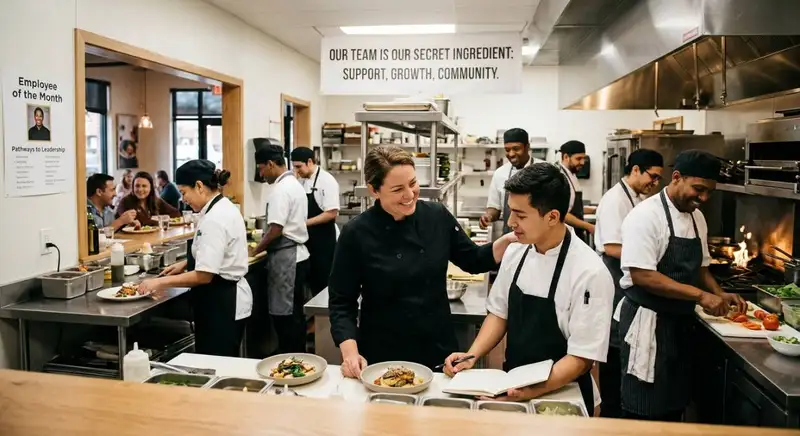
Restaurant owners can cut turnover by paying fairly, onboarding well, scheduling flexibly, promoting growth, recognizing effort, offering meaningful benefits, listening to feedback, and hiring carefully for fit.
How to Reduce Supply Costs in Your Restaurant
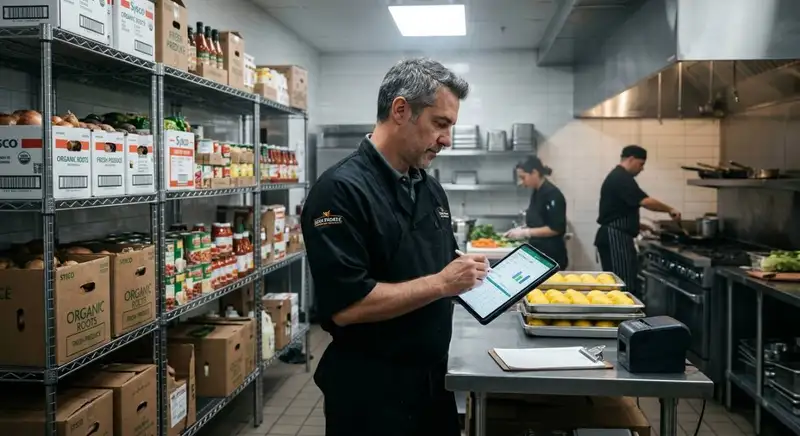
Cut restaurant supply costs by understanding spending, auditing expenses, engineering menus, negotiating with suppliers, controlling inventory, reducing waste, and using technology to monitor everything continuously.

The Ultimate Guide to Managing Food Allergens in Restaurants
Food allergens require accurate labeling, employee training, cross-contact prevention, safe food handling, and consistent procedures to protect customers and improve restaurant safety.