
Prevention Starts with Daily Operations
That difference is what drives many negative reviews.
For example, a guest may expect fast service during lunch but waits much longer than expected. Another guest may expect a fresh, hot meal but gets food that feels rushed or cold. Someone else may not even be upset about the food, but they felt ignored, confused, or disrespected during the visit. In all of these cases, the review is really about a broken expectation.
This is important because it changes how restaurant owners should look at bad reviews. Instead of seeing them as random complaints, it helps to see them as signals. They often point to a specific gap in the guest experience - speed, accuracy, communication, cleanliness, or consistency.
Bad reviews also tend to reflect patterns, not just one bad moment. If one guest says your team was slow, that may be a one-time issue. But if multiple reviews mention slow service, long waits, or no updates, that usually means there is an operational problem that needs attention.
Another thing to understand is that guests do not always use "restaurant language" in reviews. They may not say "order accuracy issue" or "front-of-house communication breakdown." They will say things like -
- Nobody told us what was going on.
- Food took forever.
- The place looked dirty.
- Not worth the price.
These comments may sound emotional, but they still contain useful feedback.
Most bad consumer reviews are not just about one mistake. They are about how the guest felt during the experience. A small issue can often be forgiven if the team communicates well and handles it quickly. But a small issue with no explanation or poor attitude often becomes a public complaint.
That is why bad reviews should be treated as a guest experience warning system. They show where expectations are not being met and where your team can improve before the same problem keeps happening.
The Most Common Reasons

One of the biggest reasons is slow service. Guests may accept a wait if the restaurant is busy, but they get frustrated when there is no update or the wait feels disorganized. Long waits at the host stand, slow table service, delayed food, or a line that is not moving can all lead to negative reviews.
Another common reason is order mistakes. This includes wrong items, missing sides, incorrect toppings, forgotten drinks, or takeout bags with missing food. Guests get especially frustrated when they paid for something and did not receive it. Even small errors can create a strong reaction because they affect trust.
Food quality problems are also a major trigger. Guests often leave bad reviews when food is cold, overcooked, undercooked, stale, or inconsistent. If the same menu item tastes great one day and poor the next, guests notice. Consistency matters just as much as flavor.
A lot of bad reviews are also caused by poor service tone or communication. A guest may forgive a delay, but they are less likely to forgive feeling ignored, rushed, or disrespected. Short answers, no eye contact, or lack of updates can make the experience feel worse than it is.
Cleanliness issues are another big reason for negative reviews. Dirty tables, sticky menus, messy restrooms, or overflowing trash can quickly hurt a guest's confidence in the restaurant. Cleanliness affects how people judge both service and food safety.
Finally, many reviews come from a price and value mismatch. Guests may be willing to pay more, but they expect the food, service, and overall experience to match the price. When the experience feels below what they paid for, they often mention value in the review.
These review triggers may look simple, but they directly affect how guests remember your restaurant.
Get Started with Smart Data Capture
Optimize Your Marketing Efforts with Altametrics
How Poor First Impressions Lead to Bad Reviews
When guests walk in, they quickly notice whether the restaurant feels organized or chaotic. They look at the entrance, the host stand, the line, the dining area, and how staff interact with people. If no one greets them, if the front area looks messy, or if they are unsure where to go, frustration starts early.
Confusion is a major review trigger. Guests do not like feeling ignored or having to guess what to do next. In a full-service restaurant, this may happen when no one acknowledges them at the host stand. In a quick-service or fast-casual setting, it can happen when the line flow is unclear, the menu is hard to read, or pickup and ordering areas are not clearly marked.
Even if the food is good, a rough start can make guests judge the rest of the visit more negatively. A guest who feels stressed in the first five minutes is more likely to notice delays, mistakes, or service issues later. That is how a small front-door problem can turn into a bad review about the whole experience.
The good news is that first impressions are often easy to improve. Start with simple front-of-house standards -
- Greet guests quickly
- Keep the entrance and waiting area clean
- Make signage clear for ordering, pickup, and seating
- Assign someone to monitor the front during busy times
- Give wait-time updates before guests have to ask
These steps do not require a big budget. They require consistency.
Restaurant owners should also walk the guest path regularly. Enter through the front door, stand at the counter, look at the menu, and check what guests see first. This helps you catch small problems your team may not notice anymore.
A strong first impression builds patience and trust. A poor first impression does the oppositeand often shows up in consumer reviews later.
How Service Mistakes Turn Into Public Complaints
Guests understand that restaurants get busy. They know orders can take longer than expected, especially during rush periods. But when there is no communication, no apology, or no visible effort to help, the problem feels bigger. A delay becomes "they ignored us." A missing item becomes "they did not care."
This is why communication matters as much as speed. If a table is waiting longer than normal, a quick update can prevent frustration. If the kitchen is backed up, letting guests know early helps set expectations. Most people respond better when they understand what is happening.
Tone also plays a big role in reviews. A short response, an annoyed facial expression, or rushed body language can make guests feel unwelcome. Even when staff are moving fast and working hard, guests may still describe the service as rude if they feel dismissed.
Some of the most common service mistakes that show up in reviews include -
- No greeting or delayed greeting
- No updates during long waits
- No apology after an error
- Staff passing a complaint between team members
- No manager involvement when the issue is serious
These mistakes are preventable with simple service standards. Teams do not need a script for every situation, but they do need a few clear habits. For example - greet quickly, acknowledge delays, apologize when needed, and let a manager step in before the guest gets more upset.
It also helps to train staff on recovery language. A simple response like, "Thanks for your patience - I'm checking on that now," can calm a situation quickly. It shows the guest they were heard.
Many bad reviews are not written because of the original mistake. They are written because the guest felt the restaurant did not respond well. When your team handles service problems with clear communication and respect, you can prevent a lot of negative reviews before they happen.
Food Quality and Order Accuracy

When people leave a restaurant review, they are usually judging the full experience. But the food is still the core product. If the food does not meet expectations, the rest of the visit often gets rated lower too. A friendly team and clean dining room help, but they usually cannot fully make up for a disappointing meal.
Order accuracy matters because it affects trust. If a guest orders one thing and gets something else, they feel like the restaurant was not paying attention. This is even more serious for takeout and delivery, where the guest may not notice the mistake until they get home. Missing items, wrong sides, incorrect modifiers, and forgotten sauces are common review triggers because they feel avoidable.
Food quality issues create a similar reaction. Common complaints include -
- Cold food
- Overcooked or undercooked items
- Soggy fries or stale bread
- Inconsistent portions
- Food that looks rushed or poorly packed
For dine-in, speed and temperature are closely connected. For takeout and delivery, packaging and labeling also matter. A correct order can still get a bad review if sauces leak, hot and cold items are packed together, or containers are not labeled clearly.
The best way to prevent these problems is to tighten handoff points. Review accuracy at the POS entry, kitchen prep, expo, and final handoff. Use simple checks like ticket read-backs, bag checks for takeout, and clear station responsibilities. Standard recipes and portion tools also help reduce inconsistency.
Guests may not see your kitchen process, but they feel the result. When food quality and order accuracy are consistent, reviews improve because guests trust they will get what they paid for every time.
Dive Deeper into Customer Insights!
Capture Key Insights with Altametrics
How to Prevent Bad Consumer Reviews
For example, it is not enough to train someone to take orders, run food, or answer phones. They also need to understand what guests care about most- being greeted quickly, getting clear updates, receiving the right order, and feeling respected. When staff understand these expectations, they make better decisions during busy shifts.
Training should also include how to handle problems in the moment. This is where many restaurants struggle. Team members may know the menu and POS system, but they are unsure what to do when a guest is upset. Without clear guidance, they may freeze, avoid the table, or say the wrong thing.
A simple recovery process helps -
- Listen without interrupting
- Acknowledge the issue
- Apologize clearly
- Offer a next step
- Involve a manager when needed
This kind of training gives staff confidence and helps prevent emotional situations from turning into bad reviews.
It also helps to set clear standards for daily service behavior. For example -
- Greet every guest within a set time
- Check back after food is delivered
- Give wait-time updates during delays
- Confirm takeout orders before handoff
- Thank guests before they leave
These standards should be practiced, not just listed in a handbook.
Pre-shift meetings are a great way to reinforce training. Managers can quickly review one or two focus points before each shift, such as order accuracy, lobby cleanliness, or how to communicate delays. This keeps expectations fresh without making training feel overwhelming.
Good training does not need to be complicated. It needs to be clear, repeatable, and tied to the guest experience. When your team knows what matters most and how to respond when something goes wrong, you reduce the problems that lead to bad consumer reviews.
How to Respond to Bad Consumer Reviews
Ignoring bad reviews can hurt your reputation. Future guests often read both the complaint and the restaurant's reply. If they see no response, they may assume the business does not care. A thoughtful reply shows that you take feedback seriously and pay attention to the guest experience.
A good response should be simple and professional. It usually needs four parts -
- Thank the guest for the feedback
- Acknowledge the issue they mentioned
- Apologize for the experience
- Offer a next step or invite them to continue the conversation offline
For example, if a guest complains about slow service, you do not need to write a long explanation. A short reply that acknowledges the delay and apologizes is usually better than a defensive response.
The biggest mistake restaurants make is arguing in public. Even if the review feels unfair, a defensive tone can make the situation worse. Avoid blaming the guest, blaming staff, or listing excuses. Other people reading the review may not know the full story, but they will notice your tone.
It also helps to avoid robotic responses. If every review gets the same copied message, guests can tell. Use a consistent structure, but tailor the wording to the issue - speed, order accuracy, food quality, cleanliness, or service.
Bad reviews can also be useful operational feedback. If multiple guests mention the same problem, your response should not stop online. Use that pattern to fix the issue inside the restaurant. For example, repeated complaints about missing takeout items may point to a weak handoff process.
Responding well does not erase the original mistake, but it can protect trust. It shows current and future guests that your restaurant listens, takes responsibility, and works to improve. That alone can make a big difference in how people view your business.
Build Customer Loyalty!
Create your rewards program today!
Frequently
Asked Questions
Why do restaurants get bad consumer reviews?
How important is staff training for improving consumer reviews?
What should a restaurant say in a bad review response?
How can restaurants identify patterns in bad reviews?
Must-Read Content
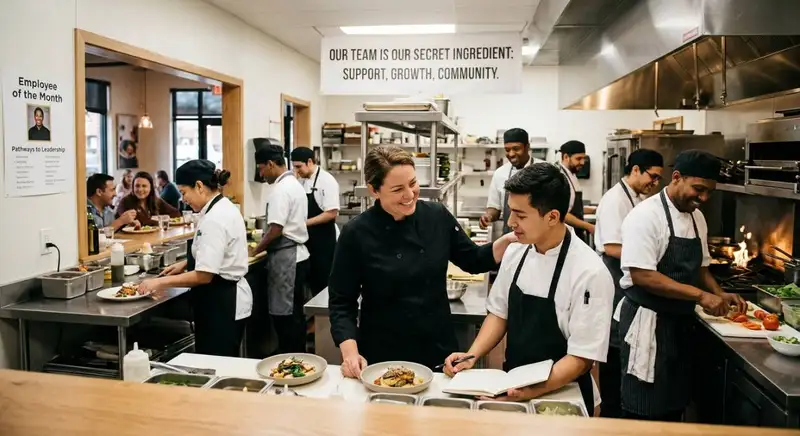
10 Employee Retention Strategies for Restaurant Owners
Restaurant owners can cut turnover by paying fairly, onboarding well, scheduling flexibly, promoting growth, recognizing effort, offering meaningful benefits, listening to feedback, and hiring carefully for fit.
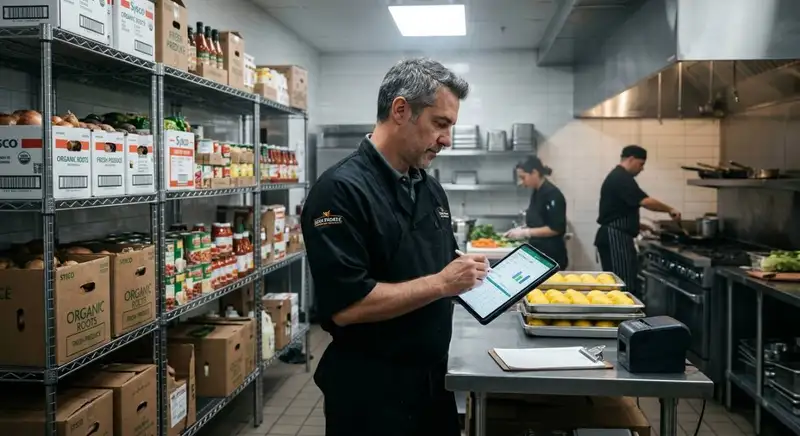
How to Reduce Supply Costs in Your Restaurant
Cut restaurant supply costs by understanding spending, auditing expenses, engineering menus, negotiating with suppliers, controlling inventory, reducing waste, and using technology to monitor everything continuously.

The Ultimate Guide to Managing Food Allergens in Restaurants
Food allergens require accurate labeling, employee training, cross-contact prevention, safe food handling, and consistent procedures to protect customers and improve restaurant safety.