
Understanding Online Reviews
Improving online reviews really means improving three things at the same time -
- Review quality (what guests are saying)
- Review volume (how many guests are leaving reviews)
- Review consistency (how often new reviews come in)
A hotel with a 4.4 rating and hundreds of recent, detailed reviews may look more trustworthy than a hotel with a 4.7 rating and only a few old reviews. Future guests are not only looking at the number of stars. They are also reading comments, checking dates, and looking for signs that the hotel is active and reliable.
This is important because online reviews are now part of your hotel's marketing. Before a guest visits your website, calls your front desk, or books a room, they often check Google, TripAdvisor, or an OTA listing. Reviews help them decide if your property feels safe, clean, and worth the price.
It also helps to understand that "better reviews" does not always mean "perfect reviews." Most travelers expect a mix of feedback. What they want to see is that positive experiences are common, complaints are handled professionally, and the hotel pays attention to guests.
That is why improving reviews is not only about asking more often. It is about improving the guest experience first, then making it easy for happy guests to share that experience online.
In simple terms, better online reviews come from a better system -
- better stay experience
- better timing when asking
- better follow-up
- better responses from management
When those pieces work together, your hotel's reviews become stronger over time - and so does your digital reputation.
Start With the Guest Experience

Start by focusing on the parts of the stay that guests mention most often in reviews. For hotels, the biggest ones are usually cleanliness, check-in speed, staff attitude, room comfort, noise levels, Wi-Fi, and basic maintenance. These are not small details. They are the things guests use to judge whether your hotel was worth the price.
A good first step is to read your recent reviews and group comments into simple categories. For example -
- Housekeeping (clean rooms, bathrooms, linens)
- Front desk (friendly service, wait time, issue handling)
- Room quality (bed comfort, temperature, working lights/TV)
- Amenities (Wi-Fi speed, breakfast, parking)
- Noise and safety (hallway noise, outside noise, security concerns)
This helps you spot patterns. If multiple guests mention slow check-in, that is not a one-time issue. If several reviews mention weak Wi-Fi or poor room cleanliness, that should be fixed before you put more effort into asking for reviews.
It also helps to create a simple review prevention mindset with your team. The goal is to catch problems before checkout. For example, front desk staff can ask a quick question during the stay - "How is your room so far?" That gives guests a chance to raise concerns while your team can still fix them.
When hotels improve the stay itself, review quality improves naturally. Guests write better reviews when they feel cared for, not when they are pushed to leave feedback. Strong reviews begin with strong operations, and that starts long before checkout.
Get Started with Smart Data Capture
Optimize Your Marketing Efforts with Altametrics
Identify the Best Times to Ask Guests for a Review
One of the best times to ask is at checkout, especially if the guest seems satisfied. This can be a simple and polite reminder from the front desk, such as - "We're glad you stayed with us. If you have a moment later, we'd really appreciate a review." This works because the guest is already finishing the stay and thinking about the overall experience.
Another strong time is within 24 hours after checkout through email or text. At that point, the guest has left the property, but the details are still fresh. A short follow-up message works best. Keep it simple, thank them for staying, and include a direct link to where you want them to leave the review.
For longer stays, it can also help to check in during the visit. If a guest says everything is going well, your team can make a note to send a review request after checkout. If a guest reports a problem, focus on fixing it first instead of asking for a review.
Avoid asking at the wrong time. For example, do not ask while a guest is dealing with a complaint, waiting in a long line, or rushing to leave for the airport. Also avoid sending too many follow-up messages. One clear request is usually enough.
The best timing strategy is simple -
- Ask happy guests at checkout
- Send a follow-up message shortly after checkout
- Make sure the request is short and easy to act on
When the timing feels natural, guests are more likely to respond, and your hotel gets better review results without sounding pushy.
Make It Easy for Guests to Leave a Review
First remove extra steps. Do not ask guests to "find your hotel online" and write a review on their own. Instead, give them a direct review link in your follow-up email or text. If they have to search for your property, choose a platform, and log in from scratch, many will stop before finishing.
Hotels can also use QR codes at the front desk, in-room materials, or checkout folders. A guest can scan the code and go directly to the review page. This works especially well for travelers who are already using their phones while checking out.
Keep your request short and clear. A simple message is enough -
- "Thank you for staying with us. If you have a minute, we'd appreciate your feedback."
Then include one direct link. Avoid long messages, too many links, or too much marketing language. The goal is to make the action simple.
It also helps to choose your main review platforms on purpose. For many hotels, that means focusing on -
- Google (local visibility and search)
- TripAdvisor (travel planning and trust)
- OTA reviews (booking platform credibility)
You do not need to push every guest to every platform. It is usually better to focus on one or two key places and build steady review activity there.
Finally, make sure the experience works on mobile. Most guests will open your message on their phone, not a desktop computer. Test your links, check that they open correctly, and confirm the process takes only a minute or two.
When the review process is fast and simple, more guests follow through - and your hotel builds stronger review volume over time.
Train Staff to Ask for Reviews the Right Way
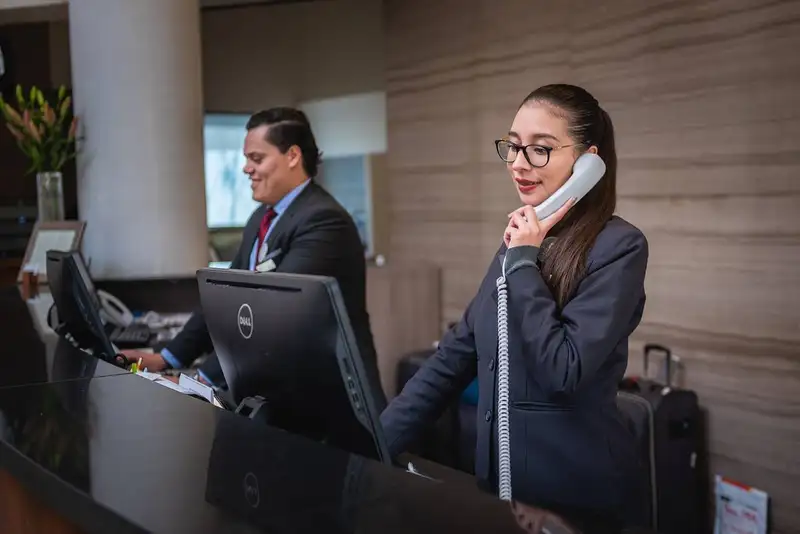
Start by training front desk and guest-facing staff to notice signs of a satisfied guest. If a guest says the room was great, compliments the team, or thanks staff during checkout, that is a good time for a simple review request. The ask should be friendly and short, not scripted or forceful.
For example, staff can say -
- "We're glad you had a good stay. If you have a minute later, we'd appreciate a review."
- "Thanks for staying with us. Your feedback helps us a lot."
That is enough. Staff do not need to explain your whole review strategy or ask more than once.
It is also important to train staff on when not to ask. If a guest had a problem that was not resolved, is visibly upset, or is in a rush, asking for a review can make the interaction worse. In those cases, the focus should be on service recovery, not review generation.
Another key point is compliance. Staff should not offer rewards, discounts, or gifts in exchange for positive reviews unless the platform rules and local policies clearly allow it. In most cases, it is better to avoid incentives and simply ask for honest feedback.
Finally, give your team a simple process. For example -
- Ask only at checkout or after positive interactions
- Keep the request under 10 seconds
- Flag unhappy guests for follow-up instead of review requests
- Let management handle difficult review responses
When staff know how to ask the right way, guests are more likely to respond positively, and your hotel's review strategy feels professional instead of pushy.
Dive Deeper into Customer Insights!
Capture Key Insights with Altametrics
Respond to Online Reviews in a Professional Way
First focus on positive reviews. These are a chance to reinforce what your hotel does well. Thank the guest, mention something specific from their comment, and keep the tone warm and professional. A short response like "Thank you for staying with us, and we're glad you enjoyed the clean room and helpful front desk team" feels more genuine than a generic "Thanks for your review."
Negative reviews require more care. The goal is not to argue or prove the guest wrong. The goal is to show that your hotel takes concerns seriously. A strong response usually includes -
- A thank you for the feedback
- A brief apology or acknowledgment of the issue
- A simple note that the issue is being reviewed or addressed
- A professional tone from start to finish
For example, if a guest mentions noise or a maintenance problem, acknowledge it directly and explain that your team is looking into it. Avoid blaming the guest or writing long defensive replies. Future guests notice professionalism more than perfect wording.
Speed also matters. Try to respond while the review is still recent. A quick reply shows your hotel is active and paying attention. It also helps keep your online profiles looking current.
To stay consistent, create simple response guidelines for your team or managers. You do not need a script for every situation, but you should have a clear tone - polite, calm, specific, and solution-focused.
Hotels will not get perfect reviews every time. What matters is how you respond. Consistent, thoughtful responses can strengthen trust, improve your online image, and support better booking decisions from future guests.
Use Review Feedback to Improve Hotel Operations
The key is to look for patterns, not just individual comments. One bad review may be an isolated issue, but repeated comments about the same problem usually mean there is an operational gap. For example, if multiple guests mention slow check-in, weak Wi-Fi, noise at night, or inconsistent room cleanliness, those are not review problems - they are service and process problems.
A simple way to use review feedback is to sort comments into categories such as -
- Housekeeping (room cleanliness, linens, bathroom issues)
- Front desk and service (friendliness, check-in speed, issue handling)
- Maintenance (air conditioning, lighting, plumbing, TV)
- Amenities (Wi-Fi, breakfast, parking, pool, gym)
- Comfort and noise (bed quality, hallway noise, outside traffic)
Once feedback is grouped, review it regularly with your team. You do not need complex software to start. Even a basic spreadsheet or weekly checklist can help you track repeated complaints and positive mentions.
It is also important to use positive reviews, not just negative ones. If guests consistently praise a certain staff member, a smooth check-in process, or clean rooms, that tells you what should be protected and repeated. Positive patterns are just as useful as complaints.
Turn review feedback into small action steps. For example -
- Add a room inspection checklist if cleanliness comments are increasing
- Adjust staffing at peak check-in times
- Create a faster process for maintenance requests
- Train staff on common service issues mentioned in reviews
When hotels treat reviews as operational data, review quality improves over time. Guests notice when issues are fixed, and better operations lead to better stays, stronger comments, and a more trusted hotel reputation online.
Online Reviews and Hotel SEO
For hotels, strong reviews can improve visibility in places like Google Search, Google Maps, TripAdvisor, and booking platforms. Search systems look for signs that a business is active, trusted, and relevant. Reviews help send those signals.
Three review factors matter most for digital presence -
- Quantity (how many reviews you have)
- Quality (your average rating and review detail)
- Recency (how often new reviews are posted)
A hotel with steady, recent reviews usually looks more active than a hotel with older reviews, even if both have similar ratings. Guests also trust recent feedback more because it reflects what the property is like now.
Review content also helps your digital footprint. Guests often mention specific words and phrases such as -
- clean rooms
- friendly staff
- easy check-in
- great location
- walkable area
- quiet hotel
These details can support how your hotel appears in search and how future guests understand your property. In simple terms, guest reviews create fresh, real-world content about your hotel without you having to write it yourself.
Reviews also affect clicks. When travelers compare options, they often choose the hotel with stronger ratings, more recent feedback, and professional responses. That means reviews can improve not only visibility, but also click-through rates from search results and booking sites.
To improve reviews for SEO and digital presence -
- Keep review activity consistent
- Focus on guest experience first
- Respond professionally to reviews
- Make it easy for guests to leave feedback
The big takeaway is simple, online reviews help your hotel get found, build trust, and win more bookings. They are not separate from marketing - they are one of the strongest parts of it.
Build Customer Loyalty!
Create your rewards program today!
Frequently
Asked Questions
When is the best time to ask for a hotel review?
- At checkout (if the guest seems happy)
- Within 24 hours after checkout by email or text
This keeps the stay fresh in the guest's mind.
How can I make it easier for guests to leave a review?
Which review platforms should hotels focus on?
- TripAdvisor
- OTA review pages (like booking platforms your guests use)
What should hotel staff be trained to do about reviews?
- When to ask for a review (after a positive interaction)
- How to ask politely without pressure
- When not to ask (during complaints or stressful moments)
- How to flag guest issues for management follow-up
Must-Read Content

10 Employee Retention Strategies for Restaurant Owners
Restaurant owners can cut turnover by paying fairly, onboarding well, scheduling flexibly, promoting growth, recognizing effort, offering meaningful benefits, listening to feedback, and hiring carefully for fit.
How to Reduce Supply Costs in Your Restaurant
Cut restaurant supply costs by understanding spending, auditing expenses, engineering menus, negotiating with suppliers, controlling inventory, reducing waste, and using technology to monitor everything continuously.

The Ultimate Guide to Managing Food Allergens in Restaurants
Food allergens require accurate labeling, employee training, cross-contact prevention, safe food handling, and consistent procedures to protect customers and improve restaurant safety.