What technology is used to control food costs in restaurants?
Common technologies include inventory management software, recipe costing systems, POS integration, purchasing software, food waste tracking, sales forecasting, and real-time reporting tools.
10 Ways Technology Can Help Control Food Cost in Restaurants

Overview
Food costs can quickly affect restaurant profitability when ingredients are wasted, inventory counts are inaccurate, or purchasing decisions are based on outdated information. Even small discrepancies in portion sizes, spoilage, or ingredient prices can add up across hundreds or thousands of menu items sold each month.
Technology gives restaurant owners better ways to control food cost by replacing manual processes with accurate, connected data. Inventory management software can track ingredient quantities, purchasing systems can help automate replenishment, recipe costing tools can calculate menu-item costs, and POS integration can connect sales with ingredient usage. Real-time reporting can then bring this information together so owners and managers can identify cost problems faster.
Technology can also help restaurants move from reacting to food cost problems to preventing them. Digital waste tracking can reveal which ingredients are being discarded most often. Sales forecasting can help determine how much food to prepare. Automated alerts can flag unusual inventory variances or sudden changes in ingredient costs before they have a larger impact on profitability.
The objective is to create a connected system that gives restaurant owners better visibility, more accurate data, and greater control over food spending.
Inventory Management Software
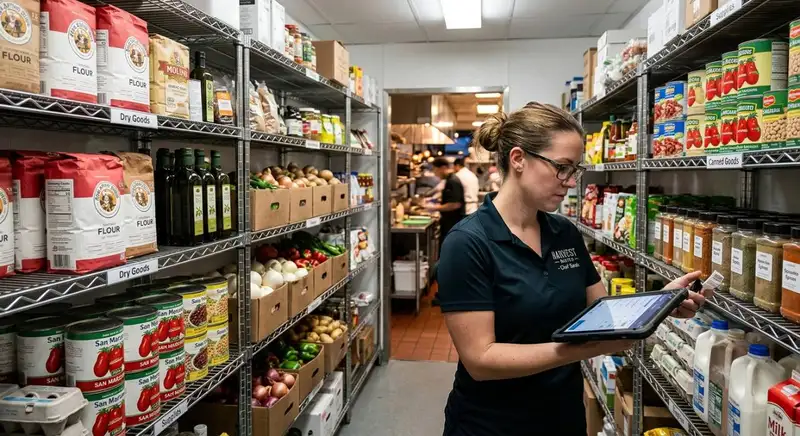
Accurate inventory data is the foundation of effective food cost control. When restaurant owners do not have a clear view of what is in stock, it becomes harder to know how much food to purchase, where ingredients are being used, or why actual food costs differ from expectations.
Inventory management software can automate much of this process. Instead of relying entirely on paper counts or spreadsheets, restaurant teams can record inventory digitally and maintain centralized information about ingredients, quantities, units, and costs. Managers can compare current inventory with previous counts to identify unusual changes and potential discrepancies.
Technology can also help restaurants establish par levels and reorder points for individual ingredients. When stock falls below a defined threshold, managers can determine what needs to be replenished without simply ordering based on habit. This can reduce unnecessary purchasing while helping prevent shortages that could disrupt food preparation.
Digital inventory tracking also makes it easier to monitor inventory variance. For example, if the system shows that a restaurant should have a certain quantity of an ingredient based on purchases and sales but the physical count is significantly different, managers have a reason to investigate. Possible causes can include waste, incorrect portions, spoilage, receiving errors, or inaccurate counts.
Restaurant owners should use inventory technology to regularly monitor beginning inventory, purchases, ending inventory, usage, and inventory variance. Consistent tracking creates a clearer picture of where food is going and gives managers the information needed to take action.
The more accurate the inventory data, the easier it becomes to identify unnecessary food spending and control food cost before small discrepancies become larger expenses.

Automate Purchasing and Ordering
Purchasing too much food can increase waste, spoilage, and storage costs, while purchasing too little can create shortages and emergency orders. Technology can help restaurants find a better balance by using inventory data, usage patterns, and predefined stock levels to support purchasing decisions.
Automated ordering systems can monitor ingredient quantities and compare them with established par levels or reorder points. When an item reaches its minimum stock level, the system can help identify the quantity needed for the next order. This gives managers a data-based starting point instead of relying entirely on manual calculations or estimates.
Technology can also use historical usage data to support purchasing decisions. If a restaurant consistently uses more of an ingredient on weekends than weekdays, managers can account for that difference when planning orders. Sales patterns, seasonal demand, promotions, and other operational factors can also be incorporated into purchasing decisions.
Digital purchasing records provide another layer of cost control. Restaurant owners can track how much they are spending on specific ingredients and monitor changes in supplier pricing over time. If the purchase price of an important ingredient increases, managers can investigate the impact on food cost and determine whether adjustments are needed.
To get the most value from automated ordering, restaurants should maintain accurate inventory levels, realistic par levels, current supplier pricing, and reliable usage data. Automation cannot compensate for incorrect information.
When purchasing technology is connected to inventory and sales data, restaurants can make more informed ordering decisions, avoid unnecessary inventory, and better control how much money is spent on ingredients.
Recipe Costing Software
A menu item can become less profitable when ingredient prices increase, portions change, or recipes are not followed consistently. Recipe costing software helps restaurant owners understand exactly how much it costs to produce each menu item and how ingredient price changes affect food cost.
A recipe costing system assigns a cost to each ingredient based on its current purchase price and the quantity used in a recipe. For example, a burger recipe can account for the cost of the bun, protein, cheese, sauce, vegetables, and other ingredients. The total ingredient cost provides a clearer picture of how much the restaurant spends to produce that item.
Technology makes it easier to update these calculations when supplier prices change. If the cost of an ingredient increases, the system can reflect the change across recipes that use that ingredient. Restaurant owners can then identify menu items with significant cost increases and review whether pricing, portion sizes, ingredients, or purchasing strategies need to be adjusted.
Recipe costing also supports portion control. Standardized recipes specify how much of each ingredient should be used for every menu item. When employees consistently follow those quantities, actual ingredient usage should be closer to the expected usage calculated by the system.
Restaurant owners should regularly review recipe costs rather than treating them as fixed numbers. Ingredient prices can change frequently, and outdated recipe costs can lead to inaccurate food cost calculations and purchasing decisions.
By combining accurate ingredient prices with standardized recipes, technology gives restaurants a clearer view of menu-item costs, ingredient usage, and potential food cost changes. This information helps owners identify where food spending is increasing and make more informed decisions about their menus.
Connect POS Data With Inventory Data
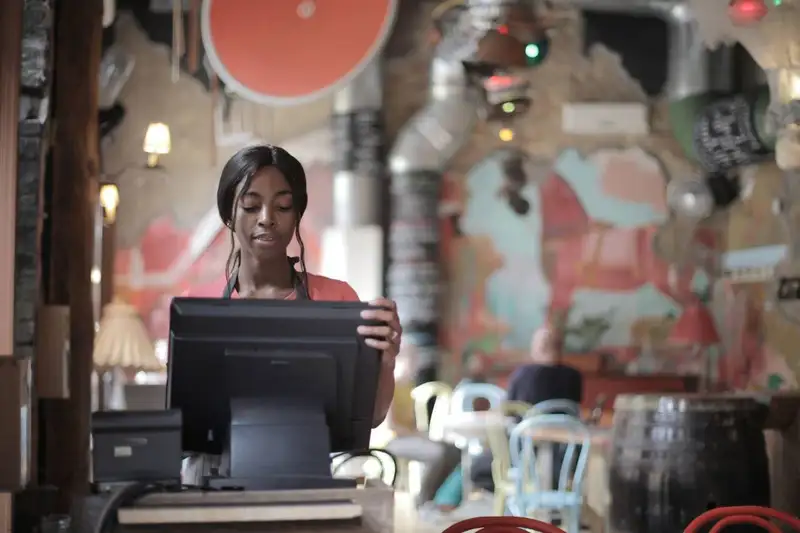
A restaurant's POS system contains valuable information about what customers purchase, while inventory software tracks the ingredients used to produce those menu items. Connecting POS and inventory data allows restaurant owners to link sales activity with ingredient usage and get a more complete view of food cost.
When a customer orders a menu item, the POS records the sale. An integrated inventory system can use the recipe associated with that item to estimate which ingredients should have been consumed. For example, selling 100 chicken sandwiches should generate an expected usage level for chicken, bread, sauce, vegetables, and other recipe components.
This creates an important comparison between theoretical food usage and actual food usage. Theoretical usage represents what should have been consumed based on sales and standardized recipes. Actual usage reflects what was physically removed from inventory. A significant difference between the two can indicate potential waste, portion inconsistencies, incorrect recipes, receiving errors, or other inventory discrepancies.
POS and inventory integration can also help restaurant owners analyze food costs by menu item. Managers can see which products generate high sales while consuming significant amounts of ingredients and identify items where ingredient costs are changing faster than expected.
For this system to produce useful information, restaurants need accurate recipes, consistent inventory counts, and properly configured POS items. Incorrect recipe quantities or missing ingredients can create misleading usage calculations.
By connecting sales and inventory data, restaurants can move beyond simply tracking how much food they purchased. They can better understand how sales translate into ingredient consumption, making it easier to identify discrepancies and take action to control food cost.

Track Food Waste Digitally
Food waste directly affects restaurant food cost. Ingredients that are spoiled, over-prepared, damaged, incorrectly prepared, or discarded after service represent money that has already been spent but cannot generate revenue. Digital waste tracking helps restaurant owners understand where and why food is being lost.
Instead of recording waste informally or relying on employees to remember what was discarded, restaurants can use software to document waste as it occurs. Managers can track the ingredient, quantity, reason for disposal, date, and location. This creates a consistent record that can be analyzed over time.
Technology can reveal patterns that may be difficult to identify through manual observation. For example, reports may show that a particular ingredient is regularly discarded because it expires before being used. Another ingredient may have unusually high waste because too much is prepared during slower periods. Repeated waste associated with a specific menu item could also indicate portioning or preparation issues.
Waste data should be connected to inventory and purchasing information whenever possible. This allows managers to see how discarded ingredients affect inventory levels and food costs. If a restaurant consistently wastes a particular ingredient, managers can review purchasing quantities, storage practices, preparation levels, or menu demand.
Restaurant owners should establish clear waste categories and require employees to record waste consistently. Useful categories can include spoilage, overproduction, preparation errors, damaged products, expired products, and customer returns.
The objective is not simply to record how much food is thrown away. The goal is to use that information to identify recurring causes and reduce unnecessary losses. Digital waste tracking turns food waste from an overlooked expense into measurable data that managers can use to control food cost.
Portion Sizes and Recipe Compliance
Portion sizes have a direct effect on ingredient usage and food cost. When employees use more ingredients than a standardized recipe requires, the additional usage can increase costs across thousands of menu items. Technology can help restaurants standardize recipes, monitor ingredient quantities, and identify potential inconsistencies.
Digital recipe management systems can provide employees with standardized instructions for preparing menu items. Recipes can specify ingredient quantities, preparation methods, serving sizes, and other details needed to maintain consistency. This gives kitchen staff a single reference point instead of relying on memory or outdated printed recipes.
Technology can also connect standardized recipes with inventory and POS data. If a menu item is sold, the system can calculate the expected amount of each ingredient used based on the recipe. Restaurant managers can then compare expected usage with actual inventory consumption.
For example, if a recipe calls for a specific amount of protein per serving but inventory usage consistently exceeds the amount expected from sales, managers can investigate the difference. The cause could be oversized portions, preparation waste, incorrect recipe quantities, or inaccurate inventory counts.
Consistent portion control helps make food costs more predictable. It also supports more accurate menu costing because the restaurant can better estimate how much each menu item should cost to produce.
Restaurant owners should regularly review recipe quantities and update digital recipes when ingredients, serving sizes, or preparation methods change. Managers can also use inventory variance reports to identify locations, shifts, or menu items that require additional attention.
By combining standardized digital recipes with inventory and sales data, restaurants can better control ingredient usage and reduce unnecessary costs caused by inconsistent portions.
Use Real-Time Food Cost Reporting
Restaurant owners need current information to understand whether food costs are moving in the right direction. Waiting until the end of a month or accounting period to identify a problem can make it harder to determine when the issue started or what caused it. Real-time food cost reporting gives managers more frequent visibility into the numbers that affect food spending.
Modern restaurant technology can bring information from inventory, purchasing, recipes, waste records, and sales into centralized dashboards and reports. Instead of manually combining data from different spreadsheets and systems, managers can review key food cost metrics in one place.
Important metrics can include actual food cost, theoretical food cost, inventory variance, ingredient usage, purchasing costs, and food waste. Comparing these measurements can help managers identify differences between expected and actual performance.
For example, if theoretical food cost remains stable but actual food cost increases, managers can investigate potential causes such as excessive waste, portion inconsistencies, inaccurate inventory counts, or changes in purchasing prices. If purchasing costs increase significantly for a particular ingredient, managers can also assess how that change affects overall food costs.
Automated reporting can make this process more consistent. Restaurant owners can establish regular reporting periods and create dashboards that highlight significant changes. Some systems can also provide alerts when specific metrics exceed predefined thresholds.
The goal is not to monitor every metric constantly. Restaurant owners should focus on the measurements that provide useful insight into food spending, ingredient usage, waste, and inventory performance.
With timely reporting, managers can identify potential food cost issues earlier, investigate the underlying cause, and make operational adjustments before the problem becomes a larger expense.
Sales Forecasting
Preparing too much food can lead to waste, while preparing too little can create shortages and affect service. Sales forecasting technology can help restaurants estimate future demand using historical sales data and other relevant factors.
Forecasting systems can analyze patterns such as sales by day of the week, time of day, season, menu item, and location. Restaurants can also account for factors such as holidays, promotions, special events, and other changes that may affect customer demand.
This information can help managers determine how much food should be prepared before a shift. Instead of relying entirely on employee judgment, kitchen teams can use demand estimates to establish more appropriate preparation quantities.
For example, if sales data shows that a particular ingredient consistently has lower demand on certain weekdays, managers may be able to reduce preparation quantities during those periods. If demand typically increases during a holiday or promotional period, the restaurant can plan inventory and preparation levels accordingly.
Forecasting can also support purchasing decisions. Expected sales can provide a starting point for determining how many ingredients will be required, while current inventory levels can help determine how much additional product needs to be ordered.
Forecasts should not be treated as guarantees. Unexpected changes in demand can still occur, so managers should compare forecasted sales with actual sales and adjust future forecasts as new information becomes available.
By using historical sales data to guide preparation and purchasing, restaurants can reduce the risk of producing more food than customers are likely to purchase. This helps limit unnecessary waste while keeping inventory and food preparation more closely aligned with actual demand.
Supplier Prices and Purchasing Costs
Ingredient prices can change over time, making it difficult for restaurant owners to maintain consistent food costs. A restaurant may purchase the same ingredient from the same supplier but pay a different price from one order to the next. Technology can help restaurants track these changes and understand their impact on food spending.
Digital purchasing systems can centralize information about vendors, ingredients, quantities, and purchase prices. This gives managers a clearer record of what the restaurant is paying for individual ingredients instead of relying on invoices or spreadsheets stored across different locations.
Tracking purchase prices over time can also help identify significant cost changes. If the price of a frequently used ingredient increases, restaurant owners can evaluate how that change affects recipe costs and overall food cost. They can then review purchasing quantities, supplier options, or menu pricing as appropriate.
Technology can also make it easier to compare purchasing activity across locations. For multi-unit restaurant operators, centralized purchasing data can reveal differences in ingredient costs, purchasing patterns, or vendor pricing between restaurants.
Accurate purchasing data is particularly valuable when connected to inventory and recipe costing. When a supplier price changes, the updated cost can flow into inventory valuations and recipe calculations, providing a more current view of food costs.
Restaurant owners should regularly review purchasing reports for high-volume and high-cost ingredients. Monitoring price changes can help identify unexpected increases before they have a significant effect on margins.
By using technology to track supplier prices and purchasing costs, restaurants can make purchasing decisions based on current data rather than outdated assumptions. This improves visibility into ingredient spending and supports more consistent food cost control.
Automated Alerts
Restaurant managers cannot manually review every inventory change, purchase, waste record, and food cost variance throughout the day. Automated alerts can help identify unusual activity and bring potential problems to a manager's attention sooner.
Restaurant technology can be configured to monitor specific conditions and notify managers when predefined thresholds are reached. For example, an alert could be triggered when an ingredient's inventory variance exceeds an established percentage, waste for a particular item increases significantly, or the purchase price of an ingredient changes unexpectedly.
These alerts are most useful when they are based on meaningful operational data. A restaurant might establish thresholds for inventory variances, food waste, ingredient price changes, stock levels, or unusual usage patterns. Managers can then investigate exceptions instead of manually reviewing every transaction.
For example, if inventory data indicates that an ingredient is being consumed substantially faster than POS sales and standardized recipes would suggest, an alert can prompt a manager to investigate. The underlying cause could be excessive portions, preparation waste, incorrect inventory counts, or another operational issue.
Automated alerts can also help prevent stock-related problems. When an important ingredient reaches its minimum inventory level, a notification can prompt the appropriate employee to review the item and determine whether an order is necessary.
The effectiveness of alerts depends on accurate data and properly configured thresholds. Too many notifications can make it difficult for managers to identify important issues, while thresholds that are too broad may allow meaningful problems to go unnoticed.
Restaurant owners should review alert settings regularly and adjust them as operating conditions change. Used correctly, automated alerts provide an additional layer of food cost control by helping managers identify exceptions, investigate causes, and respond before small discrepancies become larger expenses.


Employee scheduling
Employee Time Tracking Tips for Restaurants
Employee scheduling
7 Scheduling Mistakes Restaurant Owners Should Stop Making

Employee scheduling
Human Resource Management for Restaurants
Employee scheduling
Common Payroll Challenges in Restaurants
Sales forecasting
How to Use Restaurant Analytics to Improve Profitability

Restaurant management
The Complete Guide to Restaurant Reputation Management

Accounting payroll
Restaurant Cash Handling Procedures

Accounting payroll
How to Manage Restaurant Finances

Employee scheduling
How to Motivate Restaurant Staff
Frequently Asked Questions
How can technology reduce restaurant food waste?
Digital waste tracking records what food is discarded and why. Restaurants can analyze waste patterns and adjust purchasing, preparation quantities, storage, and production practices.
How can sales forecasting help control food cost?
Sales forecasting uses historical sales patterns and other demand factors to estimate future requirements. Restaurants can use forecasts to improve preparation and purchasing quantities and reduce overproduction.
What are automated food cost alerts?
Automated alerts notify managers when predefined conditions occur, such as unusually high inventory variance, increased waste, low stock levels, or significant ingredient price changes.
How does inventory software help control food cost?
Inventory software tracks ingredient quantities, costs, purchases, usage, and variances. This helps restaurants identify discrepancies, avoid unnecessary purchasing, and maintain more accurate food cost data.