What is the best way to track employee hours in a restaurant?
The best way to track employee hours is to use a digital time tracking system that records clock-ins, clock-outs, breaks, and total hours worked. Integrating time tracking with payroll can reduce manual data entry, improve accuracy, and simplify employee timecard reviews.
Employee Time Tracking Tips for Restaurants

The Importance of Accurate Employee Time Tracking
Accurate employee time tracking is essential for managing restaurant labor costs, processing payroll correctly, and keeping daily operations organized. Restaurant employees often work different shifts, cover for absent coworkers, stay late during busy periods, or arrive early to prepare for service. Without a reliable way to record these hours, restaurant owners can struggle to determine how much time employees actually work and how much labor costs each shift requires.
Accurate time tracking helps restaurant owners maintain control over payroll, staffing, and employee accountability. Here are the main reasons it matters.
1. Control labor costs - Labor is a major operating expense for restaurants. Tracking actual hours worked helps owners compare labor spending against sales, identify unnecessary overtime, and make better staffing decisions.
2. Improve payroll accuracy - Reliable time records help ensure employees are paid for the hours they work, including applicable overtime. Accurate records also reduce payroll corrections, disputes, and administrative work.
3. Maintain labor law compliance - Restaurants must follow applicable requirements for recording working hours, meal periods, rest breaks, and overtime. Consistent timekeeping helps owners maintain the records needed to demonstrate compliance.
4. Improve employee accountability - Clear timekeeping procedures establish consistent expectations for clocking in, clocking out, and recording breaks. They also help managers address repeated tardiness, missed punches, and other attendance issues fairly.
5. Make better scheduling decisions - Reviewing actual hours alongside scheduled shifts helps managers identify recurring staffing gaps, frequent shift extensions, and periods when labor demand does not match staffing levels.
For example, if employees regularly stay 15 minutes beyond their scheduled shifts, those additional minutes can accumulate into substantial labor hours across a week. Reviewing time records helps managers understand why shifts run longer and determine whether changes to scheduling, closing procedures, or task assignments are necessary.
Restaurant owners should also recognize that scheduled hours and actual hours worked are not always the same. A time tracking process must capture the time employees actually work rather than simply recording the hours listed on the schedule.
Start by reviewing how employees currently record their time, how managers correct errors, and how approved hours reach payroll. Identifying gaps in these processes provides a foundation for more efficient and accurate employee time tracking.
Establish Clear Clock-In and Clock-Out Procedures
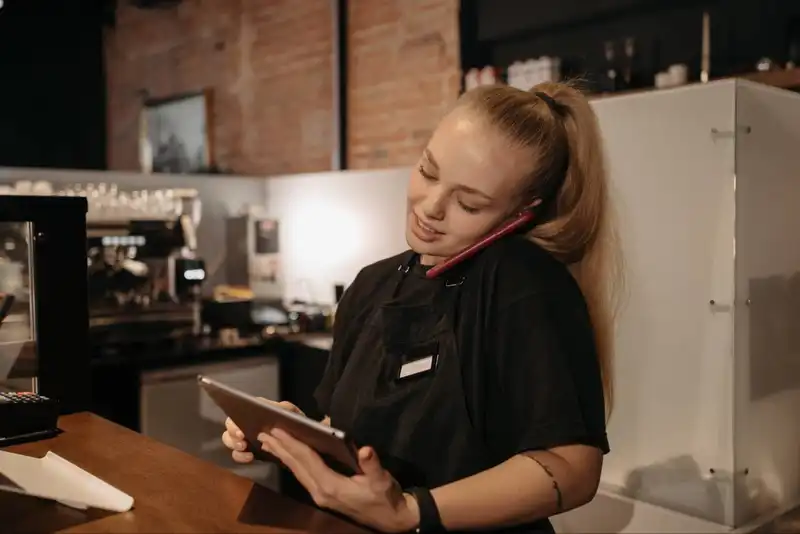
A consistent clock-in and clock-out process helps restaurant owners maintain accurate time records and prevent payroll errors. With employees working different shifts and responsibilities, unclear timekeeping rules can lead to missed punches, inaccurate hours, and confusion about when employees should record their time.
Establish clear timekeeping procedures so every employee understands when and how to record their working hours.
Set Clear Rules for Clocking In and Out
Define when employees should clock in before starting work and clock out after completing their duties. Employees should record their actual working time rather than automatically following their scheduled shift.
For example, a server scheduled to start at 4.00 p.m. should follow the restaurant's clock-in policy and accurately record when work begins. If the employee finishes closing duties later than scheduled, the time record should reflect the additional time worked.
Restaurant owners should establish procedures for -
1. Early arrivals - Explain when employees may clock in before their scheduled shifts and how early work must be handled.
3. Extended shifts - Ensure employees record all additional time worked when service runs longer than expected.
5. Missed punches - Provide a straightforward method for reporting and correcting missing clock-ins or clock-outs.
Create a Consistent Process for Correcting Errors
Missed punches can happen during busy restaurant shifts. Instead of allowing employees to estimate their hours informally or make unauthorized changes, create a documented correction process.
Require employees to report errors promptly, including the date, approximate time, and reason for the correction. Managers should verify the information, approve appropriate adjustments, and maintain an audit trail of changes. Employees must still be paid for all compensable time worked, even when a punch is missing or requires correction.
Train Employees and Managers on Timekeeping Expectations
Include timekeeping procedures in employee onboarding and provide refresher training when policies change. Managers should follow the same rules as employees and understand how to review attendance records, approve corrections, and address recurring issues.
The goal is to make time tracking consistent across every shift. When employees understand the rules and managers enforce them fairly, restaurants can reduce avoidable errors, simplify payroll preparation, and maintain more reliable records of hours worked.

Use Digital Time Tracking Tools
Manual timekeeping methods, such as paper timesheets and spreadsheets, can make it difficult to manage employee hours accurately, especially in restaurants with large teams or multiple locations. Managers may need to enter hours manually, correct mistakes, calculate overtime, and transfer information into payroll systems. These tasks take time and increase the risk of errors.
Digital employee time tracking tools help restaurants automate routine timekeeping tasks, improve record accuracy, and simplify payroll preparation.
Choose a Time Tracking System That Fits Your Restaurant
Restaurant owners should evaluate their current timekeeping process and identify which tasks create the most work. A small restaurant may need a simple digital time clock, while a multi-location operation may benefit from a centralized employee time tracking system.
Common options include -
1. Digital time clocks - Allow employees to record clock-ins and clock-outs electronically rather than using paper timesheets.
2. POS-integrated time tracking - Connect employee time records with the restaurant's point-of-sale system, helping managers access workforce information alongside operational data.
3. Mobile time tracking - Allows employees to record their time through authorized mobile devices when the system and workplace policies permit it.
4. Cloud-based timekeeping software - Stores employee time records in a centralized system, making it easier for authorized managers to review hours across shifts and locations.
When comparing these options, consider ease of use, reporting capabilities, payroll integration, access controls, and the ability to manage multiple locations.
Automate Time Calculations and Alerts
Digital time tracking software can reduce the need for manual calculations and help managers identify problems before payroll is processed. Depending on the system, useful features may include automatic hour totals, overtime alerts, missed-punch notifications, and timecard approval workflows.
For example, if an employee forgets to clock out after a closing shift, a system with missed-punch alerts can notify a manager to investigate the discrepancy. Similarly, overtime alerts can help managers review upcoming staffing needs and adjust future schedules where appropriate.
Automation does not eliminate the need for oversight. Managers should still verify unusual entries, review corrections, and confirm that recorded hours accurately reflect the time employees worked.
Integrate Time Tracking With Payroll
Using a time tracking system that integrates with payroll can reduce duplicate data entry and simplify the transfer of approved hours. It can also make it easier to identify discrepancies between timecards and payroll records.
Before choosing a solution, confirm that it supports the restaurant's payroll process, employee classifications, overtime calculations, and applicable break-recording requirements.
The right digital time tracking tool should reduce administrative work without making clocking in and out more complicated for employees. Prioritize systems that provide reliable records, clear reporting, and straightforward workflows for both staff and managers.
Track Employee Breaks and Meal Periods
Tracking employee breaks is an important part of maintaining accurate restaurant time records. Restaurant employees often work through busy lunch and dinner services, and changing customer demand can make it difficult to follow planned break schedules. Without a consistent process for recording breaks, managers may overlook missed meal periods, inaccurate time entries, or situations that require additional attention.
Accurate break tracking helps restaurant owners maintain reliable time records, identify scheduling problems, and follow applicable labor laws.
Understand the Difference Between Meal Periods and Rest Breaks
Restaurant owners should understand how meal periods and rest breaks differ under the labor laws that apply to their employees. Depending on the jurisdiction and circumstances, meal periods may be unpaid when employees are fully relieved of their duties, while short rest breaks are often paid.
Establish clear procedures for recording each type of break. Employees and managers should understand which breaks must be recorded, how they should be documented, and what to do when a break does not happen as planned.
Record Actual Break Times
Avoid relying solely on scheduled break times to determine when employees took their breaks. Employees should record actual break periods using the restaurant's approved timekeeping system.
For example, if a server is scheduled to take a meal period at 3.00 p.m. but cannot leave until 3.30 p.m. because of a rush, the time record should reflect what actually occurred.
Restaurant owners should establish procedures for handling -
1. Missed breaks - Require employees to report when a required break was not provided.
2. Interrupted breaks - Document situations in which an employee must resume work before a break is completed.
3. Shortened breaks - Record the actual duration rather than automatically entering the scheduled length.
4. Delayed breaks - Ensure employees and managers document changes that may affect applicable legal requirements.
Employees should not be encouraged to record a break they did not take or to work off the clock. Managers should investigate discrepancies promptly and arrange any required corrective action or compensation.
Use Technology to Improve Break Monitoring
Employee time tracking software can help managers monitor break records and identify potential problems. Depending on the system, features may include break reminders, alerts for missed or incomplete meal periods, and reports showing recurring scheduling issues.
These tools are particularly useful during peak service hours, when managers may have limited time to review individual employee records. However, automated alerts should support active management rather than replace it.
Review Break Records Regularly
Review break records before payroll is processed and investigate missing entries or unusual patterns. If employees regularly miss or delay breaks, examine whether staffing levels, shift assignments, or service demands are contributing to the problem.
Restaurant owners should also verify the requirements that apply to each location, since meal and rest break rules vary by jurisdiction.
Consistent break tracking makes it easier to maintain accurate time records and identify operational issues before they become recurring problems.
Monitor Overtime and Control Unplanned Labor Hours

Overtime can increase restaurant labor costs, particularly when employees regularly work beyond their scheduled shifts. Unexpected rushes, staff shortages, extended closing duties, and last-minute shift changes can all contribute to additional hours. Without an effective time tracking process, restaurant owners may struggle to identify these patterns before payroll is processed.
Monitoring employee hours throughout the workweek helps restaurant owners identify potential overtime, improve staffing decisions, and manage labor expenses more effectively.
Track Total Hours Worked Throughout the Week
Start by reviewing each employee's recorded hours across the applicable workweek. Do not rely exclusively on individual shift totals, since overtime eligibility often depends on the employee's total hours worked during a defined period.
Restaurant owners should establish a consistent process for reviewing hours across different shifts, departments, and locations when applicable. They should also ensure that the timekeeping system accounts for relevant work performed outside scheduled shifts.
For example, an employee who works several extended shifts during a busy week may approach an overtime threshold even if no individual shift appears unusually long. Reviewing cumulative hours helps managers identify this situation before assigning additional shifts.
Set Up Overtime Alerts and Notifications
Employee time tracking software may include alerts that notify managers when employees approach a defined number of hours or exceed their scheduled time. These notifications help managers review staffing needs before unplanned overtime becomes a recurring expense.
Useful practices include -
1. Set hour thresholds - Configure alerts around relevant overtime thresholds and internal scheduling limits.
2. Review extended shifts - Investigate why employees frequently stay late or arrive early to perform work.
3. Monitor shift changes - Check whether shift swaps or coverage arrangements are creating unexpected additional hours.
4. Examine overtime trends - Identify recurring patterns by location, department, day of the week, or shift.
These alerts should help managers plan staffing more effectively, not discourage employees from recording all hours worked.
Improve Scheduling to Reduce Unnecessary Overtime
Time tracking records can reveal where scheduling practices need improvement. If closing employees consistently work beyond their scheduled shifts, managers may need to adjust closing assignments or provide more realistic estimates for completing end-of-day tasks.
If employees regularly work overtime because of staff shortages, owners can review peak service periods, employee availability, and staffing coverage. Adjusting schedules to better match customer demand may reduce avoidable overtime while maintaining service quality.
However, overtime should not automatically be treated as a problem. Additional hours may be necessary during unexpected demand or employee absences, and all applicable overtime requirements must be followed.
Understand Applicable Overtime Requirements
Overtime rules vary by jurisdiction and may depend on factors such as hours worked, the length of a workday, the workweek, and employee classification. Restaurant owners should confirm which requirements apply to their workforce and configure their timekeeping and payroll processes accordingly.
Accurate overtime monitoring combines reliable time records, proactive scheduling, and consistent payroll review. By examining both total hours and the reasons behind extended shifts, restaurant owners can make better labor decisions without compromising accurate employee pay.

Prevent Time Theft and Correct Timekeeping Errors
Timekeeping errors can create unnecessary payroll expenses, inaccurate employee records, and disputes between staff and management. In restaurants, these problems may occur when employees forget to clock out, record incorrect hours, clock in for coworkers, or make unauthorized changes to their timecards.
Restaurant owners should establish reliable timekeeping controls that discourage time theft while ensuring employees receive accurate pay for all hours worked.
Identify Common Timekeeping Problems
Understanding the most common timekeeping issues helps restaurant owners determine which controls their operations need. Watch for the following problems -
1. Buddy punching - An employee clocks in or out on behalf of a coworker who is not present.
2. Missed punches - Employees forget to record their actual start or end times, creating gaps in timecards.
3. Unauthorized time edits - Employees or managers change recorded hours without proper authorization or documentation.
4. Early clock-ins and late clock-outs - Employees record time outside their scheduled shifts without following the restaurant's established procedures.
5. Off-the-clock work - Employees perform job duties before clocking in or after clocking out.
Not every discrepancy indicates intentional misconduct. Busy shifts, unfamiliar systems, and unclear procedures can also cause errors. Investigate unusual records before drawing conclusions.
Use Appropriate Timekeeping Controls
Digital time tracking systems can help reduce certain types of errors by assigning individual credentials to employees and maintaining records of timecard changes.
Depending on the system, useful controls may include personal identification numbers, authorized clock-in devices, manager approval workflows, and audit trails. Some systems also offer identity verification or location-based restrictions where legally permitted.
Restaurant owners should choose controls that fit their operations without creating unnecessary barriers to clocking in and out. Employees must be able to record their actual working time, including authorized early starts, extended shifts, and other compensable work.
Review Time Records for Unusual Patterns
Regularly examine timekeeping reports for recurring discrepancies. For example, multiple employees with identical clock-in times, repeated missing punches, or frequent manual adjustments may indicate a process problem that requires investigation.
Managers should compare records with available supporting information, ask employees for clarification when appropriate, and document any corrections. Avoid assuming that a discrepancy proves time theft without reviewing the circumstances.
Establish a Fair Correction and Accountability Process
Create a clear policy explaining how employees should report errors, how managers approve corrections, and how repeated violations are handled. Preserve the original entries and document the reason for each adjustment.
Apply the policy consistently across roles and locations. Employees should have a straightforward way to dispute inaccurate records without fear of retaliation for reporting legitimate concerns.
Effective timekeeping controls combine prevention, regular reviews, and fair error correction. By addressing problems promptly and maintaining transparent procedures, restaurant owners can improve time record accuracy, protect payroll integrity, and build employee trust.
Review Timecards Before Processing Payroll
Reviewing employee timecards before payroll is processed helps restaurant owners catch errors, verify recorded hours, and ensure employees receive accurate pay. Even with automated time tracking software, discrepancies can occur when employees forget to clock out, managers approve shift changes late, or break records are incomplete.
A consistent timecard review process helps prevent payroll mistakes and reduces the time spent correcting errors after employees have been paid.
Establish a Regular Timecard Review Schedule
Set a deadline for employees to review their time records and managers to approve timecards before each payroll run. The schedule should give everyone enough time to identify and correct discrepancies without delaying payroll.
Managers should review timecards for every employee, including servers, cooks, bartenders, hosts, dishwashers, and other hourly staff. For restaurants with multiple locations, assign clear responsibility for reviewing and approving records at each site.
Check for Common Timecard Errors
Before approving timecards, managers should examine entries for missing information, unusual patterns, and discrepancies between scheduled and actual hours.
Focus on the following areas -
1. Missing clock-ins or clock-outs - Identify incomplete shifts and confirm the actual hours worked with the employee.
2. Incorrect break records - Check whether recorded meal periods and rest breaks accurately reflect what occurred.
3. Unrecorded overtime - Verify that all hours worked are included and that applicable overtime rules are correctly applied.
4. Unexpected shift extensions - Investigate differences between scheduled shifts and recorded hours to understand whether adjustments are needed.
5. Unapproved timecard edits - Review manual corrections and confirm that each adjustment has appropriate documentation.
6. Duplicate or overlapping entries - Check for time records that could result in inaccurate hour totals.
Managers should investigate discrepancies rather than automatically changing entries to match the schedule. Employees must be paid for all compensable hours worked, regardless of whether the time was scheduled or approved in advance.
Give Employees an Opportunity to Verify Their Hours
Encourage employees to review their timecards before payroll closes. They should be able to report missing punches, incorrect break entries, or other discrepancies through a straightforward process.
When an employee disputes a time record, investigate the issue promptly and document the resolution. Managers should communicate corrections clearly so employees understand how their recorded hours were determined.
Reconcile Approved Hours With Payroll
Once timecards have been reviewed, compare approved hours with the information transferred to payroll. Confirm that regular hours, overtime, applicable premiums, and other relevant pay calculations are handled correctly.
If the restaurant uses integrated time tracking and payroll software, verify that data transfers are working as expected. Integration can reduce duplicate entry, but it does not eliminate the need to check for errors.
Finally, maintain timecards, correction histories, approvals, and supporting records according to applicable recordkeeping requirements.
Making timecard reviews part of the regular payroll routine helps restaurant owners maintain accurate records, reduce administrative work, and resolve discrepancies before they affect employee pay.
Measure Time Tracking Performance
Accurate employee time tracking requires regular monitoring and continuous improvement. Even when a restaurant has clear policies and digital timekeeping tools, recurring issues can develop as staffing levels, shift patterns, and operating procedures change. Reviewing time tracking performance helps restaurant owners identify these problems and make adjustments before they create larger payroll or operational challenges.
Monitoring key timekeeping metrics helps restaurant owners measure accuracy, identify inefficiencies, and improve how employees record their working hours.
Start by identifying the indicators that reveal how well the current process is working. Review these metrics regularly to spot recurring issues and determine whether corrective actions are effective.
Important metrics include -
1. Missed punches - Track how frequently employees forget to clock in or clock out. A high number of missed punches may indicate unclear procedures or an inconvenient timekeeping system.
2. Timecard corrections - Monitor how often managers need to adjust recorded hours. Frequent corrections may point to training gaps or problems with the timekeeping process.
3. Overtime hours - Review overtime trends by employee, department, location, and workweek to identify staffing challenges or recurring schedule extensions.
4. Payroll discrepancies - Track errors between approved timecards and processed payroll to identify problems with calculations, approvals, or data transfers.
5. Approval delays - Measure how often timecards remain unapproved past internal deadlines, potentially delaying payroll preparation.
Use these indicators to establish a baseline and evaluate whether timekeeping improvements are reducing errors and administrative work.
Train Employees and Managers Regularly
Employees should understand how to use the timekeeping system, record breaks, report missed punches, and review their timecards. Managers need additional training on reviewing records, approving corrections, identifying discrepancies, and following applicable labor requirements.
Include timekeeping instructions in new-hire onboarding and provide refresher training when policies or software change. Clear training reduces confusion and helps employees follow the same procedures across shifts and locations.
Review and Update Timekeeping Policies
Evaluate your time tracking process periodically to determine whether it still meets the restaurant's needs. Gather feedback from employees and managers about recurring problems, unnecessary steps, and system limitations.
If employees frequently forget to clock out, consider improving reminders or adjusting the clock-out process. If managers spend excessive time correcting records, investigate whether clearer instructions or automated alerts could reduce the workload.
Restaurant owners should also review policies when opening new locations, changing payroll systems, or facing changes in applicable labor laws.
Efficient employee time tracking depends on clear procedures, reliable technology, and consistent oversight. By monitoring performance and addressing problems as they arise, restaurant owners can reduce timekeeping errors, simplify payroll preparation, improve labor visibility, and maintain accurate employee records.


Employee scheduling
Employee Time Tracking Tips for Restaurants

Employee scheduling
7 Scheduling Mistakes Restaurant Owners Should Stop Making

Employee scheduling
Human Resource Management for Restaurants
Employee scheduling
Common Payroll Challenges in Restaurants

Sales forecasting
How to Use Restaurant Analytics to Improve Profitability

Restaurant management
The Complete Guide to Restaurant Reputation Management

Accounting payroll
Restaurant Cash Handling Procedures


Accounting payroll
How to Manage Restaurant Finances

Employee scheduling
How to Motivate Restaurant Staff
Frequently Asked Questions
How can restaurant owners improve employee time tracking?
Restaurant owners can improve employee time tracking by establishing clear clock-in procedures, using digital timekeeping tools, monitoring breaks and overtime, correcting missed punches promptly, and reviewing timecards before payroll. Regular employee training also helps maintain consistent and accurate records.
What features should restaurant employee time tracking software include?
Useful features include digital clock-ins and clock-outs, automated hour calculations, break tracking, overtime alerts, missed-punch notifications, manager approvals, audit trails, reporting, and payroll integration. Restaurants with multiple locations may also benefit from centralized timekeeping and location-specific reporting.
How can restaurant managers reduce missed punches?
Managers can reduce missed punches by training employees on clock-in procedures, placing time clocks in convenient locations, using automated reminders, and enabling missed-punch alerts. A simple correction process also encourages employees to report errors promptly instead of allowing inaccurate records to accumulate.
What records should restaurants maintain for employee time tracking?
Restaurants should maintain accurate records of hours worked, clock-in and clock-out times, applicable break records, overtime, timecard corrections, and relevant approvals. Specific requirements and retention periods vary by jurisdiction, so owners should confirm the rules that apply to their employees and locations.