How can restaurants prevent health code violations?
Restaurants can prevent violations through regular inspections, employee training, food safety checklists, temperature monitoring, proper sanitation procedures, organized storage, and timely corrective actions.
The Most Common Restaurant Health Code Violations

Understand Restaurant Health Code Violations
Restaurant health code violations occur when a food service operation fails to meet health and safety requirements established by local, state, or federal authorities. These requirements are designed to reduce foodborne illness risks and maintain safe conditions for employees and customers.
Violations can occur in nearly every part of restaurant operations. Common examples include improper food handling, incorrect food temperatures, inadequate cleaning, poor employee hygiene, pest activity, unsafe food storage, and facility maintenance problems.
Why Health Code Violations Happen
Many violations are caused by inconsistent daily procedures rather than a single major problem. A restaurant may have proper food safety policies but still receive violations when employees fail to follow them consistently.
Common causes include -
1. Employees not following established food safety procedures
2. Inadequate training or inconsistent retraining
3. Food temperatures not being checked or documented
4. Cleaning and sanitation tasks being missed
5. Improper food storage or labeling
6. Equipment that is damaged or poorly maintained
7. Pest activity that is not addressed quickly
8. Incomplete or outdated compliance records
Why Restaurant Owners Should Monitor Violations
Health code violations can affect more than the outcome of an inspection. Repeated problems can create food safety risks, require corrective action, increase operating costs, and potentially result in penalties depending on local requirements.
The best approach is to identify potential problems before an inspector does. Restaurant owners can conduct routine inspections, maintain clear procedures, train employees, and monitor high-risk areas throughout daily operations.
Health code requirements also vary by jurisdiction, so restaurant owners should understand the rules enforced by their local health department rather than relying on a single set of requirements for every location.
The most common violations generally fall into several categories - food handling, temperature control, sanitation, employee hygiene, pest control, food storage, and facility maintenance. Understanding these categories makes it easier to identify risks and build preventive procedures around them.
Food Handling Violations
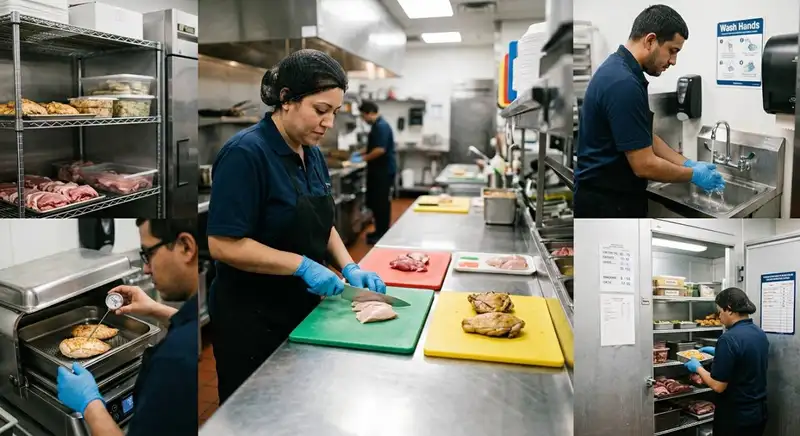
Food handling violations occur when employees prepare, handle, or serve food in ways that can increase the risk of contamination or foodborne illness. These violations are among the most important areas for restaurant owners to monitor because food can become contaminated at multiple points between delivery and service.
One common problem is cross-contamination. Raw meat, poultry, seafood, eggs, and other potentially hazardous foods should be kept separate from ready-to-eat foods. Using the same cutting boards, knives, utensils, or preparation surfaces without proper cleaning and sanitizing can transfer harmful microorganisms between foods.
Improper handwashing is another frequent food handling problem. Employees should wash their hands at appropriate times, including before handling ready-to-eat food, after handling raw ingredients, after using the restroom, and whenever their hands may have become contaminated.
Restaurants should also monitor how employees use gloves and utensils. Gloves do not replace handwashing and can spread contamination when employees touch multiple surfaces or food items without changing them.
Common Food Handling Violations
Restaurant owners should pay particular attention to -
1. Cross-contamination between raw and ready-to-eat foods
2. Improper handwashing before food preparation
3. Touching ready-to-eat food with bare hands when prohibited
4. Reusing contaminated utensils or preparation equipment
5. Improper handling of raw meat, poultry, seafood, or eggs
6. Using contaminated cutting boards or preparation surfaces
7. Improper glove use or failure to change gloves
8. Handling food after touching contaminated surfaces
Preventing these violations requires clear procedures and consistent employee training. Managers can reinforce proper food handling during daily operations by observing preparation practices, checking workstations, and correcting unsafe behaviors as they occur.
Restaurant owners should also establish clear separation between raw and ready-to-eat foods throughout preparation, storage, and service. Regularly reviewing these procedures helps reduce contamination risks and keeps food handling practices consistent across shifts.
Food Temperature Control Violations
Food temperature control is a critical part of restaurant food safety. Improper temperatures can allow harmful bacteria to grow, particularly when potentially hazardous foods are held, cooked, cooled, or reheated incorrectly.
Temperature violations can happen at several points during restaurant operations. Food may be delivered at an unsafe temperature, stored incorrectly, left too long in a preparation area, or held at an improper temperature during service. Restaurants can also create problems when cooked food is cooled or reheated incorrectly.
Common Temperature Control Violations
Restaurant owners should monitor for -
1. Improper hot or cold holding temperatures
2. Failure to check food temperatures regularly
3. Incorrect cooking temperatures
4. Improper reheating practices
5. Food that is cooled too slowly
6. Improper thawing methods
7. Refrigerators or freezers operating outside required temperatures
8. Missing or inaccurate temperature records
Temperature monitoring should be part of routine restaurant operations rather than something performed only before an inspection. Employees should know which foods require temperature checks, how to use thermometers correctly, and when temperatures should be recorded.
Equipment also plays an important role. Refrigerators, freezers, hot-holding equipment, and other temperature-controlled units should be monitored to identify problems before food reaches unsafe conditions. A malfunctioning refrigerator, for example, can affect large quantities of inventory if the problem is not identified quickly.
Establish Consistent Temperature Controls
Restaurants can reduce temperature-related violations by establishing clear procedures for receiving, cooking, holding, cooling, reheating, and storing food. Managers should also review temperature records and investigate repeated problems instead of simply recording the readings.
Because specific temperature requirements can vary by jurisdiction and food type, restaurant owners should follow the requirements established by their applicable health authority. Consistent monitoring, employee training, and timely corrective action can help prevent temperature problems from becoming recurring health code violations.
Cleaning and Sanitation Violations
Cleaning and sanitation violations occur when restaurants fail to properly clean, sanitize, or maintain areas and equipment used for food preparation and service. A clean-looking restaurant can still have sanitation problems if food-contact surfaces, utensils, equipment, or other high-touch areas are not cleaned using the required procedures.
One common issue is failing to distinguish between cleaning and sanitizing. Cleaning removes food, grease, dirt, and other debris from a surface, while sanitizing reduces microorganisms to an acceptable level after the surface has been cleaned. Both steps are important when required for food-contact surfaces.
Common Sanitation Violations
Restaurant owners should regularly monitor -
1. Dirty food-contact surfaces
2. Improperly cleaned utensils and equipment
3. Incorrect sanitizer concentration or application
4. Poor dishwashing practices
5. Accumulated grease, food debris, or residue
6. Dirty floors, walls, or preparation areas
7. Cleaning chemicals stored incorrectly
8. Cleaning tools that are contaminated or improperly maintained
9. Cleaning tasks that are missed or performed inconsistently
Dishwashing is another area that requires close attention. Restaurants should follow the required procedures for washing, rinsing, and sanitizing dishes and utensils. Equipment such as dish machines should also be maintained and operated according to applicable requirements.
Build a Consistent Cleaning Routine
A written cleaning schedule can help employees understand what needs to be cleaned, how often it should be cleaned, and who is responsible for the task. High-use areas and food-contact surfaces may require more frequent attention than areas that are cleaned less often.
Managers should verify that scheduled cleaning tasks are actually completed rather than relying only on employee sign-offs. Regular walkthroughs can identify missed areas, improper cleaning methods, or recurring sanitation problems.
Restaurants should also store cleaning chemicals separately from food and food-contact equipment and follow product instructions for safe use. Maintaining consistent cleaning and sanitation procedures helps reduce contamination risks and keeps the restaurant prepared for routine health inspections.
Employee Hygiene Violations
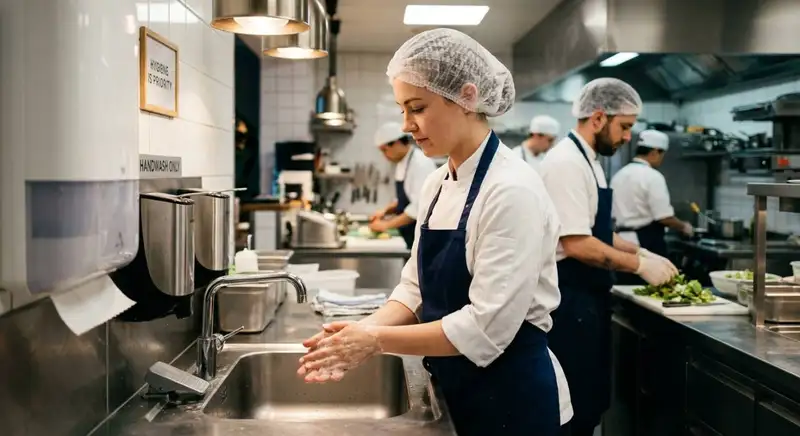
Employee hygiene plays a major role in preventing food contamination. Restaurant employees can unintentionally transfer harmful microorganisms to food, utensils, equipment, or preparation surfaces when proper hygiene practices are not followed.
One of the most common issues is improper handwashing. Employees should wash their hands at the required times, including before beginning food preparation, after using the restroom, after handling raw foods, and after touching potentially contaminated surfaces.
Common Employee Hygiene Violations
Restaurant owners should monitor for -
1. Failure to wash hands properly or frequently enough
2. Handling ready-to-eat foods with bare hands when prohibited
3. Improper glove use
4. Employees working while experiencing symptoms that may require exclusion or restriction
5. Touching the face, hair, phone, or other personal items while handling food
6. Wearing contaminated clothing or protective equipment
7. Eating, drinking, or using tobacco products in areas where these activities are restricted
8. Failing to maintain appropriate personal cleanliness
Gloves can provide an additional barrier when used correctly, but they do not replace handwashing. Employees should wash their hands before putting on gloves and replace gloves when they become contaminated, damaged, or when employees change tasks as required.
Train Employees on Hygiene Procedures
Employee hygiene standards should be part of initial training and reinforced throughout employment. Managers can demonstrate proper handwashing, explain when gloves must be changed, and establish clear procedures for employees who become sick during a shift.
Supervisors should also observe employee practices during normal operations. Correcting problems when they occur is more effective than waiting until a health inspection identifies them.
A consistent hygiene program should combine employee training, clear procedures, manager oversight, and regular reinforcement. These practices help reduce contamination risks while creating more consistent food-handling standards across every shift.
Elevate Food Safety, Simplify Compliance!
Experience Seamless Food Safety with Altametrics!
Pest Control and Food Storage Violations
Pest activity and improper food storage can create significant food safety risks. Restaurants need to protect food from contamination while also maintaining storage areas that discourage rodents, insects, and other pests.
Pest-related violations can occur when food debris, standing water, waste, or improperly stored ingredients provide pests with access to food and shelter. Gaps around doors, walls, pipes, or other building areas can also create entry points.
Common Pest Control Violations
Restaurant owners should monitor for -
1. Evidence of rodents, insects, or other pests
2. Food or waste that attracts pests
3. Open doors or gaps that allow pests to enter
4. Improperly stored garbage
5. Standing water or areas with excessive moisture
6. Food debris accumulating in hard-to-reach areas
7. Failure to address signs of pest activity promptly
Food storage creates another set of potential violations. Ingredients should be stored in a way that protects them from contamination and keeps them at required temperatures. Raw and ready-to-eat foods should also be separated according to applicable food safety requirements.
Common Food Storage Violations
These can include -
1. Storing food at improper temperatures
2. Keeping food directly on the floor
3. Improper labeling or dating
4. Storing raw foods above ready-to-eat foods when separation is required
5. Using damaged or contaminated food containers
6. Failing to rotate inventory properly
7. Storing food or supplies in a way that prevents adequate cleaning
Restaurant owners can reduce these problems by keeping storage areas organized and conducting regular inspections. Managers should check shelves, refrigerators, freezers, dry storage areas, dumpsters, and other locations where food or waste is present.
A first-expired, first-out (FEFO) approach can help employees use products based on expiration or use-by dates, while clearly labeled containers make it easier to identify ingredients and remove items that should no longer be used.
Pest prevention should also focus on eliminating conditions that attract pests rather than relying only on treatment after an infestation occurs. Keeping food sealed, removing waste regularly, cleaning spills quickly, and maintaining the building can help reduce opportunities for pests to enter and remain in the restaurant.
Facility and Equipment Maintenance
Restaurant health inspections can also identify problems with the physical condition of the facility and the equipment used to prepare, store, and serve food. Damaged surfaces, faulty equipment, plumbing problems, and poorly maintained work areas can create sanitation or food safety risks.
Facility maintenance is especially important in high-use areas such as kitchens, preparation stations, storage rooms, restrooms, and dishwashing areas. Small maintenance problems can become larger issues when they are not identified and corrected promptly.
Common Facility Maintenance Violations
Restaurant owners should regularly check for -
1. Damaged floors, walls, ceilings, or doors
2. Cracks or openings that can allow pests to enter
3. Plumbing leaks or drainage problems
4. Inadequate lighting in food preparation or storage areas
5. Poor ventilation
6. Damaged or poorly maintained handwashing stations
7. Broken sinks, faucets, or drains
8. Accumulated grease or moisture in facility areas
9. Equipment that is damaged or difficult to clean
Food safety equipment also requires regular attention. Refrigerators, freezers, cooking equipment, dish machines, thermometers, and other critical equipment should operate properly and be maintained according to applicable requirements.
Establish Preventive Maintenance Procedures
Restaurants should not wait for equipment to fail or an inspector to identify a facility problem. Managers can conduct routine walkthroughs to identify damaged surfaces, leaks, equipment problems, and other maintenance issues.
A preventive maintenance process should identify what needs to be inspected, how frequently it should be checked, who is responsible, and how problems should be documented and resolved.
Priority should be given to issues that can directly affect food safety. For example, a refrigerator that cannot maintain required temperatures may require immediate attention because it can affect food stored inside the unit.
Keeping maintenance records can also help managers track recurring problems and determine when equipment needs repair or replacement. Regular facility inspections combined with timely corrective action can help prevent maintenance issues from becoming recurring health code violations.
Create a System to Prevent Health Code Violations
Preventing health code violations requires more than preparing for an inspection. Restaurant owners need a consistent system that identifies problems during normal operations and ensures corrective actions are completed.
A preventive approach can combine routine inspections, employee training, checklists, documentation, and management oversight to keep food safety procedures consistent across shifts and locations.
1. Conduct Routine Internal Inspections - Managers can perform regular walkthroughs using the same major categories covered by health inspections. Check food handling, temperatures, sanitation, employee hygiene, pest activity, storage areas, and facility conditions. Finding problems internally gives the restaurant an opportunity to correct them before they become recurring issues.
2. Use Restaurant Food Safety Checklists - A checklist can organize recurring tasks and establish clear expectations for employees. It can cover areas such as -
- Food temperatures
- Cleaning and sanitizing
- Handwashing
- Food storage
- Equipment condition
- Pest activity
- Waste management
- Facility maintenance
Checklists should be reviewed and updated when procedures, equipment, or applicable requirements change.
3. Assign Responsibility for Corrective Actions - Identifying a problem is only the first step. Each issue should have an assigned person responsible for correcting it, along with a clear timeframe for completion. Managers can then verify that the corrective action was completed rather than assuming the issue was resolved.
4. Train and Reinforce Food Safety Procedures - Employees should understand not only what procedures to follow but also when those procedures apply. Training should cover food handling, temperature control, sanitation, personal hygiene, storage, and other responsibilities relevant to each position. Regular reinforcement can help maintain consistent practices when employees change roles or new staff members join the restaurant.
5. Document and Monitor Recurring Problems - Restaurant owners can use inspection records, temperature logs, cleaning records, maintenance reports, and corrective-action documentation to identify patterns. If the same violation repeatedly appears, the underlying procedure may need to be changed. For example, recurring temperature problems could indicate inadequate employee training, equipment issues, or an ineffective monitoring process.
6. Use Technology to Support Compliance - Digital checklists, temperature monitoring systems, automated alerts, and centralized records can help restaurants track food safety tasks and identify problems more quickly.
A consistent system helps managers identify risks, assign corrective actions, verify completion, and maintain better visibility into restaurant health and safety practices.
Create, Implement, and Execute Multiple Daily Checklists
Streamline Your Operations with Altametrics
Inventory management
How to Conduct a Food Waste Audit in Your Restaurant

Software integration
Smart Ways to Use AI in Your Restaurant

Employee scheduling
Employee Time Tracking Tips for Restaurants
Employee scheduling
7 Scheduling Mistakes Restaurant Owners Should Stop Making

Employee scheduling
Human Resource Management for Restaurants
Employee scheduling
Common Payroll Challenges in Restaurants

Sales forecasting
How to Use Restaurant Analytics to Improve Profitability

Restaurant management
The Complete Guide to Restaurant Reputation Management

Accounting payroll
Restaurant Cash Handling Procedures
Frequently Asked Questions
How can restaurant owners prepare for a health inspection?
Owners can conduct internal inspections, review food safety procedures, check equipment, verify temperature records, inspect storage areas, reinforce employee hygiene practices, and correct outstanding maintenance or sanitation issues.
What food handling practices can cause health code violations?
Cross-contamination, improper handwashing, unsafe handling of raw foods, incorrect glove use, and improper handling of ready-to-eat foods can result in violations.
What are common restaurant sanitation violations?
Common sanitation violations include dirty food-contact surfaces, improper dishwashing, incorrect sanitizer use, contaminated equipment, accumulated food debris, and inconsistent cleaning practices.
What employee hygiene practices can lead to violations?
Common problems include improper handwashing, incorrect glove use, handling ready-to-eat foods improperly, poor personal cleanliness, and working while experiencing symptoms that may require restriction or exclusion.