
Daily Task List Basics
A daily task list is more than a list of chores. For restaurant owners, it is a simple system that helps keep the business clean, organized, staffed, stocked, and ready for service every day. In a restaurant, small missed tasks can quickly become bigger problems. A cooler temperature that is not checked, a missing prep item, a late employee, an unclean restroom, or an unbalanced cash drawer can affect both the guest experience and daily profits.
A strong daily task list gives owners and managers a clear process to follow before, during, and after service. Instead of relying on memory or verbal reminders, the team has a written guide that shows what needs to be done, who is responsible, and what still needs attention.
The main value of a daily task list is control. It connects key areas of the restaurant, including food safety, labor, inventory, cleaning, equipment, cash handling, and customer service. When these areas are checked every day, managers can catch problems early instead of reacting after they become costly.
The best daily task lists are practical, specific, and easy to follow. They help turn daily restaurant operations into a repeatable routine.
A strong daily task list gives owners and managers a clear process to follow before, during, and after service. Instead of relying on memory or verbal reminders, the team has a written guide that shows what needs to be done, who is responsible, and what still needs attention.
The main value of a daily task list is control. It connects key areas of the restaurant, including food safety, labor, inventory, cleaning, equipment, cash handling, and customer service. When these areas are checked every day, managers can catch problems early instead of reacting after they become costly.
The best daily task lists are practical, specific, and easy to follow. They help turn daily restaurant operations into a repeatable routine.
Opening Duties to Check

Opening duties help prepare the restaurant for a smooth day of service. Before guests arrive, managers should make sure the building, staff, kitchen, dining room, and systems are ready. A clear daily task list makes this easier because it shows exactly what needs to be checked before the doors open.
1. Guest Areas - The first step is to walk through the restaurant and inspect all guest-facing spaces. Doors should be unlocked on time, lights should be turned on, alarms should be disabled, and the entrance should look clean and welcoming. Tables, chairs, floors, restrooms, menus, counters, and waiting areas should all be checked before service begins. These details shape the first impression customers have when they walk in.
2. Equipment - Managers should confirm that key equipment is working properly. This includes ovens, fryers, grills, refrigerators, freezers, dish machines, ice machines, coffee machines, POS terminals, receipt printers, payment devices, online ordering tablets, and delivery app systems. Catching a problem before service starts gives the team more time to fix it, adjust prep, or change the service plan.
3. Staffing - Staffing should be reviewed early in the day. Managers need to confirm who arrived on time, who is late, who called out, and whether the schedule still matches expected sales. If the restaurant is short-staffed, the manager may need to adjust sections, move employees into different roles, or call in backup support before the rush begins.
4. Prep and Stock - Before service starts, the team should check food prep, beverages, takeout supplies, paper goods, cleaning supplies, and high-use ingredients. Missing items can slow down service and create stress during busy hours. A daily opening task list helps the team catch shortages before they affect guests.
Opening duties are not just routine chores. They are readiness checks that help restaurant owners protect service quality, reduce surprises, and start each day with more control.
1. Guest Areas - The first step is to walk through the restaurant and inspect all guest-facing spaces. Doors should be unlocked on time, lights should be turned on, alarms should be disabled, and the entrance should look clean and welcoming. Tables, chairs, floors, restrooms, menus, counters, and waiting areas should all be checked before service begins. These details shape the first impression customers have when they walk in.
2. Equipment - Managers should confirm that key equipment is working properly. This includes ovens, fryers, grills, refrigerators, freezers, dish machines, ice machines, coffee machines, POS terminals, receipt printers, payment devices, online ordering tablets, and delivery app systems. Catching a problem before service starts gives the team more time to fix it, adjust prep, or change the service plan.
3. Staffing - Staffing should be reviewed early in the day. Managers need to confirm who arrived on time, who is late, who called out, and whether the schedule still matches expected sales. If the restaurant is short-staffed, the manager may need to adjust sections, move employees into different roles, or call in backup support before the rush begins.
4. Prep and Stock - Before service starts, the team should check food prep, beverages, takeout supplies, paper goods, cleaning supplies, and high-use ingredients. Missing items can slow down service and create stress during busy hours. A daily opening task list helps the team catch shortages before they affect guests.
Opening duties are not just routine chores. They are readiness checks that help restaurant owners protect service quality, reduce surprises, and start each day with more control.
Create, Implement, and Execute Multiple Daily Checklists
Streamline Your Operations with Altametrics
Food Safety and Cleanliness Checks
Food safety should be part of every restaurant's daily task list. It is not something owners should only think about during inspections. A clean and safe restaurant protects guests, employees, and the business. When food safety checks happen every day, managers can catch small problems before they turn into bigger risks.
1. Temperature Checks - Managers should check cooler, freezer, and hot-holding temperatures at the start of the day and throughout service. If food is not held at the right temperature, it can create safety risks and lead to waste. Temperature logs also give the restaurant a record that checks were completed.
2. Food Storage - Food should be stored correctly before service begins. Raw proteins should be separated from ready-to-eat foods, containers should be covered, and items should be placed in the right storage areas. Walk-ins, reach-ins, dry storage, and prep stations should be reviewed daily to make sure food is organized and protected.
3. Labels and Dates - Every prepared item should have a clear label and date. Managers should check expiration dates, use-by dates, prep dates, and rotation. Older products should be used first, and expired items should be removed immediately. This helps reduce spoilage, protect food quality, and prevent unsafe products from reaching customers.
4. Cleaning Standards - Daily cleaning checks should include prep tables, cutting boards, floors, drains, sinks, restrooms, counters, dining areas, beverage stations, and high-touch surfaces. Sanitizer buckets, handwashing stations, soap, gloves, paper towels, and cleaning supplies should also be checked before and during service.
5. Employee Habits - Food safety also depends on employee behavior. Managers should watch for proper handwashing, glove use, clean uniforms, safe food handling, and clean workstations. If a bad habit appears, it should be corrected right away instead of waiting until the end of the shift.
For restaurant owners, food safety and cleanliness checks are daily protection. They help reduce health risks, improve guest confidence, lower waste, and keep the restaurant ready for service.
1. Temperature Checks - Managers should check cooler, freezer, and hot-holding temperatures at the start of the day and throughout service. If food is not held at the right temperature, it can create safety risks and lead to waste. Temperature logs also give the restaurant a record that checks were completed.
2. Food Storage - Food should be stored correctly before service begins. Raw proteins should be separated from ready-to-eat foods, containers should be covered, and items should be placed in the right storage areas. Walk-ins, reach-ins, dry storage, and prep stations should be reviewed daily to make sure food is organized and protected.
3. Labels and Dates - Every prepared item should have a clear label and date. Managers should check expiration dates, use-by dates, prep dates, and rotation. Older products should be used first, and expired items should be removed immediately. This helps reduce spoilage, protect food quality, and prevent unsafe products from reaching customers.
4. Cleaning Standards - Daily cleaning checks should include prep tables, cutting boards, floors, drains, sinks, restrooms, counters, dining areas, beverage stations, and high-touch surfaces. Sanitizer buckets, handwashing stations, soap, gloves, paper towels, and cleaning supplies should also be checked before and during service.
5. Employee Habits - Food safety also depends on employee behavior. Managers should watch for proper handwashing, glove use, clean uniforms, safe food handling, and clean workstations. If a bad habit appears, it should be corrected right away instead of waiting until the end of the shift.
For restaurant owners, food safety and cleanliness checks are daily protection. They help reduce health risks, improve guest confidence, lower waste, and keep the restaurant ready for service.
Labor and Staffing Review
Labor should be reviewed every day because staffing directly affects service, costs, and employee performance. A restaurant may have strong food, good systems, and steady customer demand, but if the wrong number of people are scheduled, the shift can quickly become difficult to manage. A daily task list helps owners and managers check whether labor matches the needs of the business before problems show up during service.
1. Schedule Coverage - Managers should review the daily schedule before the shift begins. This includes checking how many employees are scheduled, which roles are covered, and whether staffing matches expected sales, reservations, catering orders, online orders, and delivery volume. The goal is to avoid both understaffing and overstaffing. Too few employees can slow service, increase mistakes, and frustrate guests. Too many employees can raise labor costs and reduce profitability.
2. Clock-Ins and Attendance - The daily task list should include a review of clock-ins, late arrivals, no-shows, missed punches, and early clock-ins. These small issues can create payroll errors and make labor costs harder to control. Managers should address attendance problems early and document any changes made during the shift.
3. Breaks and Overtime - Owners should also review meal breaks, rest breaks, and overtime risk. If employees work long shifts without proper breaks, the restaurant may face compliance issues depending on local labor rules. If overtime is building, managers may need to adjust the schedule, send employees home, or move coverage around before costs increase.
4. Role Assignments - Each employee should know where they are working and what they are responsible for. Servers, hosts, cooks, cashiers, bartenders, bussers, dishwashers, and prep staff should have clear assignments before service starts. Clear role assignments reduce confusion and help the team move faster during busy periods.
A daily labor review gives restaurant owners better control over staffing, service quality, and payroll costs. When managers check labor every day, they can make smarter decisions before the shift becomes too busy to fix.
1. Schedule Coverage - Managers should review the daily schedule before the shift begins. This includes checking how many employees are scheduled, which roles are covered, and whether staffing matches expected sales, reservations, catering orders, online orders, and delivery volume. The goal is to avoid both understaffing and overstaffing. Too few employees can slow service, increase mistakes, and frustrate guests. Too many employees can raise labor costs and reduce profitability.
2. Clock-Ins and Attendance - The daily task list should include a review of clock-ins, late arrivals, no-shows, missed punches, and early clock-ins. These small issues can create payroll errors and make labor costs harder to control. Managers should address attendance problems early and document any changes made during the shift.
3. Breaks and Overtime - Owners should also review meal breaks, rest breaks, and overtime risk. If employees work long shifts without proper breaks, the restaurant may face compliance issues depending on local labor rules. If overtime is building, managers may need to adjust the schedule, send employees home, or move coverage around before costs increase.
4. Role Assignments - Each employee should know where they are working and what they are responsible for. Servers, hosts, cooks, cashiers, bartenders, bussers, dishwashers, and prep staff should have clear assignments before service starts. Clear role assignments reduce confusion and help the team move faster during busy periods.
A daily labor review gives restaurant owners better control over staffing, service quality, and payroll costs. When managers check labor every day, they can make smarter decisions before the shift becomes too busy to fix.
Inventory and Prep Checks
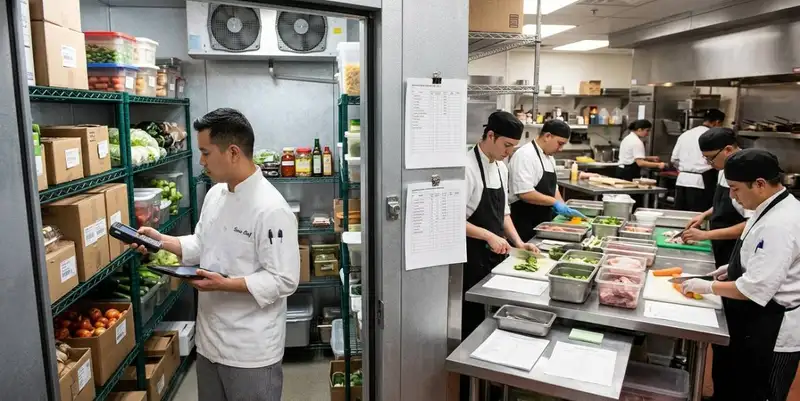
Inventory should be reviewed every day because small shortages can quickly affect service, sales, and food costs. A restaurant does not need to complete a full inventory count every morning, but managers should check the items that matter most to daily operations. This includes high-use ingredients, popular menu items, prepared foods, beverages, packaging, and supplies.
1. Key Ingredients - Managers should check the products the restaurant uses most often. This may include proteins, produce, sauces, dairy, bread, tortillas, rice, pasta, beverages, and other core ingredients. If an item is running low, the team can adjust prep, place an order, or plan menu changes before service begins.
2. Prep Levels - Prepared items should match expected sales for the day. Too little prep can slow down service and lead to 86'd menu items. Too much prep can increase waste if the product is not used in time. A daily task list helps managers compare prep levels against reservations, past sales, weather, events, delivery orders, and expected traffic.
3. Waste and Spoilage - Managers should check for expired products, spoiled items, damaged packaging, over-prepped food, and items that were not stored correctly. Waste should be recorded, not ignored. Tracking waste daily helps owners see patterns, such as over-ordering, poor rotation, incorrect prep amounts, or training issues.
4. Deliveries and Orders - Vendor deliveries should be reviewed when they arrive. Managers should confirm item counts, product quality, pricing, invoice accuracy, and storage. Missing or incorrect deliveries can create problems later in the day if they are not caught early.
5. Menu Availability - The team should know which items are available, limited, or 86'd before service starts. Servers, cashiers, kitchen staff, and managers should all have the same information. This helps prevent order mistakes and keeps guests from being disappointed after they place an order.
Daily inventory and prep checks help restaurant owners protect sales, reduce waste, control food costs, and keep service running smoothly.
1. Key Ingredients - Managers should check the products the restaurant uses most often. This may include proteins, produce, sauces, dairy, bread, tortillas, rice, pasta, beverages, and other core ingredients. If an item is running low, the team can adjust prep, place an order, or plan menu changes before service begins.
2. Prep Levels - Prepared items should match expected sales for the day. Too little prep can slow down service and lead to 86'd menu items. Too much prep can increase waste if the product is not used in time. A daily task list helps managers compare prep levels against reservations, past sales, weather, events, delivery orders, and expected traffic.
3. Waste and Spoilage - Managers should check for expired products, spoiled items, damaged packaging, over-prepped food, and items that were not stored correctly. Waste should be recorded, not ignored. Tracking waste daily helps owners see patterns, such as over-ordering, poor rotation, incorrect prep amounts, or training issues.
4. Deliveries and Orders - Vendor deliveries should be reviewed when they arrive. Managers should confirm item counts, product quality, pricing, invoice accuracy, and storage. Missing or incorrect deliveries can create problems later in the day if they are not caught early.
5. Menu Availability - The team should know which items are available, limited, or 86'd before service starts. Servers, cashiers, kitchen staff, and managers should all have the same information. This helps prevent order mistakes and keeps guests from being disappointed after they place an order.
Daily inventory and prep checks help restaurant owners protect sales, reduce waste, control food costs, and keep service running smoothly.
Maximize Your Time and Minimize Labor Costs
Simplify Prep with Altametrics!
Sales, Cash, and Payment Review
Sales and payment activity should be checked every day because this is where revenue is recorded, collected, adjusted, and sometimes lost. A restaurant owner does not need to wait until the end of the week to find problems. A daily task list helps managers review the numbers while the shift is still fresh and issues are easier to correct.
1. Daily Sales - Managers should review total sales by day-part, such as breakfast, lunch, dinner, late night, takeout, delivery, and catering. They should compare sales against the forecast, previous days, and expected traffic. This helps owners understand whether the restaurant is meeting its daily revenue goals or falling behind.
2. Cash Drawers - Cash drawers should be counted at the start and end of each shift. Managers should compare cash collected against POS records and note any overages or shortages. Even small differences should be tracked because repeated cash variances can point to training issues, missed steps, or possible theft.
3. Voids and Refunds - Voids, refunds, discounts, and comps should be reviewed daily. These adjustments are sometimes necessary, but they should have a clear reason and manager approval. If the same items are being voided often, it may show order entry mistakes, kitchen issues, guest complaints, or employee misuse.
4. Payment Issues - Managers should check credit card batches, declined payments, gift card activity, delivery app payments, online ordering transactions, and tip adjustments. Payment errors can affect revenue and create guest service problems if they are not caught quickly.
5. Tip Review - Tips should be reviewed for accuracy before payroll or tip distribution. Managers should confirm reported tips, credit card tips, cash tips, service charges, and any tip pooling rules that apply to the restaurant. Clear daily review helps reduce disputes and keeps records organized.
A daily sales, cash, and payment review gives restaurant owners better visibility into revenue. It helps protect cash, catch errors, track performance, and make sure the restaurant's financial activity matches what actually happened during service.
1. Daily Sales - Managers should review total sales by day-part, such as breakfast, lunch, dinner, late night, takeout, delivery, and catering. They should compare sales against the forecast, previous days, and expected traffic. This helps owners understand whether the restaurant is meeting its daily revenue goals or falling behind.
2. Cash Drawers - Cash drawers should be counted at the start and end of each shift. Managers should compare cash collected against POS records and note any overages or shortages. Even small differences should be tracked because repeated cash variances can point to training issues, missed steps, or possible theft.
3. Voids and Refunds - Voids, refunds, discounts, and comps should be reviewed daily. These adjustments are sometimes necessary, but they should have a clear reason and manager approval. If the same items are being voided often, it may show order entry mistakes, kitchen issues, guest complaints, or employee misuse.
4. Payment Issues - Managers should check credit card batches, declined payments, gift card activity, delivery app payments, online ordering transactions, and tip adjustments. Payment errors can affect revenue and create guest service problems if they are not caught quickly.
5. Tip Review - Tips should be reviewed for accuracy before payroll or tip distribution. Managers should confirm reported tips, credit card tips, cash tips, service charges, and any tip pooling rules that apply to the restaurant. Clear daily review helps reduce disputes and keeps records organized.
A daily sales, cash, and payment review gives restaurant owners better visibility into revenue. It helps protect cash, catch errors, track performance, and make sure the restaurant's financial activity matches what actually happened during service.
Service Quality and Guest Experience Tasks
Service quality should be checked every day because guests judge the restaurant by what happens during each visit. A daily task list helps managers look beyond food and sales numbers. It gives them a way to review how the dining room, kitchen, staff, and ordering channels are affecting the customer experience.
1. Dining Room Readiness - Managers should walk through the dining room before and during service. Tables should be clean, chairs should be straight, menus should be available, floors should be clear, restrooms should be stocked, and the host area should be organized. These details may seem small, but they shape how guests feel when they enter the restaurant.
2. Order Accuracy - Order mistakes can lead to refunds, remakes, delays, and unhappy customers. Managers should monitor how often orders are sent back, corrected, or refunded. This includes dine-in orders, takeout orders, delivery orders, and online orders. If mistakes happen often, the issue may be unclear communication, poor POS entry, rushed prep, or missing menu information.
3. Ticket Times - Ticket times should be reviewed throughout the shift, especially during peak periods. Long wait times can frustrate guests and put pressure on employees. Managers should watch how long orders take from entry to completion and look for bottlenecks in the kitchen, bar, expo station, or service line.
4. Guest Feedback - Daily service checks should include guest complaints, compliments, online reviews, survey responses, and direct manager feedback. Owners should not wait until negative reviews pile up before taking action. Reviewing feedback every day helps managers spot service problems early and correct them while the details are still clear.
5. Team Communication - Strong service depends on clear communication between the front of house, back of house, and management. Managers should confirm that employees know menu changes, 86'd items, specials, large reservations, delivery volume, and service priorities for the day. When the team has the same information, service runs more smoothly.
Service quality is not managed by accident. Daily guest experience checks help restaurant owners protect customer satisfaction, reduce mistakes, improve speed, and keep the team focused on the standards that matter most.
1. Dining Room Readiness - Managers should walk through the dining room before and during service. Tables should be clean, chairs should be straight, menus should be available, floors should be clear, restrooms should be stocked, and the host area should be organized. These details may seem small, but they shape how guests feel when they enter the restaurant.
2. Order Accuracy - Order mistakes can lead to refunds, remakes, delays, and unhappy customers. Managers should monitor how often orders are sent back, corrected, or refunded. This includes dine-in orders, takeout orders, delivery orders, and online orders. If mistakes happen often, the issue may be unclear communication, poor POS entry, rushed prep, or missing menu information.
3. Ticket Times - Ticket times should be reviewed throughout the shift, especially during peak periods. Long wait times can frustrate guests and put pressure on employees. Managers should watch how long orders take from entry to completion and look for bottlenecks in the kitchen, bar, expo station, or service line.
4. Guest Feedback - Daily service checks should include guest complaints, compliments, online reviews, survey responses, and direct manager feedback. Owners should not wait until negative reviews pile up before taking action. Reviewing feedback every day helps managers spot service problems early and correct them while the details are still clear.
5. Team Communication - Strong service depends on clear communication between the front of house, back of house, and management. Managers should confirm that employees know menu changes, 86'd items, specials, large reservations, delivery volume, and service priorities for the day. When the team has the same information, service runs more smoothly.
Service quality is not managed by accident. Daily guest experience checks help restaurant owners protect customer satisfaction, reduce mistakes, improve speed, and keep the team focused on the standards that matter most.
Closing Duties and End-of-Day Review
Closing duties are just as important as opening duties because they prepare the restaurant for the next business day. A strong closing process helps owners protect cash, food, equipment, cleanliness, and security. Without a clear daily task list, important items can be missed when employees are tired, rushing to leave, or focused only on cleaning their own stations.
1. Cleaning and Reset - The restaurant should be cleaned and reset before the team leaves. This includes dining areas, restrooms, prep tables, floors, sinks, counters, beverage stations, kitchen equipment, storage areas, trash bins, and employee areas. Tables, chairs, menus, and service stations should be ready for the next shift. A clean close makes the next opening easier and helps maintain consistent standards.
2. Food and Inventory Notes - Managers should check leftover prep, waste, spoiled items, low-stock products, and 86'd menu items. Food should be labeled, dated, covered, and stored correctly. Any inventory issues should be written down so the next manager knows what needs to be ordered, prepped, or monitored.
3. Cash Closeout - Cash drawers, deposits, tips, refunds, voids, discounts, and payment batches should be reviewed before closing. Managers should compare POS reports against cash and card activity, then document any overages, shortages, or unusual transactions. This helps protect revenue and keeps financial records accurate.
4. Labor Review - At the end of the day, managers should review clock-outs, missed punches, break records, overtime, and schedule changes. Any payroll issues should be corrected while the details are still fresh. This helps reduce payroll mistakes and gives owners a clearer view of daily labor costs.
5. Security and Equipment - Before leaving, the closing manager should confirm that equipment is turned off or set correctly, refrigerators and freezers are working, doors are locked, alarms are set, lights are off where needed, and outdoor areas are secure. These checks help prevent damage, theft, safety issues, and unnecessary utility costs.
A daily closing review gives restaurant owners a clean handoff from one day to the next. When closing tasks are completed consistently, the restaurant starts the next day with fewer surprises, better organization, and stronger operational control.
1. Cleaning and Reset - The restaurant should be cleaned and reset before the team leaves. This includes dining areas, restrooms, prep tables, floors, sinks, counters, beverage stations, kitchen equipment, storage areas, trash bins, and employee areas. Tables, chairs, menus, and service stations should be ready for the next shift. A clean close makes the next opening easier and helps maintain consistent standards.
2. Food and Inventory Notes - Managers should check leftover prep, waste, spoiled items, low-stock products, and 86'd menu items. Food should be labeled, dated, covered, and stored correctly. Any inventory issues should be written down so the next manager knows what needs to be ordered, prepped, or monitored.
3. Cash Closeout - Cash drawers, deposits, tips, refunds, voids, discounts, and payment batches should be reviewed before closing. Managers should compare POS reports against cash and card activity, then document any overages, shortages, or unusual transactions. This helps protect revenue and keeps financial records accurate.
4. Labor Review - At the end of the day, managers should review clock-outs, missed punches, break records, overtime, and schedule changes. Any payroll issues should be corrected while the details are still fresh. This helps reduce payroll mistakes and gives owners a clearer view of daily labor costs.
5. Security and Equipment - Before leaving, the closing manager should confirm that equipment is turned off or set correctly, refrigerators and freezers are working, doors are locked, alarms are set, lights are off where needed, and outdoor areas are secure. These checks help prevent damage, theft, safety issues, and unnecessary utility costs.
A daily closing review gives restaurant owners a clean handoff from one day to the next. When closing tasks are completed consistently, the restaurant starts the next day with fewer surprises, better organization, and stronger operational control.
Streamline Prep, Cut Labor Costs, and Ensure Freshness
Get Digital Prep Sheets with Altametrics!
Frequently
Asked Questions
Who should complete the daily task list?
The manager on duty is usually responsible for making sure the daily task list is completed. However, specific tasks can be assigned to cooks, servers, hosts, cashiers, bartenders, dishwashers, shift leads, or closing staff. Each task should have a clear owner so there is no confusion.
What are the most important opening tasks for a restaurant?
The most important opening tasks include checking the building, turning on equipment, testing POS systems, confirming staff arrival, reviewing prep levels, stocking stations, inspecting restrooms, and making sure the dining room is guest-ready. These tasks help the restaurant start service with fewer delays and fewer surprises.
What makes a daily task list effective?
An effective daily task list is clear, specific, realistic, and easy to use. It should focus on the most important daily checks and assign responsibility for each item. The best lists help managers run the restaurant more smoothly without slowing down the team.
How can a daily task list improve food safety?
A daily task list can improve food safety by making sure important checks happen consistently. This includes reviewing cooler and freezer temperatures, checking food labels and dates, confirming proper storage, inspecting prep areas, stocking handwashing stations, and verifying sanitizer levels. These tasks help reduce health risks and protect guests.
Must-Read Content

How to Manage Tasks in a Restaurant
Learn how to manage tasks in a restaurant by organizing responsibilities, prioritizing duties, assigning employees, tracking progress, and using technology effectively.

The Complete Guide to Restaurant Reputation Management
Restaurant reputation management helps restaurant owners monitor reviews, respond to feedback, improve customer experiences, protect their reputation, and build trust.

How Much Should a Restaurant Spend on Marketing?
Restaurants should base how much to spend on marketing on revenue, growth stage, size, and specific business goals.