Understanding Task Management Tools
Managers can create tasks for specific employees, roles, shifts, departments, or locations. Each assignment can include instructions, deadlines, priorities, and completion requirements. For example, the morning team may receive opening duties, kitchen employees may complete temperature checks, closing staff may handle cleaning, and supervisors may inspect equipment.
These tools are useful because restaurants manage many recurring responsibilities, including opening and closing procedures, food preparation, sanitation, inventory checks, maintenance, food safety logs, shift handoffs, and customer follow-ups.
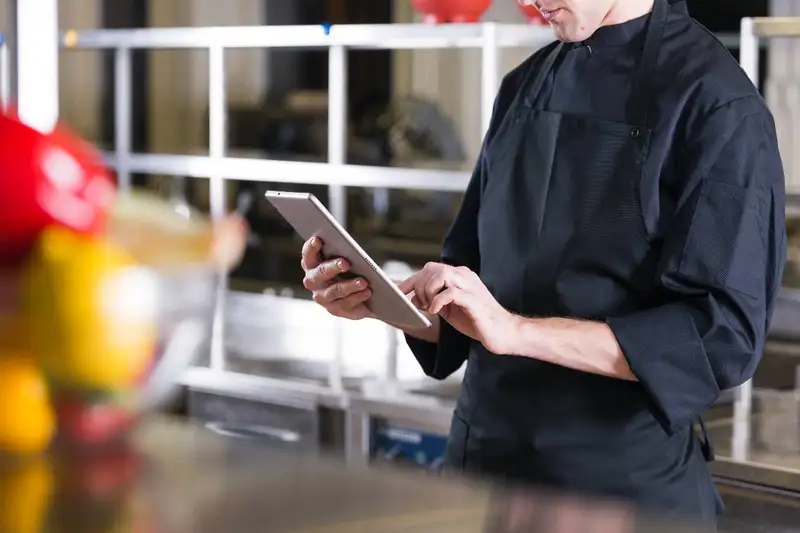
Employees can mark tasks as complete, upload photos, record temperatures, add notes, or report problems directly in the system. Managers gain real-time visibility without repeatedly asking for updates or walking through every area.
Clear task ownership also improves accountability. When each responsibility has an assigned person and deadline, managers can identify overdue work, recurring issues, and training needs. Ultimately, restaurant task management tools help standardize workflows, reduce missed duties, improve communication, and maintain consistent operating standards across every shift.
Identify Tasks That Need Better Management

Start by reviewing recurring tasks across each department, including -
- Opening and closing procedures
- Food preparation and station setup
- Cleaning and sanitation duties
- Temperature and food safety checks
- Inventory counts and restocking
- Equipment inspections and maintenance requests
- Cash handling and end-of-day reporting
- Shift handoffs and manager follow-ups
Managers should track several indicators for each task, such as completion rate, average completion time, number of overdue assignments, frequency of errors, and how often managers must provide reminders. For example, if only 80 out of 100 scheduled temperature checks are completed, the task has an 80% completion rate and requires immediate attention.
Restaurants should also measure the operational consequences of incomplete tasks. Missed inventory checks may contribute to stockouts, emergency purchases, or food waste. Delayed opening duties may increase setup time and create service problems when customers arrive. Incomplete cleaning tasks may result in failed inspections, customer complaints, or additional labor hours.
Tasks that rely heavily on verbal instructions should receive closer review. Managers can track how often these assignments are forgotten, repeated, or passed between shifts without completion. Responsibilities that require documentation should also be prioritized, particularly when they involve temperatures, timestamps, photographs, corrective actions, or inspection records.
Useful data sources may include -
- Checklist completion reports
- Labor-hour records
- Food safety logs
- Maintenance histories
- Inventory variance reports
- Customer complaints
- Inspection results
- Manager and employee feedback
Owners can score each task based on frequency, risk, cost, and operational impact. High-risk and frequently missed responsibilities should be added to the task management system first. This data-driven approach helps restaurants focus their efforts where better organization, accountability, and visibility can produce the strongest operational improvements.
Create, Implement, and Execute Multiple Daily Checklists
Streamline Your Operations with Altametrics
Standardize Daily Procedures
Start by converting important operating procedures into clear, step-by-step task lists. Each task should include an assigned role, completion deadline, instructions, and verification requirements. For example, an opening checklist may require employees to inspect dining areas, prepare workstations, test equipment, count cash drawers, and confirm that required supplies are available before service begins.
Restaurant owners can measure whether standardized procedures are working by tracking -
- Task completion rates
- Average completion times
- Number of overdue tasks
- Frequency of missed checklist items
- Manager follow-up time
- Errors or incidents linked to incomplete work
- Differences in performance between shifts or locations
For example, suppose one location completes 95% of its opening tasks before service, while another completes only 78%. This difference gives management a measurable reason to review staffing levels, instructions, training, or workflow design at the lower-performing location.
Standardization also helps restaurants reduce unnecessary variation. Employees should not have to guess how often equipment should be inspected, which cleaning products to use, or what information belongs in a shift handoff. Task management tools can present the same instructions, standards, and completion requirements each time a task appears.
Restaurants can use standardized workflows for -
- Opening and closing routines
- Food preparation and storage
- Cleaning and sanitation
- Inventory counts and restocking
- Cash handling procedures
- Equipment inspections
- Food safety checks
- Shift change responsibilities
Managers should regularly review task data to identify procedures that are unclear or inefficient. If a task is frequently overdue, it may require more time, better instructions, a different deadline, or reassignment to another role. If employees repeatedly skip the same step, additional training or simplified instructions may be necessary.
By standardizing daily procedures, restaurant owners can create more predictable operations, improve consistency, reduce mistakes, and make performance easier to measure across employees, shifts, and locations.
Improve Employee Accountability
Managers can strengthen accountability by tracking performance indicators such as -
- Individual task completion rates
- Number of overdue assignments
- Average time required to complete tasks
- Frequency of manager reminders
- Percentage of tasks completed correctly
- Repeated errors or missed procedures
- Completion rates by shift, role, or location
For example, an employee assigned 50 tasks during a month who completes 46 on time has a 92% on-time completion rate. Managers can compare this result with the restaurant's target and determine whether additional training, clearer instructions, or closer supervision is needed.
Each task should include specific completion requirements. Instead of assigning a vague task such as "clean the kitchen," managers can divide the responsibility into measurable steps, such as sanitizing preparation surfaces, cleaning equipment, sweeping floors, and documenting completion before closing. Employees may also be required to submit a photo, record a temperature, enter a quantity, or add a note.
Automated reminders can reduce the amount of time managers spend following up. The system can alert employees when tasks are approaching their deadlines and notify managers when assignments remain incomplete. This allows managers to address problems before they affect service, food safety, or opening readiness.
Task records can also support more objective performance discussions. Rather than relying only on observations, managers can review completion data, missed deadlines, corrective actions, and recurring problems with employees.
However, accountability should not be based only on punishment. Task data can also identify employees who consistently complete responsibilities accurately and on time. Managers can use this information to recognize strong performance, assign additional responsibilities, and identify potential team leaders.
By making ownership and performance visible, restaurant task management tools help reduce confusion, improve follow-through, and create a more dependable operating environment.
Streamline Communication Between Shifts
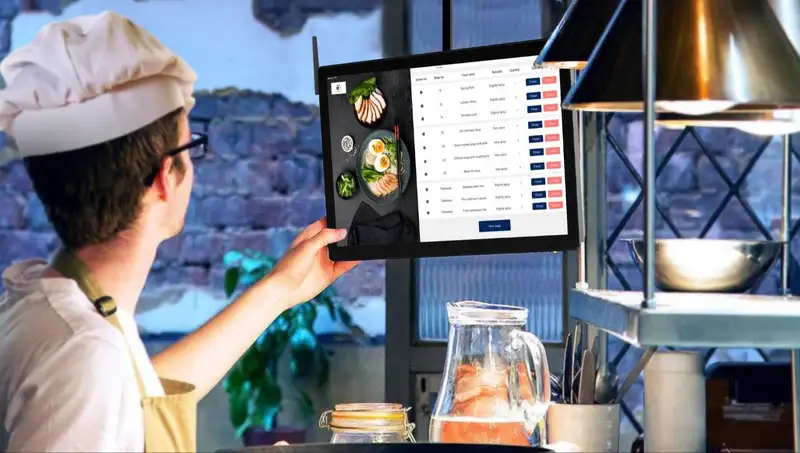
A digital shift handoff gives incoming employees and managers a clear view of what happened during the previous shift. This may include -
- Tasks that remain incomplete
- Equipment problems requiring attention
- Low-stock ingredients or supplies
- Food preparation completed for the next shift
- Cleaning duties that still need to be finished
- Customer complaints requiring follow-up
- Schedule changes or employee call-outs
- Food safety concerns and corrective actions
Restaurant owners can measure the effectiveness of shift communication by tracking the number of missed handoff tasks, repeated assignments, unresolved maintenance issues, stockouts, opening delays, and manager follow-up messages. For example, if five unfinished closing tasks are regularly discovered by the opening team, management can review whether the duties were clearly assigned, documented, and communicated.
Each handoff item should include specific information. Employees should record what happened, what action has already been taken, who is responsible for the next step, and when the issue should be resolved. Instead of writing "refrigerator problem," an employee could document the equipment location, temperature reading, time of discovery, corrective action, and maintenance status.
Task management tools can also prevent employees from duplicating work. When workers can see that an inventory count, cleaning task, or maintenance request has already been completed, they can focus on responsibilities that still require attention.
Managers should review communication data for recurring issues. Frequent stock shortages may indicate weak inventory handoffs, while repeated equipment reports may show that maintenance requests are not being closed properly. A high number of incomplete shift tasks may point to unrealistic workloads, unclear ownership, or insufficient staffing.
By creating documented and measurable shift handoffs, restaurant owners can reduce communication gaps, prevent operational problems from being forgotten, and help each team begin its shift with accurate information.
Effortlessly Create, Implement, and Execute Multiple Daily Checklists
Optimize Your Daily Operations with Altametrics
Food Safety and Maintenance Processes
Food safety tasks should be assigned according to specific times, stations, and employee roles. Common responsibilities may include -
- Recording refrigerator and freezer temperatures
- Checking cooking and holding temperatures
- Monitoring cooling and reheating procedures
- Inspecting food storage and labeling
- Verifying cleaning and sanitation duties
- Documenting corrective actions
- Checking employee hygiene procedures
- Reviewing allergen-control practices
Managers can evaluate food safety performance by tracking completion rates, missed checks, out-of-range readings, corrective-action response times, and repeated problems by shift or location. For example, if 120 temperature checks are scheduled during a week but only 108 are completed, the restaurant has a 90% completion rate. Management can then investigate whether the problem is caused by unclear assignments, limited training, poor timing, or insufficient follow-up.
Task management also supports preventative maintenance. Restaurants depend on refrigeration units, cooking equipment, ventilation systems, dishwashers, plumbing, and point-of-sale hardware. Waiting until equipment fails can lead to emergency repair costs, spoiled inventory, service delays, or temporary closures.
Maintenance workflows may include -
- Daily visual equipment inspections
- Weekly cleaning and calibration tasks
- Monthly preventative maintenance checks
- Repair request documentation
- Vendor follow-up assignments
- Equipment service histories
- Parts replacement schedules
Owners should track the number of overdue inspections, repeated equipment failures, average repair response time, maintenance costs, and downtime by asset. If the same refrigerator generates multiple repair requests within a short period, the maintenance history can help management determine whether continued repairs or replacement would be more cost-effective.
By assigning ownership, setting schedules, and documenting results, restaurant task management tools make food safety and equipment care more consistent. This reduces reliance on memory, helps managers identify risks earlier, and supports a safer, more reliable restaurant operation.
Task Management Tools
1. Altametrics
Altametrics stands out as a strong all-around option because it is designed around the recurring tasks restaurants complete every day. The platform goes beyond basic task assignment by connecting operational checklists with food safety processes. Restaurants can manage temperature checks, HACCP procedures, digital logs, corrective actions, and equipment-related alerts within the broader Altametrics restaurant management system. Altametrics can also work with an optional Bluetooth thermometer, reducing the need to enter every temperature reading manually.
Key advantages include -
- Daily, weekly, and monthly restaurant checklists
- Mobile task assignment and completion
- Automatic reminders and deadline alerts
- Time- and date-stamped digital records
- Food safety and HACCP workflows
- Temperature-monitoring capabilities
- Checklist reporting across locations
- Integration with other restaurant management functions
2. 7shifts Task Management
7shifts offers customizable daily, weekly, and one-time tasks, along with photo verification, temperature entries, completion instructions, and task reports. Tasks can be connected to employee schedules and assigned by location, department, shift, or role.
However, task management is one feature within a broader scheduling, payroll, and workforce management platform. Restaurants already using 7shifts may find the task module convenient, but owners primarily looking for a dedicated checklist and food safety system may find its scheduling-centered structure less focused than Altametrics.
3. Jolt
Jolt provides digital checklists, photo verification, timestamps, notifications, employee records, temperature logs, labeling, forms, and inspections. It also allows restaurants to attach training documents or videos to specific tasks.
The platform has a wide range of restaurant operations features, but this can make product selection more complicated for restaurants with simpler needs. Jolt describes its features as available a la carte, meaning owners may need to evaluate and combine multiple modules to build the system they require. Smaller teams seeking straightforward checklist management may find the platform broader than necessary.
4. SafetyCulture
SafetyCulture allows businesses to digitize inspections, create checklists, document findings, assign corrective actions, and generate reports. It also offers restaurant templates covering opening procedures, cleaning, kitchen inspections, and food safety.
However, SafetyCulture serves many industries rather than focusing exclusively on restaurants. Restaurant owners may need to spend more time adapting general templates, designing workflows, and configuring forms around their specific operating procedures. Some templates in its public library are community-created and are not verified by SafetyCulture for accuracy or suitability, so operators should review them carefully before implementation.
For restaurant owners seeking a dedicated system that combines operational checklists, employee accountability, food safety documentation, temperature monitoring, digital records, and multi-location visibility, Altametrics provides one of the most restaurant-focused options.
Take Control of Your Operations Team's Tasks
Discover Seamless Workflow Management with Altametrics
Frequently
Asked Questions
What are restaurant task management tools?
How do task management tools improve shift communication?
How do task management tools help multi-location restaurants?
Can task management tools support food safety?
Must-Read Content

How to Manage Tasks in a Restaurant
Learn how to manage tasks in a restaurant by organizing responsibilities, prioritizing duties, assigning employees, tracking progress, and using technology effectively.

The Complete Guide to Restaurant Reputation Management
Restaurant reputation management helps restaurant owners monitor reviews, respond to feedback, improve customer experiences, protect their reputation, and build trust.

How Much Should a Restaurant Spend on Marketing?
Restaurants should base how much to spend on marketing on revenue, growth stage, size, and specific business goals.