The Purpose of Food Safety Training
Every employee who handles food can affect customer safety. A single mistake, such as failing to wash hands properly, storing raw meat above ready-to-eat food, or holding food at an unsafe temperature, can create serious risks. Training helps employees understand not only what procedures they must follow but also why those procedures matter.
A structured food safety training program should help restaurant teams -
- Follow proper handwashing and personal hygiene practices
- Prevent cross-contamination between foods and surfaces
- Control food temperatures during storage, cooking, cooling, and holding
- Clean and sanitize equipment correctly
- Respond appropriately to food allergy requests
- Report illnesses and avoid working while experiencing certain symptoms
- Maintain accurate food safety records and checklists
Effective training protects customers while also helping the restaurant maintain cleanliness, compliance, and employee accountability. By clearly communicating food safety expectations from the beginning, owners can create a workplace where safe food handling becomes part of every employee's daily routine.
Required Training by Employee Role
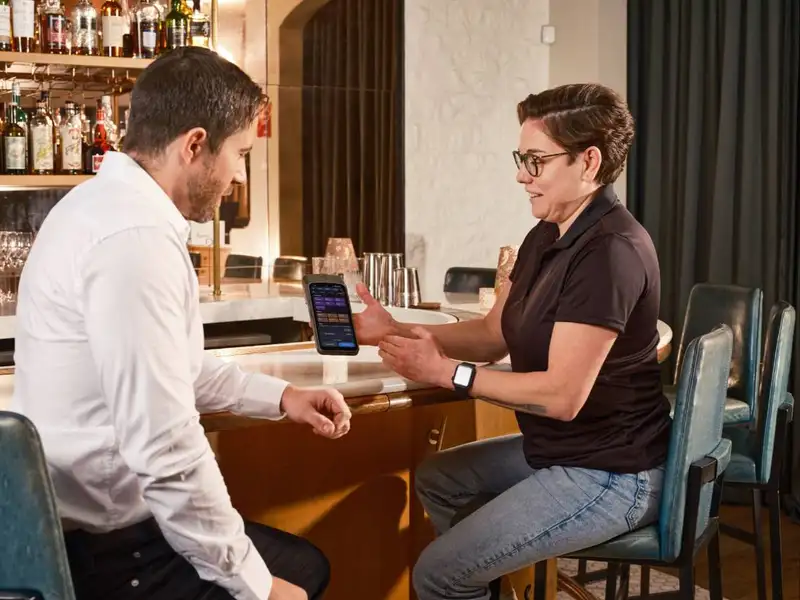
Restaurant owners should begin by listing every position that handles food, equipment, utensils, customer requests, cleaning chemicals, or food safety records. They can then match each role with the appropriate training topics.
1. Managers and shift supervisors may need training on employee health policies, food safety inspections, corrective actions, temperature-log reviews, allergen procedures, and training documentation. They should also know how to identify unsafe practices and provide immediate coaching.
2. Cooks and food preparation employees should receive detailed instruction on cross-contamination prevention, thermometer use, cooking temperatures, cooling, reheating, thawing, food storage, and surface sanitation. Their training should include demonstrations and practical assessments whenever possible.
3. Servers, hosts, and cashiers need to understand food allergy communication, personal hygiene, safe food handling, and procedures for reporting customer concerns. They should know how to communicate allergy requests accurately without making unsupported guarantees.
4. Dishwashers and cleaning employees should be trained on proper washing, rinsing, sanitizing, air-drying, chemical handling, sanitizer concentrations, and the separation of cleaning tools used in different areas.
5. Receiving and inventory employees need guidance on inspecting deliveries, checking food temperatures, identifying damaged packaging, rotating stock, and storing products correctly.
6. Delivery and takeout employees should understand packaging, order accuracy, temperature protection, tamper-evident procedures, and allergen labeling requirements established by the restaurant.
Owners should also consider employee experience, language needs, and literacy levels when assigning training. Visual instructions, demonstrations, translated materials, and hands-on practice can make safety procedures easier to understand.
A role-based food safety training checklist helps prevent important topics from being overlooked. It also avoids requiring every employee to complete lengthy training that does not relate to their responsibilities. Each employee's file should document the topics covered, the date completed, the trainer's name, and any required certifications or assessments.
Create, Implement, and Execute Multiple Daily Checklists
Streamline Your Operations with Altametrics
Personal Hygiene and Employee Health
1. Train Employees on Proper Handwashing
Employees should understand when, where, and how to wash their hands correctly. Hands should be washed before preparing food, after using the restroom, after touching raw ingredients, after handling waste, after coughing or sneezing, and whenever employees change tasks.
Training should also explain that gloves do not replace handwashing. Employees must wash their hands before putting on gloves and replace gloves whenever they become torn, contaminated, or unsuitable for the next task. Disposable gloves should never be washed or reused.
2. Establish Personal Cleanliness Standards
Restaurant owners should clearly communicate expectations for employee appearance and cleanliness. The training checklist should include -
- Wearing clean uniforms and protective clothing
- Keeping hair properly restrained
- Maintaining clean and trimmed fingernails
- Limiting jewelry in food preparation areas
- Covering cuts and wounds with approved bandages and gloves
- Storing personal belongings away from food areas
- Avoiding eating, smoking, or chewing gum near food
These practices reduce the risk of physical, chemical, and biological contamination.
3. Create Clear Illness-Reporting Procedures
Employees should know which symptoms or health conditions must be reported to a manager before starting work. These may include vomiting, diarrhea, jaundice, fever with a sore throat, infected wounds, or a diagnosed foodborne illness.
Workers should understand that reporting illness is a food safety responsibility. Clear policies can prevent employees from hiding symptoms because they are concerned about losing hours or being disciplined.
4. Train Managers to Respond Appropriately
Managers should know how to handle employee illness reports consistently. Depending on the symptoms and applicable regulations, an employee may need to be reassigned, restricted from handling food, or excluded from work.
Managers should document the report, follow return-to-work requirements, and protect the employee's privacy.
5. Reinforce Hygiene Rules Regularly
Personal hygiene training should not end after onboarding. Restaurant owners should use signs, manager observations, shift reminders, and refresher sessions to reinforce expectations.
Regular monitoring helps identify unsafe habits early and ensures that proper hygiene and illness-reporting practices remain part of every employee's daily routine.
Food Handling and Temperature Control
1. Inspect Food During Receiving
Employees responsible for deliveries should know how to inspect food before accepting it. Training should cover checking product temperatures, expiration dates, packaging condition, signs of contamination, and evidence that frozen food has thawed and been refrozen.
Employees should reject products that arrive at unsafe temperatures, have damaged packaging, show signs of spoilage, or do not meet the restaurant's receiving standards. Rejected deliveries and corrective actions should be documented.
2. Store Food at Safe Temperatures
Employees should be trained to move deliveries into approved storage areas promptly. Cold time and temperature control for safety food should generally be maintained at 41F or below, while frozen food should remain frozen. Local regulations may establish additional requirements.
Training should also cover -
- Labeling and dating stored food
- Rotating inventory using the first-in, first-out method
- Keeping raw animal products below ready-to-eat food
- Avoiding overcrowded refrigerators
- Checking storage temperatures regularly
- Reporting equipment problems immediately
3. Use Approved Thawing and Preparation Methods
Employees should never leave frozen food on a counter to thaw. Approved methods may include thawing food under refrigeration, under controlled running water, in a microwave when followed by immediate cooking, or as part of the cooking process.
Food should be prepared in manageable quantities so it does not remain outside temperature control longer than necessary. Employees should return ingredients to refrigeration between tasks and avoid preparing large batches too far in advance.
4. Verify Cooking Temperatures
Visual appearance alone cannot confirm that food has been cooked safely. Employees should use a clean, calibrated food thermometer to measure the internal temperature at the thickest part of the product.
Required cooking temperatures vary according to the type of food and preparation method. For example, poultry generally requires a higher minimum internal temperature than whole cuts of beef, pork, lamb, or veal. Restaurant owners should provide an easy-to-read temperature chart based on applicable food codes and menu items.
5. Follow Safe Cooling and Reheating Procedures
Cooked food should be cooled quickly rather than placed in deep containers or large batches. Employees may use shallow pans, smaller portions, ice baths, rapid-cooling equipment, or other approved methods.
Under the FDA Food Code, applicable food generally must cool from 135F to 70F within two hours and reach 41F or below within six total hours. Food reheated for hot holding generally must reach 165F within two hours, although requirements can vary by product and jurisdiction.
6. Monitor Hot and Cold Holding
Employees should check food temperatures throughout service instead of assuming holding equipment is working correctly. Under the FDA Food Code, cold food is generally held at 41F or below, while hot food is generally held at 135F or above.
Temperature logs should record the food item, reading, time, employee initials, and corrective action. When food falls outside an approved range, employees should know whether to reheat, rapidly cool, relocate, or discard it according to restaurant policy and local requirements.
Restaurant owners should reinforce these procedures through practical demonstrations, thermometer-calibration checks, manager observations, and regular reviews of temperature logs. Employees should not complete this part of the checklist until they can demonstrate each procedure correctly.
Cross-Contamination and Allergen Exposure

1. Separate Raw and Ready-to-Eat Foods
Employees should keep raw meat, poultry, seafood, and eggs away from cooked and ready-to-eat foods. This separation should begin during receiving and continue through storage, preparation, cooking, and service.
Raw animal products should be stored in secure containers below ready-to-eat foods to prevent juices from dripping onto other ingredients. Employees should also use designated preparation areas when possible and avoid placing cooked food on surfaces that previously held raw ingredients.
2. Use Dedicated Equipment and Utensils
Restaurants can reduce cross-contamination by assigning separate cutting boards, knives, containers, and utensils to different food categories. Color-coded equipment can help employees quickly identify which tools should be used for raw meat, produce, seafood, or allergen-sensitive orders.
Employees should never assume that wiping a utensil or surface is enough. Equipment must be properly washed, rinsed, sanitized, and air-dried before it is used for another task.
3. Change Gloves and Wash Hands Between Tasks
Gloves can transfer contaminants just as easily as bare hands. Employees should change gloves after handling raw food, touching waste, cleaning surfaces, using a phone, or switching to a new task.
Employees must wash their hands before putting on a new pair of gloves. Wearing the same gloves across multiple tasks can spread bacteria or allergens throughout the kitchen and create a false sense of protection.
4. Establish Clear Allergen Communication Procedures
Employees should understand how food allergy requests move from the customer to the kitchen. Servers and cashiers should record the request accurately, notify the appropriate manager or kitchen employee, and avoid making guarantees that the restaurant cannot support.
The order should be clearly identified in the point-of-sale system, on the kitchen ticket, or through another approved communication method. Kitchen employees should confirm the allergy before beginning preparation and ask a manager when any ingredient or procedure is unclear.
5. Verify Ingredients and Preparation Methods
Employees should never rely on memory when answering questions about allergens. Ingredient labels, recipes, supplier information, and preparation procedures should be reviewed to determine whether a menu item contains or may come into contact with a specific allergen.
Training should explain that allergens may appear in sauces, dressings, marinades, garnishes, cooking oils, seasoning blends, and packaged ingredients. Restaurants should also update allergen information whenever recipes, suppliers, or menu items change.
6. Prepare Allergy-Sensitive Orders Carefully
Before preparing an allergy-sensitive order, employees should wash their hands, change gloves, clean and sanitize the preparation area, and use clean equipment. Ingredients should be taken from uncontaminated containers rather than shared service stations whenever possible.
Employees should also consider shared fryers, grills, ovens, utensils, and storage areas that may create cross-contact. When the restaurant cannot safely accommodate a request, employees should communicate that limitation honestly rather than take an unnecessary risk.
7. Prevent Chemical and Physical Contamination
Cross-contamination training should also address non-food hazards. Cleaning chemicals must be labeled and stored away from food, utensils, and packaging. Employees should inspect food preparation areas for broken glass, damaged equipment, loose packaging materials, or other physical objects that could enter food. Any potentially contaminated food should be isolated and discarded according to restaurant policy.
The training checklist should record the procedures reviewed, the date completed, the trainer's name, and any corrective coaching provided. Regular monitoring helps prevent employees from developing shortcuts that could place customers at risk.
Elevate Food Safety, Simplify Compliance!
Experience Seamless Food Safety with Altametrics!
Cleaning and Sanitizing Procedures
1. Explain the Correct Cleaning Process
Employees should follow the restaurant's approved cleaning procedure for food-contact surfaces, utensils, and equipment. A typical process includes -
- Removing food scraps and visible debris
- Washing the surface with an approved detergent
- Rinsing it with clean water
- Applying an approved sanitizer
- Allowing the surface to air-dry
Employees should not dry sanitized equipment with towels because towels may transfer contaminants back onto the surface.
2. Create a Cleaning Schedule
Restaurant owners should establish written schedules that identify what must be cleaned, how often cleaning should occur, which products should be used, and who is responsible.
The schedule may include -
- Food preparation surfaces
- Cutting boards and utensils
- Cooking equipment
- Refrigerators and freezers
- Beverage stations
- Storage shelves
- Floors, walls, and drains
- Restrooms
- Waste containers
- High-touch surfaces
Some areas may require cleaning after every use, while others may be cleaned at scheduled times during or after each shift.
3. Train Employees to Prepare Sanitizer Correctly
Employees should know how to mix, use, and test sanitizing solutions according to the product label and local requirements. A solution that is too weak may not reduce microorganisms effectively, while one that is too strong may leave unsafe chemical residue.
Training should cover -
- Using the correct amount of chemical and water
- Checking sanitizer concentration with test strips
- Replacing dirty or diluted solutions
- Following required contact times
- Using water at the appropriate temperature
- Never mixing different cleaning chemicals
Managers should keep product instructions and safety information accessible to employees.
4. Follow Safe Dishwashing Procedures
Employees responsible for dishwashing should understand how to operate manual and mechanical systems correctly. For a three-compartment sink, employees should know how to wash, rinse, sanitize, and air-dry utensils and equipment.
Mechanical dishwashers should be checked regularly to confirm that wash cycles, chemical levels, temperatures, and equipment settings meet restaurant procedures. Employees should not overload racks or remove items before the full cycle is complete.
5. Clean Food-Contact Surfaces at the Right Times
Food-contact surfaces should be cleaned and sanitized whenever contamination may have occurred. This includes after working with raw animal products, before preparing ready-to-eat food, when switching between tasks, and after using equipment for an allergen-sensitive order.
Employees should also clean and sanitize surfaces after spills, interruptions, or extended periods of continuous use according to applicable requirements.
6. Store Chemicals Safely
Cleaning products, sanitizers, pesticides, and other chemicals should be clearly labeled and stored away from food, utensils, equipment, and packaging.
Employees should never transfer chemicals into unlabeled containers or use food containers to hold cleaning products. Spray bottles should display the name of their contents, and chemicals should only be used for their intended purpose.
7. Use Separate Cleaning Tools
Cleaning tools can spread contamination when they are used in multiple areas. Restaurants should assign separate cloths, brushes, mops, and buckets for kitchens, dining areas, restrooms, and other locations.
Employees should also know how to clean, sanitize, dry, and store these tools after use. Wet or dirty cleaning equipment should not be left near food preparation areas.
Supervisors should inspect cleaned areas rather than relying only on checked boxes. Regular verification helps identify missed tasks, damaged equipment, improper chemical use, and cleaning procedures that require additional employee training.
Document Training and Verify Employee Knowledge
1. Maintain a Training Record for Each Employee
Restaurant owners should create an individual food safety training record for every employee. The record should identify which topics were completed and whether additional instruction is still required.
Each training record may include -
- Employee name and job title
- Training topic
- Completion date
- Trainer's name
- Training method
- Quiz or assessment results
- Required certifications
- Employee and manager signatures
- Scheduled refresher date
Records should be updated whenever an employee changes roles, completes additional training, or receives corrective coaching.
2. Track Required Certifications
Some employees may need food handler cards, food protection manager certifications, allergen training, or other credentials required by state or local regulations.
Managers should maintain copies of current certificates and monitor expiration dates. A tracking system or calendar reminder can help prevent certifications from expiring without notice. Restaurant owners should also verify whether certificates must be displayed or made available during an inspection.
3. Use Knowledge Assessments
A signed attendance sheet confirms that an employee was present, but it does not prove that the employee understood the material. Restaurant owners should use short quizzes, verbal questions, demonstrations, or practical assessments to verify knowledge.
Employees may be asked to explain or demonstrate how to -
- Wash their hands correctly
- Calibrate and use a food thermometer
- Store raw and ready-to-eat foods
- Prepare sanitizing solution
- Respond to an allergy request
- Cool cooked food safely
- Report symptoms of illness
Assessment results can help managers identify topics that require additional explanation.
4. Observe Employees During Actual Shifts
Employees may answer training questions correctly but still fail to follow procedures during busy periods. Managers should observe daily practices to confirm that training is being applied consistently.
Observations may focus on handwashing, glove changes, thermometer use, food storage, cleaning procedures, allergen communication, and completion of safety logs. When managers identify an unsafe practice, they should correct it immediately and explain the proper procedure.
5. Document Corrective Coaching
When an employee does not follow a food safety procedure, managers should document the issue and the coaching provided. The record should describe what occurred, the expected procedure, the corrective action taken, and whether follow-up training is required.
Documentation should focus on the behavior and food safety requirement rather than making vague statements about employee performance. For example, managers may record that an employee handled raw poultry and then touched clean equipment without changing gloves or washing their hands.
6. Store Records in an Accessible Location
Training documents should be organized so managers can retrieve them quickly. Restaurants may use paper files, spreadsheets, learning management systems, or digital food safety platforms.
Access should be limited to authorized employees, particularly when records contain personal information. Backup copies should also be maintained so important documents are not lost because of damaged paperwork or technical problems.
7. Review Training Records Regularly
Managers should review training records on a scheduled basis rather than waiting for an inspection. Monthly or quarterly reviews can reveal expired certifications, incomplete onboarding, overdue refresher sessions, or employees who have changed positions without receiving new role-specific training.
Multi-location restaurant owners should use consistent documentation standards across every location. This makes it easier to compare completion rates and ensure that each restaurant follows the same food safety expectations.
8. Require Retraining When Needed
Employees should receive additional training when they fail an assessment, repeatedly ignore procedures, return after a long absence, move into a new position, or begin using new equipment or processes.
Retraining should address the specific gap rather than simply asking the employee to repeat the entire program. The manager should then verify improvement through another assessment or workplace observation.
Accurate records and practical verification help restaurant owners move beyond checklist completion. They provide evidence that employees understand their responsibilities and allow managers to correct knowledge gaps before they lead to contamination, inspection violations, or food safety incidents.
Empower Your Workforce!
Ensure Compliance with Altametrics!
Frequently
Asked Questions
What should food allergy training include?
How can technology support food safety training?
Who should receive food safety training in a restaurant?
What topics should restaurant food safety training cover?
Must-Read Content
10 Employee Retention Strategies for Restaurant Owners
Restaurant owners can cut turnover by paying fairly, onboarding well, scheduling flexibly, promoting growth, recognizing effort, offering meaningful benefits, listening to feedback, and hiring carefully for fit.

Employee Time Tracking Tips for Restaurants
Use these time tracking tips to improve restaurant employee timekeeping, reduce payroll errors, monitor overtime, track breaks, and simplify workforce management.
7 Scheduling Mistakes Restaurant Owners Should Stop Making
Avoid common scheduling mistakes by improving labor forecasting, balancing shift coverage, respecting employee availability, controlling overtime, and using scheduling software to optimize restaurant operations.