
Understand Food Stock Control
For restaurant owners, food stock control covers every stage of inventory movement, from ordering ingredients and receiving deliveries to storing products, using them in recipes, and recording waste. A strong stock control process gives owners a clearer picture of what they have, what they are using, and what they need to order next.
Food stock control typically includes several core activities -
1. Tracking inventory levels - Restaurants need accurate records of how much food is available in refrigerators, freezers, dry storage, and other stock areas.
2. Monitoring food usage - Owners should understand how quickly ingredients are being used based on menu sales and production needs.
3. Managing purchasing - Ordering should be based on actual stock levels, expected demand, supplier lead times, and established par levels.
4. Controlling waste - Spoilage, overproduction, incorrect portions, damaged products, and preparation mistakes can all increase food costs if they are not recorded and reviewed.
5. Rotating inventory - Proper stock rotation helps restaurants use older products before newer deliveries, reducing the risk of expired or spoiled food.
Food stock control is closely connected to restaurant profitability. When inventory records are inaccurate, a restaurant may overorder products it already has or run out of ingredients needed for popular menu items. Overstocking can increase spoilage and reduce cash available for other expenses, while stockouts can lead to lost sales and disappointed customers.
Effective food stock control gives restaurant owners better visibility into where their food dollars are going. By maintaining accurate inventory records and regularly reviewing stock movement, owners can make more informed purchasing decisions, reduce unnecessary waste, and keep food costs under greater control.
Consistent Stock Counting Process
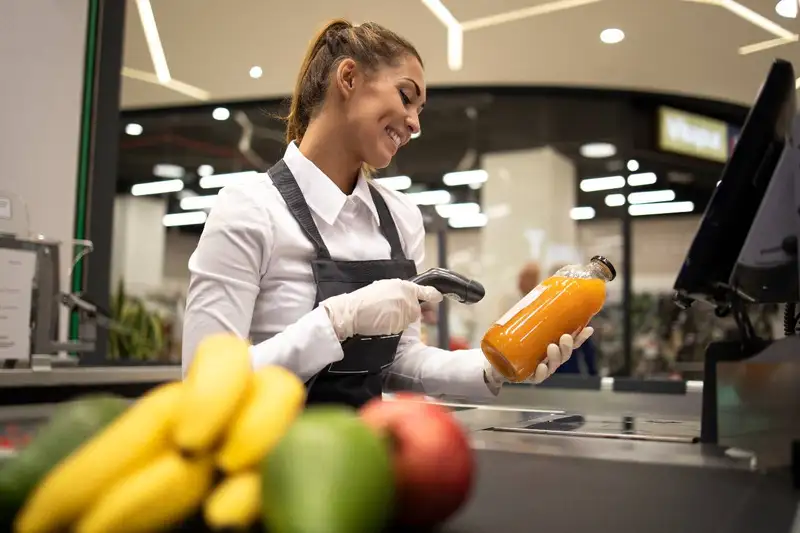
The first step is deciding how often inventory should be counted. High-value, fast-moving, or highly perishable items may need to be checked daily, while a full inventory count is often completed weekly. The most important factor is consistency. Counts should take place on the same day, at roughly the same time, and under similar operating conditions so results can be compared accurately.
Restaurant owners should also standardize how each item is counted. For example, one employee should not record cheese in pounds while another records it in individual packages. Using the same units of measurement helps reduce errors and makes purchasing and food cost calculations more reliable.
A strong stock counting process should include -
1. Create a master inventory list - Organize items by storage location, such as walk-in refrigerators, freezers, dry storage, and beverage areas.
2. Count in the same order every time - Following a consistent route reduces the chance of missing products or counting items twice.
3. Use standardized measurement units - Record inventory in pounds, ounces, cases, bottles, or another predefined unit.
4. Assign clear responsibility - Designate specific managers or employees to perform and verify inventory counts.
5. Avoid counting during busy periods - Whenever possible, complete counts before opening, after closing, or during a low-activity period when inventory movement is minimal.
6. Record partial quantities - Open containers, partial cases, and partially used products should be estimated as accurately as possible rather than ignored.
Once inventory is counted, compare the results with previous counts, purchases, sales, and expected food usage. Significant differences can reveal problems such as waste, incorrect portion sizes, receiving errors, or inaccurate records.
A disciplined counting routine gives restaurant owners more dependable inventory data. That information becomes the foundation for setting par levels, placing more accurate orders, calculating food costs, and identifying inventory problems before they become expensive.
Get Accurate Inventory Valuations
Manage Your Workforce with Altametrics
Set Par Levels and Reorder Points
Setting accurate par levels is an important part of food stock control because inventory needs can vary significantly between ingredients. A high-volume item such as cooking oil may need a larger buffer, while a highly perishable ingredient may require smaller, more frequent orders.
Restaurant owners can build more reliable par levels by considering several factors -
1. Review historical usage - Look at how much of each ingredient the restaurant typically uses during a normal day or week.
2. Consider supplier lead times - If a supplier needs several days to deliver an order, the restaurant should maintain enough stock to cover that period.
3. Account for delivery frequency - Restaurants receiving deliveries twice a week may need higher par levels than those receiving daily deliveries.
4. Factor in expected demand - Weekends, holidays, promotions, catering orders, and local events can increase ingredient requirements.
5. Consider shelf life - Perishable products should generally have tighter par levels to reduce spoilage and unnecessary waste.
6. Include a reasonable safety stock - Keeping a small buffer can help protect against unexpected sales increases or supplier delays without creating excessive inventory.
A simple approach is to calculate expected usage until the next delivery and add a small safety buffer. For example, if a restaurant expects to use 20 units of an ingredient before the next delivery and wants four additional units as safety stock, its target par level may be 24 units.
Par levels should not remain fixed indefinitely. Restaurant owners should review them regularly as sales patterns, menu offerings, supplier schedules, and seasonal demand change.
Accurate par levels and reorder points make purchasing more deliberate. Instead of relying on estimates or habit, managers can order based on actual inventory needs, helping reduce both stockouts and unnecessary food spending.
Food Storage and Proper Stock Rotation
Start by organizing inventory by storage location and product type. Dry goods, refrigerated ingredients, frozen products, beverages, and cleaning supplies should each have clearly defined areas. Within those areas, similar items should be grouped together and stored in consistent locations. This makes inventory counts faster and helps employees notice when stock is running low.
Restaurant owners should also establish clear labeling procedures. Every product should be labeled with important information such as the product name, receiving date, preparation date, and expiration or use-by date when applicable.
A strong storage and rotation process should include -
1. Use FIFO - First In, First Out means older inventory is placed in front of newer inventory so it gets used first.
2. Use FEFO when appropriate - First Expired, First Out prioritizes products with the earliest expiration dates, which is especially useful for highly perishable items.
3. Keep storage areas organized - Avoid placing new deliveries wherever space is available. Employees should return each item to its designated location.
4. Label products clearly - Consistent labels reduce confusion and make it easier to identify products that need to be used soon.
5. Monitor storage conditions - Refrigerators, freezers, and dry storage areas should be maintained at appropriate conditions to protect food quality and safety.
6. Avoid overfilled storage areas - Excess inventory can make it harder to see older products and increases the risk of ingredients being forgotten.
Proper organization also improves inventory accuracy. When products are scattered across multiple shelves or stored in unexpected places, employees are more likely to miss items during stock counts or order products the restaurant already has.
By combining organized storage with consistent stock rotation, restaurant owners can reduce spoilage, improve stock visibility, and make better use of the inventory they have already purchased.
Purchasing and Receiving Controls

A better purchasing process starts with using inventory data rather than relying on guesswork. Managers should review current stock levels, par levels, upcoming demand, and supplier schedules before placing orders.
Restaurant owners should focus on the following controls -
1. Order based on actual inventory needs - Compare current stock with par levels before creating purchase orders.
2. Use standardized purchase orders - Clearly document the items, quantities, units, and agreed pricing for every order.
3. Match deliveries to purchase orders - Employees receiving deliveries should verify that the products delivered match what was ordered.
4. Check product quality - Inspect ingredients for freshness, damage, spoilage, and other quality concerns before accepting them.
5. Verify quantities and pricing - Confirm case counts, weights, unit sizes, and invoice prices to identify discrepancies early.
6. Check temperatures when required - Refrigerated and frozen products should arrive within appropriate temperature ranges to protect food quality and safety.
7. Document discrepancies immediately - Missing items, substitutions, damaged products, and pricing errors should be recorded and reported to the supplier.
Receiving responsibilities should also be assigned to trained employees rather than handled informally by whoever happens to be available. Consistent receiving procedures make it easier to maintain accurate inventory records from the moment products enter the restaurant.
Strong purchasing and receiving controls help restaurant owners avoid paying for products they did not receive, reduce unnecessary ordering, and improve inventory accuracy. When ordering decisions are connected to actual stock levels and every delivery is carefully verified, the restaurant has a stronger foundation for controlling food costs and maintaining reliable inventory.
Streamline Your Inventory. Order Smartly.
Start Simplifying Your Orders with Altametrics
Food Usage, Waste, and Stock Variances
Start by recording all avoidable and unavoidable waste. This can include expired products, spoiled ingredients, kitchen errors, returned meals, overproduction, and trimming losses. Waste should be logged consistently with the item, quantity, reason, date, and employee or shift when appropriate.
Restaurant owners should also compare theoretical usage with actual usage. Theoretical usage estimates how much inventory should have been consumed based on menu sales and recipe quantities. Actual usage reflects how much stock was really used according to inventory counts and purchases.
A strong variance tracking process should include -
1. Record food waste daily - Document discarded ingredients and finished products instead of treating waste as an untracked operating expense.
2. Compare actual and expected usage - Use sales and recipe data to estimate how much inventory should have been consumed.
3. Review stock variances - Investigate meaningful differences between expected inventory and physical counts.
4. Look for repeated patterns - Frequent shortages of the same ingredient may point to portioning problems, preparation errors, or inaccurate recipes.
5. Track high-cost ingredients closely - Proteins, seafood, dairy, alcohol, and other expensive products may require more frequent review.
6. Investigate unusual changes quickly - Sudden increases in waste or inventory usage should be reviewed before they become recurring problems.
For example, if sales data indicates that 30 pounds of chicken should have been used during the week but inventory records show that 38 pounds were consumed, the restaurant has an eight-pound variance that should be investigated.
Tracking these differences gives restaurant owners a clearer view of hidden food costs. Over time, variance and waste data can reveal operational problems that may not be visible in sales reports alone. By reviewing this information regularly, owners can tighten portion control, improve kitchen procedures, reduce unnecessary losses, and make food stock control more accurate.
Use Sales Forecasting
Start by reviewing historical sales data. Look at how sales change by day of the week, time of day, season, and menu category. For example, a restaurant may consistently sell more burgers on Friday nights or more salads during warmer months. These patterns can help managers estimate future ingredient requirements.
Restaurant owners should consider several factors when forecasting food stock needs -
1. Review historical sales - Use previous sales data to identify recurring demand patterns.
2. Track menu item performance - Forecast at the menu-item level when possible so ingredient needs can be tied directly to expected sales.
3. Consider seasonality - Holidays, weather changes, tourism, school schedules, and seasonal menu items can affect demand.
4. Account for promotions and events - Discounts, catering orders, sporting events, festivals, and local activities may increase sales beyond normal levels.
5. Adjust for recent trends - Give more weight to recent sales changes if customer demand has shifted.
6. Connect forecasts to purchasing - Use projected demand to determine how much inventory should be ordered before the next delivery.
Forecasting can also improve preparation planning. If managers expect higher sales of certain menu items, the kitchen can prepare enough ingredients to meet demand without producing excessive quantities that may later become waste.
Forecasts should be updated regularly rather than treated as fixed predictions. Actual sales can differ because of weather, unexpected events, competitor activity, or changes in customer behavior. Comparing forecasted sales with actual results allows restaurant owners to improve future estimates.
When sales forecasting is connected with inventory counts, par levels, and purchasing decisions, restaurants can maintain better stock availability while reducing excess inventory. This makes food stock control more responsive to actual customer demand and helps protect food costs.
Use Technology
The biggest advantage of technology is visibility. When inventory data is connected with sales and purchasing information, managers can see how stock levels change and identify potential problems sooner.
Restaurant owners can use technology to improve food stock control in several ways -
1. Digitize inventory counts - Mobile or tablet-based counting tools can help employees record stock levels directly into the inventory system and reduce manual data entry.
2. Track inventory usage - Integrated systems can compare ingredient usage with menu sales to show whether food is being consumed as expected.
3. Automate purchasing - Inventory software can use par levels and current stock quantities to help managers determine what needs to be reordered.
4. Connect inventory with POS data - Linking sales with recipes allows restaurants to estimate theoretical ingredient usage based on the menu items sold.
5. Monitor food cost variances - Automated reports can highlight differences between expected and actual inventory usage, helping managers identify potential waste or operational problems.
6. Set inventory alerts - Restaurants can use alerts to identify low-stock items, unusual usage, or products approaching reorder points.
7. Manage multiple locations - Multi-unit operators can compare inventory levels, food costs, purchasing, and variances across locations from a centralized system.
Technology does not eliminate the need for accurate stock counts or strong inventory procedures. Employees still need to receive products correctly, record waste, follow recipes, and maintain organized storage areas. Software is most effective when it supports consistent operational processes.
Restaurant owners should also review key food stock control metrics regularly, including inventory value, food cost percentage, waste, stock variance, inventory turnover, and stockout frequency. These measurements can reveal where processes need to be adjusted.
By combining reliable procedures with restaurant inventory technology, owners can gain greater control over purchasing and food usage. Better visibility allows managers to react faster to inventory problems, reduce unnecessary waste, maintain appropriate stock levels, and make more informed decisions about food costs.
Efficient Ordering at Your Fingertips
Experience Flawless Inventory Management with Altametrics
Frequently
Asked Questions
What is the difference between FIFO and FEFO?
How can restaurants reduce food stockouts?
What is food stock variance?
What causes inaccurate restaurant inventory counts?
Must-Read Content
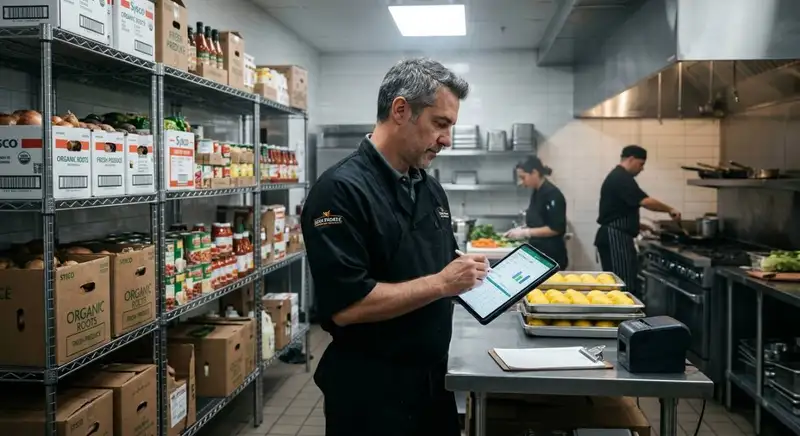
How to Reduce Supply Costs in Your Restaurant
Cut restaurant supply costs by understanding spending, auditing expenses, engineering menus, negotiating with suppliers, controlling inventory, reducing waste, and using technology to monitor everything continuously.
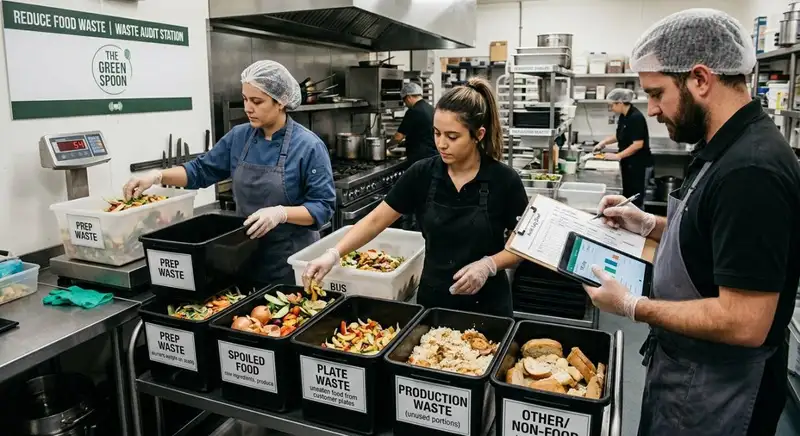
How to Conduct a Food Waste Audit in Your Restaurant
A food waste audit helps restaurant owners identify waste sources, track costs, improve inventory management, reduce food waste, and increase profitability.

The Complete Guide to Bar Inventory Management for Restaurants
This guide covers bar inventory management essentials - counting, tracking, ordering, storage, variance control, and cost strategies for restaurant profitability.