What is a direct online order?
A direct online order is a customer order placed through a restaurant's own website, app, or branded ordering page instead of a third-party platform. It helps restaurants keep control over pricing, customer data, promotions, and repeat sales while reducing dependency.
How Restaurants Can Get More Direct Online Orders

Third-Party Fees and Margins
Third-party delivery apps can help restaurants reach more customers, but they can also reduce the profit from each order. For many restaurant owners, the issue is not whether delivery apps generate sales. The issue is how much profit remains after fees, discounts, packaging, labor, and food costs are subtracted.
A restaurant may see a $50 online order and assume it is a strong sale. But if that order comes through a delivery marketplace, the final margin can look very different. For example, if the platform commission is 25%, the restaurant gives up $12.50 from that $50 order. If food costs are $15, packaging costs $3, and labor costs $6, the restaurant has already spent or lost $36.50 before considering rent, utilities, insurance, payment processing, and other operating expenses.
That means the order may still increase sales volume, but it may not increase profit at the same rate. This is especially important for restaurants with lower-margin menu items, heavy discounting, or high delivery packaging costs. A burger, pasta dish, pizza, or bowl may look profitable on the menu, but once delivery fees and operating costs are included, the margin can shrink quickly.
Third-party platforms can also make it harder for restaurants to build long-term customer value. The customer may remember the app more than the restaurant. The platform may control the ordering experience, customer communication, promotional placement, and repeat-order reminders. As a result, the restaurant may pay to acquire the same customer again instead of building a direct relationship.
This does not mean restaurants should avoid third-party delivery completely. These platforms can still help with visibility, convenience, and new customer discovery. The better strategy is to use them carefully. Restaurant owners can treat third-party apps as one sales channel, not the main source of online ordering growth.
The goal is to move more repeat customers toward direct online ordering. If a customer first discovers the restaurant through a delivery app, the next step should be encouraging them to order directly next time. This can be done through branded packaging, receipt messages, loyalty offers, QR codes, website reminders, and direct-order-only promotions.
Simple Mobile Ordering Experience
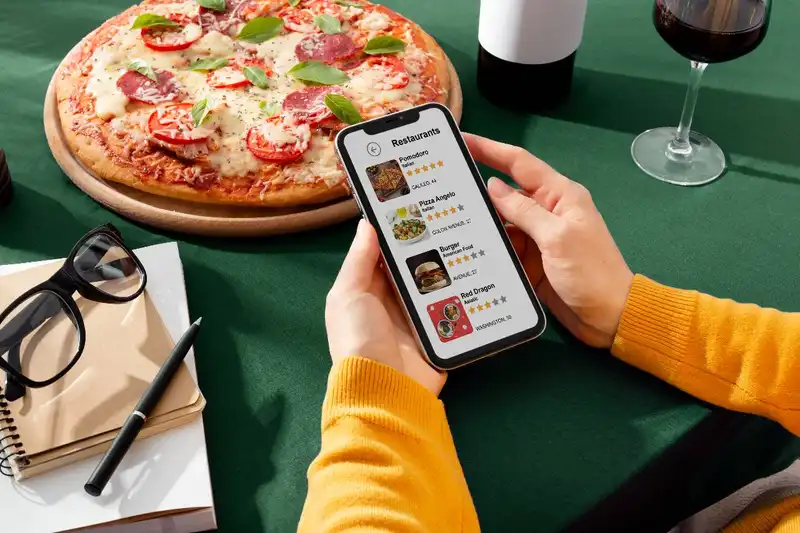
A restaurant can lose direct online orders before customers ever reach checkout. The problem is often not the food, price, or brand. It is friction. If the ordering process takes too long, loads slowly, looks confusing on a phone, or requires too many steps, customers may abandon the order and choose a faster option.
For restaurant owners, this matters because online ordering is usually a mobile-first behavior. Many customers search for food, compare menus, check prices, and place orders from their smartphones. If the direct ordering experience is harder than using a third-party app, the restaurant loses control of the sale. A customer who wanted to order directly may return to a delivery marketplace simply because the process feels easier.
The first metric to review is the number of steps between landing on the website and completing an order. A strong direct ordering flow should make the path clear -
1. Customer visits the website
2. Clicks Order Online
3. Chooses pickup or delivery
4. Selects items
5. Adds modifiers or sides
6. Reviews the cart
7. Pays and confirms the order
Every unnecessary page, popup, login requirement, or confusing menu screen can reduce completion rates. For example, if 1,000 people visit the restaurant's ordering page and only 80 complete an order, the conversion rate is 8%. Improving the page layout, checkout speed, and mobile design could help turn more of those visitors into paying customers without increasing ad spend.
The Order Online button should be visible on the homepage, menu page, Google Business Profile, social media profiles, email campaigns, and mobile navigation. Customers should not have to search for it. A hidden ordering link can turn warm traffic into lost revenue.
Menu design also affects direct ordering performance. Categories should be simple, item names should be easy to understand, prices should be clear, and modifiers should be organized. Customers should be able to add toppings, sides, sauces, drinks, desserts, and special instructions without confusion. If the menu is too crowded or difficult to navigate, customers may leave before finishing the order.
Checkout should be fast and transparent. Restaurants should clearly show pickup times, delivery zones, taxes, fees, payment options, and order totals before the customer confirms. Surprise fees or unclear wait times can create hesitation at the final step.
A better online ordering experience does more than increase convenience. It increases the chance that customers complete the order, return again, and order directly instead of using a third-party platform.
Simplify Multi-Channel Ordering
Get started with Altametrics to streamline your POS!
Optimize the Online Menu
The online menu is one of the biggest drivers of direct ordering sales. A customer may arrive on the ordering page ready to buy, but the menu still needs to guide that customer toward a completed order. If items are hard to understand, categories are disorganized, photos are missing, or add-ons are unclear, the restaurant can lose sales even when traffic is strong.
Start by reviewing key online ordering metrics -
1. Top-selling items - Identify which items drive the most online sales. These should be easy to find, placed in popular categories, and supported with clear descriptions and photos.
2. Low-performing items - If an item sells well in-store but poorly online, the issue may be the photo, name, description, price, or modifier setup. The item may need better presentation, not removal.
3. Average order value - If the average direct order is $28, small upsells can make a meaningful difference. Adding a $3 drink, $5 dessert, or $7 appetizer to even a portion of orders can increase total revenue without needing more customers.
3. Modifier and add-on performance - Restaurants should track which toppings, sauces, proteins, sides, and upgrades customers select most often. Popular add-ons should be easy to choose during the ordering process.
A strong online menu should be organized around how customers actually buy. Categories like Popular Items, Family Meals, Lunch Specials, Combos, Desserts, and Drinks can make ordering faster. Customers should not have to search through a long menu to find the items most likely to convert.
Photos can also influence ordering decisions. A customer ordering online cannot smell the food, see the dining room, or ask a server for recommendations. Clear menu photos help reduce uncertainty and make items feel more appealing. Even a simple photo of a best-selling burger, pizza, salad, bowl, or dessert can help customers make a faster decision.
Descriptions should be short but useful. Instead of only listing "Chicken Sandwich," the menu can explain the main ingredients, flavor, portion, and add-on options. For example, Crispy chicken sandwich with house sauce, pickles, lettuce, and your choice of side gives the customer more confidence than a basic item name.
Restaurants should also use the online menu to increase order size. Add prompts such as "Add a drink," "Make it a combo," "Add extra protein," "Add dessert," or "Complete your meal with a side." These small prompts can turn a single-item order into a larger ticket.
The online menu should be reviewed regularly. If 1,000 customers visit the ordering page but only 90 place an order, the conversion rate is 9%. Improving menu layout, photos, descriptions, bundles, and add-ons can help increase sales from the same amount of traffic. For restaurant owners, menu optimization is one of the most practical ways to get more direct online orders without relying only on discounts or paid advertising.
Promote Direct Ordering
Restaurants cannot expect customers to order directly if they are not reminded where and how to do it. Many customers are already trained to open third-party delivery apps when they want takeout or delivery. To change that behavior, restaurants need to promote direct online ordering repeatedly across every customer touchpoint.
For restaurant owners, this is a visibility problem as much as a technology problem. A restaurant may already have a direct ordering system, but if customers do not see it on the website, Google profile, receipts, packaging, social media, or email messages, they may continue ordering through marketplace apps by default.
The first place to start is the restaurant website. The Order Online button should appear in high-traffic areas, including the homepage, navigation menu, menu page, contact page, and mobile header. If 2,000 people visit the website in a month and only 100 click the ordering button, the click-through rate is 5%. Improving button placement, wording, and visibility can help turn more website visitors into direct ordering customers.
Google Business Profile is another important touchpoint. Many customers search for restaurants through Google before they visit the website. If the profile includes a direct ordering link, updated hours, current menu information, photos, and pickup details, customers have a clearer path to order directly. A missing or outdated ordering link can send customers to third-party apps instead.
Restaurants should also use physical touchpoints to drive online orders. Every takeout bag, receipt, menu insert, table tent, counter sign, and QR code can remind customers to order directly next time. For example, a simple message such as "Order direct next time and earn rewards" can turn a completed order into a future direct order opportunity.
Digital marketing should support the same goal. Email campaigns, SMS messages, social media posts, website banners, and loyalty messages should all point customers to the restaurant's direct ordering page. Instead of only promoting food photos or daily specials, restaurants should include direct calls to action such as -
1. Order pickup directly from our website
2. Skip the app fees and order direct
3. Earn rewards when you order online
4. Get direct-order-only specials
5. Reorder your favorite meal in a few clicks
Tracking performance is important. Restaurant owners should monitor which touchpoints generate direct orders. For example, if QR codes on bag inserts drive 40 orders per month and email campaigns drive 120 orders per month, the restaurant can focus more effort on the channels that produce the highest return.
Promotion should not happen once. Customers often need multiple reminders before changing their ordering habits. The more often a restaurant places its direct ordering link in front of customers, the more likely they are to use it. Direct order growth comes from repetition, convenience, and clear value. When customers understand that ordering directly is easy, reliable, and sometimes more rewarding, they are more likely to bypass third-party platforms and order from the restaurant itself.
Use Offers That Encourage Direct Orders
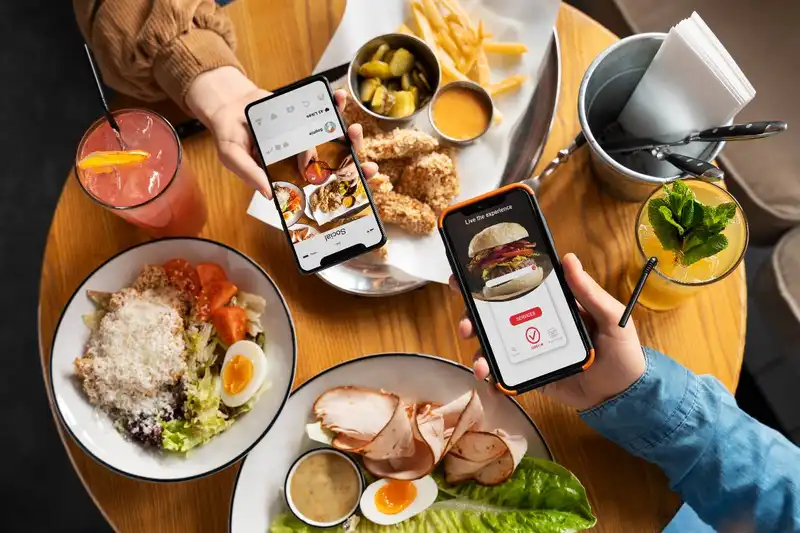
Promotions can help restaurants get more direct online orders, but not every discount improves profitability. A restaurant may increase order volume with large discounts, but if the offer cuts too deeply into margins, the business can end up busier without making more money.
For restaurant owners, every direct-order offer should be measured against food cost, labor cost, packaging cost, payment processing, and expected repeat sales. For example, if a restaurant offers 20% off a $40 order, the discount removes $8 from the sale. If food costs are $12, packaging is $2, and labor is $5, the restaurant has already given up $27 before rent, utilities, marketing, and other expenses are considered. The promotion may still make sense if it brings in a new customer who orders again, but it should not be used without tracking results.
A better approach is to design offers that increase order size or repeat visits instead of simply lowering the price. For example, a restaurant can use -
1. Minimum order discounts - Offer $5 off orders over $50 instead of giving a discount on every order. This encourages customers to add more items before the promotion applies.
2. Free add-ons with direct orders - A free drink, side, sauce, or dessert may feel valuable to the customer but cost less than a large percentage discount.
3. Pickup-only specials - Pickup orders can protect margins because the restaurant avoids delivery-related costs and may complete the order with fewer service steps.
4. Family meal bundles - Bundles can increase average order value by packaging entrees, sides, drinks, and desserts together in one higher-ticket order.
5. Loyalty rewards - Instead of discounting the first sale heavily, restaurants can reward repeat behavior, such as "Order directly 5 times and get $10 off your next order."
The most important metric is promotion profitability. Restaurant owners should track how many orders each offer generates, the average order value, the discount cost, the repeat order rate, and the final margin. If a promotion brings in 100 orders but most are low-margin, one-time purchases, it may not be as valuable as a smaller campaign that creates repeat direct customers.
Restaurants should also avoid training customers to wait for discounts. If every direct order requires a coupon, customers may stop ordering at full price. Limited-time offers, loyalty-based rewards, and bundle-based promotions are often stronger than constant discounts because they create urgency without weakening the restaurant's normal pricing.
Direct-order promotions work best when they give customers a reason to change behavior. A customer who is used to ordering through a delivery app needs a clear benefit for ordering from the restaurant's website instead. That benefit can be lower fees, loyalty points, exclusive menu items, faster pickup, better bundles, or special direct-order rewards.
When offers are planned carefully, they can increase direct online orders while protecting profit. The right promotion should bring customers to the restaurant's own ordering channel, increase average order value, and support repeat sales without turning every order into a low-margin transaction.
Build Customer Loyalty
Direct online ordering is not only a way to reduce third-party fees. It is also a way to build stronger customer loyalty. When customers order through a restaurant's own website, app, or branded ordering page, the restaurant can collect useful customer data and use that information to encourage repeat sales.
For restaurant owners, this matters because repeat customers are usually more valuable than one-time customers. A customer who orders once may create short-term revenue, but a customer who orders every week, every two weeks, or every month creates predictable sales over time. Direct ordering gives restaurants more control over that relationship.
The first data point to track is repeat order rate. For example, if 500 customers place direct online orders in one month and 150 of them order again within 30 days, the repeat order rate is 30%. If that number is low, the restaurant may need stronger follow-up campaigns, loyalty rewards, reorder reminders, or better post-order communication.
Direct ordering also helps restaurants understand customer behavior. Owners can review -
1. Order frequency - How often customers place direct orders.
2. Average order value - How much repeat customers spend compared with first-time customers.
3. Favorite menu items - Which dishes, sides, drinks, desserts, or bundles customers order most often.
4. Time between orders - How many days pass before a customer orders again.
5. Promotion response - Which offers bring customers back without hurting margins.
This data can be used to create more targeted marketing. Instead of sending the same promotion to every customer, restaurants can send more relevant messages. A customer who usually orders lunch can receive a weekday lunch offer. A customer who orders family meals can receive a weekend bundle promotion. A customer who has not ordered in 45 days can receive a win-back message.
Loyalty programs can also make direct ordering more attractive. For example, a restaurant can offer points for every direct order, a free item after a set number of purchases, birthday rewards, or exclusive direct-order deals. These rewards give customers a reason to return to the restaurant's own ordering channel instead of using a third-party app.
The key is to measure loyalty by behavior, not just sign-ups. A restaurant may have 2,000 people in its loyalty database, but the more important question is how many of them actually order again. Owners should track loyalty member order frequency, average order value, redemption rate, and repeat purchase rate.
Direct ordering also allows restaurants to communicate after the sale. Order confirmation emails, thank-you messages, reorder reminders, and customer feedback requests can keep the restaurant connected to the guest. Each message creates another opportunity to bring the customer back.
When restaurants use direct ordering data correctly, they can move beyond one-time transactions. They can build a customer base that orders more often, spends more over time, and depends less on third-party delivery platforms. That makes direct ordering a long-term loyalty strategy, not just a short-term sales channel.
Track Direct Ordering Metrics
Getting more direct online orders should not be treated as a one-time project. A restaurant may launch an ordering page, add an online menu, and promote direct ordering, but the real growth comes from tracking performance and improving the process over time. Without data, restaurant owners may not know where customers are dropping off, which offers are working, or which menu items are driving the most profitable sales.
The first metric to review is direct order volume. This shows how many customers are ordering through the restaurant's own website, app, or branded ordering page. For example, if a restaurant receives 1,000 online orders per month and only 250 come directly, the direct order share is 25%. If the goal is to reduce dependency on third-party platforms, that number should increase over time.
The second metric is average order value. A restaurant may be getting more direct orders, but if those orders are small, revenue growth may be limited. For example, if the average direct order is $32, increasing it to $38 through add-ons, bundles, drinks, desserts, or family meals can create more revenue without needing more customers.
Restaurant owners should also track repeat order rate. If 400 customers place direct orders in a month and 120 order again within 30 days, the repeat order rate is 30%. A low repeat rate may signal that the restaurant needs better loyalty offers, reorder reminders, post-order emails, or customer follow-up.
Another important number is cart abandonment. If 700 customers start an online order but only 350 complete it, half of potential orders are being lost before checkout. The reason may be slow page speed, confusing modifiers, surprise fees, limited payment options, unclear pickup times, or too many steps in the ordering process.
Restaurants should review the following metrics regularly -
1. Direct order volume - Measures how many orders come through owned ordering channels.
2. Direct order share - Compares direct orders with third-party delivery orders.
3. Average order value - Shows whether customers are spending more or less per direct order.
4. Repeat order rate - Measures how many customers come back after their first direct order.
5. Cart abandonment rate - Shows where customers may be leaving before checkout.
6. Top-selling items - Helps identify which menu items should be promoted more often.
7. Promotion performance - Shows which discounts, bundles, or loyalty offers generate profitable sales.
8. Pickup vs. delivery mix - Helps owners understand which order types are most profitable and operationally efficient.
These numbers should guide business decisions. If pickup orders have stronger margins than delivery orders, the restaurant may promote pickup-only specials. If family bundles have a higher average order value, they can be featured more prominently on the online menu. If customers abandon carts after seeing fees, the restaurant may need clearer pricing earlier in the order flow.
The goal is continuous improvement. A restaurant does not need to change everything at once. Small updates, such as moving the Order Online button, improving menu photos, simplifying modifiers, adding reorder reminders, or testing a new bundle, can improve results over time.
Direct online ordering becomes more profitable when owners measure what is working and fix what is not. The restaurants that grow this channel are not only adding technology. They are using data to increase completed orders, raise average ticket size, build repeat customers, and keep more revenue inside the business.

Employee scheduling
Human Resource Management for Restaurants
Employee scheduling
Common Payroll Challenges in Restaurants

Sales forecasting
How to Use Restaurant Analytics to Improve Profitability
Restaurant management
The Complete Guide to Restaurant Reputation Management
Accounting payroll
Restaurant Cash Handling Procedures

Accounting payroll
How to Manage Restaurant Finances
Employee scheduling
How to Motivate Restaurant Staff
Software integration
10 Ways Technology Can Help Control Food Cost in Restaurants
Frequently Asked Questions
How can restaurants get more customers to order directly?
Restaurants can get more direct orders by adding clear Order Online buttons, promoting direct ordering on Google Business Profile, using QR codes, adding messages to receipts and packaging, sending email or SMS offers, and creating direct-order-only rewards.
What kind of promotions work best for direct online orders?
The best promotions encourage customers to order directly without cutting too deeply into margins. Examples include free add-ons, loyalty points, pickup-only specials, family meal bundles, minimum order discounts, and rewards for repeat direct orders.
What metrics should restaurants track for direct online ordering?
Restaurant owners should track direct order volume, direct order share, average order value, repeat order rate, cart abandonment rate, top-selling items, promotion performance, and pickup versus delivery mix. These numbers show what is working and where sales may be lost.
How can QR codes help increase direct online orders?
QR codes make direct ordering easier by sending customers straight to the restaurant's ordering page. Restaurants can place QR codes on receipts, menus, table tents, takeout bags, flyers, window signs, and delivery inserts to encourage future direct orders.