What is preventative maintenance in a restaurant?
Preventative maintenance in a restaurant means regularly inspecting, cleaning, testing, and servicing equipment before it breaks down. This includes ovens, fryers, refrigerators, freezers, dishwashers, HVAC systems, POS terminals, payment devices, and other tools used during daily operations.
Preventative Maintenance Checklist for Restaurant Equipment

The Importance of Restaurant Maintenance
Preventative maintenance matters because restaurant equipment affects almost every part of daily operations. A broken refrigerator is not only a repair problem. It can put food safety, inventory value, prep schedules, menu availability, and daily sales at risk. A fryer, oven, dishwasher, HVAC unit, or POS system failure during service can slow orders, frustrate staff, delay guests, and reduce revenue.
Restaurants rely on equipment to keep service consistent. Ovens, grills, and fryers affect food quality and ticket times. Refrigerators and freezers protect ingredients from spoilage. Dishwashers keep plates, utensils, and tools ready for service. HVAC systems support guest comfort and safer kitchen conditions. POS systems manage ordering, payments, kitchen communication, receipts, and reporting. When one system fails, employees often have to create manual workarounds, which increases pressure and slows the restaurant.
Skipping maintenance can also make small problems more expensive. A damaged refrigerator gasket can let cold air escape, forcing the unit to work harder and increasing temperature risk. A poorly cleaned fryer can lower food quality, use more oil, and wear out faster. A weak dishwasher can create sanitation issues.
For restaurant owners, preventative maintenance creates control. A clear checklist helps teams track equipment condition, catch problems early, reduce waste, lower repair surprises, and keep operations running during peak hours.
Daily Restaurant Equipment Maintenance
Daily preventative maintenance helps restaurant owners catch small equipment problems before they interrupt service. A daily checklist should focus on the equipment that has the highest impact on food safety, service speed, and sales. Refrigerators and freezers should be checked at the start and end of the day to confirm that temperatures are staying in the safe range. If a walk-in cooler is running warm, the team needs to know before thousands of dollars in inventory are at risk. Staff should also check that doors close properly, shelves are not overloaded, and air vents are not blocked.
Cooking equipment should be cleaned and inspected throughout the day. Ovens, grills, fryers, and ranges collect grease, crumbs, carbon buildup, and food debris during service. If this buildup is ignored, equipment may heat unevenly, food quality may decline, and fire risk may increase. Fryers should be checked for oil quality, excess sediment, clogged baskets, and proper temperature performance.
Dishwashers also need daily attention because they support both sanitation and speed. Staff should check water temperature, detergent levels, rinse aid, spray arms, drains, and visible buildup. A dishwasher that is not working properly can quickly create backups during busy shifts.
POS systems should not be left out of the checklist. Terminals, printers, payment devices, handhelds, cables, and screens should be cleaned, charged, connected, and tested before peak hours. A payment issue during lunch or dinner can slow the line, frustrate guests, and create avoidable revenue delays.
A simple daily checklist may include -
1. Check refrigerator and freezer temperatures.
2. Inspect door seals and make sure doors close fully.
3. Clean fryer baskets, remove sediment, and check oil quality.
4. Wipe down ovens, grills, ranges, and prep equipment.
5. Check dishwasher temperature, detergent, and drainage.
6. Clean POS terminals, printers, and payment devices.
7. Test receipt printers, kitchen printers, and handheld devices.
8. Report unusual noises, leaks, error messages, or temperature changes.
Daily maintenance does not need to be complicated. It needs to be consistent. When employees know what to check, when to check it, and who is responsible, the restaurant has a better chance of preventing breakdowns before they become expensive emergencies.
Create, Implement, and Execute Multiple Daily Checklists
Streamline Your Operations with Altametrics
Weekly Preventative Maintenance
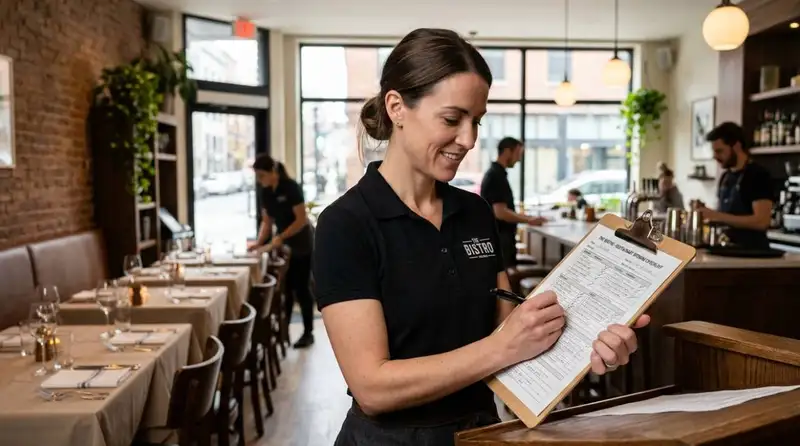
Weekly preventative maintenance gives restaurant owners a chance to look deeper than the daily checklist. Daily tasks usually focus on cleaning, temperature checks, and quick inspections. Weekly tasks should focus on patterns. If the same equipment needs extra attention every week, that may be an early warning sign that a larger repair or replacement decision is coming.
Start with cooking equipment. Fryers should be filtered, cleaned, and inspected for sediment buildup, clogged drain valves, damaged baskets, and inconsistent heating. Oil quality should also be reviewed because poor oil affects food taste, cooking time, and food cost. Ovens, grills, ranges, and flat tops should be checked for grease buildup, uneven heating, loose knobs, burner issues, and worn parts. Small problems in cooking equipment can quickly affect ticket times during busy hours.
Refrigerators and freezers should also receive a weekly inspection. Staff should check door gaskets, hinges, fan operation, drain lines, ice buildup, and airflow. If products are stacked too tightly or placed in front of vents, the unit may struggle to hold temperature. This can increase energy use and raise the risk of spoilage.
Dishwashers need weekly cleaning beyond the normal end-of-day routine. Spray arms, filters, nozzles, screens, and drains should be cleaned and checked for clogs. Staff should also look for mineral buildup, poor water pressure, or dishes coming out wet or dirty.
HVAC and ventilation should not be ignored. Air vents, filters, thermostats, and exhaust areas should be reviewed for dust, grease, weak airflow, or unusual noise. Poor airflow can make the kitchen uncomfortable and force equipment to work harder.
A weekly checklist may include -
1. Deep clean fryer baskets, filters, and drain areas.
2. Check ovens, grills, and ranges for uneven heat or grease buildup.
3. Inspect refrigerator and freezer door gaskets.
4. Make sure cooler vents and fans are not blocked.
5. Clean dishwasher spray arms, filters, nozzles, and drains.
6. Check HVAC vents, filters, and thermostat performance.
7. Test POS printers, card readers, handhelds, and backup devices.
8. Review the maintenance log for repeated problems.
Weekly maintenance helps owners move from reaction to prevention. Instead of discovering problems during the lunch rush or dinner rush, managers can find warning signs earlier, assign follow-up tasks, and keep equipment running with fewer surprises.
Monthly Maintenance
Monthly preventative maintenance should focus on the larger systems that carry the biggest repair, safety, and revenue risks. Daily and weekly checks help the team catch visible issues, but monthly reviews give owners and managers time to inspect equipment more carefully, compare maintenance logs, and decide whether a technician should be scheduled before a failure happens.
Start with refrigeration. Walk-in coolers, reach-in refrigerators, prep tables, and freezers should be reviewed for temperature consistency, ice buildup, clogged drains, damaged door seals, dirty condenser coils, and blocked airflow. Refrigeration problems can become expensive quickly because they affect both equipment performance and inventory value. If a cooler is running too warm, cycling too often, or making unusual noises, it should be flagged before food safety or spoilage becomes a bigger issue.
Cooking equipment should also receive a more detailed monthly inspection. Ovens, fryers, grills, ranges, steamers, and holding cabinets should be checked for worn parts, thermostat accuracy, grease buildup, loose connections, damaged knobs, and uneven heating. If an oven takes longer to reach temperature or a fryer struggles to recover between batches, the kitchen may lose speed during peak hours.
Dishwashers, ice machines, HVAC units, exhaust hoods, and POS systems should be included in the monthly checklist as well. These systems may not always get the same attention as cooking equipment, but they support sanitation, comfort, communication, payments, and service flow.
A monthly checklist may include -
1. Inspect walk-in coolers, freezers, prep tables, and reach-ins.
2. Clean or schedule cleaning for condenser coils and drain lines.
3. Review refrigeration temperature logs for recurring issues.
4. Check ovens, fryers, grills, and ranges for worn or damaged parts.
5. Test cooking equipment for consistent heat and recovery time.
6. Inspect dishwashers for scale buildup, leaks, and poor wash results.
7. Check ice machines for cleanliness, water flow, and unusual buildup.
8. Review HVAC filters, vents, thermostats, and airflow.
9. Inspect exhaust hoods, grease filters, and ventilation areas.
10. Test POS terminals, printers, payment devices, and backup procedures.
11. Review maintenance logs to identify repeated repair patterns.
12. Schedule professional service for equipment showing warning signs.
Monthly maintenance helps restaurant owners make better decisions before equipment problems become emergencies. When the team documents what was checked, what changed, and what needs service, the restaurant creates a clearer record of equipment health. This makes it easier to reduce surprise repairs, plan maintenance budgets, and keep major systems ready for busy shifts.
Refrigerators and Freezers
Refrigerators and freezers are some of the most important pieces of equipment in a restaurant because they protect food safety, inventory value, and menu availability. When cold storage fails, the impact can move quickly from a maintenance issue to a food cost problem. A walk-in cooler that runs too warm can put meat, seafood, dairy, produce, sauces, and prepared items at risk. A freezer with ice buildup or weak airflow can damage product quality and make it harder for the kitchen to prep accurately.
The first step is temperature control. Restaurant teams should check and record cooler and freezer temperatures every day, but owners should also review those logs for patterns. One unusual reading may be a simple door issue. Repeated high readings may point to a failing gasket, blocked airflow, dirty condenser coil, thermostat problem, or compressor issue. The goal is to catch the warning signs before inventory is lost.
Door seals are another major checkpoint. If a gasket is cracked, loose, dirty, or not sealing properly, cold air escapes and the unit has to work harder. This can increase energy use and place more strain on the equipment. Staff should also make sure doors close completely, hinges work properly, and employees are not leaving walk-in doors open during prep or delivery.
Airflow matters as much as temperature. Shelves should not be overloaded, boxes should not block vents, and products should be stored with enough space for cold air to circulate. When airflow is restricted, some areas of the unit may stay cold while others become unsafe.
A refrigeration maintenance checklist may include -
1. Record refrigerator and freezer temperatures daily.
2. Review temperature logs for repeated warm readings.
3. Inspect door gaskets for cracks, gaps, dirt, or loose sections.
4. Make sure walk-in doors close fully and hinges work properly.
5. Keep vents, fans, and airflow paths clear.
6. Check for ice buildup inside freezers.
7. Look for water leaks, clogged drain lines, or standing water.
8. Listen for unusual noises from fans, motors, or compressors.
9. Keep condenser coils clean and free from dust or grease.
10. Avoid overloading shelves or blocking circulation.
11. Label and rotate inventory to reduce spoilage risk.
12. Create an action plan for equipment running outside safe temperature ranges.
Preventative maintenance for refrigeration should be treated as both an equipment task and a food safety task. When owners track temperatures, inspect seals, manage airflow, and respond quickly to warning signs, they reduce the chance of spoilage, emergency repairs, menu shortages, and failed health inspection issues.
Effortlessly Create, Implement, and Execute Multiple Daily Checklists
Optimize Your Daily Operations with Altametrics
Cooking Equipment
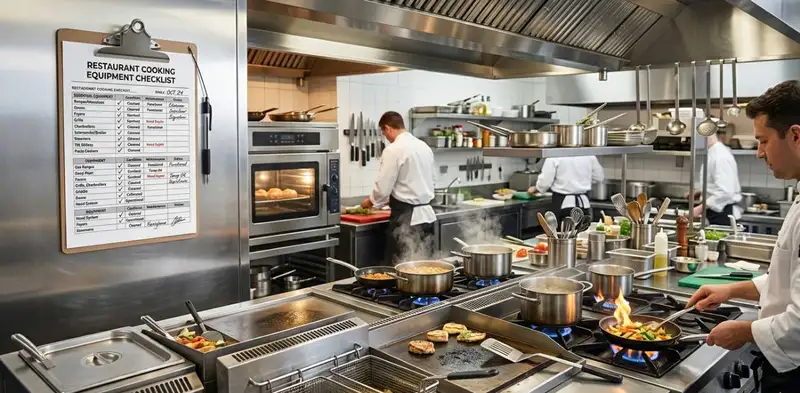
Cooking equipment carries a major part of the restaurant's daily revenue. Ovens, fryers, grills, ranges, steamers, and holding cabinets directly affect food quality, ticket times, consistency, and kitchen productivity. If one piece of cooking equipment fails during a rush, the kitchen may have to slow down, remove menu items, extend wait times, or shift work to another station. That can create pressure across the entire operation.
Preventative maintenance starts with cleaning. Grease, crumbs, carbon buildup, and food debris can reduce performance over time. A grill with heavy buildup may cook unevenly. An oven with dirty fans or blocked airflow may create inconsistent results. A fryer with excess sediment can affect food taste, oil life, and recovery time between batches. These small issues may not stop service immediately, but they can quietly reduce speed and quality every day.
Temperature accuracy is another important checkpoint. If an oven is set to 400 degrees but does not hold that temperature consistently, food may take longer to cook or come out differently from shift to shift. If a fryer temperature drops too much between batches, the kitchen may see longer cook times, soggy food, or higher oil absorption. Owners should make sure managers watch for patterns such as longer ticket times, inconsistent product quality, or repeated staff complaints about the same station.
Safety should also be part of the checklist. Staff should look for gas odors, loose knobs, damaged cords, unstable equipment, weak pilot lights, grease leaks, worn hoses, and unusual noises. These problems should be reported immediately instead of being worked around during service.
A cooking equipment maintenance checklist may include -
1. Clean ovens, grills, ranges, fryers, and flat tops daily.
2. Remove grease, crumbs, carbon buildup, and food debris.
3. Filter fryer oil according to usage and oil condition.
4. Check fryer baskets, drain valves, and heating elements.
5. Watch for slow fryer recovery times between batches.
6. Inspect ovens for uneven heating or blocked airflow.
7. Check burners, pilot lights, knobs, and controls.
8. Look for loose parts, damaged cords, leaks, or gas odors.
9. Test holding cabinets for proper temperature performance.
10. Keep ventilation areas clear of grease and buildup.
11. Report unusual noises, smells, error codes, or performance changes.
12. Schedule professional service when equipment shows repeated warning signs.
Preventative maintenance for cooking equipment helps protect both food quality and kitchen speed. When equipment heats correctly, stays clean, and works consistently, the team can produce orders faster with fewer mistakes. For restaurant owners, that means fewer emergency repairs, less downtime, better consistency, and a smoother service during the busiest hours.
Dishwashers, HVAC, and POS Systems
Dishwashers, HVAC systems, and POS systems may not always receive the same attention as refrigerators and cooking equipment, but they play a major role in daily restaurant operations. These systems support sanitation, guest comfort, payment processing, kitchen communication, and service speed. When one of them fails, the restaurant may still be open, but the team may struggle to operate efficiently.
Dishwashers should be checked because they affect both cleanliness and table turnover. If the dishwasher is not reaching the right temperature, using enough detergent, draining properly, or spraying with enough pressure, plates and utensils may come out dirty or wet. This can slow down service, create sanitation risks, and force staff to rewash items manually. Managers should also watch for mineral buildup, clogged spray arms, leaking water, poor drying, and unusual noises.
HVAC systems are another important part of preventative maintenance. A dining room that is too hot or too cold can hurt the guest experience, while a kitchen with poor airflow can make work harder for employees. Dirty filters, blocked vents, weak airflow, or thermostat problems can also make the system work harder than necessary. Regular checks help reduce surprise breakdowns during hot weather, cold weather, or peak business hours.
POS systems need maintenance because they connect orders, payments, receipts, reporting, and kitchen communication. A slow terminal, disconnected printer, weak handheld battery, or payment device error can quickly create bottlenecks. These issues may seem small, but during lunch or dinner, even a few minutes of downtime can delay orders and frustrate guests.
A support equipment checklist may include -
1. Check dishwasher wash and rinse temperatures.
2. Inspect detergent, sanitizer, and rinse aid levels.
3. Clean dishwasher spray arms, filters, screens, and drains.
4. Look for leaks, mineral buildup, poor drying, or dirty dishes.
5. Replace or clean HVAC filters on schedule.
6. Keep vents, returns, and airflow areas clear.
7. Test thermostats and monitor unusual HVAC noises.
8. Clean POS terminals, screens, printers, and payment devices.
9. Test kitchen printers, receipt printers, card readers, and handhelds.
10. Keep POS cables, chargers, and backup devices organized.
11. Confirm internet connection and backup payment process.
12. Report error messages, failed payments, printer issues, or slow devices.
Preventative maintenance for support systems helps the restaurant avoid hidden bottlenecks. Clean dishes keep service moving, reliable HVAC supports comfort and productivity, and working POS equipment protects order flow and payment speed. When these systems are checked regularly, the restaurant is better prepared to handle busy shifts without unnecessary delays.
How to Build a Simple Preventative Maintenance System
A preventative maintenance checklist only works if it becomes part of the restaurant's normal routine. Many restaurants know what should be checked, but the process breaks down because tasks are not assigned clearly, logs are not reviewed, and small problems are not followed up on. A strong maintenance system turns equipment care into a repeatable process instead of a last-minute reaction.
Start by separating tasks by frequency. Daily tasks should be simple enough for opening, shift-change, and closing routines. Weekly tasks should focus on deeper cleaning and visible equipment checks. Monthly tasks should include manager reviews, maintenance logs, vendor follow-ups, and service scheduling. This structure helps the team understand what needs to happen now, what needs to happen later, and what needs professional attention.
Responsibility is also important. Each task should have an owner. For example, line cooks may check fryers, ovens, and grills. Prep staff may check refrigeration temperatures and storage areas. Dish staff may handle dishwasher inspections. Managers may review logs, confirm completion, and schedule repairs. When no one owns the task, it is easy for everyone to assume someone else handled it.
Documentation helps restaurant owners see patterns. A single clogged drain may not be serious, but repeated drainage issues can point to a larger problem. One printer error may be minor, but repeated POS failures during peak hours can affect service speed and payment flow. Maintenance logs give owners a record of what happened, when it happened, and how often it happened.
A simple maintenance system may include -
1. Create separate daily, weekly, and monthly equipment checklists.
2. Assign each task to a specific role or shift.
3. Add maintenance checks to opening and closing procedures.
4. Use digital checklists or printed logs to confirm completion.
5. Require employees to report leaks, noises, error codes, and temperature changes.
6. Review maintenance logs during manager meetings.
7. Track repeated issues by equipment type and location.
8. Schedule professional service before small problems become breakdowns.
9. Keep vendor contact information easy for managers to access.
10. Train new employees on equipment care and reporting procedures.
11. Store manuals, warranty details, and repair history in one place.
12. Update the checklist when equipment, menu items, or workflows change.
When the team knows what to check, who is responsible, and how problems should be reported, the restaurant can reduce surprise breakdowns, protect food safety, control repair costs, and keep operations running smoothly during busy service periods.

Software integration
Smart Ways to Use AI in Your Restaurant
Inventory management
How to Conduct a Food Waste Audit in Your Restaurant

Employee scheduling
Employee Time Tracking Tips for Restaurants
Employee scheduling
7 Scheduling Mistakes Restaurant Owners Should Stop Making

Employee scheduling
Human Resource Management for Restaurants
Employee scheduling
Common Payroll Challenges in Restaurants

Sales forecasting
How to Use Restaurant Analytics to Improve Profitability

Restaurant management
The Complete Guide to Restaurant Reputation Management

Accounting payroll
Restaurant Cash Handling Procedures

Frequently Asked Questions
What restaurant equipment needs preventative maintenance?
The most important equipment to include in a preventative maintenance checklist includes refrigerators, freezers, walk-in coolers, ovens, fryers, grills, ranges, dishwashers, ice machines, HVAC systems, exhaust hoods, POS terminals, kitchen printers, payment devices, and handheld ordering devices.
What should be checked daily in restaurant equipment?
Daily checks should include refrigerator and freezer temperatures, fryer oil quality, cooking equipment cleanliness, dishwasher performance, POS connections, printer function, payment device readiness, leaks, unusual noises, warning lights, and equipment that is not performing normally.
What should restaurant owners include in a maintenance log?
A maintenance log should include the date, equipment name, task completed, temperature readings when needed, employee initials, problems found, corrective actions taken, and whether professional service is required. This gives owners a clear record of equipment condition and recurring issues.
What are early warning signs of refrigeration problems?
Early warning signs include repeated warm temperature readings, ice buildup, water leaks, loud noises, doors that do not close fully, cracked gaskets, blocked vents, weak airflow, and inventory that feels warmer than expected.