What is a table turnover rate in a restaurant?
Table turnover rate measures how many different parties use each available table during a specific period, such as lunch, dinner, or an entire operating day.
What Is a Good Table Turnover Rate for a Restaurant?

Understanding Table Turnover Rate
Table turnover rate measures how many different parties occupy and complete their meals at a restaurant table during a specific period. Restaurant owners commonly track this metric by shift, meal period, or operating day to understand how efficiently their available seating is being used.
For example, when one table serves three separate parties during dinner service, that table has turned over three times. A higher turnover rate generally means the restaurant is serving more guests with the same number of tables. However, a high rate is not automatically better. The appropriate level depends on the restaurant's concept, service style, menu, customer expectations, and average dining time.
Table turnover can be viewed in two related ways -
1. Table turns measure the number of parties served at a table during a defined period.
2. Average dining time measures how long a party occupies a table, from seating to departure.
These measurements help restaurant owners identify whether slow turnover is caused by long wait times, delayed ordering, high kitchen ticket times, slow payment processing, or inefficient table resets.
Table turnover expectations vary significantly by restaurant type. A fast-casual restaurant may turn tables several times during a busy lunch because customers order quickly and spend less time dining. A full-service restaurant may have fewer turns because guests receive table service and order multiple courses. Fine-dining restaurants often have even longer dining times, making a lower turnover rate appropriate for the experience they provide.
Restaurant owners should also avoid evaluating table turnover in isolation. Increasing the number of turns may support higher sales, but rushing guests can reduce satisfaction, lower average checks, and discourage repeat visits. A restaurant may benefit more from a slightly longer dining time when customers order appetizers, desserts, or additional beverages.
Calculate Table Turnover Rate

Calculating table turnover rate helps restaurant owners measure how efficiently their dining room serves guests during a specific period. The calculation should be completed separately for different shifts, meal periods, or days because customer volume and dining behavior can change significantly throughout the week.
Use the following formula -
Table turnover rate = Number of parties served / Number of available tables
For example, suppose a restaurant has 20 available tables and serves 50 parties during dinner. The table turnover rate would be -
50 parties / 20 tables = 2.5 table turns
This means each table served an average of 2.5 parties during the dinner period. Some tables may have turned more frequently than others, but the calculation provides an overall view of dining-room performance.
Restaurant owners should count parties rather than individual guests. A party of two seated at one table represents one table turn, just as a party of four seated at another table also represents one turn. Guest counts are useful for measuring covers, but they do not provide the same information as table turnover.
To make the calculation more useful, measure turnover across several categories -
1. By meal period - Compare breakfast, lunch, dinner, and late-night service.
2. By day - Separate weekdays from weekends and holidays.
3. By seating area - Review patios, dining rooms, bars, and private spaces independently.
4. By table size - Compare two-top, four-top, and larger tables.
5. By shift - Identify differences between opening, peak, and closing periods.
Owners should also track average dining time alongside table turnover. Dining time can be calculated by recording how long each party occupies a table, from the time they are seated until the table becomes available again. This helps determine whether low turnover is caused by long meals, delayed checks, slow payments, or lengthy table resets.
Avoid relying on a single shift when evaluating performance. One unusually busy or slow period can distort the results. Instead, calculate table turnover over several weeks and compare similar operating periods.
Consistent tracking creates a reliable baseline. Once owners understand their normal turnover rate, they can identify changes, investigate operational bottlenecks, and set realistic targets based on their restaurant type and service model.

Compare Turnover Rates by Restaurant Type
A good table turnover rate is different for every restaurant. Owners should not compare a fast-casual restaurant with a fine-dining operation because each concept has different service steps, menu formats, pricing structures, and customer expectations.
The best turnover rate is one that supports the restaurant's revenue goals without reducing service quality or making guests feel rushed. Restaurant owners should evaluate their performance against businesses with similar concepts and dining experiences.
Quick-service restaurants usually have the fastest table turnover because customers order and pay before receiving their food. There are fewer service steps, and guests often spend less time at the table.
However, table turnover may be less important for restaurants that generate a large share of revenue through takeout, delivery, or drive-thru orders. Owners should focus on seating availability during busy periods rather than expecting every table to remain occupied throughout the day.
Fast-casual restaurants generally experience relatively high turnover, especially during lunch. Customers usually order at a counter but may spend more time dining than they would at a traditional quick-service restaurant.
Slow ordering lines, limited pickup space, or delayed food preparation can extend dining times and reduce the number of parties served.
Casual-dining restaurants typically have moderate table turnover because guests receive full table service. Dining time may include ordering beverages, reviewing the menu, eating multiple courses, paying the check, and waiting for the table to be reset.
Owners should evaluate whether servers, kitchen employees, and bussers are coordinating effectively rather than trying to shorten every part of the meal.
Fine-dining restaurants usually have lower turnover because the experience is intentionally longer. Guests may order several courses, receive detailed service, and remain at the table for an extended period.
A lower turnover rate may still be profitable when average checks and revenue per table are high. Trying to increase turnover too aggressively can damage the experience customers expect.
Cafes can have unpredictable turnover because some guests make quick purchases while others use tables for working, studying, or socializing. Owners should evaluate table occupancy, purchase frequency, and sales per seat together.
Bars and sports-focused restaurants may experience long table occupancy, particularly during games, entertainment, and special events. These businesses should consider beverage spending, repeat orders, and revenue per occupied table when evaluating turnover.
A good table turnover rate should reflect the restaurant's concept, not a universal industry target. Owners should compare similar meal periods, service formats, and table types to determine whether their seating is being used effectively.
Evaluate Turnover by Service Model
A restaurant's service model has a direct effect on how quickly tables become available for new guests. Restaurant owners should evaluate table turnover within the context of how customers order, receive food, pay, and leave the dining area.
Comparing turnover rates across different service models without accounting for these differences can create unrealistic expectations.
1. Counter Service - Counter-service restaurants often have relatively fast table turnover because customers usually order and pay before sitting down. Servers do not need to take orders, deliver checks, or process payments at the table.
However, turnover can still slow when ordering lines are long, food preparation is delayed, or guests remain seated after finishing their meals. Owners should monitor both ordering speed and table occupancy during peak periods.
2. Full Table Service - Full-service restaurants generally have longer dining times because employees manage several stages of the guest experience. These may include greeting customers, taking beverage orders, explaining the menu, serving multiple courses, clearing plates, delivering checks, and processing payments.
A slower turnover rate is not necessarily a problem when guests are ordering additional items and generating higher average checks. Owners should focus on eliminating unnecessary delays rather than shortening valuable service interactions.
3. Self-Service Dining - Self-service restaurants may allow guests to order through kiosks, mobile devices, or pickup counters. This can reduce the time required to place orders and make payments.
However, employees still need to monitor dining areas, clear tables, restock supplies, and keep seating available. Slow table resets can reduce turnover even when ordering is efficient.
4. Reservation-Based Service - Restaurants that rely heavily on reservations must balance table turnover with scheduled arrival times. If one party remains longer than expected, the delay can affect later reservations and increase wait times.
Owners should review reservation spacing, average dining duration, party size, and table type when setting booking intervals. Scheduling reservations too closely may create congestion, while leaving excessive gaps can reduce seating capacity.
5. Pay-at-Table Service - Handheld payment devices and mobile checkout options can shorten the time between a guest requesting the check and leaving the restaurant. These tools can be especially useful during busy periods when servers are managing several tables.
Faster payment processing can improve turnover without changing the pace of the meal itself.
6. Hybrid Service Models - Some restaurants combine counter ordering, table delivery, QR code menus, reservations, and traditional service. These businesses should measure turnover separately by ordering method, seating area, and meal period.
The goal is to identify which parts of the service process create avoidable delays. A good turnover rate should reflect the level of service customers expect while allowing the restaurant to use its available seating efficiently.
Turnover Across Different Meal Periods
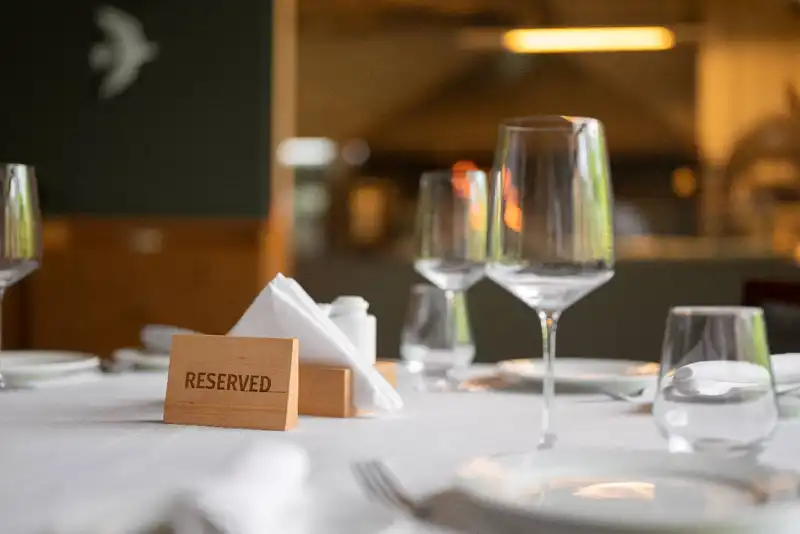
Table turnover can vary significantly throughout the day, even within the same restaurant. Breakfast, lunch, dinner, late-night service, weekdays, and weekends often attract customers with different expectations, schedules, and dining behaviors. For this reason, restaurant owners should avoid using one daily turnover rate to evaluate every service period.
Breakfast guests may have limited time before work, school, or other commitments. This can support faster table turnover, particularly in restaurants with simple menus and quick service.
However, turnover may slow when customers order several beverages, hold meetings, or remain at the table after finishing their meals. Owners should compare weekday breakfast performance with weekend brunch, as these periods usually involve different dining patterns.
Lunch often produces some of the fastest turnover in full-service and fast-casual restaurants. Many guests are working within a limited break and expect prompt ordering, food delivery, and payment.
Owners should pay close attention to service delays during lunch because even a few extra minutes can reduce the number of parties served during a short peak period. Menu complexity, kitchen ticket times, server availability, and payment speed can all affect lunch turnover.
Dinner guests generally spend more time at the table than lunch customers. They may order appetizers, alcoholic beverages, desserts, or multiple courses. Social occasions and larger parties can extend dining time further.
A lower dinner turnover rate may still generate strong revenue when average checks are higher. Owners should evaluate turnover alongside spending per table rather than assuming longer dining times indicate poor performance.
Weekend guests may have more flexible schedules and may remain seated longer. Brunch service can also create longer dining times because customers often order multiple drinks and treat the meal as a social occasion.
Restaurants should create separate benchmarks for weekends instead of comparing them directly with weekday service.
Bars, sports restaurants, and entertainment venues may experience long table occupancy during games, live music, or special events. Guests may remain for several hours while continuing to order beverages and food.
During these periods, revenue per table and repeat ordering may provide more useful information than turnover alone.
Owners should track each meal period separately and compare similar days over several weeks. This approach helps establish realistic expectations, identify service bottlenecks, and determine whether turnover changes are caused by restaurant operations or normal customer behavior.
Factors That Affect Table Turnover
Table turnover is influenced by more than the amount of time guests spend eating. Restaurant owners should review the entire dining process, from arrival and seating to payment and table reset. Delays at any stage can reduce the number of parties served during a meal period.
1. Menu Complexity - Large or complicated menus can increase the time guests need to make decisions. Items that require extensive preparation may also lengthen kitchen ticket times.
Restaurants can support smoother turnover by organizing menus clearly, highlighting popular items, and ensuring that preparation times match customer expectations.
2. Kitchen Ticket Times - Slow food preparation can keep guests at tables longer and create delays throughout the dining room. Ticket times may increase because of understaffing, poor station organization, equipment problems, or a sudden rise in orders.
Owners should track ticket times by meal period and menu category to identify where delays occur most frequently.
3. Staffing Levels - Insufficient staffing can slow seating, ordering, food delivery, payment, and table cleaning. Overstaffing, however, can increase labor costs without necessarily improving turnover.
Schedules should reflect forecasted sales, reservation volume, expected party sizes, and the service requirements of each shift.
4. Party Size - Large parties usually remain at tables longer than smaller groups. They may require more time to order, receive food, split checks, and prepare to leave.
Owners should evaluate turnover separately by table size and party size rather than comparing every table using the same expectations.
5. Ordering and Payment Speed - Delays in taking orders or delivering checks can add unnecessary time to the dining experience. Servers may become overwhelmed when managing too many tables, while manual payment processes can slow checkout.
Handheld POS devices, mobile ordering, QR code menus, and pay-at-table options can reduce avoidable delays without rushing guests.
6. Table Reset Time - A table does not become available immediately after guests leave. Employees must clear dishes, clean surfaces, replace settings, inspect the area, and notify the host that the table is ready.
Restaurants should measure table reset time separately from dining time. Clear responsibilities and coordinated communication between servers, bussers, and hosts can help reduce unnecessary gaps.
7. Reservation and Seating Practices - Poor reservation spacing can create periods of overcrowding followed by unused capacity. Seating several parties at once may also overwhelm servers and the kitchen.
Owners should consider average dining duration, table size, party size, and employee capacity when planning reservations and assigning sections.
8. Guest Behavior - Some factors remain outside the restaurant's direct control. Guests may stay longer for celebrations, meetings, sporting events, or social gatherings. Weather, local events, and seasonal demand can also change dining patterns.
Restaurant owners should focus on delays they can control while allowing enough flexibility for natural variations in customer behavior. The aim is to improve operational flow, not force every table to follow the same schedule.
Balance Table Turnover With Guest Experience
Improving table turnover should never come at the expense of the guest experience. Although faster turnover can help a restaurant serve more customers, rushing diners may reduce satisfaction, lower average checks, and discourage repeat visits.
The goal is to remove unnecessary delays while allowing guests enough time to enjoy their meals. Restaurant owners should focus on improving operational efficiency rather than pressuring customers to leave.
1. Maintain a Comfortable Service Pace - Servers should keep the meal moving without making guests feel hurried. Long gaps between greeting, ordering, food delivery, and payment can extend dining time unnecessarily.
At the same time, clearing plates too quickly, repeatedly asking whether guests are finished, or delivering the check before it is requested may make customers feel unwelcome. Employees should learn to recognize guest cues and adjust the pace of service accordingly.
2. Eliminate Delays Guests Do Not Value - Some dining time contributes to the experience, while other time results from operational problems. Guests may enjoy conversations, additional drinks, or dessert, but they are unlikely to value waiting too long to place an order or receive the check.
Owners should focus on reducing delays related to -
- Waiting to be greeted
- Slow order entry
- Long kitchen ticket times
- Delayed drink refills
- Waiting for the check
- Slow payment processing
- Uncoordinated table resets
Removing these delays can improve turnover while also increasing customer satisfaction.
3. Avoid Setting Unrealistic Time Limits - Strict dining limits may be necessary during high-demand periods or for reservation-based concepts, but they should be communicated clearly before guests arrive. Unexpectedly asking a party to leave can damage trust and create negative reviews.
When time limits are used, restaurants should account for party size, menu format, service style, and the number of courses typically ordered. Employees should also be trained to explain policies politely and consistently.
4. Protect Revenue per Table - A table that remains occupied longer may still be valuable when guests continue ordering. Appetizers, desserts, beverages, and additional courses can increase the amount of revenue generated from each table.
Owners should evaluate turnover together with metrics such as average check, sales per seat, revenue per available seat hour, and repeat ordering. Faster turnover is not helpful when it reduces spending by more than the additional seating generates.
5. Use Technology to Improve Convenience - Technology can remove friction from the dining experience without changing how long guests choose to stay. Handheld POS devices can send orders directly to the kitchen, while pay-at-table options can shorten checkout time.
Reservation and waitlist systems can also provide more accurate wait estimates and help hosts prepare tables before guests arrive. These improvements make service feel more organized rather than rushed.
6. Train Employees to Read Guest Cues - Different parties have different expectations. Business lunch guests may want fast service, while customers celebrating a special occasion may prefer a slower pace.
Servers should pay attention to whether guests are ready to order, still eating, requesting additional items, or preparing to leave. This allows employees to provide responsive service without applying the same timing expectations to every table.
A good table turnover strategy improves the parts of service the restaurant can control while respecting the time guests choose to spend dining. Restaurants that balance efficiency with hospitality are more likely to increase seating capacity without weakening customer satisfaction or long-term loyalty.
Set a Realistic Table Turnover Target
A realistic table turnover target should reflect how the restaurant actually operates. There is no single rate that works for every business because turnover depends on the concept, service model, menu, meal period, party size, and customer expectations.
Restaurant owners should begin with their own operating data rather than relying only on broad industry benchmarks. The goal is to establish a target that improves seating efficiency without reducing average checks or making guests feel rushed.
1. Establish Your Current Baseline - Calculate the restaurant's average table turnover rate over several weeks. Review comparable periods separately, such as weekday lunch, weekend dinner, and Sunday brunch.
Using several weeks of data helps prevent one unusually busy or slow shift from creating an inaccurate benchmark. Owners should also record average dining time, table reset time, covers served, and revenue per table.
2. Separate Targets by Meal Period - A single daily target may hide important differences between service periods. Lunch guests may dine quickly, while dinner or brunch customers may remain longer and order more items.
Set separate targets for -
- Breakfast
- Lunch
- Dinner
- Brunch
- Weekdays
- Weekends
- Special events
This makes it easier to evaluate performance fairly and identify where improvements are most practical.
3. Account for Restaurant Type - Quick-service and fast-casual restaurants may aim for frequent table turns because meals are shorter and average checks are generally lower. Full-service restaurants may have fewer turns but generate more revenue from each party.
Fine-dining restaurants should avoid applying high-volume turnover expectations to an experience built around multiple courses and personalized service. Cafes, bars, and sports restaurants may need to prioritize spending per occupied seat over the number of parties served.
4. Review Table and Party Sizes - Two-top tables often turn faster than tables serving larger groups. Large parties generally require more time to order, receive food, divide checks, and leave.
Owners should compare similar table sizes rather than applying the same target to every part of the dining room. Combining smaller tables for large groups can also affect the restaurant's available capacity and overall turnover rate.
5. Identify Controllable Delays - Before increasing the target, determine whether current dining times include avoidable delays. Review how long guests wait to be greeted, order food, receive meals, request checks, complete payments, and have tables reset.
The restaurant should improve these operational steps before expecting employees to move guests through the dining room faster.
6. Connect Turnover to Revenue - A higher turnover rate does not automatically improve profitability. Owners should measure whether additional table turns generate enough revenue to justify changes in service pace.
Track table turnover alongside -
- Average check
- Sales per seat
- Revenue per available seat hour
- Food and beverage sales
- Labor costs
- Guest satisfaction
- Repeat visits
A slightly lower turnover rate may be acceptable when guests spend more and receive a stronger dining experience.
7. Set Gradual Improvement Goals - Large, immediate increases in table turnover may create pressure on employees and customers. Instead, owners should set gradual targets based on specific operational improvements.
For example, the restaurant may first focus on reducing table reset time, improving lunch ticket times, or shortening payment delays. Small improvements across several service stages can increase turnover without disrupting the guest experience.
8. Review and Adjust the Target - Table turnover targets should be reviewed regularly. Seasonal demand, menu changes, staffing levels, technology, customer habits, and reservation policies can all affect dining duration.
Restaurant owners should compare actual results with their targets and investigate meaningful differences. Targets may need to be adjusted when the restaurant introduces a new service model, changes its menu, expands its seating area, or attracts a different customer group.
A good table turnover rate is not simply the highest rate a restaurant can achieve. It is a sustainable target that helps the business serve more guests, use seating efficiently, protect revenue per table, and maintain a positive customer experience.

Employee scheduling
Human Resource Management for Restaurants

Employee scheduling
Common Payroll Challenges in Restaurants

Sales forecasting
How to Use Restaurant Analytics to Improve Profitability

Restaurant management
The Complete Guide to Restaurant Reputation Management
Accounting payroll
Restaurant Cash Handling Procedures

Accounting payroll
How to Manage Restaurant Finances

Employee scheduling
How to Motivate Restaurant Staff
Software integration
10 Ways Technology Can Help Control Food Cost in Restaurants
Frequently Asked Questions
What is the best way to track table turnover?
Restaurants can track table turnover through POS reports, reservation systems, table management software, or manual seating logs. The method should record seating times, departure times, table numbers, and party sizes.
Can restaurant technology improve table turnover?
Yes. Handheld POS devices, kitchen display systems, reservation platforms, waitlist software, mobile ordering, and pay-at-table tools can reduce delays during ordering, food preparation, seating, and checkout.
How does restaurant type affect table turnover?
Quick-service and fast-casual restaurants generally have shorter dining times and more table turns. Full-service and fine-dining restaurants often have fewer turns because they provide longer, more detailed dining experiences.
What factors can slow table turnover?
Common factors include slow kitchen ticket times, delayed ordering, insufficient staffing, complicated menus, large parties, slow payment processing, poor reservation spacing, and lengthy table resets.