What causes food costs to vary between restaurant locations?
Common causes include inconsistent portioning, waste, supplier pricing differences, overordering, inaccurate inventory counts, theft, preparation mistakes, and recipe deviations.
How to Manage Food Costs Across Multiple Restaurant Locations

Standardize Recipes
Managing food costs across multiple restaurant locations starts with ensuring that every location prepares menu items the same way. When recipes vary from one restaurant to another, ingredient usage becomes difficult to predict, making it harder to identify where food costs are increasing.
Create a standardized recipe for every menu item and make it available to employees at each location. Each recipe should clearly define the ingredients, quantities, preparation steps, portion sizes, and expected yield. The goal is to make sure the same dish requires approximately the same amount of food regardless of which location prepares it.
Restaurant owners should focus on several areas when standardizing recipes -
1. Define exact ingredient quantities. Use specific measurements for every ingredient instead of relying on estimates such as a handful, scoop, or pinch.
2. Establish consistent preparation methods. Define how ingredients should be trimmed, cooked, stored, and assembled so employees follow the same process.
3. Set expected recipe yields. Record how many portions each batch should produce. If a recipe is expected to create 20 servings but a location regularly produces only 17, additional investigation may be needed.
4. Calculate recipe costs regularly. Update ingredient costs whenever supplier pricing changes so managers understand the current cost of producing each menu item.
5. Control recipe changes. Managers should not substitute ingredients or change portion quantities without approval because small adjustments can increase food costs over time.
Standardized recipes also make location-level food cost comparisons more meaningful. If every restaurant follows the same recipe but one location consistently uses more ingredients, owners can investigate possible causes such as overportioning, preparation waste, inaccurate inventory counts, or improper employee training.
By creating one consistent recipe standard across the organization, restaurant owners establish a reliable baseline for measuring ingredient usage and controlling food costs at every location.
Create Consistent Portion Control Standards

Even when recipes are standardized, food costs can still vary between restaurant locations if employees serve different portion sizes. Small amounts of overportioning can add up quickly across hundreds or thousands of orders, especially for high-cost ingredients such as meat, seafood, cheese, and sauces.
To keep food costs consistent, restaurant owners should establish clear portion control standards that every location follows.
1. Set exact portion sizes. Define the amount of each ingredient that should go into every menu item. For example, specify the exact ounces of protein, number of toppings, or amount of sauce required.
2. Use portioning tools. Provide employees with scales, measuring cups, scoops, ladles, and other tools that make it easier to serve the correct amount consistently.
3. Create visual portion guides. Photos or preparation charts can show employees exactly how finished dishes should look. This is especially helpful during training and busy shifts.
4. Train employees consistently. Make portion control part of onboarding and ongoing kitchen training. Employees should understand that portion standards protect both food quality and profitability.
5. Conduct regular portion checks. Managers should periodically observe food preparation and compare actual portions with established standards. Correcting problems early can prevent unnecessary ingredient usage.
6. Review high-cost ingredients closely. Pay additional attention to ingredients that have the greatest impact on food costs. Even a small amount of overportioning can significantly affect margins when repeated across multiple locations.
Consistent portion control also makes it easier to compare food costs between restaurants. If each location uses the same recipes and portion standards, unusually high ingredient usage becomes easier to identify.
For example, if one location consistently uses more chicken than other restaurants with similar sales volumes, management can investigate whether employees are overportioning, wasting product, or recording inventory incorrectly.
By enforcing the same portion control standards across every location, restaurant owners can reduce unnecessary food usage, maintain consistent menu quality, and improve control over overall food costs.
Centralize Purchasing and Supplier Management
Purchasing independently at each restaurant location can create unnecessary differences in ingredient prices, product quality, and ordering practices. Centralizing purchasing gives restaurant owners greater control over what locations buy, where they buy it, and how much they pay.
A centralized purchasing process does not necessarily mean every order must come from one physical location. Instead, owners can establish approved suppliers, negotiated pricing, product specifications, and ordering procedures that every restaurant follows.
1. Create an approved supplier list. Identify preferred vendors for major food categories so locations are not purchasing similar ingredients from different suppliers at inconsistent prices.
2. Negotiate pricing across multiple locations. Combining purchasing volume across the restaurant group may provide stronger negotiating power than allowing each location to buy independently.
3. Standardize ingredient specifications. Define acceptable brands, sizes, grades, pack quantities, and product characteristics. Consistent specifications help ensure recipes cost and perform similarly across locations.
4. Monitor purchase prices regularly. Track changes in the cost of key ingredients and compare invoice prices against agreed supplier rates. Unexpected increases should be investigated quickly.
5. Control unauthorized purchases. Require approval for substitutions, emergency purchases, or orders from non-approved vendors. These purchases may be necessary occasionally, but they should be documented so management understands their effect on food costs.
6. Compare purchasing patterns by location. Review how much each restaurant orders relative to its sales volume. A location purchasing significantly more food than comparable restaurants may have problems with overordering, waste, inventory accuracy, or portion control.
Centralized supplier management also makes it easier to respond when ingredient prices rise. Restaurant owners can compare vendors, negotiate alternative pricing, adjust order quantities, or approve suitable substitutions across the entire organization instead of having each manager make separate decisions.
By creating consistent purchasing standards across locations, restaurant owners can reduce price variation, improve buying visibility, and establish better control over one of the largest drivers of food costs.
Track Inventory at Each Restaurant Location
Accurate inventory tracking is essential for controlling food costs across multiple restaurant locations. Without consistent inventory records, owners may struggle to determine whether higher costs are caused by overordering, waste, theft, portioning problems, or simple counting errors.
Each location should follow the same inventory procedures so results can be compared accurately across the business.
1. Set a consistent counting schedule. Require locations to count inventory at the same frequency, such as weekly or at the end of each accounting period. Consistent timing makes comparisons more reliable.
2. Use the same inventory categories. Organize items into standardized groups such as proteins, produce, dairy, dry goods, beverages, and packaging. This makes reporting easier across locations.
3. Standardize counting methods. Define how employees should count cases, individual units, partial containers, and weighed ingredients. Different counting methods can create inaccurate inventory values.
4. Record inventory values accurately. Track both the quantity and current cost of each item. Changes in supplier pricing can affect inventory value and overall food cost calculations.
5. Compare inventory usage with sales. Review how much food each location uses relative to the revenue it generates. Locations with similar sales should generally show comparable ingredient usage when recipes and portions are standardized.
6. Investigate unusual inventory variances. Large differences between expected and actual inventory may indicate waste, overportioning, incorrect receiving, unrecorded transfers, or inaccurate counts.
Restaurant owners should also track inventory turnover and watch for excessive stock levels. Holding too much inventory can increase the risk of spoilage, expired products, and unnecessary cash tied up in food.
Centralized inventory reporting makes this process much easier for multi-location operators. Instead of reviewing separate spreadsheets or paper counts, owners can compare inventory levels, usage, and variances across restaurants from one reporting system.
Consistent inventory tracking gives restaurant owners a clearer picture of where food is going and helps identify cost problems before they significantly affect profitability.
Monitor Food Waste and Ingredient Loss
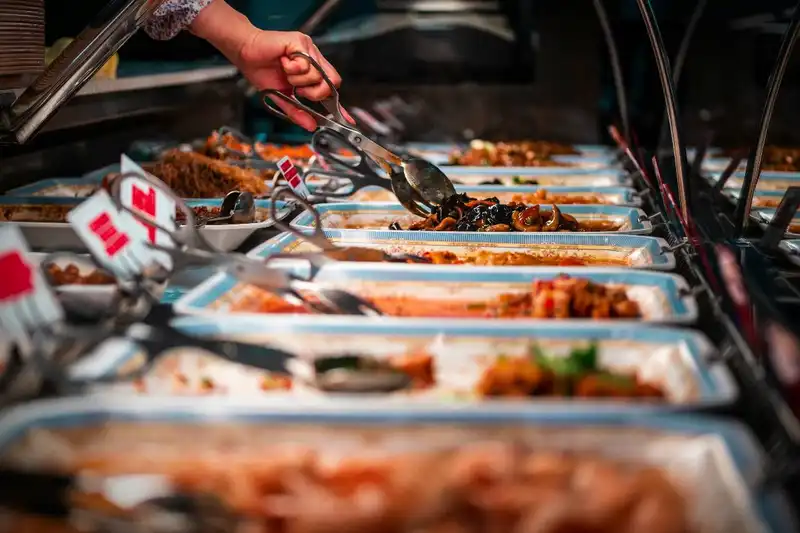
Food waste can quickly increase food costs across multiple restaurant locations, especially when managers do not consistently track why ingredients are being discarded. Monitoring waste at each location helps restaurant owners identify patterns, compare performance, and determine where corrective action is needed.
Every restaurant should use the same waste-tracking process so the data can be compared accurately across locations.
1. Record all food waste. Require employees to document discarded ingredients, spoiled products, preparation mistakes, returned meals, and overproduced food instead of throwing items away without explanation.
2. Track the reason for each loss. Separate waste into categories such as spoilage, overproduction, preparation errors, incorrect orders, expired inventory, and damaged products. This makes it easier to identify the root cause.
3. Measure waste by cost. Tracking only the quantity of wasted food does not show its full financial impact. Assign a cost to discarded ingredients so managers can see which losses are affecting food costs the most.
4. Compare waste between locations. Review waste as a percentage of food purchases or sales. If one restaurant consistently reports higher waste than similar locations, management can investigate its ordering, storage, preparation, or portioning practices.
5. Focus on high-cost ingredients. Give extra attention to proteins, seafood, dairy products, and other expensive items. Small losses involving these ingredients can have a significant effect on food costs.
6. Review waste trends regularly. Weekly or monthly reports can reveal recurring problems, such as excessive prep waste on certain menu items or frequent spoilage caused by overordering.
Waste data should also be connected with inventory and sales information. For example, if a location regularly orders more produce than it sells and reports high spoilage, the restaurant may need to improve forecasting or reduce order quantities.
By consistently measuring food waste and ingredient loss across every location, restaurant owners can identify where money is being lost, correct inefficient practices, and maintain tighter control over overall food costs.
Compare Food Cost Performance by Location
Comparing food cost performance across restaurant locations helps owners identify which restaurants are operating efficiently and which may require closer attention. When every location follows the same recipes, portion standards, purchasing procedures, and inventory methods, location-level comparisons become much more useful.
Instead of looking only at total food spending, restaurant owners should compare several cost indicators across locations.
1. Compare food cost percentages. Calculate food cost as a percentage of food sales for each location. A restaurant with a noticeably higher percentage than similar locations may be experiencing waste, overportioning, purchasing issues, or inventory inaccuracies.
2. Review ingredient usage. Compare how much of key ingredients each restaurant uses relative to sales volume. Large differences may indicate inconsistent portioning or preparation practices.
3. Analyze purchasing trends. Look at how much each location spends on food and whether certain restaurants are ordering significantly more than expected.
4. Compare waste levels. Review recorded food waste by location to identify restaurants with unusually high spoilage, preparation waste, or overproduction.
5. Monitor inventory variance. Compare expected inventory usage with actual counts. Repeated variances can signal problems with receiving, transfers, waste documentation, or inventory controls.
6. Group similar locations together. Compare restaurants with similar menus, sales volumes, service models, and operating conditions. This creates more meaningful benchmarks than comparing locations with very different business characteristics.
Owners should review these comparisons regularly rather than waiting until monthly or quarterly financial reports reveal a problem. Weekly dashboards or reports can help management spot unusual changes earlier.
For example, if several comparable locations maintain a 30% food cost while one location moves to 34%, management can investigate that restaurant specifically instead of making changes across the entire operation.
Location-level comparisons turn food cost data into actionable information. By identifying performance gaps early, restaurant owners can focus their attention on the locations and operational areas that have the greatest effect on overall food costs.
Investigate Actual vs. Theoretical Food Costs
Comparing actual food costs with theoretical food costs gives restaurant owners a clearer way to identify where money may be lost across multiple locations. Actual food cost shows what a restaurant really spent and used, while theoretical food cost estimates what the restaurant should have used based on recipes, menu sales, and standard portions.
The difference between the two is often called the food cost variance. A large variance can signal operational problems that need attention.
1. Calculate theoretical food costs. Use standardized recipes, ingredient prices, and menu sales to estimate how much food each location should have consumed during a specific period.
2. Calculate actual food costs. Use beginning inventory, purchases, and ending inventory to determine how much food was actually used.
3. Measure the variance. Compare the actual result with the theoretical result. If actual food costs are significantly higher, investigate the reason instead of assuming supplier prices are solely responsible.
4. Look for operational causes. Variance may come from overportioning, food waste, incorrect recipes, employee meals, theft, unrecorded transfers, receiving mistakes, or inaccurate inventory counts.
5. Compare variance by location. Review which restaurants consistently show the largest gaps between expected and actual food usage. This helps management focus on locations that may need stronger controls or additional training.
6. Track variance by ingredient or menu item. High-cost products such as beef, poultry, seafood, cheese, and cooking oil deserve extra attention because small usage differences can have a greater financial impact.
Actual-versus-theoretical reporting is especially valuable for multi-location operators because it creates a common performance standard. Instead of judging locations only by total spending, owners can evaluate how closely each restaurant follows expected ingredient usage.
Reviewing these numbers regularly can help restaurant owners detect food cost problems earlier, identify their likely causes, and take targeted action before small variances become larger profitability issues.
Use Restaurant Technology
Managing food costs across multiple restaurant locations becomes more difficult when each restaurant relies on separate spreadsheets, manual inventory counts, or disconnected purchasing records. Restaurant technology can centralize this information and give owners a clearer view of food cost performance across the entire business.
A centralized system can help multi-location operators manage several important areas -
1. Centralize inventory data. Track inventory levels, usage, and counts across locations from one system instead of reviewing separate reports from every restaurant.
2. Standardize recipe management. Store recipes, ingredient quantities, yields, and food costs in one place so every location works from the same standards.
3. Monitor purchasing activity. Review orders, supplier pricing, and purchasing trends across locations to identify unusual spending or price differences.
4. Track food cost variance. Compare theoretical ingredient usage with actual usage to identify locations where waste, overportioning, or inventory discrepancies may be increasing costs.
5. Compare locations more easily. Use centralized reporting to evaluate food cost percentage, waste, inventory usage, and purchasing performance across restaurants.
6. Identify problems earlier. Dashboards and regular reports can help owners notice changes in ingredient costs or food usage before they become larger profitability issues.
Managing food costs across several restaurant locations requires visibility into inventory, purchasing, recipes, and operational performance. Altametrics helps restaurant operators bring critical back-office information together so they can better monitor costs and make informed decisions across their locations.
If you want greater visibility into your restaurant operations and a more efficient way to manage food costs across multiple locations, explore how Altametrics can support your business by clicking "Book a Demo" below.
Transform Your Restaurant Operations Now!
Effortless Inventory Tracking with Altametrics!

Employee scheduling
Human Resource Management for Restaurants
Employee scheduling
Common Payroll Challenges in Restaurants

Sales forecasting
How to Use Restaurant Analytics to Improve Profitability

Restaurant management
The Complete Guide to Restaurant Reputation Management

Accounting payroll
Restaurant Cash Handling Procedures


Accounting payroll
How to Manage Restaurant Finances

Employee scheduling
How to Motivate Restaurant Staff

Software integration
10 Ways Technology Can Help Control Food Cost in Restaurants

Frequently Asked Questions
What is the theoretical food cost?
Theoretical food cost estimates what a restaurant should have spent on ingredients based on menu sales, standardized recipes, portion sizes, and ingredient costs.
How can food waste be reduced across multiple restaurant locations?
Restaurants can reduce waste by tracking discarded food, identifying the causes of waste, improving forecasting, following proper storage procedures, controlling portions, and comparing waste levels between locations.
How can restaurant technology help control food costs?
Restaurant technology can centralize inventory, recipes, purchasing, supplier pricing, and food cost reporting, making it easier to monitor performance across multiple locations.
Which ingredients should restaurants monitor most closely?
Restaurants should closely monitor high-cost and high-volume ingredients such as meat, seafood, cheese, cooking oil, dairy products, and other items that have a significant impact on food costs.