

How Price Shifts Affect Profit
Price fluctuations matter because restaurants often operate with limited margin for error. A restaurant can serve the same number of guests and sell the same menu items, but still earn less profit when food, labor, packaging, utilities, rent, insurance, or supplier costs increase.
The biggest challenge is timing. Costs usually rise before menu prices are updated. If beef, chicken, eggs, dairy, cooking oil, produce, paper goods, or delivery packaging becomes more expensive, the restaurant absorbs that increase immediately. If menu prices are only reviewed monthly or quarterly, profit can shrink quietly before the owner reacts.
For example, a $15 menu item with $4.50 in ingredients has a 30% food cost. If ingredient cost rises to $5.25 and the price stays at $15, food cost increases to 35%. That extra $0.75 per order may seem small, but across 1,000 orders, it removes $750 in gross profit.
Price fluctuations also make planning harder. Owners must decide how much inventory to buy, which vendors to use, when to adjust prices, and which menu items to promote. Tracking cost changes regularly helps restaurants protect margins without sudden price increases or a weaker customer experience.
The biggest challenge is timing. Costs usually rise before menu prices are updated. If beef, chicken, eggs, dairy, cooking oil, produce, paper goods, or delivery packaging becomes more expensive, the restaurant absorbs that increase immediately. If menu prices are only reviewed monthly or quarterly, profit can shrink quietly before the owner reacts.
For example, a $15 menu item with $4.50 in ingredients has a 30% food cost. If ingredient cost rises to $5.25 and the price stays at $15, food cost increases to 35%. That extra $0.75 per order may seem small, but across 1,000 orders, it removes $750 in gross profit.
Price fluctuations also make planning harder. Owners must decide how much inventory to buy, which vendors to use, when to adjust prices, and which menu items to promote. Tracking cost changes regularly helps restaurants protect margins without sudden price increases or a weaker customer experience.
What Causes Price Fluctuations
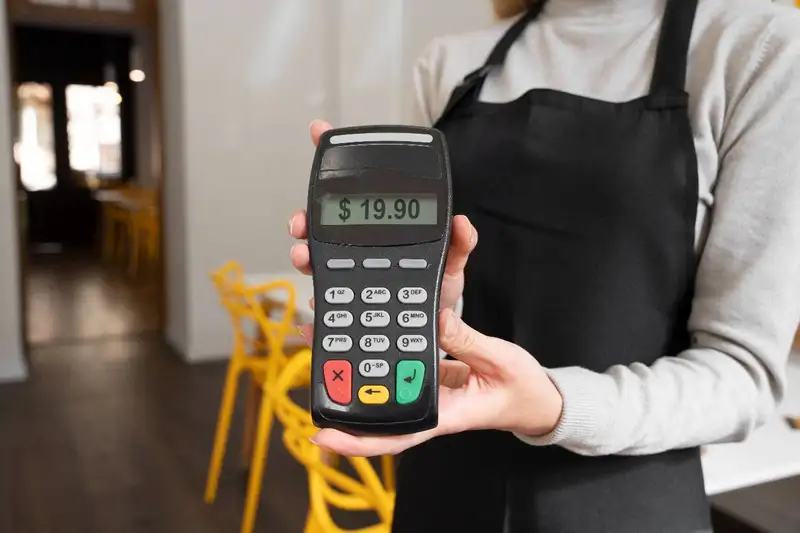
Restaurant price fluctuations rarely have a single cause. Instead, they usually result from several market forces affecting the supply chain at the same time. Understanding these drivers helps restaurant owners predict where costs may increase and respond before profitability declines.
1. Food Commodity Prices
Many restaurant ingredients are tied to commodity markets. Beef, poultry, seafood, wheat, corn, coffee, dairy products, cooking oils, and sugar can all experience price swings throughout the year. A poor harvest, disease outbreak, drought, or increased global demand can reduce supply and push prices higher within weeks.
Restaurants that depend heavily on a few high-cost ingredients often experience the greatest impact because a single commodity can represent a significant portion of total food cost.
2. Seasonal Availability
Fresh produce naturally becomes more or less expensive depending on the season. Fruits, vegetables, herbs, and specialty ingredients generally cost less when supply is abundant and more when they must be imported or grown under limited conditions.
Owners who adjust seasonal menus can often purchase ingredients at lower costs while maintaining food quality.
3. Supply Chain Disruptions
Restaurants rely on complex supply chains involving farms, manufacturers, distributors, transportation companies, and local vendors. Delays at any point can reduce inventory availability and increase prices.
Transportation shortages, port congestion, manufacturing delays, or supplier inventory issues may force restaurants to purchase replacement products at premium prices or from alternative vendors.
4. Fuel and Transportation Costs
Fuel prices affect nearly every delivery made to a restaurant. As transportation costs increase, distributors often adjust delivery fees or incorporate higher logistics expenses into product pricing.
Products that travel long distances, particularly imported seafood, specialty meats, beverages, and produce, tend to experience larger price increases.
5. Labor Market Changes
Price fluctuations are not limited to ingredients. Rising wages, overtime expenses, employee shortages, payroll taxes, and benefit costs all increase the overall cost of operating a restaurant.
Higher labor expenses may indirectly increase supplier prices as manufacturers, distributors, and logistics companies pass their own labor costs through the supply chain.
6. Inflation Across Operating Expenses
Inflation affects almost every expense category in a restaurant. Rent, utilities, insurance, equipment maintenance, cleaning supplies, disposable packaging, and technology subscriptions may all increase over time.
While each increase may appear small individually, multiple operating expenses rising together can significantly reduce operating margins.
7. Customer Demand and Market Conditions
Demand also influences pricing. Holidays, sporting events, tourism seasons, and local events often increase demand for certain menu items and ingredients. When more buyers compete for limited inventory, wholesale prices generally rise.
Restaurant owners should monitor both supplier pricing and local demand patterns rather than assuming prices will remain stable throughout the year.
The key takeaway is that price fluctuations are driven by multiple interconnected factors rather than isolated events. Owners who understand these drivers can forecast cost changes more accurately, negotiate with suppliers earlier, plan inventory purchases strategically, and make pricing decisions based on data instead of reacting after margins have already declined.
1. Food Commodity Prices
Many restaurant ingredients are tied to commodity markets. Beef, poultry, seafood, wheat, corn, coffee, dairy products, cooking oils, and sugar can all experience price swings throughout the year. A poor harvest, disease outbreak, drought, or increased global demand can reduce supply and push prices higher within weeks.
Restaurants that depend heavily on a few high-cost ingredients often experience the greatest impact because a single commodity can represent a significant portion of total food cost.
2. Seasonal Availability
Fresh produce naturally becomes more or less expensive depending on the season. Fruits, vegetables, herbs, and specialty ingredients generally cost less when supply is abundant and more when they must be imported or grown under limited conditions.
Owners who adjust seasonal menus can often purchase ingredients at lower costs while maintaining food quality.
3. Supply Chain Disruptions
Restaurants rely on complex supply chains involving farms, manufacturers, distributors, transportation companies, and local vendors. Delays at any point can reduce inventory availability and increase prices.
Transportation shortages, port congestion, manufacturing delays, or supplier inventory issues may force restaurants to purchase replacement products at premium prices or from alternative vendors.
4. Fuel and Transportation Costs
Fuel prices affect nearly every delivery made to a restaurant. As transportation costs increase, distributors often adjust delivery fees or incorporate higher logistics expenses into product pricing.
Products that travel long distances, particularly imported seafood, specialty meats, beverages, and produce, tend to experience larger price increases.
5. Labor Market Changes
Price fluctuations are not limited to ingredients. Rising wages, overtime expenses, employee shortages, payroll taxes, and benefit costs all increase the overall cost of operating a restaurant.
Higher labor expenses may indirectly increase supplier prices as manufacturers, distributors, and logistics companies pass their own labor costs through the supply chain.
6. Inflation Across Operating Expenses
Inflation affects almost every expense category in a restaurant. Rent, utilities, insurance, equipment maintenance, cleaning supplies, disposable packaging, and technology subscriptions may all increase over time.
While each increase may appear small individually, multiple operating expenses rising together can significantly reduce operating margins.
7. Customer Demand and Market Conditions
Demand also influences pricing. Holidays, sporting events, tourism seasons, and local events often increase demand for certain menu items and ingredients. When more buyers compete for limited inventory, wholesale prices generally rise.
Restaurant owners should monitor both supplier pricing and local demand patterns rather than assuming prices will remain stable throughout the year.
The key takeaway is that price fluctuations are driven by multiple interconnected factors rather than isolated events. Owners who understand these drivers can forecast cost changes more accurately, negotiate with suppliers earlier, plan inventory purchases strategically, and make pricing decisions based on data instead of reacting after margins have already declined.
Simplify Multi-Channel Ordering
Get started with Altametrics to streamline your POS!
Food Cost Impact
Food cost percentage is one of the most important numbers restaurant owners should watch during price fluctuations. It shows how much of each menu sale is being used to cover ingredient costs. When supplier prices rise and menu prices stay the same, food cost percentage increases automatically, which means less revenue is left to cover labor, rent, utilities, marketing, debt payments, and profit.
The basic formula is -
Food Cost Percentage = Ingredient Cost / Menu Price x 100
For example, if a pasta dish sells for $18 and the ingredients cost $5.40, the food cost percentage is 30%. If the cost of cheese, cream, oil, and protein increases and the same dish now costs $6.30 to make, the food cost percentage rises to 35%. The restaurant is still charging $18, but it is keeping less gross profit from every sale.
That difference becomes more serious at volume. If the dish sells 1,000 times per month, the ingredient cost increase from $5.40 to $6.30 adds $900 in monthly cost for that one item. If several popular items experience similar cost increases, thousands of dollars in margin can disappear before the owner notices it on the profit and loss statement.
This is why total food spend alone is not enough. A restaurant may see food purchases increase and assume the business is simply busier. But without recipe-level costing, the owner may not know whether sales growth is profitable or whether higher ingredient costs are weakening margins.
Price fluctuations affect menu items differently. A burger may be sensitive to beef, cheese, buns, and fries. A breakfast item may be affected by eggs, dairy, bacon, and coffee. A pizza may depend on flour, cheese, tomatoes, meats, and cooking oil. Each item needs to be measured based on its own ingredients, portion sizes, and selling price.
Restaurant owners should review food cost percentage regularly, especially for high-volume and high-cost items. These are the items where price changes create the biggest financial impact. A small increase on a slow-moving menu item may not matter much, but a small increase on a top seller can change overall profitability.
Managing price fluctuations requires more than checking invoices. Owners need to connect supplier costs to recipes, recipes to menu prices, and menu prices to actual sales volume. This gives a clearer view of which items are still profitable, which items need a price adjustment, and which items may need to be redesigned or removed from the menu.
The basic formula is -
Food Cost Percentage = Ingredient Cost / Menu Price x 100
For example, if a pasta dish sells for $18 and the ingredients cost $5.40, the food cost percentage is 30%. If the cost of cheese, cream, oil, and protein increases and the same dish now costs $6.30 to make, the food cost percentage rises to 35%. The restaurant is still charging $18, but it is keeping less gross profit from every sale.
That difference becomes more serious at volume. If the dish sells 1,000 times per month, the ingredient cost increase from $5.40 to $6.30 adds $900 in monthly cost for that one item. If several popular items experience similar cost increases, thousands of dollars in margin can disappear before the owner notices it on the profit and loss statement.
This is why total food spend alone is not enough. A restaurant may see food purchases increase and assume the business is simply busier. But without recipe-level costing, the owner may not know whether sales growth is profitable or whether higher ingredient costs are weakening margins.
Price fluctuations affect menu items differently. A burger may be sensitive to beef, cheese, buns, and fries. A breakfast item may be affected by eggs, dairy, bacon, and coffee. A pizza may depend on flour, cheese, tomatoes, meats, and cooking oil. Each item needs to be measured based on its own ingredients, portion sizes, and selling price.
Restaurant owners should review food cost percentage regularly, especially for high-volume and high-cost items. These are the items where price changes create the biggest financial impact. A small increase on a slow-moving menu item may not matter much, but a small increase on a top seller can change overall profitability.
Managing price fluctuations requires more than checking invoices. Owners need to connect supplier costs to recipes, recipes to menu prices, and menu prices to actual sales volume. This gives a clearer view of which items are still profitable, which items need a price adjustment, and which items may need to be redesigned or removed from the menu.
Track Cost Changes
Price fluctuations become more dangerous when restaurant owners discover them too late. By the time higher costs appear on a monthly profit and loss statement, the restaurant may have already sold hundreds or thousands of orders at outdated margins. This is why cost tracking needs to happen before the end of the month, not after profit has already been reduced.
The first place to track cost changes is supplier invoices. Every invoice shows whether the restaurant is paying more for meat, seafood, produce, dairy, eggs, oil, dry goods, beverages, packaging, and cleaning supplies. Owners should compare current invoice prices against prior weeks or months instead of only checking the total invoice amount. A total invoice may look normal, but individual items may have increased sharply.
For example, if chicken increases from $2.80 per pound to $3.30 per pound, that is a 17.9% increase. If the restaurant uses 400 pounds per week, the added cost is $200 per week, or about $800 per month, before any other ingredient changes are considered. Without item-level tracking, this type of increase can be easy to miss.
Inventory reports are also important because they show how much product is being used, wasted, or sitting unused. A price increase is more damaging when it affects a high-volume ingredient. If an expensive item is also being over-ordered, spoiled, misportioned, or thrown away, the restaurant loses money twice - once from the higher purchase price and again from poor usage control.
Restaurant owners should also track recipe costs. A supplier price increase does not matter equally across the menu. One ingredient may appear in five, ten, or even twenty menu items. If cheese, beef, eggs, cooking oil, or paper packaging increases in cost, the impact may spread across appetizers, entrees, sides, desserts, delivery orders, and catering packages.
Sales data helps complete the picture. Owners need to know which items sell the most, which items carry the highest ingredient cost, and which items generate the strongest gross profit. A low-margin item that sells slowly may not be urgent, but a low-margin item that sells hundreds of times per week can create a major profitability problem.
A practical cost-tracking system should include -
1. Weekly invoice reviews to identify supplier price increases
2. Recipe cost updates for high-volume and high-cost menu items
3. Inventory variance checks to compare expected usage against actual usage
4. Waste tracking to measure spoilage, overproduction, and portioning mistakes
5. Menu sales reports to see which items are most affected by cost changes
6. Vendor price comparisons to confirm whether increases are market-wide or supplier-specific
Tracking cost changes early gives restaurant owners more control. Instead of waiting until profits drop, they can make decisions while there is still time to protect margins. In a market where prices can shift quickly, the restaurants with the clearest cost data are usually the ones best prepared to respond.
The first place to track cost changes is supplier invoices. Every invoice shows whether the restaurant is paying more for meat, seafood, produce, dairy, eggs, oil, dry goods, beverages, packaging, and cleaning supplies. Owners should compare current invoice prices against prior weeks or months instead of only checking the total invoice amount. A total invoice may look normal, but individual items may have increased sharply.
For example, if chicken increases from $2.80 per pound to $3.30 per pound, that is a 17.9% increase. If the restaurant uses 400 pounds per week, the added cost is $200 per week, or about $800 per month, before any other ingredient changes are considered. Without item-level tracking, this type of increase can be easy to miss.
Inventory reports are also important because they show how much product is being used, wasted, or sitting unused. A price increase is more damaging when it affects a high-volume ingredient. If an expensive item is also being over-ordered, spoiled, misportioned, or thrown away, the restaurant loses money twice - once from the higher purchase price and again from poor usage control.
Restaurant owners should also track recipe costs. A supplier price increase does not matter equally across the menu. One ingredient may appear in five, ten, or even twenty menu items. If cheese, beef, eggs, cooking oil, or paper packaging increases in cost, the impact may spread across appetizers, entrees, sides, desserts, delivery orders, and catering packages.
Sales data helps complete the picture. Owners need to know which items sell the most, which items carry the highest ingredient cost, and which items generate the strongest gross profit. A low-margin item that sells slowly may not be urgent, but a low-margin item that sells hundreds of times per week can create a major profitability problem.
A practical cost-tracking system should include -
1. Weekly invoice reviews to identify supplier price increases
2. Recipe cost updates for high-volume and high-cost menu items
3. Inventory variance checks to compare expected usage against actual usage
4. Waste tracking to measure spoilage, overproduction, and portioning mistakes
5. Menu sales reports to see which items are most affected by cost changes
6. Vendor price comparisons to confirm whether increases are market-wide or supplier-specific
Tracking cost changes early gives restaurant owners more control. Instead of waiting until profits drop, they can make decisions while there is still time to protect margins. In a market where prices can shift quickly, the restaurants with the clearest cost data are usually the ones best prepared to respond.
Adjust Menu Prices

Menu price adjustments are one of the most sensitive decisions restaurant owners make during price fluctuations. Raising prices too late can weaken margins. Raising prices too aggressively can create customer resistance.
The first step is to calculate the true cost of each menu item. Owners should know the current ingredient cost, food cost percentage, gross profit, and sales volume for every high-impact item. A dish that sells for $16 and costs $4.80 to make has a 30% food cost and contributes $11.20 in gross profit before labor and overhead. If ingredient costs rise to $5.60, the food cost increases to 35%, and gross profit falls to $10.40. That $0.80 loss may seem small, but if the item sells 2,000 times per month, the restaurant loses $1,600 in monthly gross profit from that item alone.
Restaurant owners should prioritize price reviews based on impact. The most urgent items are usually -
1. High-volume items that sell frequently
2. High-cost items that depend on volatile ingredients
3. Low-margin items that leave little room for cost increases
4. Delivery and takeout items affected by packaging and third-party fees
5. Combo meals or bundles where multiple cost increases are hidden inside one price
Instead of increasing every menu price at once, owners can make targeted adjustments. A small increase on a best-selling item may recover more margin than a large increase on a slow-moving item. For example, a $0.50 increase on an item that sells 3,000 times per month creates $1,500 in additional monthly revenue, while a $2 increase on an item that sells 200 times per month creates only $400.
Customer demand should also guide pricing decisions. Some items are more price-sensitive than others. Customers may notice a large jump on a common item like coffee, fries, or a basic burger faster than they notice a modest increase on a premium entree, specialty drink, or shareable appetizer. This is why owners should compare item popularity, competitor pricing, portion size, and guest perception before changing prices.
Perceived value matters as much as the price itself. If a restaurant raises prices without improving the customer experience, guests may feel they are paying more for the same thing. Owners can reduce resistance by improving menu descriptions, highlighting premium ingredients, offering better presentation, creating bundles, or adding optional upgrades. The price increase should feel connected to value, not just cost pressure.
Digital menus make price changes easier because owners can update pricing faster than with printed menus. This is especially useful when ingredient costs change quickly. However, frequent changes should still be managed carefully. If customers see prices shifting too often, the restaurant may feel inconsistent or expensive.
A smart pricing strategy should be based on data, not emotion. Owners should review food cost percentage, item-level profit, sales volume, customer demand, and competitor pricing before making changes. The best menu price adjustments are usually small, targeted, and supported by clear cost information. This helps restaurants protect margins without surprising customers or damaging long-term loyalty.
The first step is to calculate the true cost of each menu item. Owners should know the current ingredient cost, food cost percentage, gross profit, and sales volume for every high-impact item. A dish that sells for $16 and costs $4.80 to make has a 30% food cost and contributes $11.20 in gross profit before labor and overhead. If ingredient costs rise to $5.60, the food cost increases to 35%, and gross profit falls to $10.40. That $0.80 loss may seem small, but if the item sells 2,000 times per month, the restaurant loses $1,600 in monthly gross profit from that item alone.
Restaurant owners should prioritize price reviews based on impact. The most urgent items are usually -
1. High-volume items that sell frequently
2. High-cost items that depend on volatile ingredients
3. Low-margin items that leave little room for cost increases
4. Delivery and takeout items affected by packaging and third-party fees
5. Combo meals or bundles where multiple cost increases are hidden inside one price
Instead of increasing every menu price at once, owners can make targeted adjustments. A small increase on a best-selling item may recover more margin than a large increase on a slow-moving item. For example, a $0.50 increase on an item that sells 3,000 times per month creates $1,500 in additional monthly revenue, while a $2 increase on an item that sells 200 times per month creates only $400.
Customer demand should also guide pricing decisions. Some items are more price-sensitive than others. Customers may notice a large jump on a common item like coffee, fries, or a basic burger faster than they notice a modest increase on a premium entree, specialty drink, or shareable appetizer. This is why owners should compare item popularity, competitor pricing, portion size, and guest perception before changing prices.
Perceived value matters as much as the price itself. If a restaurant raises prices without improving the customer experience, guests may feel they are paying more for the same thing. Owners can reduce resistance by improving menu descriptions, highlighting premium ingredients, offering better presentation, creating bundles, or adding optional upgrades. The price increase should feel connected to value, not just cost pressure.
Digital menus make price changes easier because owners can update pricing faster than with printed menus. This is especially useful when ingredient costs change quickly. However, frequent changes should still be managed carefully. If customers see prices shifting too often, the restaurant may feel inconsistent or expensive.
A smart pricing strategy should be based on data, not emotion. Owners should review food cost percentage, item-level profit, sales volume, customer demand, and competitor pricing before making changes. The best menu price adjustments are usually small, targeted, and supported by clear cost information. This helps restaurants protect margins without surprising customers or damaging long-term loyalty.
From Click to Kitchen
Handle All Your Online Orders with Altametrics
Menu Engineering
Menu engineering helps restaurant owners respond to price fluctuations with more precision. Instead of raising prices across the entire menu, owners can use menu data to identify which items are profitable, which items are under pressure, and which items should be promoted, redesigned, or removed.
The main goal is to compare each menu item by two factors - profitability and popularity. Profitability shows how much gross profit an item creates after ingredient cost. Popularity shows how often customers order it. When restaurant owners look at both numbers together, they can make better decisions during periods of changing costs.
For example, a salmon entree may sell well, but if seafood costs rise sharply, the item may no longer produce enough margin. A pasta dish may have a lower menu price, but if it uses stable ingredients and sells frequently, it may contribute more consistent profit. Without menu engineering, owners may assume the higher-priced item is more valuable when the lower-cost item may actually be better for the business.
Menu items can usually be grouped into four categories -
1. High-profit, high-popularity items - These are the strongest items on the menu. Owners should promote them, keep quality consistent, and protect their margins during cost changes.
2. High-profit, low-popularity items - These items may need better menu placement, improved descriptions, server recommendations, or limited-time promotion.
3. Low-profit, high-popularity items - These items are risky during price fluctuations because they sell often but may not generate enough margin. Owners may need to raise prices, adjust portions, change ingredients, or redesign the recipe.
4. Low-profit, low-popularity items - These items usually deserve the closest review. If they do not support profit, customer demand, or brand positioning, they may need to be removed from the menu.
Menu engineering is especially useful when volatile ingredients affect multiple dishes. If beef, eggs, cheese, seafood, cooking oil, or packaging costs increase, owners should identify every menu item connected to those costs. A single ingredient may appear in appetizers, entrees, sides, catering trays, delivery meals, and combo offers. This means one price fluctuation can affect more of the menu than it first appears.
Restaurant owners can also use menu engineering to shift demand toward more stable and profitable items. This can be done through menu placement, item descriptions, staff recommendations, specials, bundles, and online ordering prompts. If a restaurant has several dishes with steady costs and strong margins, promoting those items can reduce dependence on ingredients with unpredictable prices.
The best menu engineering decisions are based on updated data. Owners should review recipe costs, supplier prices, sales mix, contribution margin, and customer ordering patterns regularly. A menu item that was profitable six months ago may not be profitable today if ingredient costs have changed.
During price fluctuations, the menu should not be treated as a fixed document. It should be treated as a profit management tool. Restaurants that use menu engineering can protect margins more effectively because they know which items to defend, which items to adjust, and which items no longer support the business.
The main goal is to compare each menu item by two factors - profitability and popularity. Profitability shows how much gross profit an item creates after ingredient cost. Popularity shows how often customers order it. When restaurant owners look at both numbers together, they can make better decisions during periods of changing costs.
For example, a salmon entree may sell well, but if seafood costs rise sharply, the item may no longer produce enough margin. A pasta dish may have a lower menu price, but if it uses stable ingredients and sells frequently, it may contribute more consistent profit. Without menu engineering, owners may assume the higher-priced item is more valuable when the lower-cost item may actually be better for the business.
Menu items can usually be grouped into four categories -
1. High-profit, high-popularity items - These are the strongest items on the menu. Owners should promote them, keep quality consistent, and protect their margins during cost changes.
2. High-profit, low-popularity items - These items may need better menu placement, improved descriptions, server recommendations, or limited-time promotion.
3. Low-profit, high-popularity items - These items are risky during price fluctuations because they sell often but may not generate enough margin. Owners may need to raise prices, adjust portions, change ingredients, or redesign the recipe.
4. Low-profit, low-popularity items - These items usually deserve the closest review. If they do not support profit, customer demand, or brand positioning, they may need to be removed from the menu.
Menu engineering is especially useful when volatile ingredients affect multiple dishes. If beef, eggs, cheese, seafood, cooking oil, or packaging costs increase, owners should identify every menu item connected to those costs. A single ingredient may appear in appetizers, entrees, sides, catering trays, delivery meals, and combo offers. This means one price fluctuation can affect more of the menu than it first appears.
Restaurant owners can also use menu engineering to shift demand toward more stable and profitable items. This can be done through menu placement, item descriptions, staff recommendations, specials, bundles, and online ordering prompts. If a restaurant has several dishes with steady costs and strong margins, promoting those items can reduce dependence on ingredients with unpredictable prices.
The best menu engineering decisions are based on updated data. Owners should review recipe costs, supplier prices, sales mix, contribution margin, and customer ordering patterns regularly. A menu item that was profitable six months ago may not be profitable today if ingredient costs have changed.
During price fluctuations, the menu should not be treated as a fixed document. It should be treated as a profit management tool. Restaurants that use menu engineering can protect margins more effectively because they know which items to defend, which items to adjust, and which items no longer support the business.
Purchasing and Inventory Control
Better purchasing and inventory control help restaurant owners reduce the financial impact of price fluctuations before those changes damage margins. When ingredient prices rise, restaurants cannot always control the market. But they can control how much they buy, how often they order, which vendors they use, how products are stored, and how efficiently ingredients move through the kitchen.
The first step is vendor comparison. Restaurant owners should not assume that one supplier always offers the best price. A product that was competitively priced three months ago may now be more expensive than the same item from another vendor. Comparing invoice prices across suppliers helps owners identify whether a price increase is market-wide or specific to one vendor.
Purchasing decisions should also be based on usage data, not guesswork. If a restaurant buys too little, it may run out of key ingredients and lose sales. If it buys too much, it increases the risk of spoilage, waste, theft, overproduction, and cash tied up in unused inventory. This is why par levels matter. A par level shows the ideal amount of inventory needed to meet expected demand without overstocking.
For example, if a restaurant uses 60 pounds of chicken per day and receives deliveries three times per week, the owner can set ordering targets based on actual sales patterns, delivery schedules, and safety stock. If chicken prices rise by 15%, over-ordering becomes even more expensive because every unused pound carries a higher cost.
Inventory control also protects profit through portion consistency. Even when supplier prices stay the same, poor portion control can increase food cost percentage. If a dish is designed to use 6 ounces of protein but the kitchen regularly serves 7 ounces, the restaurant is giving away 16.7% more protein per order. During price fluctuations, that extra ounce becomes even more costly.
Waste tracking is another critical part of risk reduction. Spoiled produce, over-prepped ingredients, incorrect orders, expired inventory, and returned dishes all turn purchased inventory into lost profit. If food costs are rising and waste is not measured, owners may mistake operational waste for unavoidable price pressure.
Restaurants can reduce purchasing risk by focusing on -
1. Weekly vendor price checks for high-cost and high-volume ingredients
2. Par-level adjustments based on sales forecasts and delivery frequency
3. Portion control standards for proteins, sides, toppings, sauces, and beverages
4. Waste logs to track spoilage, overproduction, mistakes, and expired items
5. Substitution planning for ingredients with unstable prices or limited supply
6. Inventory counts that compare actual stock against expected usage
7. Supplier negotiations for volume pricing, delivery terms, and product alternatives
Bulk purchasing can help when prices are expected to rise, but it should be used carefully. Buying more of a shelf-stable item may protect the restaurant from a short-term increase. Buying too much fresh inventory can create waste if demand slows or storage space is limited. The best purchasing decisions balance price, shelf life, storage capacity, cash flow, and expected sales.
Forecasting also improves purchasing accuracy. Restaurant owners should review historical sales, day-of-week patterns, holidays, local events, weather, catering orders, and promotions before placing large orders. A busy weekend may justify higher inventory levels, while a slow period may require tighter purchasing.
Better purchasing and inventory control do not eliminate price fluctuations, but they reduce exposure to them. Restaurants that know what they use, what they waste, what they pay, and what they actually need can make faster and more profitable decisions when supplier prices change.
The first step is vendor comparison. Restaurant owners should not assume that one supplier always offers the best price. A product that was competitively priced three months ago may now be more expensive than the same item from another vendor. Comparing invoice prices across suppliers helps owners identify whether a price increase is market-wide or specific to one vendor.
Purchasing decisions should also be based on usage data, not guesswork. If a restaurant buys too little, it may run out of key ingredients and lose sales. If it buys too much, it increases the risk of spoilage, waste, theft, overproduction, and cash tied up in unused inventory. This is why par levels matter. A par level shows the ideal amount of inventory needed to meet expected demand without overstocking.
For example, if a restaurant uses 60 pounds of chicken per day and receives deliveries three times per week, the owner can set ordering targets based on actual sales patterns, delivery schedules, and safety stock. If chicken prices rise by 15%, over-ordering becomes even more expensive because every unused pound carries a higher cost.
Inventory control also protects profit through portion consistency. Even when supplier prices stay the same, poor portion control can increase food cost percentage. If a dish is designed to use 6 ounces of protein but the kitchen regularly serves 7 ounces, the restaurant is giving away 16.7% more protein per order. During price fluctuations, that extra ounce becomes even more costly.
Waste tracking is another critical part of risk reduction. Spoiled produce, over-prepped ingredients, incorrect orders, expired inventory, and returned dishes all turn purchased inventory into lost profit. If food costs are rising and waste is not measured, owners may mistake operational waste for unavoidable price pressure.
Restaurants can reduce purchasing risk by focusing on -
1. Weekly vendor price checks for high-cost and high-volume ingredients
2. Par-level adjustments based on sales forecasts and delivery frequency
3. Portion control standards for proteins, sides, toppings, sauces, and beverages
4. Waste logs to track spoilage, overproduction, mistakes, and expired items
5. Substitution planning for ingredients with unstable prices or limited supply
6. Inventory counts that compare actual stock against expected usage
7. Supplier negotiations for volume pricing, delivery terms, and product alternatives
Bulk purchasing can help when prices are expected to rise, but it should be used carefully. Buying more of a shelf-stable item may protect the restaurant from a short-term increase. Buying too much fresh inventory can create waste if demand slows or storage space is limited. The best purchasing decisions balance price, shelf life, storage capacity, cash flow, and expected sales.
Forecasting also improves purchasing accuracy. Restaurant owners should review historical sales, day-of-week patterns, holidays, local events, weather, catering orders, and promotions before placing large orders. A busy weekend may justify higher inventory levels, while a slow period may require tighter purchasing.
Better purchasing and inventory control do not eliminate price fluctuations, but they reduce exposure to them. Restaurants that know what they use, what they waste, what they pay, and what they actually need can make faster and more profitable decisions when supplier prices change.
Long-Term Price Strategy
Managing price fluctuations should not depend on emergency decisions. A restaurant that only reacts after costs rise is usually forced into rushed choices, such as sudden menu price increases, last-minute vendor changes, reduced portions, or removing popular items without a clear plan. A long-term strategy gives owners a system for protecting margins before cost pressure becomes a crisis.
The first part of the strategy is regular cost review. Restaurant owners should review supplier invoices, recipe costs, inventory reports, sales mix, and food cost percentage on a consistent schedule. Weekly reviews help identify fast-moving ingredient changes, while monthly reviews help show larger trends across food, labor, packaging, utilities, and operating expenses.
Owners should also set target margins for key menu categories. For example, appetizers, entrees, desserts, drinks, catering packages, and delivery items may each have different cost structures. A beverage item may support a lower food cost percentage than a seafood entree. A delivery item may need extra margin because packaging and third-party fees increase the total cost. When each category has a target, owners can see which parts of the menu are moving outside the acceptable range.
A strong price fluctuation strategy should include -
1. Updated recipe costing - Every high-volume item should have a current ingredient cost, portion cost, menu price, and gross profit calculation.
2. Routine supplier reviews - Owners should compare vendor prices, delivery fees, product quality, minimum order requirements, and payment terms before costs become difficult to manage.
3. Menu flexibility - Restaurants should build menus that can adjust with seasonal ingredients, limited-time offers, substitutions, and specials when certain products become too expensive.
4. Pricing rules - Owners should decide in advance when a price change is needed. For example, if an item's food cost percentage rises above a target range for several weeks, it may need a price adjustment or recipe change.
5. Inventory discipline - Par levels, waste logs, portion standards, and purchasing controls should be used consistently so higher prices are not made worse by over-ordering or waste.
6. Staff training - Managers, servers, and kitchen teams should understand why portion control, waste reduction, accurate ordering, and menu recommendations matter to profitability.
7. Reporting tools - Sales, inventory, purchasing, and labor data should be connected so owners can see how cost changes affect actual profit, not just expenses.
Restaurants that treat price fluctuations as an ongoing management issue are better positioned to protect profit. They do not wait for margins to disappear before taking action. They monitor costs, measure performance, adjust menus, and make pricing decisions with discipline. Over time, this gives owners more control over profitability even when market prices continue to change.
The first part of the strategy is regular cost review. Restaurant owners should review supplier invoices, recipe costs, inventory reports, sales mix, and food cost percentage on a consistent schedule. Weekly reviews help identify fast-moving ingredient changes, while monthly reviews help show larger trends across food, labor, packaging, utilities, and operating expenses.
Owners should also set target margins for key menu categories. For example, appetizers, entrees, desserts, drinks, catering packages, and delivery items may each have different cost structures. A beverage item may support a lower food cost percentage than a seafood entree. A delivery item may need extra margin because packaging and third-party fees increase the total cost. When each category has a target, owners can see which parts of the menu are moving outside the acceptable range.
A strong price fluctuation strategy should include -
1. Updated recipe costing - Every high-volume item should have a current ingredient cost, portion cost, menu price, and gross profit calculation.
2. Routine supplier reviews - Owners should compare vendor prices, delivery fees, product quality, minimum order requirements, and payment terms before costs become difficult to manage.
3. Menu flexibility - Restaurants should build menus that can adjust with seasonal ingredients, limited-time offers, substitutions, and specials when certain products become too expensive.
4. Pricing rules - Owners should decide in advance when a price change is needed. For example, if an item's food cost percentage rises above a target range for several weeks, it may need a price adjustment or recipe change.
5. Inventory discipline - Par levels, waste logs, portion standards, and purchasing controls should be used consistently so higher prices are not made worse by over-ordering or waste.
6. Staff training - Managers, servers, and kitchen teams should understand why portion control, waste reduction, accurate ordering, and menu recommendations matter to profitability.
7. Reporting tools - Sales, inventory, purchasing, and labor data should be connected so owners can see how cost changes affect actual profit, not just expenses.
Restaurants that treat price fluctuations as an ongoing management issue are better positioned to protect profit. They do not wait for margins to disappear before taking action. They monitor costs, measure performance, adjust menus, and make pricing decisions with discipline. Over time, this gives owners more control over profitability even when market prices continue to change.
Streamline Your Inventory. Order Smartly.
Start Simplifying Your Orders with Altametrics
Frequently
Asked Questions
How often should restaurants review supplier prices?
Restaurant owners should review supplier invoices at least weekly for high-cost and high-volume ingredients. Items such as meat, seafood, dairy, eggs, cooking oil, produce, and packaging should be watched closely because price changes can quickly affect margins.
How does menu engineering help manage price fluctuations?
Menu engineering helps owners identify which items are profitable, popular, underpriced, or too costly to keep. By reviewing contribution margin and sales volume, restaurants can promote high-margin items, redesign weak items, and reduce dependence on volatile ingredients.
What ingredients are most affected by price fluctuations?
Common ingredients affected by price fluctuations include beef, poultry, seafood, eggs, dairy, flour, cooking oil, coffee, produce, and imported products. Prices can change because of seasonality, supply shortages, transportation costs, or changes in market demand.
What causes food price fluctuations?
Food price fluctuations can be caused by weather, poor harvests, disease outbreaks, fuel costs, supply chain delays, labor shortages, seasonal availability, inflation, global demand, and supplier pricing changes. Many restaurants are affected by several of these factors at the same time.
Must-Read Content

How to Manage Tasks in a Restaurant
Learn how to manage tasks in a restaurant by organizing responsibilities, prioritizing duties, assigning employees, tracking progress, and using technology effectively.

The Complete Guide to Restaurant Reputation Management
Restaurant reputation management helps restaurant owners monitor reviews, respond to feedback, improve customer experiences, protect their reputation, and build trust.

How Much Should a Restaurant Spend on Marketing?
Restaurants should base how much to spend on marketing on revenue, growth stage, size, and specific business goals.