What is liquor cost percentage?
Liquor cost percentage shows how much of your liquor sales are spent on the alcohol product itself. For example, if your liquor cost is 22%, that means 22 cents of every liquor sales dollar goes toward liquor inventory before labor, rent, utilities, and other expenses.
What Is a Good Liquor Cost Percentage for Restaurants?

Liquor Cost Percentage Explained
Liquor cost percentage shows how much of your alcohol sales are being used to pay for the liquor itself. In simple terms, it tells restaurant owners how efficiently the bar is turning alcohol inventory into revenue.
For example, if your restaurant sells $10,000 in liquor during a week and the liquor used to generate those sales costs $2,200, your liquor cost percentage is 22%. That means for every dollar of liquor sales, 22 cents goes toward product cost, before accounting for labor, rent, utilities, insurance, waste, credit card fees, and other operating expenses.
This number matters because alcohol can be one of the strongest profit drivers in a restaurant, but only when it is controlled properly. A bar may look busy, sell a lot of drinks, and still lose margin if pours are inconsistent, pricing is too low, inventory is not counted correctly, or waste and comps are not tracked.
Liquor cost percentage is also different from total bar sales. Sales tell you how much money came in. Liquor cost percentage tells you how much it cost to generate those sales. Both numbers matter, but they answer different questions.
Restaurant owners should use liquor cost percentage as a management tool, not just an accounting number. It helps answer questions like -
1. Are drinks priced correctly?
2. Are bartenders following standard pours?
3. Is inventory being used as expected?
4. Are premium bottles producing enough profit?
5. Are waste, theft, or over-pouring hurting margins?
A good liquor cost percentage gives owners visibility. It shows whether the bar is profitable, whether costs are moving in the wrong direction, and where tighter controls may be needed. When reviewed regularly, this percentage becomes one of the clearest indicators of bar performance.
What Is a Good Liquor Cost Percentage?

A good liquor cost percentage for many restaurants and bars is usually around 18% to 24%, with many operators using 20% as a practical target. This means that for every dollar in liquor sales, roughly 18 to 24 cents is spent on the alcohol product itself.
However, there is no single perfect number for every restaurant. A good liquor cost percentage depends on your concept, drink menu, pricing strategy, sales volume, portion control, and customer expectations.
For example, a casual restaurant with simple well drinks may be able to run a lower liquor cost because the drinks are easier to portion and ingredients are less expensive. A craft cocktail bar may have a higher liquor cost because it uses premium spirits, fresh ingredients, specialty liqueurs, and more detailed recipes. A wine-heavy restaurant may also see different cost patterns than a bar focused mainly on mixed drinks.
Restaurant owners should avoid judging performance by the percentage alone. A lower liquor cost is not always better if it comes from overpricing drinks, reducing quality, or hurting the guest experience. At the same time, a higher liquor cost may be acceptable if the drinks still produce strong gross profit and support higher check averages.
The real goal is consistency. If your target liquor cost is 22%, but the actual number keeps moving from 22% to 29%, that is a warning sign. It may point to over-pouring, waste, theft, untracked comps, poor inventory counts, or vendor price increases.
A good liquor cost percentage should help owners answer three questions -
1. Is the bar producing enough margin?
2. Is the actual cost close to the expected cost?
3. Are pricing, recipes, and inventory controls working together?
For most restaurant owners, the best target is not just the lowest percentage. It is a percentage that protects profit while still delivering drinks guests are willing to buy again.
How to Calculate Liquor Cost Percentage
To calculate liquor cost percentage, restaurant owners need four numbers- beginning inventory, purchases, ending inventory, and liquor sales. These numbers must come from the same reporting period. If you are calculating liquor cost for one week, then your inventory, purchases, and sales should all cover that same week.
The basic formula is
Liquor Cost Percentage = Liquor Used / Liquor Sales x 100
Before you can calculate the percentage, you need to calculate liquor used -
Liquor Used = Beginning Inventory + Purchases - Ending Inventory
Here is a simple example -
1. Beginning liquor inventory. $8,000
2. Liquor purchases during the week. $3,000
3. Ending liquor inventory. $7,500
4. Liquor sales during the week. $15,000
First, calculate liquor used -
$8,000 + $3,000 - $7,500 = $3,500
Then calculate liquor cost percentage -
$3,500 / $15,000 x 100 = 23.3%
That means the restaurant spent 23.3 cents on liquor product for every dollar of liquor sales during that period.
The most important part of this calculation is accuracy. If inventory counts are rushed, invoices are missing, or sales are pulled from the wrong POS category, the percentage will not be reliable. Owners should make sure liquor sales are separated from beer, wine, food, tax, tips, discounts, and service charges.
It also helps to calculate liquor cost on a consistent schedule. Weekly tracking gives owners faster visibility into problems, while monthly tracking can help identify bigger trends. If the percentage rises suddenly, owners can review purchases, sales mix, waste, comps, over-pouring, or inventory errors before the issue becomes expensive.
The formula is simple, but the value comes from using it regularly and comparing the result to your target.
Liquor Cost Can Be Misleading
Liquor cost percentage is only useful if the numbers behind it are accurate. A restaurant may report a strong liquor cost percentage, but that does not always mean the bar is truly performing well. If inventory, sales, waste, comps, or purchases are not tracked correctly, the final percentage can create a false picture.
One of the most common issues is inaccurate inventory counting. If bottles are estimated instead of measured, ending inventory may be overstated or understated. For example, if managers count a half-full bottle as nearly full, the system may show less product used than what was actually poured. That can make liquor cost look better than it really is.
Missing invoices can also distort the number. If liquor purchases are not entered during the correct period, cost may appear lower one week and then spike the next. The same problem happens when transfers, returns, credits, or vendor price changes are not recorded properly.
Sales data can create another problem. Liquor sales should be separated from beer, wine, food, tax, tips, discounts, and service charges. If drink sales are categorized incorrectly in the POS system, the liquor cost percentage may not reflect actual liquor performance.
Owners should also watch for untracked activity, including -
1. Complimentary drinks
2. Spills and breakage
3. Bartender errors
4. Employee drinks
5. Voided drinks
6. Over-pouring
7. Theft or unauthorized giveaways
A liquor cost percentage may look acceptable on paper, but if these items are not tracked, the restaurant is missing the real reason product is leaving the building.
This is why owners should compare actual liquor cost against expected liquor cost. Expected cost is based on recipes, standard pours, menu prices, and sales mix. Actual cost is based on real inventory usage. If actual cost is higher than expected, there may be a control issue. If actual cost looks unusually low, there may be a counting or data-entry problem.
How Product Mix Affects Liquor Cost
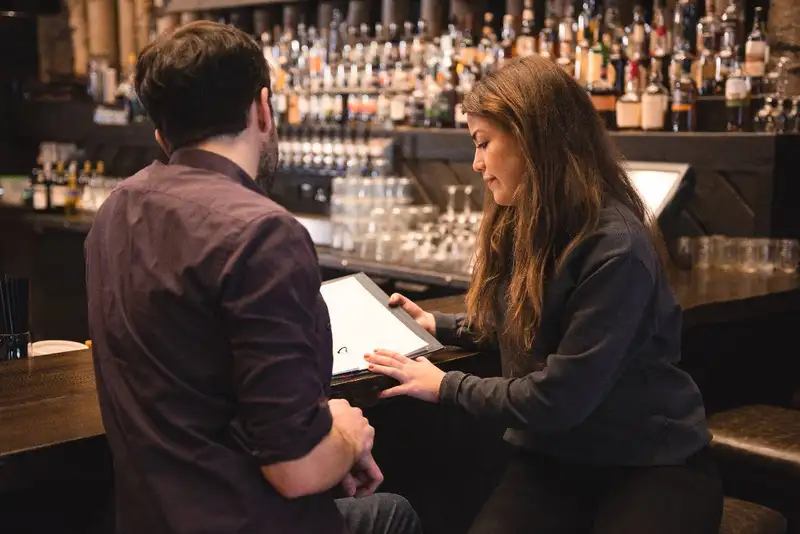
Product mix can change liquor cost percentage quickly because not every drink produces the same margin. A restaurant may have a strong overall bar sales number, but the profit behind those sales depends on what guests are actually buying.
For example, well drinks, classic cocktails, premium spirits, wine by the glass, bottled beer, draft beer, and signature cocktails all have different cost structures. A simple vodka soda may have a lower product cost than a cocktail made with premium liquor, fresh juice, specialty syrups, bitters, and garnishes. The selling price may also be different, so owners need to look at both cost percentage and gross profit dollars.
This is where many restaurants make a mistake. They only look at total liquor cost percentage instead of reviewing the mix behind it. If guests shift from high-margin well drinks to lower-margin premium pours, the overall percentage may rise even if sales are strong. If a seasonal cocktail uses expensive ingredients but is priced too low, it may sell well while quietly weakening margin.
Restaurant owners should review product mix by category -
1. Well liquor - usually lower cost and easier to portion.
2. Call and premium spirits - higher bottle cost, but can still be profitable if priced correctly.
3. Craft cocktails - may require more ingredients, prep, and tighter recipe control.
4. Wine by the glass - can be profitable, but pour size and spoilage must be watched.
5. Draft beer - affected by foam, line issues, keg yield, and waste.
6. Bottled and canned beer - easier to count, but margins vary by brand.
The goal is not to remove every higher-cost drink. Some premium items increase check averages and improve the guest experience. The key is knowing whether each category is priced and portioned correctly.
A healthy liquor cost percentage should be supported by a profitable mix of products. Owners should track which drinks sell the most, which drinks produce the best margin, and which drinks create waste or inconsistent pours. That level of visibility helps the bar menu support both sales and profitability.
Streamline Your Inventory. Order Smartly.
Start Simplifying Your Orders with Altametrics
Warning Signs Your Liquor Cost Is Too High
A high liquor cost percentage does not always mean the bar is failing, but it does mean restaurant owners need to look closer. The real concern is not one bad week. The concern is when liquor cost keeps rising, moves outside the target range, or does not match expected sales performance.
One of the clearest warning signs is when liquor sales are steady or increasing, but profit is not improving. This usually means product is being used faster than revenue is being created. The cause may be over-pouring, underpriced drinks, waste, theft, poor inventory counts, or a shift toward lower-margin items.
Restaurant owners should also watch for these red flags -
1. Liquor cost rises above the target range - If the goal is 22% and the actual cost moves to 28% or 30%, owners should investigate quickly.
2. Actual usage is higher than expected usage - This may mean bartenders are pouring more than the recipe allows, drinks are being made incorrectly, or product is leaving without being sold.
3. Purchases increase faster than sales - If the restaurant is buying more liquor but not selling more drinks, inventory control may be weak.
4. Emergency orders happen often - Frequent last-minute orders can signal poor forecasting, inaccurate counts, or untracked product loss.
5. Popular drinks have weak margins - A cocktail can sell well and still hurt profitability if the ingredients are too expensive or the menu price is too low.
6. Waste, comps, and voids are not reviewed - Spills, remakes, giveaways, and manager comps should be tracked because they directly affect cost.
7. Pour sizes are inconsistent - Even small over-pours can become expensive when repeated across hundreds or thousands of drinks.
Owners should treat these warning signs as operational signals, not just accounting problems. When liquor cost is too high, the solution usually starts with better visibility- accurate inventory, recipe controls, POS reporting, purchase tracking, and regular variance reviews.
How to Improve Liquor Cost
Improving liquor cost does not mean weakening drinks, reducing quality, or making guests feel like they are getting less value. The goal is to make every pour more consistent, every recipe more profitable, and every dollar of inventory easier to track.
Start with standard recipes. Every cocktail should have a clear build, portion size, garnish, glassware, and selling price. If one bartender pours 1.5 ounces and another pours 2 ounces for the same drink, the restaurant is not just losing product; it is losing control of the guest experience. Consistency protects both profit and quality.
Next, review menu pricing. Owners should know the cost of each drink, not just the overall liquor cost percentage. A cocktail with premium tequila, fresh juice, specialty liqueur, and an expensive garnish may need a higher menu price than a simple mixed drink. If ingredient costs increase but menu prices stay the same, liquor cost will rise even if sales remain strong.
Inventory control is just as important. Count liquor on a regular schedule, record purchases accurately, and compare actual usage against expected usage. If a bottle should produce 16 drinks but only produces 12, that gap needs to be investigated.
Restaurant owners can also improve liquor cost by focusing on -
1. Measured pours to reduce over-pouring.
2. Bartender training to reinforce recipes and portion control.
3. Waste logs for spills, remakes, and breakage.
4. Comp tracking for manager giveaways and guest recovery.
5. Vendor price reviews to catch cost increases.
6. Slow-moving inventory checks to reduce cash tied up in bottles that do not sell.
7. POS accuracy so every drink is rung under the correct category and price.
The best liquor cost controls should be almost invisible to guests. Drinks should still taste right, look right, and feel worth the price. What changes is the discipline behind the bar. When recipes, pricing, purchasing, and inventory all work together, restaurant owners can protect margins without damaging the guest experience.
Review Liquor Cost Regularly
Restaurant owners should review liquor cost on a consistent schedule, not only when profits feel low. At minimum, liquor cost should be reviewed every accounting period. For stronger control, many restaurants benefit from reviewing it weekly because problems are easier to fix when they are caught early.
A monthly review can show the bigger financial picture, but a weekly review helps owners spot issues before they become expensive. If liquor cost jumps from 22% to 28% in one week, the owner can look at recent purchases, inventory counts, vendor invoices, comps, waste, and sales mix right away. If that same issue is not caught until the end of the month, the restaurant may have already lost margin for several weeks.
A good liquor cost review should include -
1. Total liquor cost percentage - This shows the overall cost of liquor compared to liquor sales.
2. Category-level cost - Review liquor, beer, wine, cocktails, and premium spirits separately when possible.
3. Actual vs. expected usage - Compare what should have been used based on sales and recipes against what was actually used from inventory.
4. Purchases and vendor pricing - Check whether price increases, large orders, or invoice errors affected cost.
5. Waste, comps, and voids - Track product that left inventory but did not produce normal revenue.
6. Top-selling drinks - Review whether your best sellers are also contributing healthy margins.
7. Slow-moving inventory - Identify bottles that tie up cash, take up space, or increase the risk of waste.
The key is to treat liquor cost as an operating habit. One calculation will not fix the bar. Regular review gives owners the information they need to adjust pricing, train staff, manage inventory, and protect profit.
A good liquor cost percentage is not just a number on a report. It is a signal that the bar is being managed with discipline, accuracy, and consistency.
Transform Your Restaurant Operations Now!
Effortless Inventory Tracking with Altametrics!

Employee scheduling
Employee Time Tracking Tips for Restaurants
Employee scheduling
7 Scheduling Mistakes Restaurant Owners Should Stop Making

Employee scheduling
Human Resource Management for Restaurants
Employee scheduling
Common Payroll Challenges in Restaurants

Sales forecasting
How to Use Restaurant Analytics to Improve Profitability

Restaurant management
The Complete Guide to Restaurant Reputation Management

Accounting payroll
Restaurant Cash Handling Procedures


Accounting payroll
How to Manage Restaurant Finances

Employee scheduling
How to Motivate Restaurant Staff
Frequently Asked Questions
What is the difference between actual liquor cost and expected liquor cost?
Actual liquor cost is based on real inventory usage. Expected liquor cost is based on recipes, standard pours, menu prices, and sales mix. If actual cost is higher than expected cost, the restaurant may have overpouring, waste, theft, or inventory errors.
How does product mix affect liquor cost?
Different drinks produce different margins. Well drinks, premium spirits, cocktails, draft beer, bottled beer, and wine by the glass all have different costs. If customers buy more lower-margin items, the overall liquor cost percentage may rise even if sales are strong.
How can restaurant owners lower liquor costs?
Owners can lower liquor cost by using standard recipes, measured pours, regular inventory counts, waste logs, comp tracking, vendor price reviews, bartender training, and accurate POS reporting. The goal is consistency, not weaker drinks.
What causes liquor costs to change from week to week?
Liquor cost can change because of sales mix, vendor price increases, over-pouring, waste, comps, theft, inventory errors, large purchases, or changes in customer buying behavior. Owners should look for patterns instead of reacting to one number alone.