What technology can help streamline restaurant operations?
Useful technology may include POS systems, employee scheduling software, time-tracking tools, inventory platforms, digital checklists, accounting integrations, kitchen display systems, online ordering tools, and restaurant performance dashboards.
How to Streamline Restaurant Operations

Evaluate Current Restaurant Operations
Before you can streamline restaurant operations, you need a clear understanding of how the business currently functions. Many operational problems develop gradually, making them difficult to notice during a busy shift. A process may appear normal simply because employees have followed it for months, even when it creates delays, wasted labor, or inconsistent results.
Begin by reviewing the complete flow of a typical day, from opening preparations to closing procedures. Observe how managers assign tasks, how employees prepare stations, how orders move from the front of the house to the kitchen, and how the team responds during peak periods. Look for unnecessary steps, repeated work, unclear responsibilities, and activities that regularly take longer than expected.
Restaurant owners should evaluate several important areas, including -
1. Employee scheduling and shift coverage
2. Opening and closing procedures
3. Food preparation and kitchen workflows
4. Order entry and ticket management
5. Inventory counting and purchasing
6. Cleaning and food safety tasks
7. Communication between shifts
8. Customer wait times and service speed
9. Manager reporting and administrative work
Employee feedback is especially useful during this evaluation. Servers, cooks, hosts, dishwashers, and shift managers experience operational problems directly. Ask them which tasks create the most confusion, where delays commonly occur, and which processes require unnecessary manual work. Their observations can reveal issues that may not be visible in sales reports.
Owners should also review available operational data. Compare scheduled labor with actual labor hours, examine food waste records, check inventory variances, review ticket times, and identify recurring customer complaints. These measurements can help separate isolated problems from ongoing patterns.
Document each issue instead of trying to fix everything immediately. Create a list of inefficient processes, estimate how each one affects costs or service, and identify which departments are involved. This initial evaluation provides the foundation for making focused improvements rather than changing processes based on assumptions.
Identify Operational Bottlenecks
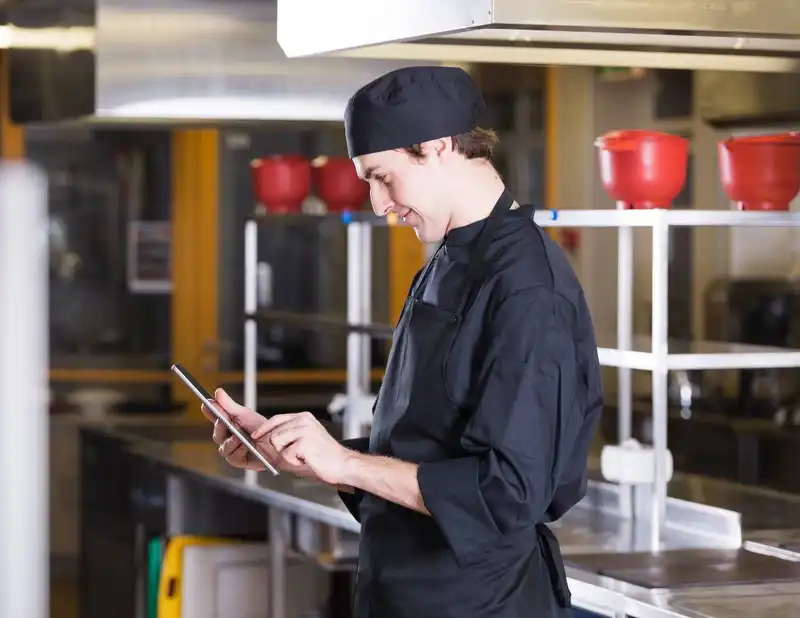
Once you have reviewed your current processes, the next step is to identify the operational bottlenecks that slow the restaurant down. A bottleneck is any point in the workflow where tasks, orders, information, or employees begin to back up. These delays can reduce service speed, frustrate employees, increase labor costs, and negatively affect the guest experience.
Bottlenecks often become most visible during peak hours. For example, customer orders may reach the kitchen faster than cooks can prepare them. Servers may wait too long for drinks because the bar is understaffed. Hosts may seat guests before tables are properly cleaned, or managers may spend too much time correcting scheduling and inventory errors.
Restaurant owners should observe where work regularly stops or slows. Ask questions such as -
1. Where do employees spend the most time waiting?
2. Which tasks require repeated approvals?
3. Where do mistakes happen most often?
4. Which stations become overwhelmed during busy periods?
5. Which processes depend too heavily on one employee?
6. Where is information missing or communicated too late?
It is important to identify the root cause instead of focusing only on the visible problem. Slow ticket times, for example, may not mean that kitchen employees are working too slowly. The real cause could be an overly complicated menu, poor station organization, inaccurate prep levels, equipment problems, or a sudden increase in online orders.
Owners can use simple workflow mapping to understand these issues. Write down every step involved in a common process, such as preparing an order, receiving a delivery, completing an inventory count, or closing the restaurant. Then mark the steps that create delays, duplicate work, or require unnecessary movement.
Prioritize bottlenecks based on their impact. Problems that affect food safety, customer satisfaction, labor costs, or revenue should receive immediate attention. Smaller issues can be addressed later.
Avoid changing several major processes at the same time. Start with one high-impact bottleneck, test a practical solution, and measure whether performance improves. This approach makes it easier to determine which changes are effective and prevents unnecessary disruption to daily restaurant operations.

Daily Processes and Procedures
After identifying operational bottlenecks, restaurant owners should standardize the processes employees follow every day. Standardization creates a clear and repeatable way to complete important tasks, reducing confusion, mistakes, delays, and differences between shifts.
Without documented procedures, employees may perform the same task in several different ways. One cook may portion ingredients by sight, while another uses a scale. One manager may complete inventory counts carefully, while another estimates quantities. These inconsistencies can affect food costs, service speed, product quality, and customer satisfaction.
Start by documenting the restaurant's most important recurring processes, including -
1. Opening and closing duties
2. Food preparation and portioning
3. Cooking and plating standards
4. Order entry and payment procedures
5. Inventory counting and product receiving
6. Cleaning and sanitation tasks
7. Shift changes and manager handoffs
8. Customer complaint procedures
9. Equipment checks and maintenance reporting
Each procedure should explain who is responsible, when the task must be completed, what steps are required, and how employees confirm completion. Instructions should be simple enough for a new employee to follow without constant supervision.
Checklists can make procedures easier to manage. An opening checklist may include turning on equipment, checking refrigeration temperatures, preparing cash drawers, reviewing reservations, and stocking workstations. A closing checklist may cover cleaning, waste recording, inventory security, cash reconciliation, and equipment shutdown.
Standard recipes are also essential. Every menu item should include exact ingredient quantities, preparation instructions, portion sizes, cooking times, plating requirements, and expected yields. This helps protect food quality while keeping ingredient usage and costs more predictable.
Restaurant owners should involve experienced employees when creating procedures. Team members who perform the work daily can identify missing steps and suggest more practical methods. Once procedures are established, train every employee on the same standards and make the instructions easy to access.
Review procedures regularly as menus, technology, staffing, and customer demand change. Standardization should not prevent improvement. It should provide a reliable operating foundation that can be updated whenever a better process is identified.
Employee Scheduling and Labor Management
Labor is one of the largest operating expenses in a restaurant, so scheduling must balance service needs with cost control. An efficient schedule places the right number of employees in the right roles at the right times. Poor scheduling can lead to understaffed shifts, excessive overtime, slower service, employee burnout, and unnecessary labor expenses.
Begin by using historical sales and transaction data to estimate staffing needs. Review performance by day, shift, and hour rather than relying on weekly averages. A restaurant may need more servers during Friday dinner, additional kitchen support during weekend lunch, or fewer employees during slower weekday periods. Weather, holidays, local events, promotions, reservations, and online order volume should also be considered.
Schedules should be based on workload, not habit. Restaurant owners can compare labor demand with metrics such as -
1. Sales per labor hour
2. Labor cost percentage
3. Transactions per hour
4. Guests served per employee
5. Average ticket volume by shift
6. Overtime hours
7. Employee attendance and callouts
Assign employees according to their skills and experience. New team members may need to work alongside experienced employees, while high-volume periods may require stronger coverage in cooking, expediting, bartending, or order fulfillment. Cross-training employees can also make scheduling more flexible because qualified team members can support multiple stations when demand changes.
Publish schedules early enough for employees to plan around their shifts. Clear availability rules, time-off procedures, and shift-swap policies can reduce last-minute confusion. Managers should also monitor late arrivals, missed shifts, early clock-ins, and unauthorized overtime.
During each shift, compare actual demand with scheduled labor. Managers may need to adjust break times, move employees between stations, call in additional support, or allow employees to leave early when business is slower than expected. These decisions should be based on real-time sales and workload rather than guesswork.
Restaurant scheduling should be reviewed continuously. Track where labor regularly exceeds targets and where understaffing affects ticket times or service quality. Over time, these patterns can help owners build more accurate schedules, control labor costs, and maintain consistent operations without placing unnecessary pressure on employees.
Streamline Inventory and Purchasing

Inventory and purchasing systems directly affect food costs, product availability, cash flow, and daily kitchen performance. When these processes are poorly managed, restaurants may overorder ingredients, run out of popular items, lose products to spoilage, or spend too much time completing manual counts.
Start by organizing storage areas so employees can quickly identify, count, and access products. Dry storage, walk-in coolers, freezers, and beverage areas should use consistent labels and designated locations. Similar items should be grouped together, while older products should be positioned in front of newer deliveries to support first-in, first-out rotation.
Restaurant owners should establish accurate par levels for each ingredient. A par level represents the quantity needed to meet expected demand before the next delivery. These levels should be based on sales forecasts, recipe usage, supplier schedules, storage capacity, and product shelf life. Par levels should also be adjusted when demand changes because of seasonality, promotions, holidays, or local events.
Inventory counts should follow the same schedule and process every time. High-value or fast-moving products may require daily checks, while full inventory counts may be completed weekly. Employees should count items in the same order, use consistent units of measurement, and record partial quantities accurately.
Purchasing should be based on actual usage rather than estimates. Managers can compare current inventory with par levels, review upcoming demand, and order only what is needed. This reduces excess inventory while lowering the risk of stockouts.
Restaurants should also monitor key inventory indicators, including -
1. Food cost percentage
2. Inventory turnover
3. Product waste
4. Actual versus theoretical usage
5. Purchase price changes
6. Stockouts
7. Vendor delivery accuracy
8. Inventory variance
Receiving procedures are equally important. Employees should compare deliveries with purchase orders and invoices, verify quantities, inspect product quality, check temperatures, and document missing or damaged items before accepting the shipment.
Finally, record spoilage, overproduction, incorrect orders, spills, and preparation waste. These records can reveal where inventory losses occur and which processes need improvement. A more organized inventory and purchasing system helps restaurants control costs, protect product quality, and keep essential ingredients available without tying up unnecessary cash.

Automate Repetitive Tasks
Restaurant technology can help owners reduce manual work, improve accuracy, and give managers more time to focus on employees and customers. The goal is not to add more software simply because it is available. Each tool should solve a specific operational problem, connect with existing systems, and make daily tasks easier to complete.
Start by identifying repetitive activities that consume management time or frequently produce errors. These may include building employee schedules, entering invoice data, counting inventory, tracking food temperatures, preparing sales reports, communicating shift updates, or checking whether opening and closing tasks were completed.
Technology can streamline several areas of restaurant operations -
1. Employee scheduling and time tracking - Scheduling software can use sales forecasts, employee availability, labor targets, and role requirements to create more efficient schedules. Digital timekeeping can also help managers monitor attendance, overtime, missed breaks, and early clock-ins.
2. Inventory and purchasing - Inventory platforms can track ingredient usage, compare actual and theoretical food costs, monitor vendor prices, and generate suggested order quantities. Automated invoice processing can reduce manual data entry and improve purchasing records.
3. Digital checklists - Mobile checklists allow employees to complete opening, closing, cleaning, maintenance, and food safety tasks from a phone or tablet. Managers can see which tasks are complete, overdue, or missed without relying on paper forms.
4. Sales and performance reporting - Integrated dashboards can combine sales, labor, inventory, and transaction data. Instead of building reports manually, owners can review important restaurant KPIs from one location and identify problems more quickly.
5. Order management - A connected point-of-sale system can organize dine-in, takeout, delivery, kiosk, and online orders. Sending orders directly to the correct kitchen station can reduce duplicate entry, missing tickets, and communication errors.
Before introducing new technology, review how well it integrates with your current POS, payroll, accounting, scheduling, and inventory systems. Disconnected tools may create additional work if employees must enter the same information into multiple platforms.
Training is also important. Explain why the system is being introduced, demonstrate the correct workflow, and assign someone to answer employee questions. Monitor adoption during the first few weeks and correct any processes that remain unnecessarily complicated.
Automation should support employees rather than remove accountability. Managers still need to review exceptions, verify information, and make operational decisions. When technology is selected carefully and used consistently, it can reduce administrative work, improve visibility, and help the restaurant operate more efficiently.
Front-of-House and Kitchen Coordination
Smooth coordination between the front of the house and the kitchen is essential for faster service, accurate orders, and a consistent guest experience. When communication breaks down, restaurants may experience delayed tickets, missing modifications, incorrect dishes, crowded pickup areas, and frustrated employees.
Start by defining how information should move from the guest to the kitchen. Servers must enter orders correctly, confirm special requests, and avoid using unclear notes. Kitchen employees need to understand ticket priorities, allergy alerts, substitutions, and timing requirements. Managers should establish one standard process for communicating changes instead of relying on verbal messages that can be forgotten.
Pre-shift meetings can help both teams prepare for service. Keep these meetings brief and focused on operational details such as -
1. Menu items that are unavailable
2. Daily specials and promotions
3. Large reservations or group bookings
4. Expected sales volume
5. Staffing gaps
6. Allergy procedures
7. New menu items
8. Online order demand
9. Equipment or maintenance issues
During service, assign clear responsibilities. Servers should know who handles guest updates, while kitchen employees should know who controls ticket flow and verifies finished orders. An expediter can help coordinate timing, check presentation, confirm modifications, and ensure that complete orders leave the kitchen together.
Restaurants should also organize the food pickup area. Clearly marked sections for dine-in, takeout, delivery, and online orders can reduce congestion and prevent employees from collecting the wrong items. Packaging supplies, utensils, condiments, and order labels should be stored nearby to limit unnecessary movement.
Managers should monitor service in real time. When ticket times increase, they can temporarily limit seating, adjust online order availability, move cross-trained employees to high-pressure stations, or update guests about delays. Early action prevents small problems from affecting the entire shift.
After busy periods, review what caused service disruptions. Examine delayed tickets, order corrections, customer complaints, and communication failures. Front-of-house and kitchen employees should discuss these issues together rather than blaming one department.
Consistent communication, clear responsibilities, and organized order flow help both teams work as one operation. This coordination can reduce errors, improve service speed, and create a less stressful environment for employees.

Capture Every Punch with Precision
Elevate Your Hospitality Operations with Altametrics

Employee scheduling
Human Resource Management for Restaurants
Employee scheduling
Common Payroll Challenges in Restaurants

Sales forecasting
How to Use Restaurant Analytics to Improve Profitability

Restaurant management
The Complete Guide to Restaurant Reputation Management

Accounting payroll
Restaurant Cash Handling Procedures

Accounting payroll
How to Manage Restaurant Finances

Employee scheduling
How to Motivate Restaurant Staff
Software integration
10 Ways Technology Can Help Control Food Cost in Restaurants
Frequently Asked Questions
What is the best way to document restaurant workflows?
The best approach is to break each workflow into simple steps. Include who performs the task, when it must be completed, which tools are required, and how completion is verified. Photos, short videos, checklists, and written instructions can make procedures easier for employees to follow.
How can restaurants improve shift handoffs?
Restaurants can improve shift handoffs by using a manager log, digital task list, or standardized handoff checklist. Important information should include staffing issues, equipment problems, inventory shortages, customer concerns, incomplete tasks, reservations, and expected demand.
What are the most common restaurant operational bottlenecks?
Common bottlenecks include slow kitchen ticket flow, poor communication between teams, understaffed shifts, disorganized storage areas, manual inventory processes, unclear employee responsibilities, equipment problems, and delays caused by complicated menu items.
How can restaurants streamline online and delivery orders?
Restaurants can connect online ordering channels to the POS or kitchen display system, create a separate preparation area, organize packaging supplies, set realistic preparation times, and monitor order volume. Owners may also need to limit orders temporarily when the kitchen reaches capacity.