




The Importance of a Kitchen Cleaning Checklist for Food Safety
Food safety protocols are designed to minimize contamination risks, requiring restaurants to be vigilant about every aspect of kitchen cleanliness. From food preparation surfaces and high-touch areas to equipment and waste disposal, every area must be carefully maintained to prevent bacteria, pests, and other hazards. A well-organized cleaning checklist supports these safety measures by breaking down tasks into daily, weekly, and monthly routines. This structure allows kitchen staff to address immediate needs, like sanitizing prep areas, while also managing long-term maintenance tasks, such as deep cleaning equipment and hard-to-reach spots.
In addition to supporting food safety, a cleaning checklist helps establish a culture of accountability among staff. By assigning specific responsibilities and using a checklist as a tracking tool, restaurant managers can ensure that no task is overlooked, even during busy periods. This not only boosts efficiency but also makes food safety practices more consistent and reliable.
In this article, we provide a detailed checklist to help restaurant owners and managers implement a comprehensive cleaning regimen that meets food safety standards. Each section covers tasks by frequency, from core daily duties to more specialized weekly and monthly cleaning. We'll also address specific methods for equipment, storage, and waste areas to ensure your kitchen stays spotless, compliant, and safe for everyone.
Daily Cleaning Tasks - Core Areas for Food Safety

Key Daily Cleaning Tasks
1. Food Preparation Surfaces - Clean and sanitize all countertops, cutting boards, and food prep areas. Wipe down these surfaces with approved sanitizers to prevent cross-contamination.
2. Utensils and Small Appliances - Wash all utensils, knives, mixing bowls, and small appliances like blenders and mixers. These tools come into direct contact with food, so cleanliness is vital.
3. Floors - Sweep and mop the kitchen floors daily to remove food particles, grease, and spills that could attract pests or pose slip hazards.
4. High-Touch Points - Frequently touched areas, including door handles, refrigerator doors, oven handles, and faucet knobs, must be sanitized daily to prevent bacteria from spreading.
5. Trash Disposal - Empty all trash bins daily, replacing liners and cleaning the bins to minimize odors and contamination risks.
Why Daily Cleaning Is Essential
Daily cleaning prevents bacteria buildup and cross-contamination, making it harder for germs to take root in the kitchen. By incorporating these tasks into daily routines, restaurants create a baseline of cleanliness that supports overall food safety protocols.
Create, Implement, and Execute Multiple Daily Checklists
Streamline Your Operations with Altametrics
Weekly Deep Cleaning
Key Weekly Cleaning Tasks
1. Kitchen Equipment - Deep clean stoves, ovens, fryers, and grills to remove built-up grease and food residue. Properly dismantling parts for thorough cleaning is essential for equipment longevity and safety.
2. Sinks and Drains - Clean and sanitize all sinks and drains to prevent clogs and eliminate any bacterial growth that could compromise food safety.
3. Exhaust Hoods and Vents - Wipe down exhaust hoods, ducts, and vents to remove grease and dirt that could lead to smoke or fire hazards. Maintaining clean vents also improves air quality.
4. Shelving and Storage Areas - Wipe down shelves and reorganize storage spaces to prevent food particles from accumulating and potentially contaminating fresh supplies.
Benefits of Weekly Cleaning
Weekly deep cleaning tasks prevent grease buildup, eliminate residue, and remove dirt that daily cleaning might miss. By addressing these areas on a regular basis, restaurants reduce the risk of contamination and ensure that their equipment functions optimally, supporting a safer kitchen environment.
Monthly Cleaning Checklist
Key Monthly Cleaning Tasks
1. Behind Appliances - Move and clean behind larger appliances such as ovens, refrigerators, and dishwashers. Dust, food particles, and grease can accumulate here and attract pests if not regularly cleaned.
2. Air Filters - Check and clean air filters, replacing them if necessary. Clean air filters improve ventilation and reduce allergens, supporting a healthier kitchen environment.
3. Ceiling and Wall Cleaning - Wipe down walls, ceilings, and light fixtures to remove dust, grease, and smoke residue that might accumulate over time.
4. Storage Shelves - Sanitize storage shelves, bins, and racks, ensuring they're free of dust and dirt that could affect food storage.
Importance of Monthly Cleaning
Monthly cleaning tasks go beyond routine maintenance, addressing areas not covered in daily and weekly cleaning. These tasks create a deeper level of cleanliness in the kitchen, reducing the risk of food contamination and ensuring a sanitary environment for food preparation.
Equipment-Specific Cleaning

Key Equipment-Specific Cleaning Tasks
1. Ovens and Grills - Regularly clean grates, burners, and trays to remove grease, food particles, and charred residue that can harbor bacteria or affect flavor.
2. Fryers - Change oil and clean the fryers thoroughly to remove oil buildup and food debris that can degrade the quality of fried food and lead to contamination.
3. Mixers and Blenders - Wash all removable parts after each use and do a deep clean periodically to ensure no residue remains, especially when handling ingredients that can cross-contaminate.
4. Refrigeration Units - Sanitize shelves, bins, and surfaces within refrigeration units to maintain temperature control and prevent spoilage.
Importance of Clean Equipment
Clean equipment is vital to kitchen efficiency and food safety. Equipment that is regularly cleaned minimizes cross-contamination, ensuring that the kitchen functions smoothly and reduces the likelihood of spreading bacteria or allergens.
Effortlessly Create, Implement, and Execute Multiple Daily Checklists
Optimize Your Daily Operations with Altametrics
Food Storage and Refrigeration
Key Food Storage and Refrigeration Cleaning Tasks
1. Refrigerators and Freezers - Wipe down shelves and bins, discarding expired items and organizing supplies to promote first-in, first-out rotation.
2. Temperature Monitoring - Regularly check and record temperatures to ensure food is stored at safe levels, and adjust the settings as needed to maintain freshness.
3. Dry Storage - Organize and clean dry storage areas, removing any spilled ingredients or debris that could attract pests or contaminate fresh ingredients.
How Clean Storage Supports Safety
By maintaining clean storage areas, restaurants can prevent food spoilage and bacterial growth, supporting longer shelf lives and safer food handling practices. Regular cleaning and monitoring help ensure that all ingredients are safe and ready for use.
Waste Disposal and Pest Prevention
Key Waste Disposal and Pest Prevention Tasks
1. Trash Bins - Empty trash bins daily, disinfect them regularly, and use liners to keep the bins clean and odor-free.
2. Grease Traps - Clean grease traps regularly to prevent buildup and ensure proper disposal, reducing the risk of drain clogs and contamination.
3. Pest Control Measures - Implement preventative measures such as sealing cracks, installing traps, and scheduling pest control inspections to keep pests out of the kitchen.
Why Waste Management Is Essential
Effective waste disposal and pest prevention help maintain a safe, clean environment. Keeping trash bins, grease traps, and waste areas clean minimizes contamination risks and reduces the likelihood of pest infestations that can jeopardize food safety.
Training and Accountability
Key Training and Accountability Practices
1. Training Programs - Train staff on using the cleaning checklist, handling sanitizers, and recognizing contamination risks.
2. Assigned Responsibilities - Assign specific cleaning responsibilities to each team member, rotating tasks as needed to ensure everyone contributes.
3. Tracking Systems - Use checklists, logs, or digital tracking to document completed tasks, ensuring accountability and consistency in cleaning routines.
How Accountability Improves Food Safety
By establishing accountability and providing thorough training, restaurant owners create a culture of cleanliness and responsibility. Ensuring that all tasks are tracked and documented allows managers to identify gaps and make necessary adjustments, supporting a safe and sanitary kitchen environment.
Maintaining food safety through a structured kitchen cleaning checklist is essential for any restaurant. Daily, weekly, and monthly cleaning tasks, combined with specific care for equipment, storage, and waste areas, support a safe environment that prevents contamination and foodborne illnesses. A well-maintained kitchen is not only a regulatory requirement but a commitment to customers' health and satisfaction.
By implementing this comprehensive cleaning checklist and establishing consistent training and accountability systems, restaurant owners can rest assured that their kitchens meet food safety standards. These practices ultimately protect both staff and customers, helping restaurants operate successfully and safely.
Take Control of Your Operations Team's Tasks
Discover Seamless Workflow Management with Altametrics
Frequently
Asked Questions
What are the essential daily cleaning tasks in a restaurant kitchen?
What tasks should be on a monthly kitchen cleaning checklist?
How can I keep food storage and refrigeration areas clean and safe?
How can digital checklists improve kitchen cleaning routines?
Must-Read Content
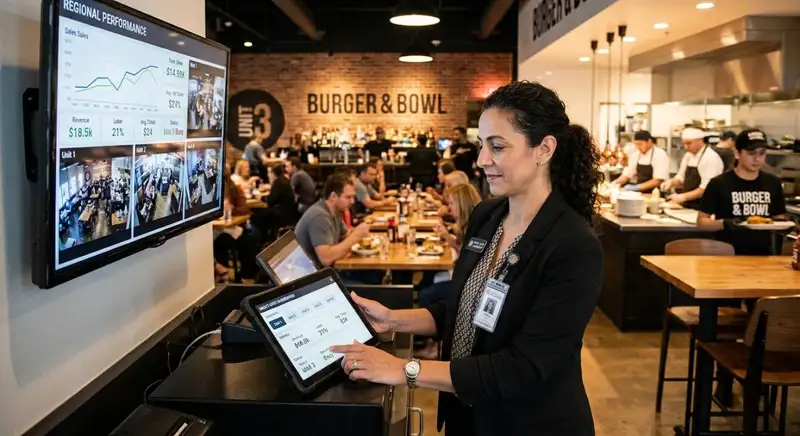
How AI Is Transforming Multi-Unit Restaurant Management
AI helps multi-unit restaurant operators forecast demand, optimize labor, detect anomalies, ensure consistency, refine menus and pricing, and adopt tools gradually, freeing managers to focus on hospitality.

Restaurant ERP Explained - What It Is, How It Works, and Its Benefits
Restaurant ERP connects essential operations, improves cost control, centralizes business information, streamlines workflows, and helps owners make informed management decisions.

10 Benefits of All-in-One Restaurant Management Software
All-in-one restaurant management software streamlines operations, improves communication, reduces administrative work, controls costs, strengthens workforce management, and supports informed business decisions.

