Why Every Restaurant Needs a Food Hygiene Checklist
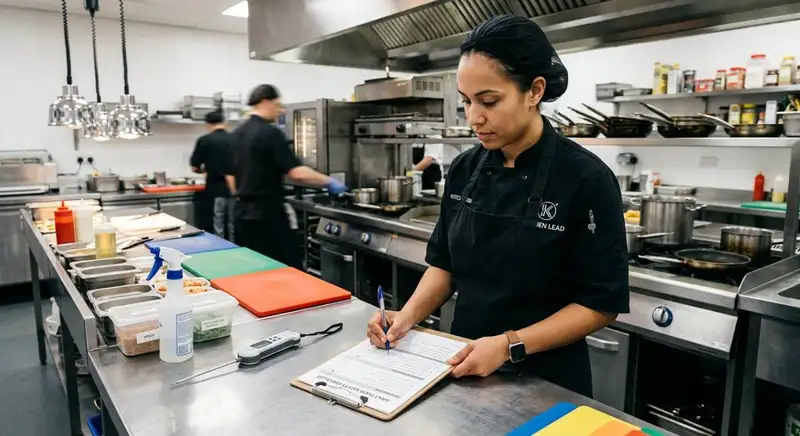
A food hygiene checklist helps restaurant owners establish consistent standards for cleanliness and food safety. Instead of relying on employees to remember every cleaning and sanitation responsibility, a structured checklist provides clear instructions for what needs to be inspected, cleaned, and recorded. It also helps managers identify problems before they affect food quality or customer safety.
An effective restaurant food hygiene checklist should cover several essential areas -
1. Kitchen cleaning and sanitation - Ensure food preparation surfaces, cooking equipment, utensils, floors, and sinks are cleaned and sanitized regularly.
2. Employee personal hygiene - Verify that staff follow proper handwashing procedures, wear clean uniforms, and practice safe food handling.
3. Food storage and temperature control - Check refrigeration temperatures, ingredient labels, expiration dates, and food storage arrangements.
4. Equipment maintenance - Inspect refrigerators, freezers, dishwashers, and cooking equipment to ensure they operate correctly and remain sanitary.
5. Waste management and pest prevention - Keep waste disposal areas clean, remove food debris, and monitor signs of pest activity.
These responsibilities should be organized into daily, weekly, and monthly tasks. Daily checks address routine cleaning and food handling, weekly checks focus on deeper sanitation, and monthly inspections help identify equipment problems and recurring hygiene issues.
By implementing a consistent food hygiene checklist, restaurant owners can improve employee accountability, maintain cleaner kitchen environments, reduce contamination risks, and keep their operations better prepared for health inspections.
Daily Food Hygiene Checklist
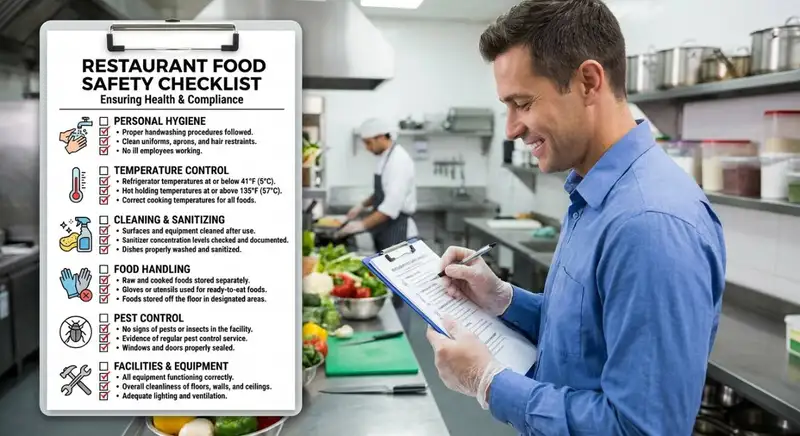
The following tasks should be included in a daily restaurant kitchen hygiene checklist.
1. Clean and Sanitize Food Preparation Surfaces
- Clean and sanitize countertops, cutting boards, preparation tables, and other food-contact surfaces before and after use.
- Sanitize surfaces between handling raw meat, seafood, poultry, and ready-to-eat foods.
- Remove food debris, grease, and spills immediately.
- Use approved cleaning and sanitizing products according to their instructions.
2. Wash and Sanitize Kitchen Equipment and Utensils
- Clean knives, mixing bowls, cooking utensils, and food preparation tools after use.
- Wash and sanitize food-contact equipment, including slicers, mixers, and food processors.
- Check dishwashing equipment to ensure it operates correctly.
- Store clean utensils in designated sanitary areas.
3. Clean Kitchen Floors and Work Areas
- Sweep kitchen floors to remove food scraps and debris.
- Mop spills and greasy areas using appropriate cleaning products.
- Clean sinks, drains, and frequently touched surfaces.
- Keep walkways clear of waste, standing water, and other hazards.
4. Empty Trash Bins and Maintain Waste Disposal Areas
- Empty garbage bins before they become overloaded.
- Use properly fitted trash bags and keep bin lids closed where appropriate.
- Clean and sanitize waste containers regularly.
- Remove food waste promptly to discourage pests and unpleasant odors.
5. Inspect Handwashing Stations
- Ensure handwashing sinks have running water at the required temperature.
- Replenish soap and disposable paper towels.
- Keep handwashing stations accessible and free from obstructions.
- Verify that employees wash their hands at appropriate times, especially after handling raw ingredients, touching waste, or using the restroom.
6. Inspect Food Preparation and Storage Areas
- Check refrigerated and frozen food storage temperatures.
- Ensure ingredients are properly covered, labeled, and stored.
- Separate raw animal products from ready-to-eat foods.
- Remove spoiled, contaminated, or expired ingredients.
- Check food preparation areas for spills, uncovered ingredients, and potential contamination.
7. Complete End-of-Day Cleaning Tasks
- Clean and sanitize all food preparation stations after service.
- Wash cooking equipment and utensils before storing them.
- Remove leftover food and store usable ingredients safely.
- Clean floors, sinks, and waste disposal areas.
- Record completed cleaning tasks and report maintenance issues to management.
Practical tip - Assign specific daily hygiene responsibilities to individual employees or shifts. Require staff to initial completed tasks on a cleaning checklist, while managers verify that critical sanitation and food storage checks have been performed. This creates accountability and makes it easier to identify incomplete tasks before the next service period.
Elevate Food Safety, Simplify Compliance!
Experience Seamless Food Safety with Altametrics!
Weekly Food Hygiene Checklist
A weekly food hygiene checklist should include the following tasks -
1. Deep-Clean Cooking Equipment
- Clean ovens, grills, fryers, stovetops, and other cooking equipment according to manufacturer instructions.
- Remove accumulated grease, food particles, and carbon deposits.
- Clean removable equipment components, including trays, racks, and filters.
- Inspect equipment for damaged surfaces or areas where food residue can collect.
2. Clean Refrigerators and Freezers
- Remove expired, spoiled, or improperly stored ingredients.
- Clean shelves, drawers, door handles, and interior surfaces.
- Check refrigerator and freezer door seals for damage.
- Remove ice buildup where necessary and follow manufacturer maintenance instructions.
- Verify that temperature-monitoring devices are working correctly.
3. Sanitize Drains, Sinks, and Hard-to-Reach Areas
- Remove food debris from kitchen sinks and drain covers.
- Clean and sanitize sink basins, faucets, and surrounding surfaces.
- Inspect areas beneath equipment and preparation tables.
- Remove grease and food residue from corners and other difficult-to-access spaces.
- Check for standing water, unpleasant odors, and potential pest activity.
4. Remove Grease Buildup From Ventilation Surfaces
- Clean accessible ventilation surfaces and equipment according to established procedures.
- Inspect exhaust hood filters for accumulated grease.
- Check ventilation areas for dust, debris, and visible residue.
- Arrange professional cleaning when required for exhaust systems and ductwork.
5. Inspect Walls, Ceilings, and Floors
- Clean wall surfaces around cooking and food preparation stations.
- Remove grease splashes and food stains.
- Inspect ceilings for leaks, condensation, mold, or damaged surfaces.
- Check floors for cracks, damaged tiles, and areas where moisture or food debris can accumulate.
- Clean floor drains and surrounding areas.
6. Clean Food Storage Containers and Shelving
- Wash and sanitize reusable food storage containers.
- Clean storage shelves and ingredient racks.
- Check containers for cracks, damaged lids, or other defects.
- Verify that ingredients are properly labeled and stored off the floor.
- Remove unnecessary packaging and expired products.
7. Review Weekly Cleaning Records
- Confirm that employees have completed their assigned deep-cleaning tasks.
- Review cleaning logs for missed or incomplete activities.
- Check whether approved cleaning chemicals are being used correctly.
- Record equipment problems and sanitation concerns.
- Assign corrective actions and deadlines for unresolved issues.
Practical tip - Schedule weekly deep cleaning during slower operating periods or after closing to minimize disruption to food preparation. Assign each task to a specific employee and have a manager inspect completed work. Keeping weekly cleaning records also helps restaurant owners identify recurring sanitation problems and maintain accountability across kitchen shifts.
Monthly Food Hygiene Checklist
A monthly restaurant food hygiene checklist should focus on equipment performance, facility conditions, sanitation procedures, and preventive maintenance.
1. Inspect Refrigeration and Temperature-Monitoring Equipment
- Check refrigerators and freezers for consistent temperature performance.
- Inspect door seals, hinges, and insulation for damage.
- Verify that thermometers and temperature-monitoring devices provide accurate readings.
- Review temperature logs for recurring fluctuations or equipment failures.
- Arrange repairs or calibration when equipment does not meet operational requirements.
2. Check Dishwashers and Sanitizing Equipment
- Inspect commercial dishwashers for leaks, damaged components, and buildup.
- Verify that wash and rinse temperatures meet the equipment manufacturer's requirements and applicable sanitation standards.
- Check chemical sanitizing systems for proper dispensing and concentration.
- Clean spray arms, filters, and other removable components.
- Replace worn parts that could affect cleaning and sanitizing performance.
3. Examine Food Storage Areas for Damage and Pest Activity
- Inspect dry storage shelves for moisture, food residue, and damaged surfaces.
- Check walls, floors, and storage containers for cracks or openings that could allow pests to enter.
- Look for signs of rodents, insects, droppings, or damaged packaging.
- Verify that food remains properly covered, labeled, and stored.
- Arrange professional pest control services when necessary.
4. Inspect Ventilation and Grease Management Equipment
- Examine exhaust hoods and accessible ventilation components for grease accumulation.
- Check grease filters for damage or excessive buildup.
- Inspect grease traps and schedule cleaning when needed.
- Verify that ventilation equipment operates correctly.
- Arrange professional maintenance and cleaning according to applicable requirements and manufacturer recommendations.
5. Review Cleaning Schedules and Sanitation Procedures
- Evaluate whether daily and weekly cleaning tasks are being completed consistently.
- Check that cleaning schedules cover all food preparation and storage areas.
- Verify that cleaning chemicals are approved, properly labeled, and stored safely.
- Review sanitizer concentration testing procedures and records.
- Update cleaning instructions when equipment or kitchen operations change.
6. Check the Condition of Food Preparation Tools and Equipment
- Inspect cutting boards, knives, utensils, and food containers for cracks, chips, and other damage.
- Replace equipment with surfaces that cannot be properly cleaned and sanitized.
- Check food preparation tables for damaged finishes or exposed materials.
- Examine storage racks and shelving for rust or deterioration.
- Verify that equipment remains suitable for food-contact use.
7. Evaluate Recurring Hygiene Issues and Maintenance Needs
- Review previous inspection records to identify repeated sanitation problems.
- Identify areas where employees frequently miss cleaning tasks.
- Document equipment failures and outstanding maintenance requests.
- Assign corrective actions to responsible employees or maintenance personnel.
- Establish deadlines for resolving identified problems.
Practical tip - Use monthly inspections to evaluate whether the restaurant's entire hygiene program is working effectively. Managers should document inspection findings, prioritize problems that could affect food safety, and follow up until corrective actions are completed. Monthly reviews should complement daily and weekly cleaning rather than replace routine sanitation responsibilities.
Employee Personal Hygiene and Safe Food Handling Checklist
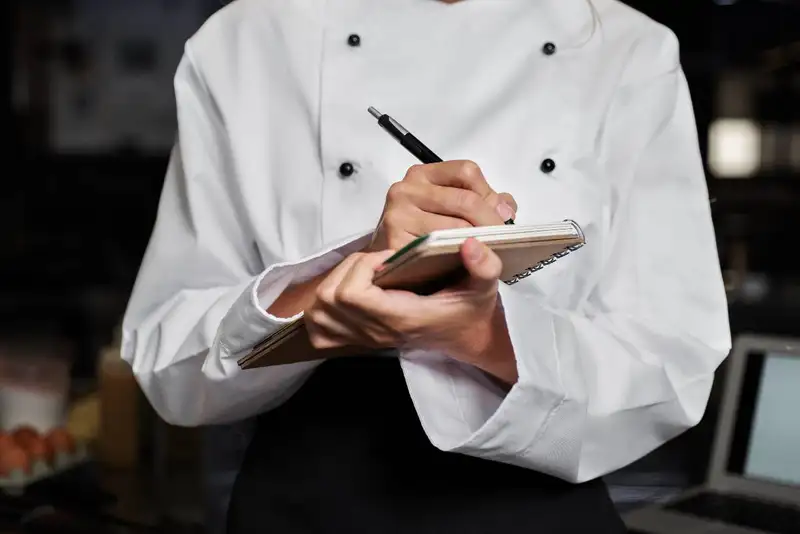
Restaurant owners should establish clear employee hygiene standards and include the following requirements in their food hygiene checklist.
1. Enforce Proper Handwashing Procedures
- Require employees to wash their hands with soap and running water before handling food.
- Ensure staff wash their hands after handling raw meat, poultry, seafood, or eggs.
- Require handwashing after using the restroom, touching garbage, cleaning equipment, or handling chemicals.
- Make sure employees wash their hands after coughing, sneezing, eating, or touching their face.
- Provide accessible handwashing stations with soap and disposable paper towels.
2. Maintain Clean Uniforms and Protective Clothing
- Require employees to wear clean uniforms, aprons, and appropriate protective clothing.
- Replace heavily soiled aprons and uniforms during shifts when necessary.
- Keep personal clothing and belongings away from food preparation areas.
- Provide suitable protective equipment for specific food handling activities.
- Establish procedures for laundering reusable uniforms and protective clothing.
3. Follow Proper Hair and Personal Grooming Standards
- Require appropriate hair restraints, such as hairnets, hats, or other coverings.
- Keep fingernails clean and properly maintained.
- Follow applicable restrictions on artificial nails and nail polish when handling exposed food.
- Avoid wearing jewelry that could contaminate food or interfere with safe food handling.
- Cover cuts and wounds with appropriate waterproof bandages and protective coverings.
4. Establish Employee Illness Reporting Procedures
- Require employees to report symptoms such as vomiting, diarrhea, jaundice, and sore throat with fever.
- Establish procedures for restricting or excluding sick employees from food handling when necessary.
- Follow applicable food safety regulations regarding employee illness and return-to-work requirements.
- Train managers to recognize when an employee should not handle food.
- Maintain appropriate records of reported illnesses and corrective actions.
5. Prevent Cross-Contamination During Food Preparation
- Use separate cutting boards and utensils for raw animal products and ready-to-eat foods.
- Clean and sanitize food-contact surfaces between different preparation activities.
- Store raw meat, poultry, and seafood separately from ready-to-eat ingredients.
- Avoid using the same gloves or utensils when switching between different food preparation tasks.
- Keep allergens separate and follow procedures to prevent allergen cross-contact.
6. Train Employees on Safe Food Handling Practices
- Provide regular training on food hygiene and sanitation procedures.
- Teach employees how to handle, store, cool, and reheat food safely.
- Explain proper cleaning and sanitizing procedures for kitchen equipment.
- Train staff to recognize potential contamination risks.
- Verify that employees understand their hygiene responsibilities through regular supervision.
Practical tip - Include employee hygiene checks in daily manager inspections. Supervisors should observe handwashing practices, inspect protective clothing, and verify that staff follow safe food handling procedures throughout their shifts. Regular training and clear expectations help make food hygiene a consistent part of restaurant operations.
Create, Implement, and Execute Multiple Daily Checklists
Streamline Your Operations with Altametrics
Food Storage and Temperature Control Checklist
Restaurant owners should include the following food storage and temperature control tasks in their food hygiene checklist.
1. Monitor Refrigerator and Freezer Temperatures
- Keep refrigerators at 40F (4C) or below.
- Maintain freezers at 0F (-18C) or below.
- Check and record storage temperatures at regular intervals.
- Use calibrated thermometers to verify equipment readings.
- Investigate temperature fluctuations and relocate food when equipment cannot maintain safe conditions.
2. Label and Date Stored Ingredients
- Label food containers with the ingredient name and preparation or storage date.
- Include use-by dates when required by food safety procedures.
- Remove expired or spoiled ingredients promptly.
- Use waterproof labels that remain readable during storage.
- Make sure employees can easily identify stored ingredients.
3. Follow the FIFO Inventory Rotation Method
- Arrange older ingredients in front of newer deliveries.
- Place newly received products behind existing stock.
- Check expiration and use-by dates before preparing ingredients.
- Remove products that have exceeded their safe storage periods.
- Review inventory regularly to prevent forgotten ingredients from remaining in storage.
4. Separate Raw and Ready-to-Eat Foods
- Store raw meat, poultry, and seafood separately from ready-to-eat foods.
- Place raw animal products below ready-to-eat ingredients in refrigerators to prevent dripping and cross-contamination.
- Use sealed, leak-proof containers for raw ingredients.
- Assign separate storage areas or clearly designated shelves when possible.
- Keep allergenic ingredients properly identified and separated according to food safety procedures.
5. Maintain Proper Food Covering and Container Standards
- Store ingredients in clean, food-grade containers with appropriate lids.
- Cover prepared foods and partially used ingredients.
- Avoid storing food in damaged or unsuitable containers.
- Keep food storage containers clean and properly organized.
- Never store ingredients directly on floors or in areas exposed to chemicals.
6. Verify Safe Cooling and Reheating Procedures
- Cool cooked food using approved methods that allow temperatures to decrease quickly.
- Divide large quantities into smaller portions or use shallow containers to support faster cooling.
- Follow applicable cooling requirements. Under the FDA Food Code, cooked time/temperature control for safety food generally must cool from 135F to 70F within two hours and from 135F to 41F within six hours total.
- Reheat food intended for hot holding to the required temperature, generally 165F (74C) for 15 seconds under the FDA Food Code.
- Use calibrated food thermometers to verify internal temperatures rather than relying on appearance.
7. Inspect Ingredients for Spoilage and Damaged Packaging
- Check incoming deliveries for damaged packaging, leaks, and signs of contamination.
- Inspect ingredients for unusual odors, discoloration, or visible spoilage.
- Reject deliveries that arrive at unsafe temperatures or show signs of improper handling.
- Remove contaminated or spoiled ingredients from food preparation areas.
- Document rejected deliveries and storage-related food safety concerns.
Practical tip - Assign employees to monitor food storage temperatures and maintain accurate temperature logs. Managers should review these records regularly, investigate unusual readings, and document corrective actions. Consistent monitoring helps restaurant owners identify refrigeration problems early and protect ingredients from unsafe storage conditions.
Restaurant Sanitation Inspection Checklist
A restaurant sanitation inspection checklist provides a structured way to evaluate kitchen conditions, identify potential health code violations, and correct problems before they affect customers or restaurant operations.
The following areas should be included in regular sanitation inspections.
1. Inspect Food Preparation and Cooking Areas
- Check countertops, cutting boards, and food preparation surfaces for visible dirt, grease, and food residue.
- Verify that food-contact surfaces are properly cleaned and sanitized.
- Inspect cooking stations for accumulated grease and debris.
- Ensure clean utensils and equipment are stored in sanitary locations.
- Check that raw and ready-to-eat foods are handled separately.
2. Verify Cleaning and Sanitizing Procedures
- Confirm that employees follow established cleaning schedules.
- Check whether approved sanitizers are being used correctly.
- Verify sanitizer concentrations using appropriate test strips.
- Ensure cleaning cloths are stored and handled according to sanitation requirements.
- Confirm that food-contact surfaces are sanitized at the required intervals.
3. Check Employee Hygiene Practices
- Observe whether employees wash their hands at appropriate times.
- Verify that staff wear clean uniforms and appropriate hair restraints.
- Check that employees follow procedures for handling raw ingredients.
- Review illness reporting and employee restriction procedures.
- Identify training gaps that could create food safety risks.
4. Review Food Temperature and Storage Records
- Examine refrigerator and freezer temperature logs.
- Verify that temperature monitoring is performed consistently.
- Review records for cooling, reheating, and hot-holding procedures.
- Check ingredient labels, expiration dates, and food rotation practices.
- Investigate missing temperature records or repeated temperature deviations.
5. Inspect Waste Management and Pest Prevention Measures
- Check garbage bins for cleanliness, proper covering, and timely disposal.
- Inspect waste storage areas for food debris and unpleasant odors.
- Look for signs of rodents, insects, or other pest activity.
- Verify that doors, windows, and other potential entry points are properly maintained.
- Confirm that pest control issues are documented and addressed.
6. Verify Cleaning Chemical Storage and Handling
- Ensure cleaning chemicals are clearly labeled.
- Store chemicals separately from food, utensils, and food-contact equipment.
- Check that employees follow product instructions for dilution and use.
- Verify that chemical containers are properly closed and stored safely.
- Ensure safety information is accessible to employees.
7. Review Sanitation Documentation and Corrective Actions
- Examine daily, weekly, and monthly cleaning records.
- Check that employees have completed and signed assigned tasks.
- Review previous inspection reports for unresolved problems.
- Document newly identified hygiene issues.
- Assign corrective actions, responsible employees, and completion deadlines.
- Conduct follow-up inspections to confirm that problems have been resolved.
Practical tip - Schedule regular manager-led sanitation inspections and use the same checklist to evaluate every kitchen area. Document inspection results, take corrective action when standards are not met, and verify completion. Consistent inspections help restaurant owners maintain accountability and identify hygiene problems before they become more serious.
How to Implement and Maintain a Restaurant Food Hygiene Checklist
The following steps can help restaurant owners implement and maintain an effective food hygiene checklist.
1. Create Separate Daily, Weekly, and Monthly Checklists
Organize hygiene responsibilities according to how frequently each task needs to be completed.
Daily checklist - Include food preparation surface cleaning, handwashing station inspections, waste disposal, and temperature monitoring.
Weekly checklist - Cover deep cleaning, refrigerator sanitation, drain maintenance, and equipment cleaning.
Monthly checklist - Include equipment inspections, facility maintenance, ventilation checks, and reviews of sanitation procedures.
Separating tasks by frequency makes responsibilities easier to manage and prevents important cleaning activities from being overlooked.
2. Assign Responsibilities to Specific Employees
Every hygiene task should have a clearly assigned owner. Divide responsibilities among kitchen employees, cleaning personnel, and shift managers based on their roles.
For example, kitchen staff can handle workstation sanitation, while supervisors verify food storage temperatures and review cleaning records. Assigning responsibility reduces confusion and makes it easier to identify incomplete tasks.
3. Establish Clear Completion Deadlines
Set specific times for completing hygiene activities. Daily cleaning tasks should be incorporated into opening, operating, and closing procedures. Weekly deep cleaning should be scheduled during slower periods, while monthly inspections should have designated completion dates.
Clear deadlines help employees understand when tasks must be completed and prevent sanitation responsibilities from being postponed.
4. Require Employees to Record Completed Tasks
Maintain cleaning logs and inspection records that show when tasks were completed and who performed them. Records should include -
- Task descriptions and completion dates.
- Employee names or identification.
- Inspection results and temperature readings.
- Identified sanitation problems.
- Corrective actions taken and completion dates.
Accurate documentation helps managers verify that hygiene procedures are followed consistently.
5. Conduct Regular Manager Reviews
Managers should inspect completed tasks instead of relying entirely on employee confirmations. Walk through kitchen areas, examine food storage conditions, and review sanitation records.
When a task is incomplete or a hygiene standard is not met, managers should document the issue, assign corrective actions, and verify that the problem has been resolved.
6. Use Digital Checklists to Monitor Hygiene Activities
Paper checklists can become difficult to manage when restaurants have multiple shifts, employees, or locations. Digital checklists provide a more organized way to assign responsibilities and monitor sanitation activities.
Restaurant owners can use digital task management tools to -
- Assign cleaning and inspection tasks to employees.
- Send reminders about upcoming hygiene responsibilities.
- Track completed, overdue, and outstanding tasks.
- Maintain digital records of sanitation activities.
- Monitor task completion across multiple restaurant locations.
- Give managers better visibility into recurring hygiene problems.
Digital task management solutions, such as Altametrics', can help restaurants organize operational tasks, standardize procedures, and monitor employee accountability.
7. Review and Update Hygiene Procedures Regularly
Food hygiene requirements and restaurant operations can change over time. Review checklists whenever kitchen equipment, food preparation processes, or regulatory requirements change.
Gather feedback from employees and managers to identify unclear instructions or frequently missed tasks. Update responsibilities and cleaning schedules to reflect current operating conditions.
Final takeaway - An effective restaurant food hygiene checklist requires consistent execution, employee accountability, and regular management oversight. By organizing daily, weekly, and monthly tasks, maintaining accurate records, and using digital tools to monitor completion, restaurant owners can establish cleaner kitchens, reduce food contamination risks, and maintain consistent sanitation standards.
Empower Your Workforce!
Ensure Compliance with Altametrics!
Frequently
Asked Questions
What should be included in a restaurant food hygiene checklist?
What are the most important daily food hygiene tasks?
How can restaurants maintain consistent food hygiene across multiple locations?
What should restaurant owners check during a food hygiene inspection?
Must-Read Content

The Ultimate Guide to Managing Food Allergens in Restaurants
Food allergens require accurate labeling, employee training, cross-contact prevention, safe food handling, and consistent procedures to protect customers and improve restaurant safety.
The Most Common Restaurant Health Code Violations
Identify health code violations across major restaurant operations and learn how consistent inspections, training, sanitation, and documentation can reduce risks.
The Complete Guide to OSHA Regulations for Restaurants
This guide explains essential OSHA regulations for restaurants, covering safety hazards, training, hazard communication, PPE, and recordkeeping requirements for owners.