



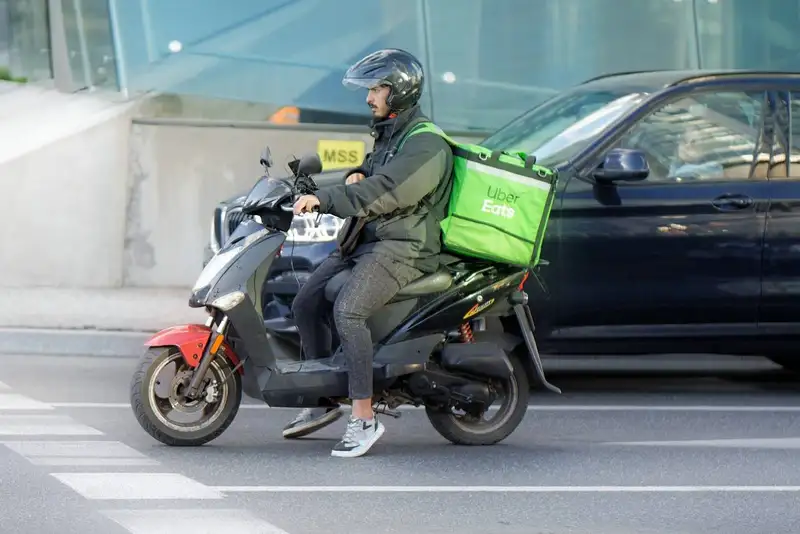
Importance of Food Delivery
The rise in food delivery popularity has been driven by several factors, including the proliferation of smartphones, the growing use of mobile apps, and the influence of social media on dining choices. Customers now expect their favorite meals to be delivered to their doorstep with just a few taps on their phones. This convenience has not only increased customer satisfaction but has also opened up new revenue streams for restaurants.
At the heart of this transformation is technology. Technological advancements have revolutionized the way food delivery services operate, making the process more efficient, reliable, and scalable. From online ordering platforms to mobile apps and automated systems, technology has played a pivotal role in reshaping the food delivery landscape. Restaurant owners who embrace these technological innovations can enhance their service offerings, improve operational efficiency, and ultimately boost their bottom line.
This article aims to explore the latest technological advancements in the food delivery industry and how restaurant owners can leverage these tools to enhance their delivery services. By understanding and implementing these technologies, restaurant owners can stay competitive in an increasingly digital market, meet customer expectations, and drive long-term success. Whether you are a small independent restaurant or part of a larger chain, embracing technology in food delivery is no longer optional it's essential for thriving in today's market.
The Evolution of Food Delivery Technology
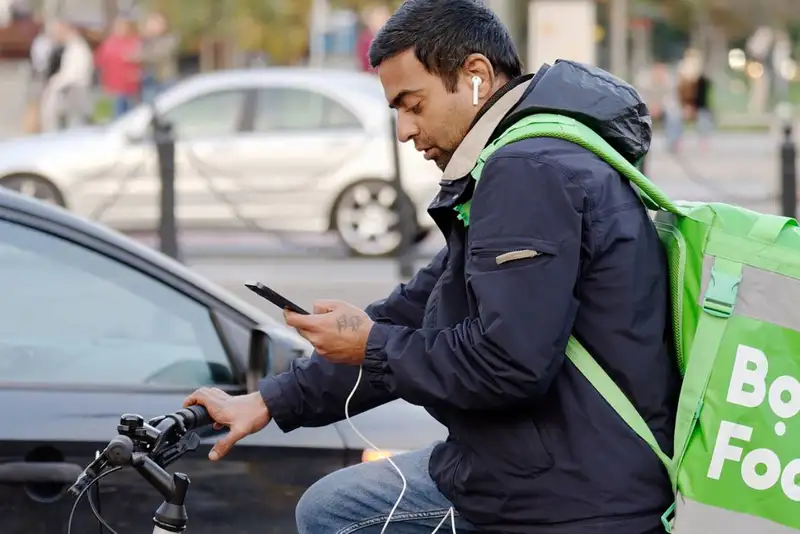
The first significant milestone in food delivery technology came with the introduction of online ordering systems in the early 2000s. These platforms allowed customers to browse menus and place orders directly through restaurant websites, eliminating the need for phone calls and reducing the chances of errors. As internet access became more widespread, these systems gained popularity, offering customers the convenience of ordering from their computers.
The next major leap occurred with the advent of mobile apps. As smartphones became ubiquitous, food delivery apps like Grubhub, UberEats, and DoorDash revolutionized the industry. These apps not only simplified the ordering process but also introduced features such as real-time order tracking, estimated delivery times, and integrated payment systems. Customers could now order food from their favorite restaurants with just a few taps, greatly enhancing convenience and expanding the reach of delivery services.
Another pivotal development in food delivery technology is the integration of artificial intelligence (AI) and automation. AI-driven algorithms help optimize delivery routes, predict customer preferences, and even power chatbots for customer service. Automation has also enabled faster and more accurate order processing, reducing wait times and improving the overall customer experience.
Today, food delivery technology continues to evolve, with innovations like drone deliveries and AI-powered kitchens on the horizon. These advancements promise to further streamline operations, reduce costs, and provide even greater convenience for customers, solidifying the role of technology as a driving force in the future of food delivery.
Accept, Process, and Profit with Ease!
Streamline Your Online Orders with Altametrics
Online Ordering Platforms
One of the key features of modern online ordering platforms is their user-friendly interface, which allows customers to easily navigate through a restaurant's menu and make selections without confusion. These platforms often include features like real-time inventory updates, which ensure that customers can only order items that are currently available, and customization options that let customers tailor their orders to their specific preferences. Integrated payment processing is another essential feature, allowing customers to pay securely online, which not only speeds up the transaction process but also reduces the need for physical cash handling.
Integrating an online ordering system into a restaurant's operations offers numerous benefits. First and foremost, it streamlines order fulfillment by automating much of the process. Orders placed online are directly sent to the kitchen, minimizing the chances of miscommunication or mistakes that can occur with manual entry. This leads to faster and more accurate preparation, enhancing customer satisfaction. Additionally, online ordering platforms often come with built-in analytics tools that provide valuable insights into customer preferences, peak ordering times, and popular menu items, allowing restaurant owners to make data-driven decisions that can boost sales and efficiency.
When choosing the right online ordering platform, restaurant owners should consider several key factors. Compatibility with existing point-of-sale (POS) systems is crucial, as seamless integration can prevent disruptions in order management. The platform should also offer customizable options to reflect the restaurant's brand and unique offerings. Additionally, it's important to assess the platform's scalability choosing a system that can grow with your business ensures that you won't need to switch platforms as your restaurant expands. Finally, considering the cost structure, including any transaction fees or subscription costs, is essential to ensure the platform is financially viable for the long term.
By selecting the right online ordering platform, restaurant owners can enhance their operations, increase customer satisfaction, and ultimately drive growth in the increasingly competitive food service industry.
Mobile App Integration
The importance of mobile apps in the food delivery ecosystem cannot be overstated. With a mobile app, restaurants can offer customers a fast, easy, and personalized way to order food. Unlike web-based platforms or third-party delivery services, a restaurant-specific app provides a direct line of communication between the restaurant and its customers. This direct connection allows restaurants to tailor their offerings, send personalized promotions, and gather valuable data on customer preferences and ordering habits. As a result, mobile apps help restaurants build stronger relationships with their customers, fostering loyalty and encouraging repeat business.
A well-designed restaurant-specific app enhances customer convenience by simplifying the ordering process. Customers can browse the menu, customize their orders, and make payments all within the app, often with just a few taps. Features like order history, which allows customers to quickly reorder their favorite meals, and push notifications, which alert customers to special deals or promotions, add layers of convenience that keep users engaged. Additionally, loyalty programs integrated into the app can reward frequent customers, further incentivizing them to order directly from the restaurant rather than through third-party platforms.
To ensure maximum efficiency, there are several key features that a mobile ordering app should include. A user-friendly interface is paramount, as it directly impacts the ease with which customers can navigate the app and place orders. Real-time order tracking allows customers to see exactly when their food will arrive, reducing uncertainty and enhancing the overall experience. Secure payment processing options are also essential, providing customers with a range of payment methods while ensuring their information is protected. Additionally, the app should integrate seamlessly with the restaurant's existing point-of-sale (POS) system to ensure smooth order fulfillment and inventory management.
Incorporating these features into a mobile app not only improves the customer experience but also boosts operational efficiency, making it a vital tool for any restaurant looking to thrive in today's digital-driven food service industry.
Automation and AI in Food Delivery

AI-driven solutions are adding another layer of sophistication to food delivery operations. One prominent example is the use of chatbots for taking orders. These AI-powered virtual assistants can interact with customers in real-time, answering questions, providing menu recommendations, and processing orders without human intervention. Chatbots are available 24/7, making it easier for customers to place orders at any time, which can lead to increased sales and customer satisfaction. Furthermore, AI-driven systems can learn from customer interactions, improving their responses over time and providing a more personalized ordering experience.
Another significant application of AI in food delivery is route optimization. AI-powered algorithms can analyze traffic patterns, weather conditions, and other variables to determine the most efficient delivery routes. This ensures that food reaches customers faster, while also reducing fuel costs and minimizing the environmental impact of delivery operations. By optimizing delivery routes, AI can help restaurants meet customer expectations for timely service, which is crucial for maintaining a competitive edge.
The potential impact of AI on reducing labor costs and improving accuracy is substantial. With AI handling routine tasks, restaurants can operate with leaner staff while maintaining high service standards. Additionally, the precision of AI systems reduces the likelihood of mistakes, leading to fewer order errors and returns, which ultimately improves customer satisfaction and loyalty. As automation and AI continue to advance, they are set to become indispensable tools for restaurants looking to thrive in the evolving food delivery landscape.
From Click to Kitchen
Handle All Your Online Orders with Altametrics
POS System Integration
One of the key advantages of integrating POS systems with online ordering platforms is the seamless flow of data between front-of-house and back-of-house operations. This integration ensures that every aspect of the order, from the time it is placed to when it is delivered, is tracked and managed efficiently. For example, when an order is received online, the POS system immediately updates inventory levels, helping the kitchen staff stay on top of ingredient availability and preventing stockouts. Simultaneously, the front-of-house team can monitor order status in real-time, providing customers with accurate updates and improving overall service quality.
When selecting a POS system that supports delivery, there are several key features to consider. First, the system should offer robust integration capabilities with various online ordering platforms to ensure flexibility and ease of use. Real-time inventory management is another crucial feature, as it allows the system to automatically adjust stock levels based on orders, reducing waste and ensuring that customers only order items that are available. Additionally, the POS system should support delivery management features, such as route optimization and driver tracking, to help streamline the delivery process and improve efficiency.
A well-integrated POS system not only simplifies order management but also enhances the overall efficiency of restaurant operations. By ensuring a smooth flow of information and automating key processes, restaurants can improve accuracy, reduce waste, and provide a better customer experience, all of which are critical for success in the competitive food delivery market.
Third-Party Delivery Partnerships and Technology
For restaurant owners, partnering with third-party delivery services presents a significant opportunity to increase sales and expand market reach. However, it's crucial to leverage these platforms effectively while maintaining control over the customer experience. One way to achieve this balance is by carefully managing the quality and presentation of the food that is sent out for delivery. Restaurants can ensure that their packaging maintains food quality during transit, keeping dishes fresh and presentable upon arrival. Additionally, providing clear instructions and communication with delivery drivers can help preserve the intended customer experience.
Another critical aspect is the integration of third-party delivery technology with in-house systems. This integration allows for seamless communication between the restaurant's point-of-sale (POS) system and the delivery platform, ensuring that orders are processed quickly and accurately. By linking these systems, restaurants can avoid the pitfalls of manual entry, such as order errors or delays, which can negatively impact customer satisfaction. Integration also enables real-time inventory updates, preventing customers from ordering items that are out of stock and reducing the risk of disappointed diners.
Moreover, restaurants can use data from third-party platforms to gain insights into customer preferences, peak ordering times, and sales trends. This information can inform menu adjustments, promotional strategies, and operational improvements, helping restaurants optimize their delivery offerings. By strategically partnering with and integrating third-party delivery technology, restaurant owners can capitalize on the benefits of these platforms while retaining control over their brand and customer experience.
Future Trends in Food Delivery Technology
Another transformative trend is the increasing use of artificial intelligence (AI) in customer service. AI-powered chatbots and virtual assistants are becoming more sophisticated, capable of handling complex customer interactions with ease. These systems can take an online food order, answer questions about menu items, and even suggest additional purchases based on previous orders or current promotions. As AI technology continues to improve, it will enable restaurants to offer personalized customer experiences at scale, enhancing satisfaction and fostering loyalty.
For restaurant owners looking to future-proof their delivery services, there are several key considerations to keep in mind. First, it's essential to stay informed about technological advancements and assess how they could be integrated into existing operations. For example, while drone delivery may not be feasible for every restaurant today, understanding the technology and its potential applications could provide a competitive edge in the near future. Similarly, investing in AI-driven customer service tools can help streamline operations and reduce labor costs, making it easier to scale delivery services as demand grows.
Additionally, restaurants should consider the importance of data security and customer privacy as they adopt new technologies. Ensuring that online food order systems and other digital platforms are secure will be crucial for maintaining customer trust and complying with increasingly stringent data protection regulations.
In conclusion, embracing future trends in food delivery technology is not just about staying competitiveit's about driving business success in an increasingly digital world. By adopting emerging technologies like drone delivery and AI-powered customer service, restaurant owners can enhance their delivery services, improve customer satisfaction, and ultimately boost their bottom line. The future of food delivery is bright, and those who are willing to innovate will be well-positioned to thrive.
Online Orders Made Easy
Altametrics Ensures Seamless Processing
Frequently
Asked Questions
How has technology changed the food delivery industry?
How does AI improve food delivery services?
What role does POS system integration play in food delivery?
How do mobile apps contribute to customer loyalty?
Must-Read Content
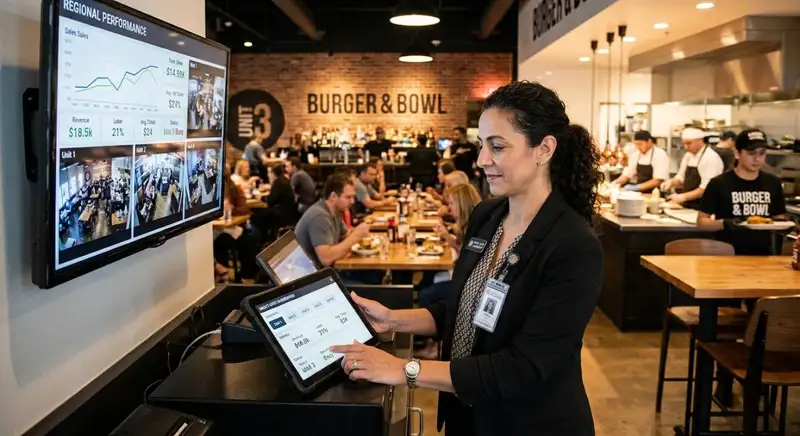
How AI Is Transforming Multi-Unit Restaurant Management
AI helps multi-unit restaurant operators forecast demand, optimize labor, detect anomalies, ensure consistency, refine menus and pricing, and adopt tools gradually, freeing managers to focus on hospitality.

Restaurant ERP Explained - What It Is, How It Works, and Its Benefits
Restaurant ERP connects essential operations, improves cost control, centralizes business information, streamlines workflows, and helps owners make informed management decisions.

10 Benefits of All-in-One Restaurant Management Software
All-in-one restaurant management software streamlines operations, improves communication, reduces administrative work, controls costs, strengthens workforce management, and supports informed business decisions.

