




Importance of an Online Payroll Service
For restaurant owners, staying on top of these responsibilities can detract from time spent on core operations, such as improving customer experience or growing the business. Manually managing payroll is not only inefficient but also increases the risk of inaccuracies, creating unnecessary stress and administrative burdens.
An online payroll service tailored to the restaurant industry provides an effective solution. These systems are designed to address the unique needs of restaurants, offering features such as automated tip tracking, compliance monitoring, and seamless integration with point-of-sale (POS) systems. By streamlining payroll management, restaurant owners can ensure accuracy, save valuable time, and maintain compliance with evolving regulations. Leveraging an online payroll service not only simplifies operations but also empowers restaurant owners to focus on what matters most - delivering exceptional dining experiences.
Automated Payroll Processing

One of the standout features of automated payroll systems is their ability to handle complex pay structures seamlessly. Restaurants often deal with a mix of regular pay, overtime, and variable pay elements like tips and bonuses. Automated systems ensure these are calculated accurately, adhering to labor laws and accounting for any special considerations, such as state-mandated overtime rules or tip credits. This precision ensures employees are paid fairly and on time, fostering trust and morale among staff.
Scheduled payroll runs are another critical benefit of automation. With a reliable system in place, restaurant owners can set up recurring payroll schedules, eliminating the need for last-minute rushes or manual reminders. Employees receive their paychecks consistently, which is essential for maintaining satisfaction and retention, especially in a high-turnover industry like restaurants.
Additionally, automated systems often include direct deposit options, reducing the reliance on paper checks and simplifying payment distribution. This not only saves time but also aligns with the preferences of modern employees, who value convenience and accessibility.
Experience a Hassle-free Payroll Processing
Streamline Your Payroll Process with Symply
Tip Tracking and Distribution
Tip pooling involves collecting tips earned by employees and distributing them according to predetermined rules. This can include sharing among waitstaff, bartenders, and other back-of-house employees. An online payroll system ensures that these calculations are performed accurately, saving managers the time and effort of manual distribution. Similarly, for splitting tips, the software can allocate tips proportionately based on criteria such as hours worked, roles, or sales percentages, ensuring fairness across the team.
Compliance with tip reporting regulations is another crucial responsibility for restaurant owners. Federal and state laws require accurate reporting of tips for tax purposes, and failing to comply can lead to audits or penalties. Online payroll services automate this reporting process, keeping track of declared tips and ensuring they are reflected correctly in employee paychecks and tax filings. Additionally, these systems help maintain compliance with minimum wage laws by ensuring that tipped employees' combined wages meet legal requirements.
The accuracy of online payroll services eliminates errors that can lead to employee dissatisfaction or disputes. Employees can access detailed breakdowns of their earnings, including tips, fostering transparency and trust.
By automating tip tracking and distribution, online payroll services alleviate the administrative burden on restaurant owners and managers. These systems ensure compliance, enhance transparency, and streamline payroll processes, enabling owners to focus more on operations and less on navigating the complexities of tip management. This ultimately leads to a more harmonious and efficient workplace.
Compliance with Wage Laws
One critical feature of these systems is automatic updates for wage laws. Minimum wage rates, overtime rules, and other labor regulations vary significantly depending on location and often change. Online payroll services track these changes in real time, ensuring that restaurant owners remain compliant without needing to constantly monitor legislative updates. This is particularly important for restaurants operating in multiple jurisdictions with differing wage requirements.
Restaurants must also navigate special cases, such as tipped employee wages. In many regions, tipped employees can be paid a lower base wage as long as their combined tips and wages meet or exceed the minimum wage. Online payroll systems automatically calculate this to ensure compliance with tip credit laws. They also manage service charges, differentiating them from tips and handling their allocation according to legal guidelines.
Another area of complexity is overtime. Restaurants often rely on employees working irregular schedules, making overtime calculations a common concern. Online payroll services ensure that these calculations adhere to labor laws, including time-and-a-half requirements and varying thresholds for overtime eligibility.
By automating compliance, these services provide peace of mind to restaurant owners, allowing them to focus on operations rather than payroll intricacies. Moreover, accurate wage compliance fosters employee trust, as staff can feel confident they are being paid fairly and legally. Online payroll systems ultimately serve as a safeguard, ensuring that restaurants meet their legal obligations while maintaining an efficient and harmonious workplace.
Integration with Restaurant POS Systems
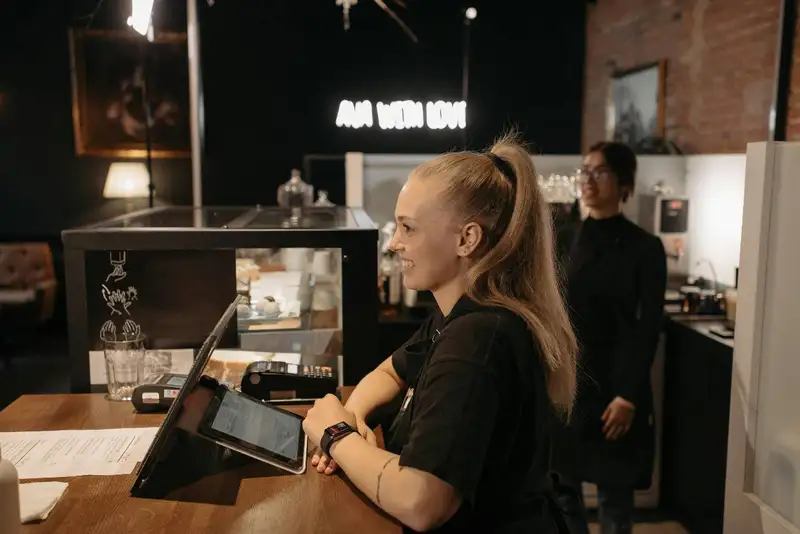
One of the primary benefits of integration is real-time tracking of employee hours worked. POS systems already record employee clock-ins, clock-outs, and shift durations. When synced with payroll, this data is automatically transferred, eliminating the need to manually input hours into a separate system. This ensures precise calculations of regular and overtime pay, adhering to labor laws and reducing payroll discrepancies.
Integration also simplifies tip management. Most POS systems track tips collected during shifts, whether through credit card payments or cash declarations. When linked with payroll, this information flows directly into the system, automating tip reporting and distribution. This ensures compliance with tax regulations and guarantees employees receive their earnings promptly and accurately.
The streamlined data flow from POS to payroll is particularly beneficial for restaurants with complex staffing structures. Employee roles, pay rates, and hours worked are automatically updated, reducing administrative burdens. Adjustments for special cases, such as split shifts or shift differentials, are also handled seamlessly.
Furthermore, integration allows managers to generate detailed reports that combine sales, labor, and payroll data. These insights can be used to optimize staffing levels, control labor costs, and identify inefficiencies.
Easier Way to Prepare Payroll
Seamless Payroll Processing with Symply
Tax Filing and Reporting
One of the most significant advantages of using an online payroll service is automated tax calculation. These systems account for federal, state, and local tax rates, ensuring accurate deductions for Social Security, Medicare, and unemployment taxes. They also factor in state-specific requirements, such as state income taxes or additional employer obligations, reducing the chance of costly errors.
Online payroll services also simplify the preparation and distribution of essential forms, including W-2s for employees and 1099s for contractors. These systems automatically generate and distribute these forms at year-end, ensuring compliance with tax laws and saving valuable time during tax season. They also store records securely, making it easy to retrieve information for audits or employee requests.
Staying ahead of tax deadlines is another critical feature of these services. Late or incorrect filings can result in penalties, audits, and damage to a business's reputation. Online payroll systems send reminders and automate the filing of tax forms and payments, ensuring timely compliance. Many platforms also provide access to detailed tax reports, offering a transparent view of all filings and payments.
Mobile Accessibility
One of the key benefits of mobile payroll management is the flexibility it provides. Restaurant operations are fast-paced, and unexpected issues can arise at any time. Mobile apps let managers review payroll data, approve payments, and handle last-minute adjustments on the go. Whether it's correcting time-card discrepancies, processing bonuses, or updating employee information, these tasks can be completed seamlessly from a smartphone or tablet.
In addition to empowering managers, mobile apps often include employee self-service portals. These portals enable staff members to access their pay stubs, tax documents, and direct deposit details at their convenience. Employees can view their earnings history, download W-2 or 1099 forms, and update personal information like bank account details - all without needing to contact HR or management. This not only saves time but also enhances transparency and employee satisfaction.
Mobile payroll solutions also offer robust security features to ensure sensitive data remains protected. Biometric logins, encrypted connections, and multi-factor authentication safeguard payroll information, giving restaurant owners peace of mind while managing payroll remotely.
Another advantage is the ability to receive notifications and alerts. Mobile apps can send reminders for upcoming payroll deadlines, tax filing dates, or discrepancies that need attention. This ensures that critical tasks are completed on time, reducing the risk of delays or errors.
Scalability for Growth
Restaurants with multiple locations often deal with diverse pay structures and employee classifications. For example, one location may employ more tipped staff, while another relies heavily on hourly workers or salaried managers. A scalable payroll system can accommodate these differences seamlessly, automating calculations for regular pay, tips, overtime, and bonuses while ensuring compliance with labor laws across regions. Additionally, it can handle variations in tax rates and reporting requirements for different states or localities.
As staff numbers grow, manual payroll processes become unsustainable. A scalable payroll system can manage an increasing volume of employee data without compromising accuracy or efficiency. From onboarding new hires to processing payroll for hundreds of employees, these systems ensure that operations remain smooth regardless of staff size.
For restaurants planning to expand into new locations, a scalable payroll system simplifies the transition. It can integrate easily with new POS systems, track hours and tips across locations, and generate consolidated reports. This provides restaurant owners with a unified view of labor costs, helping them make informed decisions as they scale their operations.
Furthermore, scalable payroll systems often offer advanced analytics and reporting features. These tools allow owners to identify trends, control labor costs, and optimize staffing levels across multiple locations. By providing insights into workforce performance and expenses, scalable payroll solutions support strategic growth.
Employee Self-Service Tools
One of the most valuable self-service features is direct deposit setup. Employees can enter or update their banking information securely through an online portal, ensuring that their wages are deposited promptly into the correct accounts. This eliminates the need for paper checks and manual updates, streamlining the payment process for both employees and management.
Access to digital pay stubs and tax documents is another significant benefit of self-service tools. Employees can view their earnings history, download pay stubs for personal records, and retrieve W-2 or 1099 forms at tax time. This level of access not only reduces the need for administrative assistance but also fosters transparency, as employees can independently verify their earnings and deductions.
Self-service tools also allow employees to update personal information, such as mailing addresses or contact details, directly within the system. This feature ensures that records are accurate and up-to-date without requiring managers to intervene, saving time and preventing errors.
The convenience and accessibility of self-service tools enhance employee satisfaction by providing a sense of autonomy and transparency. Employees appreciate the ability to handle payroll-related matters at their convenience, whether accessing the system through a desktop or mobile app. This reduces frustration and builds trust, as employees have real-time access to their payroll data.
For restaurant owners, these tools significantly reduce the administrative workload. Managers spend less time on routine tasks like distributing pay stubs or updating employee details, freeing them to focus on operations and customer service.
In summary, employee self-service tools are a win-win for restaurant owners and their teams. They streamline payroll processes, empower employees with easy access to important information, and enhance satisfaction through transparency and convenience, creating a more efficient and harmonious workplace.
Effortlessly Manage Payroll
Simplify Your Payroll Process with Symply!
Frequently
Asked Questions
How does an online payroll service handle tip tracking and distribution?
How does POS integration improve payroll processing?
How do mobile apps enhance payroll management for restaurant owners?
What security measures do online payroll services offer?
Must-Read Content
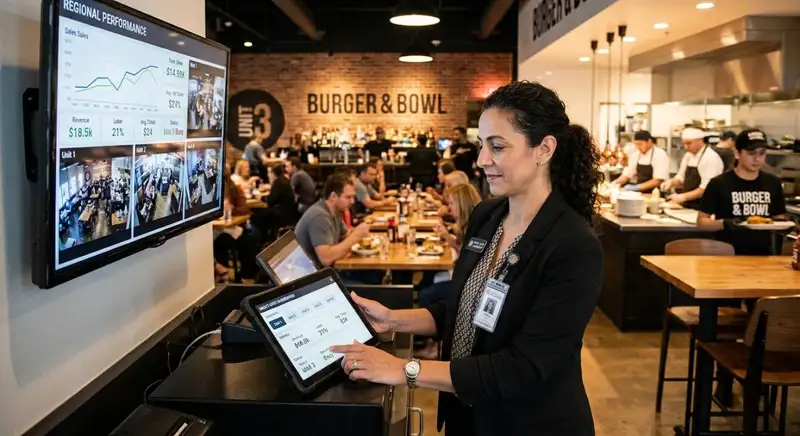
How AI Is Transforming Multi-Unit Restaurant Management
AI helps multi-unit restaurant operators forecast demand, optimize labor, detect anomalies, ensure consistency, refine menus and pricing, and adopt tools gradually, freeing managers to focus on hospitality.

Restaurant ERP Explained - What It Is, How It Works, and Its Benefits
Restaurant ERP connects essential operations, improves cost control, centralizes business information, streamlines workflows, and helps owners make informed management decisions.

10 Benefits of All-in-One Restaurant Management Software
All-in-one restaurant management software streamlines operations, improves communication, reduces administrative work, controls costs, strengthens workforce management, and supports informed business decisions.

