




The Cost of Food Waste in QSRs
The causes are familiar - inconsistent traffic, poor tracking, expired stock, and human error during prep. But while these problems feel inevitable in a fast-paced environment, they're not unsolvable.
That's where the perpetual inventory method comes in. Unlike traditional systems that rely on occasional stock counts, perpetual inventory offers real-time visibility - helping QSRs make smarter decisions, reduce waste, and protect their margins.
Overview of Perpetual Inventory Method

Unlike the periodic inventory method, where stock is counted manually at set intervals (usually weekly or monthly), the perpetual method offers continuous, up-to-date data. This is typically achieved by integrating your point-of-sale (POS) system, kitchen display system, and inventory software. When an order is rung up, the system automatically deducts the associated ingredients from your inventory count. Likewise, when a shipment of goods is received, quantities are instantly updated.
This real-time visibility enables QSR owners to make faster, more accurate decisions about purchasing, prep levels, and portioning. For example, if your system shows that you're running low on shredded cheese by mid-week, you can reorder immediately - avoiding the rush-hour panic of being out of stock. On the flip side, if your prep team knows exactly how much chicken you have on hand, they're less likely to over-portion or prep more than needed.
The perpetual inventory method also helps identify waste patterns, such as frequent overuse of ingredients, unrecorded losses, or consistent spoilage. By pinpointing exactly where and when items are used, lost, or wasted, QSRs can take corrective action quickly - whether it's retraining staff, adjusting prep schedules, or tightening up receiving procedures.
Get Accurate Inventory Valuations
Manage Your Workforce with Altametrics
Inventory Blind Spots and Waste
When restaurant owners and managers can't see in real time what ingredients are on hand, what's about to expire, or what's being used faster than expected, decisions become reactive instead of strategic. You may find yourself overordering just to be safe, prepping too much just in case, or throwing out expired stock because it was buried in the back of the cooler and forgotten. Each of these decisions feels minor at the moment - but over time, they add up to thousands of dollars in wasted product.
This is where traditional inventory systems fall short. A once-a-week count might tell you what you have today, but it doesn't reflect what you had yesterday or how fast it's moving. Without up-to-date data, it's almost impossible to identify trends or spot waste before it happens.
The perpetual inventory method eliminates these blind spots by offering a real-time, detailed view of your inventory. This empowers managers to track ingredient usage down to the item level and identify discrepancies immediately. For example, if your perpetual system shows you should have 20 pounds of ground beef but your prep team only finds 15, you know there's a problem - whether it's overuse, shrinkage, or a receiving error.
Real-time inventory also strengthens order management. With current data, you can place more accurate orders, avoid duplicate deliveries, and reduce the chance of overstocking perishable items that will never make it to a plate. Instead of just-in-case ordering, you move toward just-in-time precision.
By eliminating guesswork and increasing control, perpetual inventory doesn't just help you see where waste is happening - it gives you the tools to prevent it altogether.
Real-Time Tracking = Better Forecasting
One of the most powerful advantages of the perpetual inventory method is how it enhances your ability to forecast demand accurately. When inventory data is updated in real time, you're not working off outdated numbers or last week's guess - you're using the most current, accurate picture of what's being used and when. This level of precision gives you a clearer understanding of consumption patterns, which is key to better forecasting.
Imagine having the ability to review the past 30 days and see that your grilled chicken wrap sales spike every Wednesday and taper off on Mondays. With perpetual inventory, this kind of pattern becomes visible - allowing you to adjust prep schedules and inventory orders accordingly. Prep teams can cut exactly what's needed for each shift, reducing the likelihood of overproduction or spoilage.
This kind of data-driven forecasting also helps with labor planning and kitchen efficiency. When you know what products are in high demand and when, you can ensure the right team is on hand to handle volume without overstaffing. It's not just about reducing waste - it's about making every part of the operation leaner and smarter.
In contrast, without real-time tracking, most forecasting is little more than educated guesswork. That often leads to erratic ordering, inconsistent food prep, and costly waste.
By providing up-to-the-minute insights, the perpetual inventory method transforms forecasting from a gamble into a calculated strategy - giving QSR owners a powerful edge in both cost control and customer satisfaction.
Reducing Spoilage
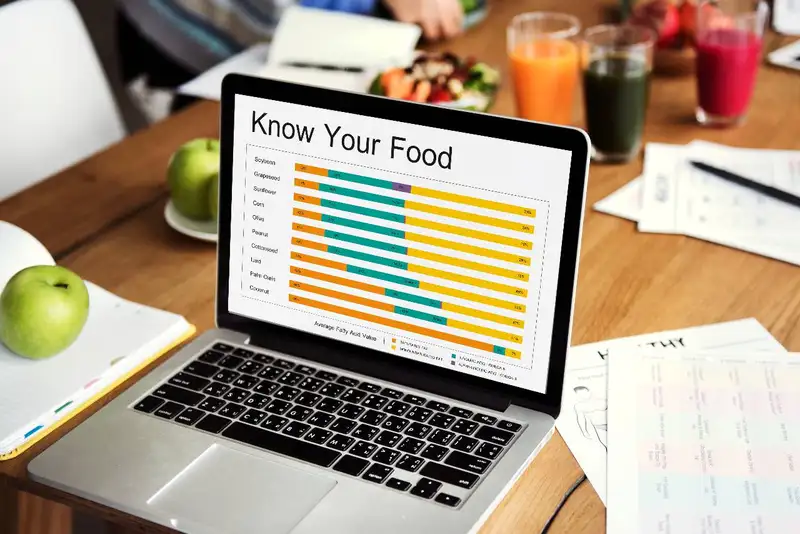
The perpetual inventory method plays a key role in reducing spoilage by helping QSRs manage stock rotation and expiry tracking far more efficiently. When inventory is tracked in real time, it's much easier to apply the FIFO (First In, First Out) principle. Staff can quickly see which items were received first and should be used next, avoiding the common mistake of grabbing whatever is most accessible.
What makes this even more powerful is when perpetual systems include automated alerts.These alerts can be configured to notify staff when items are approaching their expiration date, when certain ingredients haven't moved in a set number of days, or when usage patterns suddenly change. For example, if you're consistently seeing that a case of tomatoes is expiring before it's fully used, the system can highlight this trend - allowing you to adjust your ordering or prep routines.
These timely notifications turn inventory management from a reactive chore into a proactive safeguard. Rather than discovering spoiled food during a deep clean or weekly inventory count, you can catch potential issues before they lead to waste.
Additionally, integrating expiration data with your POS system can help flag products that need to be moved quickly. If cheese is nearing expiration, for instance, you might run a temporary menu special to move excess product without taking a loss.
Ultimately, by combining real-time data with smart alerts and better rotation habits, perpetual inventory systems reduce spoilage significantly - freeing up both shelf space and operating budget for what really matters- serving customers fresh, high-quality meals.
Transform Your Restaurant Operations Now!
Effortless Inventory Tracking with Altametrics!
Empowering Staff with Data
When staff have access to accurate inventory data, they no longer have to rely on guesswork or assumptions. For example, a line cook who knows exactly how many pounds of chicken are left can better pace food prep, reducing both overproduction and last-minute shortages. This clarity helps reduce stress during busy shifts, because employees can focus on delivering great food rather than scrambling to make it work.
Beyond the kitchen, managers and supervisors benefit from detailed inventory reports generated automatically by perpetual systems. These reports show daily usage, shrinkage, and waste, helping managers identify patterns and problem areas quickly. For instance, if one shift consistently uses more sauce packets than expected, a manager can investigate whether it's a prep error, theft, or an inefficient process.
Importantly, sharing this data with your staff fosters a culture of shared accountability. When everyone understands how waste impacts the bottom line - and can see their role in controlling it - it encourages more thoughtful handling of inventory and ingredients. This team-wide transparency reduces finger-pointing and creates a proactive environment focused on continuous improvement.
Training becomes easier too. New hires can be onboarded with systems that clearly show inventory levels and prep needs, rather than relying on verbal instructions or manual counts. This reduces errors and helps new employees become productive faster.
Waste Reduction = Margin Growth
Cutting food waste by even a modest amount can have an outsized impact on your margins. Consider this- If your QSR generates $1 million in annual food sales and your waste runs at 8%, that's $80,000 lost every year. Reducing that waste by half through better inventory management means reclaiming $40,000 in savings - money that can be reinvested in marketing, staff training, or even new equipment.
The perpetual inventory method helps you achieve these savings by providing continuous insight into inventory levels and usage trends. With this real-time visibility, you can prevent overordering, spot discrepancies quickly, and reduce spoilage. This tighter control translates into lower food costs, improved cash flow, and a healthier profit margin.
Moreover, these savings aren't just theoretical. Many QSRs that adopt perpetual inventory systems report a 2% to 5% drop in food costs within the first few months. Over time, this margin improvement compounds and becomes a sustainable competitive advantage.
Beyond cost savings, reducing waste improves operational efficiency. Less spoiled food means fewer emergency orders, less stress on kitchen staff, and smoother day-to-day operations. It also aligns with growing consumer demand for sustainability, enhancing your brand reputation.
Getting Started Without Overwhelm
Start by digitizing your daily inventory counts. If you're still relying on pen-and-paper or sporadic manual counts, switching to a digital system - even a simple spreadsheet linked to your POS - can create immediate visibility into stock levels. This foundational step helps you build accurate records that you can trust.
Next, work on integrating your inventory system with your POS or kitchen management software. Many modern QSR POS systems offer built-in inventory tracking or easy add-ons that update stock in real time as sales occur. This integration is the backbone of the perpetual inventory method, giving you continuous updates without extra work from your staff.
Set up low-stock and expiry alerts to prevent unexpected shortages and reduce spoilage. These notifications can be tailored to your busiest menu items or ingredients with shorter shelf lives, helping your team prioritize what needs to be used first or reordered.
Importantly, train your staff gradually to use these new tools and understand why accurate inventory tracking matters. Empower them by showing how their efforts help reduce waste, prevent shortages, and protect the restaurant's profitability. Engaged employees are more likely to adopt new systems enthusiastically.
Remember, the goal isn't perfection overnight - it's building a culture of visibility and control that grows over time. By taking these practical steps, you'll gradually reduce waste, improve order management, and boost margins without overwhelming your team.
In the world of quick service restaurants, visibility is power. The perpetual inventory method offers that visibility, turning inventory from a frustrating unknown into a powerful tool for success.
Efficient Ordering at Your Fingertips
Experience Flawless Inventory Management with Altametrics
Frequently
Asked Questions
Can the perpetual inventory method improve forecasting?
What role do alerts play in reducing spoilage?
How does the perpetual inventory method help with compliance and reporting?
How can perpetual inventory improve supplier relationships?
Must-Read Content
How AI Is Transforming Multi-Unit Restaurant Management
AI helps multi-unit restaurant operators forecast demand, optimize labor, detect anomalies, ensure consistency, refine menus and pricing, and adopt tools gradually, freeing managers to focus on hospitality.

Restaurant ERP Explained - What It Is, How It Works, and Its Benefits
Restaurant ERP connects essential operations, improves cost control, centralizes business information, streamlines workflows, and helps owners make informed management decisions.

10 Benefits of All-in-One Restaurant Management Software
All-in-one restaurant management software streamlines operations, improves communication, reduces administrative work, controls costs, strengthens workforce management, and supports informed business decisions.

