
Streamlining Restaurant Operations with Accounts Receivable Software
In recent years, technology has transformed the way businesses across industries manage their finances. One such innovation is Accounts Receivable Automation, which has revolutionized the way restaurants handle their billing and invoicing processes. By implementing accounts receivable software, restaurant owners can streamline their operations, reduce manual tasks, and improve overall financial health. This software simplifies and automates many of the time-consuming tasks related to managing receivables, ultimately allowing restaurant owners to focus on their core business offerings.
Accounts receivable software plays a crucial role in streamlining restaurant operations by automating various aspects of the billing and collection process. With this technology, restaurants can quickly generate and distribute invoices, track outstanding balances, and improve their collection efforts. Additionally, the software provides valuable insights and data analysis, enabling restaurant owners to make informed decisions and optimize their financial strategies.
The benefits of accounts receivable software go beyond merely improving cash flow. By implementing Accounts Receivable Automation, restaurant owners can save valuable time and resources that would otherwise be spent on manual data entry and reconciliation. This newfound efficiency can help restaurants scale their operations more effectively, ultimately contributing to higher profitability and long-term success.
Effective financial management is paramount for restaurants to thrive in a competitive market. By incorporating accounts receivable software into their operations, restaurant owners can optimize their billing processes, improve cash flow, and make more informed financial decisions. As the industry continues to evolve, adopting Accounts Receivable Automation will undoubtedly prove to be a game-changing investment for restaurants looking to streamline their operations and achieve sustainable growth.
The Basics of Accounts Receivable Software
The primary purpose of accounts receivable software is to simplify and automate the various tasks associated with invoicing, tracking, and collecting payments from customers. By using this software, businesses can ensure that they receive payments in a timely manner, minimize the risk of errors, and gain valuable insights into their financial performance. For restaurants, adopting an Accounts Receivable Automation Software can be particularly beneficial, as it allows them to devote more time and resources to providing exceptional food and service while leaving the complexities of financial management to the software.
Key features and capabilities of Accounts Receivable Management Software include-
Invoice generation and distribution- The software allows restaurants to create and send invoices to customers with ease. Users can choose from a range of customizable templates to create professional-looking invoices, which can then be sent via email or other electronic means.
Payment processing-Accounts receivable software typically supports multiple payment options, enabling customers to pay their bills using their preferred method, such as credit cards or online payment gateways. This feature not only increases convenience for customers but also helps ensure timely payments.
Real-time tracking and reporting- The software provides restaurant owners with real-time visibility into their outstanding balances, enabling them to track the status of each invoice and follow up on overdue payments. This feature is crucial for maintaining healthy cash flow and mitigating potential financial risks.
Collections management- With Accounts Receivable Automation Software, restaurants can automate and optimize their collections efforts, helping to reduce the time spent chasing overdue payments. The software can send automated reminders to customers, prioritize collection efforts based on the age of the invoice, and even track disputes or chargebacks.
Integration with other systems- A significant advantage of accounts receivable software is its ability to integrate seamlessly with other restaurant systems, such as POS and accounting software. This integration streamlines data flow, reduces manual data entry, and ensures accurate financial reporting.
Data analysis and insights- Accounts ReceivableManagement Software offers various reporting and analytics tools, allowing restaurant owners to monitor key performance indicators (KPIs) and make data-driven decisions. This feature enables businesses to identify trends, pinpoint inefficiencies, and optimize their financial strategies.
Accounts Receivable Automation Software is a valuable tool for restaurants looking to streamline their financial management processes. By implementing this software, businesses can improve cash flow, reduce manual labor, and gain valuable insights into their financial performance. As the restaurant industry continues to evolve, leveraging Accounts ReceivableManagement Software will be an essential component of a successful and efficient operation.
Have a Peace of Mind with Your Financials
Simplify Sales Tracking and Payment Processing with Altametrics
Improved Billing and Invoicing
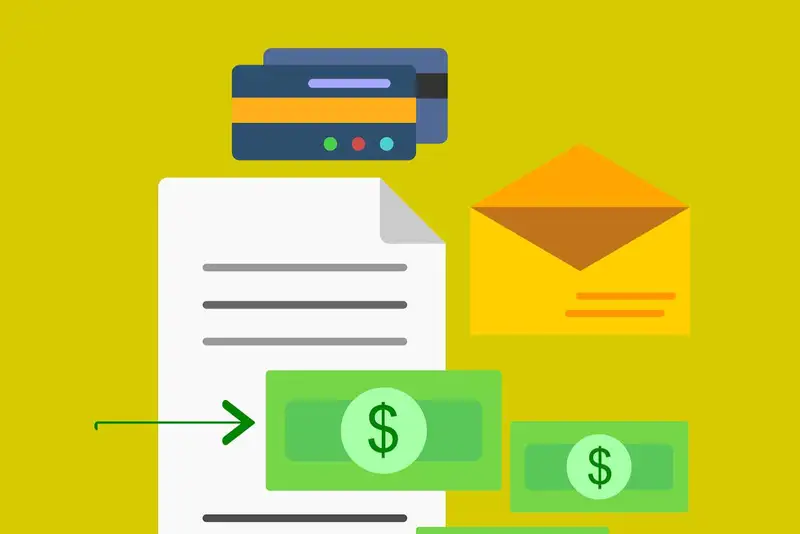
With Accounts Receivables Software, restaurant owners can automate the creation and distribution of invoices, saving valuable time and resources. The software allows for the input of essential billing information, such as customer details, services rendered, and pricing, which it then uses to generate accurate invoices automatically. Once created, these invoices can be sent directly to customers via email or other electronic means, reducing the need for manual intervention and minimizing the likelihood of errors or delays.
Presentation is crucial in the restaurant business, and this extends to invoicing as well. Accounts Receivables Software offers customizable invoice templates, enabling restaurant owners to create professional-looking invoices that align with their brand identity. These templates can be tailored to include the restaurant's logo, color scheme, and other design elements, ensuring that invoices reflect the desired image and make a positive impression on customers. In addition, many software options provide support for multiple languages and currencies, making it suitable for restaurants that cater to a diverse clientele or operate in multiple locations.
Effective management of outstanding invoices is critical for maintaining a healthy cash flow and mitigating financial risks. Accounts Receivables Software streamlines this process by providing real-time visibility into outstanding balances, making it easy for restaurant owners to track the status of each invoice and follow up on overdue payments. The software also enables users to prioritize collection efforts based on the age of the invoice, ensuring that resources are allocated efficiently and that overdue payments are addressed promptly.
Furthermore, Accounts Receivables Software offers a centralized platform for managing disputes or chargebacks, allowing restaurant owners to resolve issues quickly and maintain positive relationships with their customers. By automating and optimizing these processes, Accounts Receivables Software helps restaurants maintain control over their finances, ultimately contributing to long-term success.
Implementing Accounts Receivables Software in the restaurant industry leads to significant improvements in billing and invoicing processes. From automating invoice creation and distribution to offering customizable templates and efficient tracking of outstanding invoices, this software streamlines financial management and frees up valuable time and resources for restaurant owners to focus on providing exceptional food and service to their customers.
Enhanced Cash Flow Management
Accounting software, such as Sage Intacct, is an essential tool for small businesses that want to manage their cash flow more effectively. One of the key benefits of using accounting software is faster payment processing. With the right accounts receivable software, businesses can automate invoicing, track payments, and get paid faster. This means businesses can reduce their days sales outstanding (DSO), which is the time it takes to collect payment after a sale. Faster payment processing leads to a healthier cash flow, which is essential for business growth.
Another benefit of accounting software is real-time visibility into outstanding balances. With accounts receivable software, businesses can see which invoices are outstanding and how long they've been outstanding. This information can help businesses make informed decisions about collections and cash flow management. By having real-time visibility into outstanding balances, businesses can take proactive measures to reduce DSO and improve cash flow.
In addition to faster payment processing and real-time visibility, accounting software also provides improved collections and dispute resolution. With the right tools, businesses can automate collections, send reminders, and track disputes. This helps businesses get paid faster and reduces the likelihood of disputes. By having a streamlined collections process, businesses can improve their cash flow and reduce the amount of time and resources spent on collections.
Accounting software is a critical tool for small businesses that want to manage their cash flow more effectively. With faster payment processing, real-time visibility into outstanding balances, and improved collections and dispute resolution, businesses can improve their cash flow and make informed decisions. Sage Intacct is one accounting software that offers these benefits and more. With Sage Intacct, businesses can automate their financial processes, gain real-time insights, and make data-driven decisions. By using Sage Intacct, small businesses can focus on growth and success, instead of spending time on manual financial processes.
Integration with Other Restaurant Systems
Real-time integration between management software, point-of-sale (POS) systems, and accounting software can provide significant benefits to small businesses. Integration between these systems enables a more efficient and streamlined process, reducing the risk of errors and miscommunications.
One area where integration is particularly important is in accounts payable and receivable. By integrating with accounts payable software, businesses can automate payment processing, track vendor invoices, and improve payment accuracy. This can help small businesses reduce the amount of time and resources spent on manual data entry, improve payment accuracy, and reduce the risk of late payments or missed deadlines.
Similarly, integrating with accounts receivable software can help businesses automate invoicing, track payments, and get paid faster. By automating these processes, businesses can reduce the time and effort required to manage accounts receivable, freeing up time for other important tasks.
Real-time integration can also provide a more accurate view of business performance. By integrating management software with accounting software, businesses can see real-time financial data, including revenue, expenses, and cash flow. This enables businesses to make informed decisions and adjust their operations accordingly.
Another benefit of integration is a streamlined data flow. By integrating management software with POS systems and accounting software, businesses can eliminate the need for manual data entry, reducing the risk of errors and delays. This can save time and resources, enabling businesses to focus on more important tasks, such as customer service and business development.
Overall, integration between management software, POS systems, and accounting software is critical for small businesses in the restaurant industry. By integrating these systems, businesses can improve operational efficiency, reduce errors, and gain real-time insights into their financial performance. In turn, this can help businesses make informed decisions, improve customer service, and drive growth.
Small businesses in the restaurant industry can benefit significantly from integrating their management software with other systems. By streamlining data flow and reducing manual entry, businesses can improve operational efficiency, reduce errors, and gain real-time insights into their financial performance. This enables businesses to make informed decisions, improve customer service, and drive growth. Whether it's integrating with POS systems, accounts payable software, or accounts receivable software, small businesses should consider the benefits of integration when selecting their management software.
Streamline Recording and Reconciliation
Take Charge of Your Financials with Altametrics
Time and Cost Savings

With professional services software, businesses can automate tasks such as project management, time tracking, and billing. This automation can save significant amounts of time that would otherwise be spent on manual data entry and administrative tasks. In turn, this frees up time for employees to focus on more important tasks, such as providing high-quality services to clients.
Similarly, with cash application software, businesses can automate tasks such as payment processing and reconciliation. This can save significant amounts of time that would otherwise be spent on manual data entry and reconciliation. By automating these tasks, businesses can also minimize errors and discrepancies, improving the accuracy of financial data and reducing the risk of financial loss.
In addition to time savings, professional services and cash application software can also provide cost savings. By reducing labor-intensive tasks and minimizing errors, businesses can save on labor costs and reduce the risk of financial loss. Similarly, by increasing productivity and scalability, businesses can increase revenue without increasing costs.
Increased productivity and scalability are two additional benefits of using professional services and cash application software. By automating tasks and minimizing errors, businesses can increase productivity and reduce the time it takes to complete tasks. This can help businesses serve more clients and increase revenue without increasing costs.
Scalability is also an important benefit of using professional services and cash application software. As businesses grow, they need software that can scale with them. Professional services and cash application software are designed to be scalable, meaning that they can handle increased volumes of data and users without sacrificing performance. This scalability ensures that businesses can continue to use the same software as they grow, reducing the need for costly software migrations and reducing the risk of disruption to business operations.
Professional services and cash application software provide a range of benefits to businesses, including time and cost savings, increased productivity, and scalability. By automating labor-intensive tasks, minimizing errors, and increasing productivity, businesses can save valuable time and resources that can be redirected towards other important tasks. Additionally, by using software that is designed to be scalable, businesses can ensure that their software can grow with them, reducing the need for costly software migrations and minimizing disruption to business operations.
Data Analysis and Reporting
One of the primary benefits of data analysis and reporting tools is the ability to generate detailed financial reports and forecasts. With these tools, businesses can generate reports on revenue, expenses, profit margins, and other key financial metrics. These reports provide a clear picture of the financial health of a business, enabling business owners and managers to make informed decisions about investments, cost-cutting measures, and other important business decisions.
Data analysis and reporting tools also provide valuable insights for informed decision-making. By analyzing financial data and identifying trends, businesses can make informed decisions about pricing, marketing strategies, and other important business decisions. For example, if sales of a particular product are declining, a business can use data analysis tools to identify the cause of the decline and make informed decisions about how to address the issue.
Another important benefit of data analysis and reporting tools is the ability to monitor key performance indicators (KPIs). KPIs are specific metrics that are used to measure the performance of a business. By monitoring KPIs such as revenue growth, profit margins, and customer acquisition costs, businesses can identify areas for improvement and make informed decisions about how to improve business performance.
In addition to monitoring KPIs, data analysis and reporting tools can also provide real-time data on business performance. This real-time data allows businesses to make informed decisions quickly and respond to changes in the market as they happen. For example, if a business sees a sudden decline in sales, they can use data analysis tools to identify the cause of the decline and make informed decisions about how to address the issue.
Data analysis and reporting tools provide valuable insights for businesses looking to improve their financial performance. By generating detailed financial reports and forecasts, providing insights for informed decision-making, and monitoring KPIs, businesses can gain a deeper understanding of their financial performance and make informed decisions about investments, cost-cutting measures, and other important business decisions. Additionally, real-time data allows businesses to respond quickly to changes in the market and improve their performance over time.
Maximizing Restaurant Performance with Accounts Receivable Software
It's essential for restaurant owners and managers to explore suitable options for their individual business needs. The right accounts receivable software can make a significant impact on a restaurant's financial performance and overall success. With so many options available on the market, it's important to research and compare features to find the right fit for the business.
Additionally, seeking professional guidance from software enterprise solutions like Altametrics can also provide valuable insights into selecting and implementing the best software solutions for the business. By working with experts, businesses can optimize their operations and improve their bottom line.
Accounts receivable software can provide significant benefits for restaurant operations, and it's important for businesses to explore suitable options and seek professional guidance when necessary. With the right software and support in place, restaurants can streamline their operations, improve financial performance, and achieve long-term success in a competitive industry.
Simplify Recording Sales, Deposits, Payment Processing Fees
Track Your Store's Performance with Altametrics
Frequently
Asked Questions
Does Accounts Receivable Software integrate with other restaurant systems?
Can Accounts Receivable Software help me save time and money?
How can Accounts Receivable Software benefit my restaurant?
What features should I look for in an Accounts Receivable Software for my restaurant?
Must-Read Content
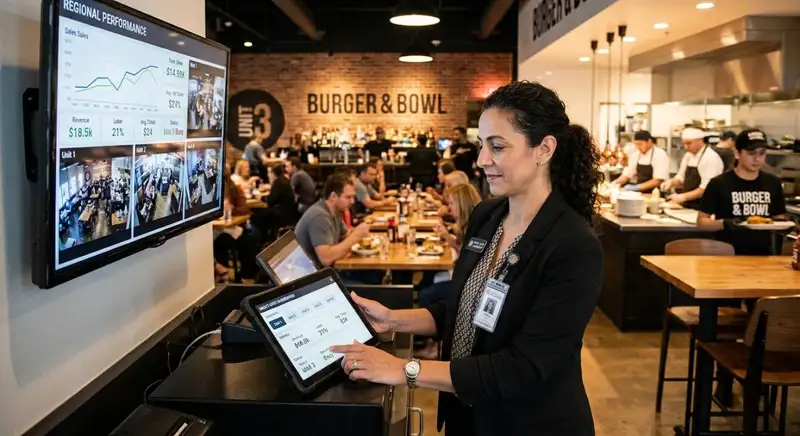
How AI Is Transforming Multi-Unit Restaurant Management
AI helps multi-unit restaurant operators forecast demand, optimize labor, detect anomalies, ensure consistency, refine menus and pricing, and adopt tools gradually, freeing managers to focus on hospitality.

Restaurant ERP Explained - What It Is, How It Works, and Its Benefits
Restaurant ERP connects essential operations, improves cost control, centralizes business information, streamlines workflows, and helps owners make informed management decisions.

10 Benefits of All-in-One Restaurant Management Software
All-in-one restaurant management software streamlines operations, improves communication, reduces administrative work, controls costs, strengthens workforce management, and supports informed business decisions.