



Overview
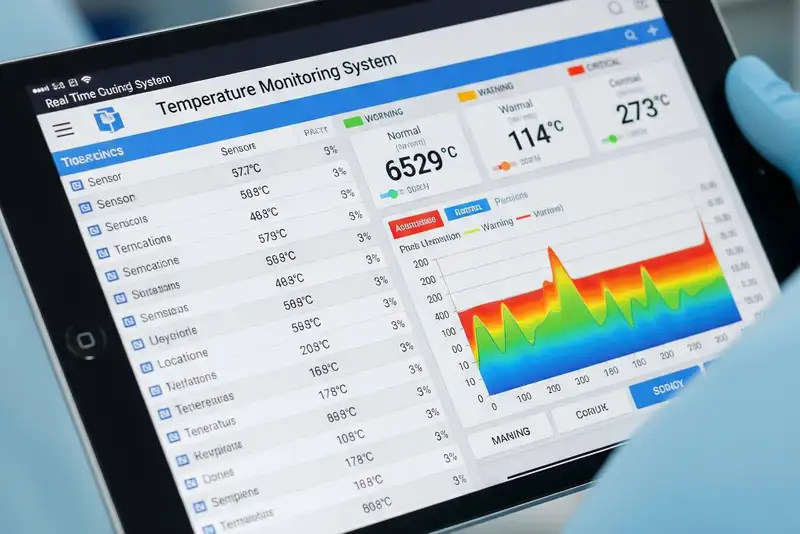
Checking temperatures by hand can be time-consuming and easy to forget, especially when things get hectic in the kitchen. That's why many restaurant owners are turning to temperature monitoring systems. These systems watch temperatures all day and night automatically. They send alerts if something goes wrong, so you can fix it quickly before any food gets spoiled or equipment breaks down.
A good temperature monitoring system makes your life easier. It takes away the guesswork and helps keep your kitchen running smoothly.
Automated Real-Time Temperature Tracking and Alerts
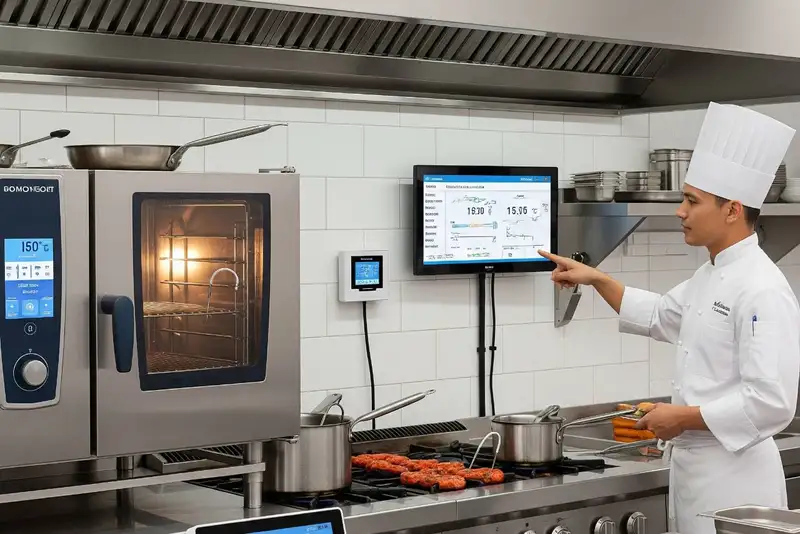
Why is this so helpful? Because temperatures can change quickly, especially in busy kitchens where refrigerators and freezers are opened frequently, or ovens and hot-holding units cycle on and off. If temperatures go above or below safe levels, even for a short time, food can spoil or become unsafe to serve. A system that tracks temperature all the time catches these problems right away.
The best systems don't just collect data; they send instant alerts via text messages, emails, or app notifications when something goes wrong. For example, if your freezer temperature rises too high overnight, you'll get a warning immediately, so you can take action before any food spoils. This helps prevent costly waste and avoids health code violations.
Data shows that restaurants using automated temperature monitoring with real-time alerts see a significant drop in temperature-related issues. These systems reduce the risk of food safety problems by catching issues early, often before staff even notice a problem. That peace of mind can save you time, money, and stress.
Create, Implement, and Execute Multiple Daily Checklists
Streamline Your Operations with Altametrics
Easy-to-Use Interface
That's why an easy-to-use interface is a must-have feature for any temperature monitoring system. The interface should be straightforward, clear, and quick to navigate. Whether your staff are using a smartphone, tablet, or computer, they need to access temperature data and alerts without confusion or delay.
Simple dashboards that display information visually - like color-coded warnings or easy-to-read graphs - help your team quickly understand what's happening. For example, a green indicator might mean everything is fine, while red alerts show where temperatures have gone out of safe ranges. This way, even someone new to the system can check temperatures confidently without getting overwhelmed.
Another important factor is mobile access. A system that works well on mobile devices lets managers and owners check temperatures from anywhere, whether they're in the dining area, office, or even off-site. This flexibility means you're not tied to a computer and can stay informed about your kitchen's status at all times.
Keeping training time short is also critical. A user-friendly system reduces the amount of time you spend teaching staff how to use it, which means less disruption during busy shifts. It also lowers the risk of mistakes caused by misunderstanding the system.
Compatibility with Multiple Equipment Types and Sensors
A good system should be flexible enough to connect to various kinds of sensors that fit different equipment. Some sensors are wireless, allowing easy placement without messy wires, while others might be wired or remote probes designed to measure temperatures inside food or hard-to-reach spots. This variety lets you monitor every part of your kitchen accurately, without being limited by equipment type.
For example, refrigerators and freezers usually need precise cold temperature monitoring, often with sensors placed inside the unit to check air temperature or even probe sensors to measure the temperature of stored food. Meanwhile, hot-holding cabinets and ovens require sensors that can handle high temperatures and track fluctuations to keep food in safe zones.
A monitoring system that supports multiple sensor types means you won't have to buy separate solutions for different equipment. Instead, everything connects to one system, making it easier to manage all your temperature data in one place. This saves time and reduces confusion.
Having all your equipment monitored under one system also makes it easier to spot problems quickly. For instance, if one freezer's temperature rises while all others stay stable, the system can alert you specifically to that unit, helping you prevent spoilage before it happens.
Reliable Data Logging and Reporting for Compliance
A strong temperature monitoring system automatically records all temperature readings over time, creating a clear, tamper-proof log of your kitchen's temperature history. This means you don't have to rely on handwritten notes or memory, which can be inaccurate or lost. Instead, the system stores all data safely and precisely, so you have solid proof that your food has been kept at safe temperatures.
These logs are critical during health inspections or audits because they show that your restaurant is following food safety regulations. Many systems allow you to generate detailed reports with just a few clicks. These reports can display temperature trends, highlight any times when temperatures went outside the safe range, and show how quickly issues were resolved. This kind of data reporting makes it easier to spot recurring problems and adjust your processes before they become bigger issues.
Besides compliance, having reliable temperature logs helps protect your business. If a customer ever questions food safety, or if there's a problem with spoilage, you can quickly pull up the data to show you followed proper procedures.
The best systems also store data for long periods and offer export options so you can save or share reports with ease. This helps when you manage multiple locations or need to provide information to food safety consultants.
Effortlessly Create, Implement, and Execute Multiple Daily Checklists
Optimize Your Daily Operations with Altametrics
Scalability and Customizable Settings
A scalable system can grow with your business. For a small restaurant, you might start by monitoring just a few key pieces of equipment. As your kitchen expands or you open new locations, the system should easily handle adding more sensors and devices without a complicated or costly upgrade. This flexibility saves you time and money in the long run.
Along with scalability, customizable settings make a huge difference in how well the system works for you. Every restaurant follows specific food safety standards, which often vary depending on the types of food you serve and local regulations. Being able to set your own temperature thresholds, alert levels, and monitoring schedules ensures the system matches your exact safety requirements.
For example, you might want tighter temperature controls for raw meat storage compared to vegetables or set different alert times during busy hours versus overnight. Customizable alerts mean you only get notified when it really matters, helping reduce false alarms and alert fatigue among your staff.
Additionally, customizable user permissions are important. You should be able to decide who gets access to view temperature data, who receives alerts, and who can change settings. This helps keep your system secure and organized, especially in larger teams.
Battery Life and Power Backup Reliability
Many temperature monitoring sensors are wireless and rely on batteries, making them easy to install without running cables throughout your kitchen. However, not all batteries are created equal. Look for systems that offer sensors with long-lasting battery life, ideally lasting several months or more before needing replacement. This reduces the hassle of frequent battery changes and lowers the risk of downtime.
Additionally, a good system should have backup power options or safeguards. For example, if there's a power outage or if a sensor temporarily loses connection, the system should keep recording temperatures locally and then send the data once power or connection is restored. This ensures you don't lose any critical information.
In busy restaurant environments, power interruptions and sensor issues can happen unexpectedly. A system with strong power backup features minimizes these risks and gives you confidence that your monitoring is continuous, day and night.
It's also worth considering how easy it is to check battery status and receive alerts when batteries are low. A monitoring system that notifies you in advance means you can replace batteries before they die, avoiding unexpected gaps in monitoring.
Cost-Effectiveness and Support Services
A good temperature monitoring system helps you avoid food spoilage, reduce waste, prevent equipment failures, and stay compliant with health regulations. These benefits can save you significant money, often outweighing the initial investment in the system. For example, a single freezer malfunction could cost thousands in lost inventory, but timely alerts can prevent that. So, a system that helps catch problems early actually pays for itself.
Additionally, consider ongoing costs such as subscription fees for software, sensor replacements, or maintenance. Look for transparent pricing and choose a system where you feel confident about long-term affordability.
Another critical factor is the quality of support services offered by the vendor. Even the best systems can encounter technical issues, or your staff may need help with setup and training. Reliable customer support - through phone, email, or live chat - ensures you get fast assistance when needed.
Good support also includes regular software updates that improve system performance and security. This keeps your monitoring tools working smoothly without extra effort on your part.
When a vendor provides clear training materials and easy-to-understand guides, it reduces your staff's learning curve and helps them use the system effectively right from the start.
Take Control of Your Operations Team's Tasks
Discover Seamless Workflow Management with Altametrics
Frequently
Asked Questions
Why is automated real-time tracking important?
How can a temperature monitoring system save money?
How quickly do temperature monitoring systems send alerts?
Can temperature monitoring systems be accessed remotely?
Must-Read Content
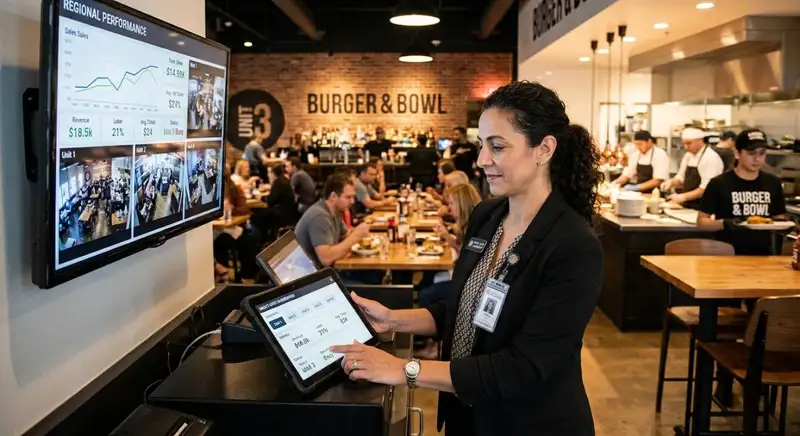
How AI Is Transforming Multi-Unit Restaurant Management
AI helps multi-unit restaurant operators forecast demand, optimize labor, detect anomalies, ensure consistency, refine menus and pricing, and adopt tools gradually, freeing managers to focus on hospitality.

Restaurant ERP Explained - What It Is, How It Works, and Its Benefits
Restaurant ERP connects essential operations, improves cost control, centralizes business information, streamlines workflows, and helps owners make informed management decisions.

10 Benefits of All-in-One Restaurant Management Software
All-in-one restaurant management software streamlines operations, improves communication, reduces administrative work, controls costs, strengthens workforce management, and supports informed business decisions.

