Importance of Recipe Cards
But recipe cards do more than keep things consistent. They also help you manage your food costs. When you know exactly how much of each ingredient goes into a dish, you can track how much it costs to make and make sure your menu prices are set the right way. This helps you avoid wasting food and keeps your profits in check.
Recipe cards are also great for training new staff. Instead of relying on someone to explain everything, your team can just follow the card. It saves time and reduces mistakes.
Dish Name and Description

Along with the name, it's a good idea to include a short description of the dish. This doesn't have to be fancy. A simple description like Grilled chicken breast with lettuce, tomato, and garlic mayo on a toasted bun gives staff a quick idea of what the dish should look and taste like. If your front-of-house team uses the same description, it also helps make sure the menu and the dish match up.
Adding information like whether the dish is part of a specific menu (lunch, dinner, kids, etc.) or if it's a seasonal item can also be helpful. This prevents confusion and keeps everyone on the same page.
Some restaurant owners also like to include the recipe's category - such as appetizer, entree, or dessert - to help organize the cards. This can make it easier to store, search, and sort your recipes when you're updating your menu.
Lastly, make sure the dish name and description are typed out clearly and are easy to read. Avoid handwritten labels or abbreviations that only some people understand. The goal is to make the recipe card useful for everyone on your team - from new hires to seasoned cooks. When the name and description are clear, everything else becomes easier to follow.
Elevate Your Restaurant's Operations
Swift Inventory Solutions with Altametrics!
Ingredients List with Precise Quantities
Start by listing every ingredient needed for the dish, even small things like salt, oil, or garnishes. Nothing should be left out. When ingredients are missing, staff might guess or skip steps, which can lead to inconsistent dishes or even wasted food.
Each ingredient should include a specific measurement. For example, instead of writing chicken, write 6 oz boneless, skinless chicken breast. Instead of cheese, write 2 tbsp shredded cheddar. Use standard units like ounces, cups, tablespoons, grams, or pounds. Avoid vague terms like a handful or a splash, which mean different things to different people.
Listing the ingredients in the order they are used in the preparation process can also help. This makes it easier for staff to follow along without skipping steps or missing anything.
Another helpful tip is to include the yield - the number of servings the recipe makes. This helps with portioning and makes it easier to scale recipes up or down if needed. For example, if the card says the recipe yields four portions, your staff will know exactly how much to make if they need to prepare eight.
A good ingredients list also helps you keep better control over your food costs. When you know the exact amount of each ingredient going into a dish, it's easier to calculate how much that dish costs to make and price it correctly on your menu.
Step-by-Step Preparation Instructions
Start by writing each step in the order it should be done. Be direct and simple with your language. For example, instead of writing cook the chicken, write grill the chicken breast on medium-high heat for 4 minutes on each side, until internal temperature reaches 165F. The more specific you are, the less room there is for error.
Include instructions for prepping ingredients if needed. For example, if onions should be diced, make sure that's written down. If a sauce needs to simmer for 10 minutes before serving, include that too. Small details like this are easy to overlook but make a big difference in the final dish.
It's also helpful to mention the cooking equipment needed for each step - like a grill, oven, saute pan, or blender. This prepares your team ahead of time and speeds up the cooking process during busy shifts.
When writing instructions, keep your audience in mind. Your staff doesn't need fancy terms - they need clear and simple directions they can follow quickly. Think about what a new cook would need to read to get the dish right on their first try.
Lastly, don't forget to include any resting or cooling times the dish might require. These often get skipped but are important for food quality and safety. With detailed prep instructions in place, your team can work faster, make fewer mistakes, and deliver the same quality every time.
Plating and Presentation Guide

Start by describing how the dish should be arranged on the plate. For example, if mashed potatoes go on one side and the grilled chicken is placed on top, write that clearly. You can also include instructions like drizzle sauce in a zigzag pattern or place garnish on top of the protein. These small touches can make your food look polished and professional.
If your dish is served in a specific type of bowl, tray, or plate, be sure to include that too. Mentioning the correct serving dish helps with consistency and keeps your presentation looking intentional.
Adding a reference photo is also helpful. You don't need a fancy camera - just a clear picture taken from above is enough to show how the final dish should look. If you don't want to print photos on each card, you can label them and keep a digital or physical reference book for your team to look at.
Clear plating instructions also help when your restaurant is busy. During a rush, cooks don't have time to guess or redo plates. A well-written plating guide saves time, reduces stress, and keeps everything moving smoothly.
Remember, customers often eat with their eyes first. A great-looking plate not only impresses your guests - it also makes your food stand out and encourages return visits. Adding this section to your recipe cards helps ensure your dishes always look their best.
Transform Your Restaurant Operations Now!
Effortless Inventory Tracking with Altametrics!
Food Cost Breakdown Per Dish
Start by listing each ingredient from the recipe along with the cost of the amount used in one portion. For example, if a recipe uses 2 ounces of cheddar cheese, write down the cost for just those 2 ounces - not the full package. Do this for every ingredient, even small items like spices, oil, and garnishes. They may seem minor, but over time, they add up.
Once you've added up the cost of all the ingredients for one serving, you'll know how much it takes to make that dish. This is your food cost per portion. You can then compare this number to the price you charge on your menu. A common goal for restaurants is to keep food costs around 30% or less of the menu price, though this can vary.
By including the food cost breakdown directly on the recipe card, your staff becomes more aware of how important portion control really is. If someone uses too much of one ingredient, it can throw off the cost and cut into your profits. This section encourages your team to stick to the recipe and avoid waste.
It also makes it easy to update costs when prices change. If your supplier raises the price of chicken or cheese, you can quickly update the card and see how it affects your margins.
In short, adding a food cost breakdown helps you run a smarter kitchen and make better pricing decisions for your menu.
Allergen and Dietary Information
Start by identifying common allergens in the recipe. These often include milk, eggs, peanuts, tree nuts, soy, wheat, fish, and shellfish. If a dish contains any of these, write it clearly on the card. For example, you can add a line that says, Contains- milk, wheat, and eggs.
Even if an allergen isn't in the main ingredients, it's important to mention if there's a risk of cross-contact - for example, if the dish is prepared near nuts or cooked in shared oil. Being honest and clear builds trust with your customers and helps avoid serious health risks.
You can also add tags for dietary preferences like vegetarian, vegan, gluten-free, or dairy-free. This makes it easier for your team to quickly identify which dishes meet different dietary needs. If a small change can make the dish meet those needs (like removing cheese for a dairy-free version), include that tip as well.
This section doesn't just help customers - it also protects your business. If someone has an allergic reaction due to a lack of information, it can lead to serious legal problems and damage your restaurant's reputation. Having clear allergen info on your recipe cards helps avoid these risks.
In a busy kitchen, staff may not always remember every detail about every dish. That's why keeping allergen and dietary details front and center on your recipe cards is one of the smartest and safest moves you can make.
Version Control and Date Tracking
Over time, recipes often change. You might swap out an ingredient, change the portion size, or adjust the cooking method. When these changes happen, it's important to know which version of the recipe your staff should be using. That's where version control comes in.
Each recipe card should have a version number (like v1.0 or v2.1) and a date showing when it was last updated. You can also include the name or initials of the person who made the change. This makes it easy to track when and why a recipe was updated, and who made the decision.
Without version control, it's easy for old copies of recipes to stay in circulation, which can lead to confusion and inconsistency in the kitchen. One cook might be using a new version while another is following an outdated one. This not only affects food quality but can also mess up food cost calculations and allergen tracking.
By including a small section for version and date at the bottom or corner of your recipe card, you make sure everyone is on the same page. If you're using digital recipe cards, updating and tracking versions becomes even easier.
Having clear version control also helps when training staff. If there's ever a question about how something should be prepared, you can point to the most recent recipe and know it's the right one.
In short, version and date tracking might not be the flashiest part of your recipe card, but it helps your kitchen stay consistent, efficient, and well-managed over time.
Get Accurate Inventory Valuations
Manage Your Workforce with Altametrics
Frequently
Asked Questions
What sections should be included in a recipe card template?
What is version control in a recipe card?
How do I calculate the food cost per portion on a recipe card?
Should I include prep time and cook time on the card?
Must-Read Content
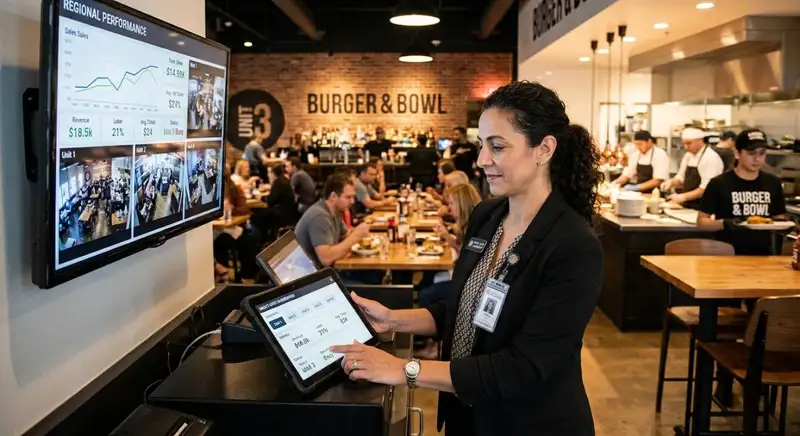
How AI Is Transforming Multi-Unit Restaurant Management
AI helps multi-unit restaurant operators forecast demand, optimize labor, detect anomalies, ensure consistency, refine menus and pricing, and adopt tools gradually, freeing managers to focus on hospitality.

Restaurant ERP Explained - What It Is, How It Works, and Its Benefits
Restaurant ERP connects essential operations, improves cost control, centralizes business information, streamlines workflows, and helps owners make informed management decisions.

10 Benefits of All-in-One Restaurant Management Software
All-in-one restaurant management software streamlines operations, improves communication, reduces administrative work, controls costs, strengthens workforce management, and supports informed business decisions.