Overview
A good checklist makes sure your restaurant stays clean, safe, and ready for the next shift. It doesn't have to be complicated either. With the right steps in place, closing down for the night can run smoothly every time.
1. Secure All Cash and Payments
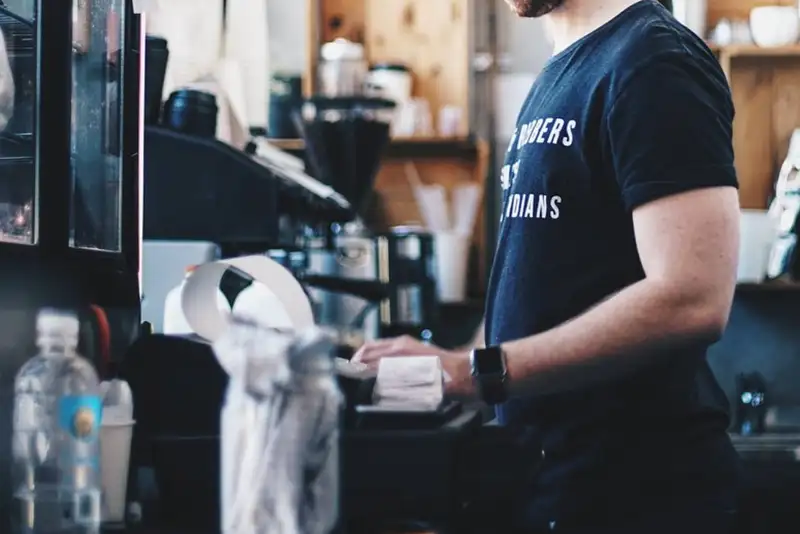
After counting the cash, it should be placed into a deposit bag or safe. Don't leave cash sitting in registers overnight. It's also important to double-check credit card transactions. Make sure all batches are closed out and processed properly. If your credit card machine has open transactions, it could cause payment problems the next day.
Another step to include is logging all deposit amounts clearly. Keeping a simple written record - either in a notebook or through a digital system - can help you quickly track sales and spot any issues. This also helps protect your team because there's a clear record of what was done.
Before leaving for the night, always make sure the safe is locked and all cash is out of sight. Even if you trust your team completely, this small habit can prevent theft, mistakes, or unnecessary worries later on. Good cash handling at closing not only protects your restaurant's money but also makes the morning shift start with one less thing to worry about.
Create, Implement, and Execute Multiple Daily Checklists
Streamline Your Operations with Altametrics
2. Clean and Sanitize Kitchen Stations
Start by making sure all surfaces, such as prep tables, counters, and cutting boards, are wiped down with the right cleaning products. It's not enough to just wipe off crumbs - surfaces should be sanitized to kill any germs that could make customers or staff sick. Always use a food-safe sanitizer that meets health department standards.
Next, all cooking equipment like grills, fryers, stovetops, and ovens should be wiped down and degreased. This helps keep equipment working properly and avoids heavy buildup that can cause damage or even fires. Don't forget smaller tools, too. Knives, utensils, and small appliances should be washed, sanitized, and put away properly.
Floors also need attention. Sweep up crumbs and mop away any spills or grease spots. A clean floor not only looks better but also prevents accidents like slips and falls.
Taking the time to fully clean the kitchen each night keeps everything in good shape and ready for a fresh start the next day. It also shows your team the importance of working in a safe, healthy environment. A clean kitchen isn't just about looks - it's about protecting your business and your customers.
3. Empty and Sanitize Beverage Stations
Start by emptying out all drink machines. Any leftover coffee, tea, or juice should be thrown away, and the containers should be washed and sanitized. Letting drinks sit overnight can lead to bad smells and bacteria growth. Make it a habit to fully clean inside and outside of coffee pots, soda nozzles, and any pitchers or carafes.
Bar areas also need special attention. Wipe down counters, sinks, and speed rails. Rinse and sanitize any leftover glassware and tools, like shakers and strainers. Restock clean glasses neatly so the bar is ready for the next shift without extra work.
Don't forget the drip trays and catch pans underneath beverage machines - they often collect hidden grime that can lead to big problems if ignored. Empty and wash these trays nightly.
Finally, check the floor around beverage stations for spills and mop if needed. A clean beverage area isn't just about appearances - it helps keep your drinks tasting fresh, keeps pests away, and keeps the health inspector happy. Making it part of your nightly checklist keeps your restaurant looking professional and ready to serve.
4. Restock Critical Supplies for the Next Shift
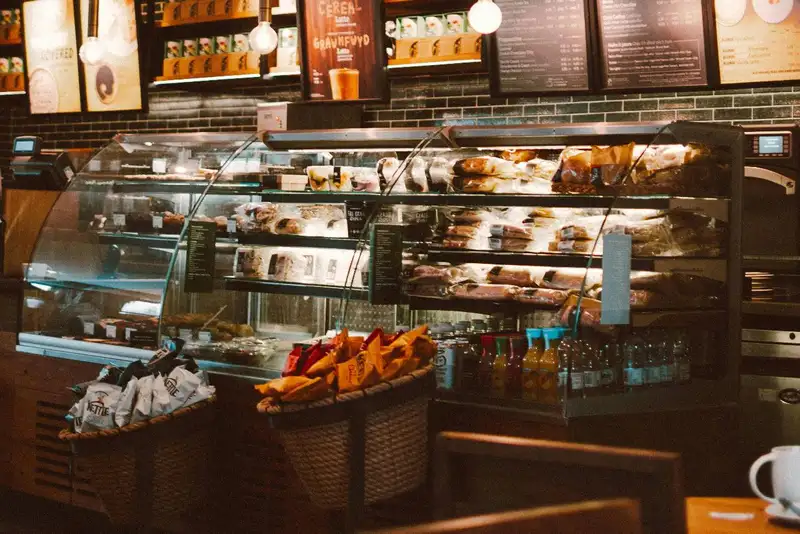
Start by checking the dining area. Make sure napkin holders, condiment stations, and to-go utensil bins are full and ready. Wipe them down as needed to keep everything looking neat and clean. Then, check the beverage station. Refill coffee beans, tea bags, sugar, creamers, and anything else that gets used throughout the day.
In the kitchen, double-check that prep areas are stocked with basics like gloves, disposable containers, plastic wrap, foil, and cleaning supplies. Bar areas should be stocked with clean glassware, garnishes, and fresh napkins.
It's also a good idea to quickly check inventory levels on things like to-go boxes, paper bags, and any items that are ordered in bulk. If something is running low, make a note of it so it can be ordered before it runs out completely.
Restocking during closing may feel like an extra step after a long shift, but it's worth it. It saves time, reduces stress for the morning crew, and helps the entire restaurant stay organized and prepared for a busy day ahead.
Effortlessly Create, Implement, and Execute Multiple Daily Checklists
Optimize Your Daily Operations with Altametrics
5. Label and Store Leftover Food Properly
Start by going through all cooked and prepped food that wasn't used during service. Anything that's still safe to keep should be transferred into clean, airtight containers. Always use containers that are food-safe and easy to stack neatly in the cooler or freezer.
Once the food is stored, label each container clearly. Labels should include the name of the item, the date it was prepared, and the time if possible. This makes it easy for the next shift to know what's still good to use and what should be thrown away. Without clear labeling, staff may end up tossing perfectly good food or, even worse, serving food that's no longer safe.
Good labeling also helps control food waste. When staff can quickly see what needs to be used up first, they are more likely to plan dishes and specials that help move older inventory before it spoils.
Finally, organize the walk-in cooler and dry storage neatly. Place newer items behind older ones (first in, first out method) so the oldest food gets used first. A few extra minutes spent properly storing and labeling leftovers can lead to better food quality, lower food costs, and fewer surprises during busy shifts.
6. Take Out Trash and Recycling
Start by emptying all trash bins in the kitchen, dining area, bar, and restrooms. Don't just focus on the main trash cans - smaller bins, like those under prep stations or behind the bar, also need to be emptied. Once all trash is gathered, tie the bags tightly and take them out to the designated dumpster or recycling area. Never leave full trash bags sitting inside overnight.
Next, wipe down the inside and outside of the trash bins. Even if they had liners, spills or leaks can happen, and a quick wipe with a disinfectant keeps smells and bacteria under control. Cleaning the bins regularly also helps extend their life and keeps the restaurant environment healthier for everyone.
Recycling should be handled properly too. Separate glass, cardboard, and other recyclables according to your local rules. If your restaurant has a composting program, make sure food scraps are placed in the correct bins.
Finally, do a walk-through before leaving to make sure nothing was missed. A clean, trash-free restaurant not only feels better in the morning - it also shows pride in your operation and helps maintain health standards. It's a small step that makes a big difference over time.
7. Clean and Organize Dining Areas
Start by wiping down all tables and chairs with a food-safe cleaner. Make sure to get under the tables too, where crumbs and spills can hide. If your restaurant uses booths, don't forget to wipe down the seat cushions and the edges where food can collect. Highchairs and booster seats should also be cleaned and stored neatly.
Floors should be swept thoroughly to pick up crumbs, napkins, or any dropped items. After sweeping, mop the entire dining area to remove sticky spots and stains. Pay special attention to entryways and high-traffic areas that tend to get dirty quickly.
Windows, glass doors, and menu boards should also get a quick wipe-down to remove fingerprints and smudges. These little touches help keep the front-of-house looking polished and welcoming.
Finally, make sure that any self-serve stations like drink fountains, condiment counters, or pickup shelves are wiped clean, restocked, and organized neatly. Restocking napkins, straws, and to-go lids ensures the next shift starts without any extra hassle.
Taking pride in cleaning the dining area each night not only maintains health standards but also creates a more inviting space that customers notice and appreciate.
8. Double-Check Security Measures Before Leaving
Start by making sure all doors and windows are securely locked. Walk around the building and physically check each one - don't just assume someone else did it. Even a small window left open can be an easy way for someone to break in overnight.
If your restaurant has an alarm system, make sure it's armed before exiting. Take a moment to confirm that all motion detectors, cameras, and alarms are working correctly. Many modern alarm systems also have mobile apps that allow you to double-check the status after you leave, which can add an extra layer of confidence.
Next, make sure all lights are properly managed. Some restaurants leave a few lights on for security reasons, especially around entrances or cash register areas. Others use timed lighting systems. Follow whatever system your restaurant uses to make the building appear occupied and discourage break-ins.
It's also smart to double-check that the safe is locked, all cash is properly stored, and no valuables are left in plain sight. If you keep keys for deliveries, make sure they are stored securely.
Taking the time to follow a nightly security routine protects not just your business assets but also your staff and your reputation. A few extra minutes at closing can prevent big problems later.
Take Control of Your Operations Team's Tasks
Discover Seamless Workflow Management with Altametrics
Frequently
Asked Questions
What tasks should always be included on a restaurant closing checklist?
How can I make sure my team follows the restaurant closing checklist?
What security steps should be part of a restaurant closing checklist?
What supplies are often forgotten during restaurant closing?
Must-Read Content
How AI Is Transforming Multi-Unit Restaurant Management
AI helps multi-unit restaurant operators forecast demand, optimize labor, detect anomalies, ensure consistency, refine menus and pricing, and adopt tools gradually, freeing managers to focus on hospitality.

Restaurant ERP Explained - What It Is, How It Works, and Its Benefits
Restaurant ERP connects essential operations, improves cost control, centralizes business information, streamlines workflows, and helps owners make informed management decisions.

10 Benefits of All-in-One Restaurant Management Software
All-in-one restaurant management software streamlines operations, improves communication, reduces administrative work, controls costs, strengthens workforce management, and supports informed business decisions.