What is the average customer spend?
The average customer spend is the amount a restaurant earns from each guest per visit. It is typically calculated by dividing total sales by the number of customers served. Tracking this metric helps identify spending patterns and opportunities to increase average check size.
How to Increase Customer Spend in Your Restaurant

The Importance of Average Check Size
Every restaurant owner obsesses over foot traffic. More covers, more revenue - right? But there's a quieter metric that often has a bigger impact on your bottom line - average check size, or how much each customer spends per visit.
Here's why it matters so much. Getting a new customer through the door costs money - marketing, promotions, discounts, the works. But getting an existing customer to spend just a few dollars more? That costs almost nothing. It's simply a matter of smarter menu design, better service prompts, and a few strategic tweaks to how you present your offerings. In other words, increasing spend per customer is one of the most cost-effective ways to grow revenue, because you're maximizing the value of traffic you already have.
Consider the math - if your restaurant serves 150 covers a day and you increase the average check by just $3, that's an extra $450 a day - over $13,000 a month - without spending a cent on advertising or bringing in a single new customer. Multiply that across a year, and the impact on your margins becomes substantial.
Increasing customer spend isn't about pressuring people to buy things they don't want. Done well, it's about guiding customers toward choices that enhance their experience - a better pairing, a shareable appetizer, a dessert they'll be glad they didn't skip. When it's done right, customers leave happier and your revenue grows in tandem.
Menu Engineering
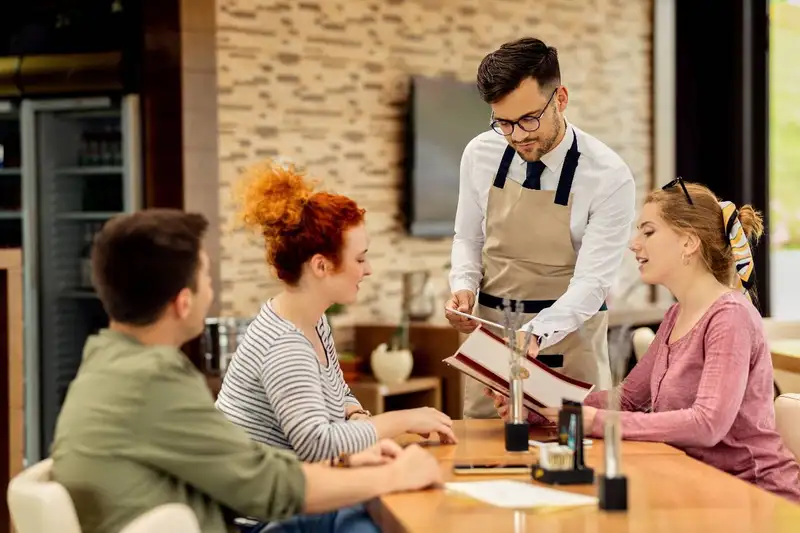
Your menu is one of the most powerful - and most underused sales tools in your restaurant. Long before a server says a word, your menu is already influencing what customers order and how much they spend. Small design changes can meaningfully shift buying behavior.
Strategic layout and eye-scan patterns
Research on menu design shows that customers don't read a menu top to bottom like a book. Instead, their eyes tend to land first on certain areas - often the top-right corner or the center of the page, depending on layout. This zone is sometimes called the "golden triangle" or "sweet spot." Placing your highest-margin items here, rather than burying them at the bottom of a long list, increases the odds they'll be noticed and ordered.
Highlighting high-margin dishes visually
Once you know where eyes land, use visual cues to draw attention to the dishes you most want to sell -
- Boxes, borders, or shaded backgrounds around featured items
- A small icon (chef's recommendation, house specialty) next to profitable dishes
- Appetizing, professional photography for one or two hero items - but avoid photographing everything, which can make a menu look like a fast-food chain and cheapen the perception of your food
Simple, evocative descriptions can increase perceived value without changing the price. "Grilled salmon" is fine. "Cedar-plank grilled salmon with lemon-herb butter" paints a picture and justifies a higher price point in the customer's mind.
Pricing presentation tricks
How you display prices affects how customers perceive them -
- Remove currency symbols ($) - studies suggest this reduces the psychological "pain of paying"
- Avoid lining up prices in a neat vertical column, which makes it easy for customers to simply scan and pick the cheapest option
- Consider listing prices directly after the item description, in the same font size, rather than isolating them in their own column
Limit choice overload
A menu with 80 items overwhelms customers and often leads them to default to familiar, lower-priced dishes just to avoid decision fatigue. Trimming your menu to a curated selection -with a clear mix of low, mid, and high-priced options - makes it easier for customers to explore higher-value choices, and it simplifies kitchen operations too.
Menu engineering isn't about tricking anyone. It's about presenting your food in a way that reflects its true value and gently guides customers toward the dishes that are both satisfying for them and profitable for you.

Upselling and Cross-Selling
Your menu can only do so much. The real difference-maker in average check size is often your front-of-house staff the people actually talking to customers. A well-trained server can increase a table's spend simply by making the right suggestion at the right moment.
Training servers to suggest naturally
The goal isn't to turn your staff into pushy salespeople - it's to help them become better hosts who genuinely enhance the dining experience. Train servers to -
- Recommend an appetizer or starter while guests are still deciding on entrees
- Suggest a specific side or upgrade ("Would you like to add truffle fries instead of regular?")
- Pair a drink with a dish ("This pairs really well with our house Malbec")
The key is framing suggestions as enhancements, not add-ons. "Can I get you anything else?" invites a "no." "Have you tried our garlic knots to start? They're a favorite here" invites a "yes."
Scripted vs. conversational approaches
Some restaurants train staff with specific scripted phrases for consistency, especially for new hires still learning the menu. Others prefer a more conversational, personality-driven approach where servers are trained on principles rather than exact wording. Many successful restaurants land somewhere in between - a few reliable go-to phrases for describing dishes, delivered in each server's natural voice, so it never feels robotic.
When a suggestion is made can matter as much as what's suggested -
1. At the greeting/drink order - mention a specialty cocktail or featured beverage
2. After entrees are ordered - suggest a shareable appetizer or side while the kitchen preps
3. Mid-meal - offer a drink refill proactively rather than waiting to be asked
4. Before clearing plates - this is the natural moment to mention dessert or coffee, while the meal is still fresh in the guest's mind
Waiting too long to mention dessert (or not mentioning it at all) is one of the most common missed opportunities in restaurants - many guests will order dessert if simply asked, but won't think to request it unprompted.
Avoiding pushy tactics
There's a fine line between helpful suggestion and uncomfortable pressure. Guests can tell the difference between a server who's genuinely enthusiastic about a dish and one who's just following a sales quota. A few guardrails -
1. Suggest, don't insist - one mention is enough
2. Read the table - a couple on a quiet date night has different needs than a group celebrating a birthday
3. Train staff to know the menu well enough to make suggestions feel like advice, not a script
When upselling is done well, guests often leave feeling like they were taken care of - not sold to. That's the version of upselling worth training for.
Strategic Pricing Strategies
Pricing is often treated as a simple cost-plus calculation, but how you price - and how you present those prices - has a direct psychological effect on what and how much customers order.
Psychological pricing - charm pricing vs. round numbers
"Charm pricing" refers to prices that end in odd numbers just below a round figure - $17.95 instead of $18.00. This is common in casual dining because it creates a perception of value. However, in upscale or fine-dining settings, round numbers ($18, $32) are often used instead, since they signal confidence and quality rather than a "deal." Choosing the right approach depends on your restaurant's positioning - a budget-conscious diner responds differently than a customer expecting a premium experience.
Bundling and combo pricing
Bundling individual items into a combo - an entree with a side and a drink, for example - increases average spend because the perceived value of the bundle often exceeds the sum of ordering items separately, even when priced slightly higher than the entree alone. Bundles also simplify the decision-making process, which can reduce hesitation and speed up ordering.
Tiered pricing for portions and premium ingredients
Offering tiered options lets customers self-select into a higher price point -
- Regular vs. large portion sizes
- Standard protein vs. a premium upgrade (chicken vs. filet, for example)
- "Build your own" formats where a base price attracts customers in, and premium add-ons increase the final ticket
Tiered pricing works because it gives price-sensitive customers an entry point while still capturing more revenue from customers willing to spend more.
Placing one high-priced "anchor" item on the menu - even if it doesn't sell often - can make mid-priced items appear more reasonable by comparison. A $65 steak on the menu makes a $32 entree feel like a moderate choice rather than an expensive one.
Periodic price audits
Ingredient costs, labor, and overhead shift constantly, but many restaurants leave menu prices untouched for months or years out of hesitation. A regular pricing review - ideally quarterly - helps ensure your prices reflect current costs and market conditions. When raising prices, small, incremental adjustments (a few dollars, at not-too-frequent intervals) tend to be less noticeable to regular customers than infrequent, larger jumps.
Beverage and Dessert Programs
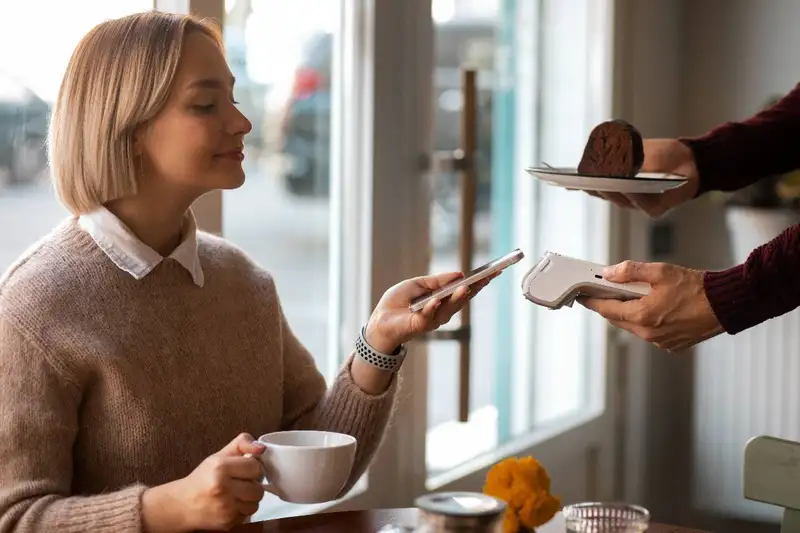
If you're looking for the fastest way to boost average check size, look no further than your drink and dessert menus. These categories typically carry some of the highest profit margins in the entire restaurant - often far higher than entrees - yet they're frequently underdeveloped or treated as an afterthought.
Entrees involve significant food cost, prep labor, and plating complexity. Beverages and desserts, by comparison, often have a much lower cost-to-price ratio. A glass of wine, a craft cocktail, or a specialty coffee can carry a markup far beyond what's achievable on a plate of food - which means every beverage or dessert order added to a table has an outsized impact on your bottom line.
Building a compelling beverage program
1. Wine and cocktails - A well-curated list - even a short one - with a mix of familiar and distinctive options gives guests a reason to order something beyond a soft drink or tap water. Featuring one or two signature cocktails unique to your restaurant can also become a point of differentiation and conversation.
2. Specialty non-alcoholic options - Not every guest drinks alcohol, and a limited non-alcoholic menu leaves money on the table. Mocktails, artisan sodas, specialty coffee, or premium iced tea give non-drinkers a reason to order something beyond water, too.
3. Suggestive menu placement - Featuring a "drink of the month" or seasonal cocktail on a table talker or the menu's front page can drive attention to higher-margin beverages without relying solely on server suggestion.
Making dessert hard to skip
Dessert is often the easiest sale in the entire meal - if it's offered. Guests who are full from their entree may not think about dessert unless it's brought to their attention.
1. Presentation matters- A dessert menu with appealing descriptions and a photo or two can turn a "no thanks" into a "maybe" - and a well-plated dessert delivered to a neighboring table often does more selling than any script.
2. Shareable options - Offering a dessert clearly designed for two ("perfect for sharing") lowers the guilt barrier and often results in more dessert orders overall, since two people splitting a treat feels more reasonable than each ordering their own.
3. Pairing dessert with coffee or a dessert wine - Suggesting an after-dinner coffee or port alongside dessert can add another beverage sale to the same moment.
Bringing it together
A strong beverage and dessert program does double duty - it increases average check size while also enhancing the overall dining experience, since good drinks and a satisfying dessert are often what guests remember most about a meal. Investing time in developing these menus - rather than treating them as an afterthought - tends to pay for itself quickly.
Limited-Time Offers and Specials
Specials do more than keep your menu feeling fresh - they're one of the most effective tools for increasing average spend, because they create urgency, reduce direct price comparison, and give you room to test premium pricing without disrupting your core menu.
A dish available "for a limited time" or "this week only" taps into a simple psychological trigger - scarcity. When customers know an item won't be around indefinitely, they're more inclined to try it now rather than wait - even if it costs more than their usual order. Seasonal specials built around fresh, in-season ingredients also feel timely and give regular customers a reason to return and see what's new.
Pricing specials above the standard menu
Because specials exist outside the regular menu, customers don't mentally compare them against your everyday prices the way they would a permanent item. This gives you room to price a special slightly higher than a comparable regular-menu dish, especially if it's framed as a premium or seasonal ingredient think fresh truffle, a market-price seafood dish, or a limited-batch cut of meat.
Specials are also a low-risk way to test whether a new dish resonates with your customers before committing to a permanent menu spot. If a special sells well at a strong margin, it's a strong candidate for permanent (or recurring) placement. If it doesn't land, you haven't disrupted your core menu or locked in a mispriced item.
A special only works if customers actually know about it. A few reliable channels -
- Table talkers or small printed inserts placed on tables draw attention without requiring a server to remember every detail
- Verbal mentions at the greeting - servers introducing themselves and mentioning the day's special is a natural, low-pressure way to plant the idea early
- Visible signage near the entrance or host stand for walk-in visibility
- Social media and email, for restaurants with an established following, can build anticipation before customers even arrive
Specials work best when they feel genuinely special - not like a way to offload ingredients close to expiration. Customers can often sense the difference, and an insincere "special" can erode trust. Used thoughtfully, though, specials are one of the simplest ways to introduce premium pricing, create excitement, and give customers a reason to spend a little more than they originally planned.
Enhancing the Overall Dining Experience
Customers don't just pay for food - they pay for the experience surrounding it. Ambiance, service quality, and thoughtful details all shape how much a guest is willing to spend, and how likely they are to add that extra drink, appetizer, or dessert along the way. A better experience doesn't just justify higher prices; it puts customers in a more generous, relaxed mindset where spending a little more feels natural rather than forced.
Ambiance and presentation justify higher spend
Lighting, music, table settings, and even the way a dish is plated all send signals about value. A beautifully plated dish photographs well and feels worth the price on the menu - while the same food served carelessly can make even a fair price feel high. Small, consistent touches (cloth napkins, thoughtful table decor, a clean and well-maintained dining room) reinforce that guests are getting something worth paying for.
Personalization builds loyalty and spend
Regulars who feel recognized tend to spend more over time and are more receptive to staff suggestions. This doesn't require elaborate systems - training staff to remember a regular's usual order, a recent celebration, or a dietary preference goes a long way. Guests who feel like more than just a table number are more likely to trust a server's dessert suggestion or try something new off the menu.
The speed of service has a direct effect on how much a table orders -
- Too rushed, and guests feel pressured to order quickly and skip extras like appetizers or a second round of drinks
- Too slow, and guests can grow impatient or ask for the check before dessert is even mentioned
Well-paced service - checking in at natural intervals, without hovering or disappearing - creates space for guests to linger, enjoy their meal, and consider ordering something more.
Creating shareable, memorable moments
Dishes or moments that feel visually striking or unique - a dramatic tableside presentation, a beautifully garnished cocktail, a dessert with a bit of flair - often get photographed and shared on social media. Beyond the free marketing this generates, these "moments" also tend to be higher-margin items, meaning the same dish that earns a customer's social media post is often the one padding their check.
It's tempting to treat "increasing spend" and "improving experience" as two different goals, but they're deeply intertwined. Guests who feel well taken care of, in a space that feels considered and comfortable, are naturally more open to ordering more - not because they're being upsold, but because the meal feels worth extending.
Technology and Loyalty Programs
Technology has become one of the most efficient ways to increase average check size - often working quietly in the background, without requiring extra effort from your staff on every table.
1. POS-integrated upsell prompts. Modern point-of-sale systems can be configured to prompt servers automatically at the moment of order entry - suggesting a size upgrade, a popular side, or a drink pairing tied to whatever was just ordered. Because the prompt appears at the exact moment of the transaction, it removes the burden of memory from staff and ensures upsell opportunities aren't missed, especially during a busy rush when servers are juggling multiple tables.
2. Digital menu boards and QR-code menus. Digital displays and QR-code menus offer flexibility that print menus can't - items can be reordered, highlighted, or swapped instantly to reflect real-time inventory or a dish you want to push that day. Well-designed digital menus can also spotlight one or two items with imagery in a way that's more dynamic than a static printed page.
3. Loyalty programs built around spend tiers. A loyalty program that simply rewards visits treats every customer the same, regardless of what they order. A more effective structure rewards higher spend directly - offering better perks or faster point accumulation for guests who order appetizers, drinks, or dessert, rather than just an entree. This subtly encourages customers to add to their order in pursuit of the next reward tier.
4. Personalized offers based on order history. Restaurants using a POS or CRM system that tracks order history can send targeted email or SMS offers based on what a customer has ordered before - a returning steak customer might receive an offer for a wine pairing, while a regular brunch guest might get a mimosa flight promotion. Personalized offers tend to perform better than generic discounts because they feel relevant rather than random.
5. Online ordering and reservation systems with built-in suggestions. For restaurants offering online ordering, the checkout flow itself can be designed to suggest add-ons before the order is finalized - much the same way e-commerce sites prompt "customers also bought." Reservation platforms can serve a similar purpose, offering the chance to pre-order a bottle of wine, a special dessert, or a celebratory add-on when a guest books a table for an anniversary or birthday.
A POS prompt only works if the suggestion itself is appealing, and a loyalty program only drives spend if the rewards feel worth chasing. Used well, though, technology takes strategies that would otherwise depend on staff memory and consistency, and makes them systematic - increasing average spend reliably, table after table.
Inventory management
How to Conduct a Food Waste Audit in Your Restaurant
Software integration
Smart Ways to Use AI in Your Restaurant

Employee scheduling
Employee Time Tracking Tips for Restaurants
Employee scheduling
7 Scheduling Mistakes Restaurant Owners Should Stop Making

Employee scheduling
Human Resource Management for Restaurants
Employee scheduling
Common Payroll Challenges in Restaurants

Sales forecasting
How to Use Restaurant Analytics to Improve Profitability

Restaurant management
The Complete Guide to Restaurant Reputation Management
Accounting payroll
Restaurant Cash Handling Procedures
Frequently Asked Questions
How can digital menus increase customer spend?
Digital menus can increase customer spend by highlighting high-margin items, suggesting add-ons, promoting meal upgrades, and recommending complementary dishes. Dynamic recommendations, appealing descriptions, and strategically placed promotions can encourage customers to explore more options and increase the value of each order.
How can POS data help increase customer spend?
POS data can reveal which items customers buy together, when spending is highest, and which products perform best. Restaurants can use these insights to improve menu recommendations, create targeted bundles, promote profitable add-ons, and identify opportunities to increase average check size.
How does menu design affect customer spending?
Menu design affects customer spending by directing attention toward specific dishes, highlighting profitable items, and making premium choices more appealing. Clear descriptions, strategic placement, attractive visuals, and well-designed categories can encourage customers to add appetizers, beverages, upgrades, desserts, or higher-priced entrees.
What restaurant items increase average check size?
Restaurant items that can increase average check size include appetizers, premium entrees, beverages, desserts, side dishes, toppings, sauces, and upgrades. High-margin add-ons, meal bundles, larger portions, and premium ingredient options can also encourage customers to spend more per visit.