
Role of Technology in Customer Experience
Customers increasingly expect simple and efficient experiences. They may want to browse a menu before visiting, place an order from their phone, pay without waiting for a server, or receive updates about an online order. When restaurant technology is designed around these expectations, it can remove unnecessary friction from the customer journey.
Technology can also improve the experience indirectly by helping employees work more efficiently. For example, an integrated point-of-sale system can send orders to the kitchen quickly and accurately, while restaurant analytics can help managers identify service bottlenecks. Better operational visibility allows staff to spend less time dealing with manual processes and more time serving customers.
The most effective approach is to view technology as a tool that supports the entire customer experience. Restaurant owners should evaluate whether each technology investment helps customers -
1. Order more easily
2. Spend less time waiting
3. Receive accurate orders
4. Pay more conveniently
5. Get relevant and timely communication
6. Receive more consistent service
When these elements work together, technology can help create a smoother customer journey while also giving restaurant teams better tools to deliver reliable service.
Improve Ordering With Digital Tools
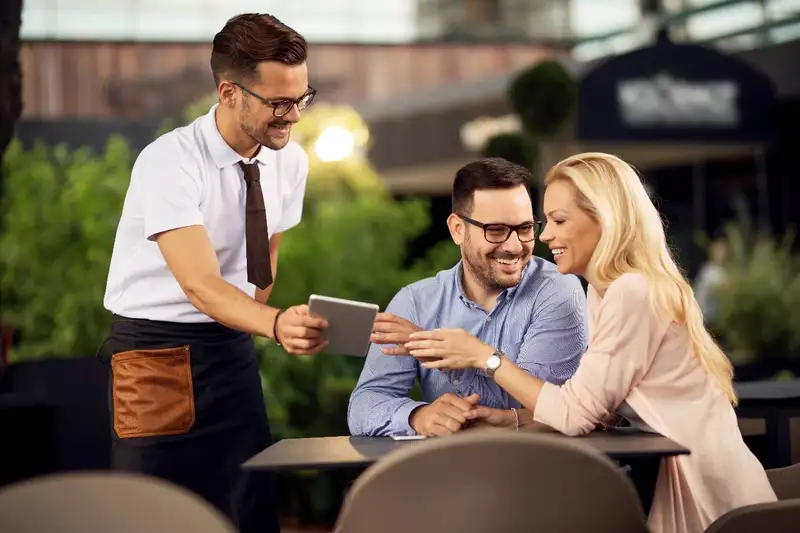
Online ordering systems allow customers to browse menus and place orders without waiting for a phone call or server. Customers can order for pickup or delivery at their convenience, while restaurants can manage incoming orders through a centralized system. Keeping digital menus synchronized with available items also helps prevent customers from ordering products that are no longer available.
Digital menus and QR code menus can make menu browsing faster and more convenient. Customers can view descriptions, prices, ingredients, and customization options from their own devices. Restaurants can also update digital menus more quickly than printed menus when prices, ingredients, or availability change.
Technology can also improve order accuracy. Digital orders can send customer selections and modifications directly into the restaurant's ordering workflow, reducing the need for employees to manually interpret handwritten orders or repeatedly enter information. Clear customization options can further reduce misunderstandings about ingredients, portion sizes, and special requests.
Digital ordering can also support strategic upselling without creating unnecessary pressure. Restaurants can recommend complementary items, such as drinks, sides, desserts, or add-ons, during the ordering process. These suggestions can help customers discover relevant options while increasing the potential value of each transaction.
For restaurant owners, the goal should not simply be to offer more ways to order. The technology should make ordering faster, clearer, and more accurate. A well-designed digital ordering experience removes friction for customers while helping restaurant employees process orders efficiently.
Keep Customers Coming Back!
Create your loyalty program with Altametrics!
Reduce Wait Times and Improve Service Speed
A point-of-sale (POS) system can streamline communication between the front and back of the house. Instead of employees manually relaying orders to the kitchen, digital orders can be sent directly to the appropriate kitchen station. This reduces unnecessary steps and helps kitchen staff begin preparing orders sooner.
Kitchen display systems (KDS) can further improve order flow by organizing incoming orders and showing employees what needs to be prepared. Orders can be prioritized based on factors such as order time, course, or fulfillment method. This gives managers and employees better visibility into the kitchen workload during busy periods.
Technology can also help restaurant owners identify service bottlenecks. Operational data can reveal where delays occur, such as during ordering, food preparation, payment, or pickup. Managers can use this information to adjust staffing, workflows, or processes instead of relying solely on observation.
For online and delivery orders, automated notifications can keep customers informed about order status. Providing timely updates can reduce uncertainty and prevent customers from repeatedly contacting the restaurant to ask when an order will be ready.
The objective is not simply to make every process faster. Speed should be combined with accuracy and consistency. Rushing an order that results in missing items or incorrect food can damage the customer experience.
By connecting ordering, kitchen, and payment processes, restaurant technology can help reduce unnecessary delays and give employees the information they need to provide faster, more consistent service.
Personalized Customer Experience
Customer data collected through POS systems, online ordering platforms, and loyalty programs can provide insights into purchasing patterns. Restaurants can identify frequently ordered items, preferred ordering times, visit frequency, and other useful behaviors. These insights can help restaurants create more relevant offers and recommendations.
For example, a restaurant can use purchasing data to recommend complementary items during online ordering. A customer who frequently orders a particular entree may see relevant sides or beverages suggested alongside it. Similarly, loyalty systems can provide rewards based on customer activity rather than sending the same promotion to every customer.
Personalized promotions can also support customer retention. Instead of relying exclusively on broad discounts, restaurants can use customer segments to deliver offers that align with different purchasing behaviors. Frequent customers might receive loyalty rewards, while less-active customers could receive incentives designed to encourage another visit.
Technology can also help create a more consistent experience across different ordering channels. When customer information is connected appropriately, restaurants can better understand interactions across dine-in, pickup, delivery, and online ordering.
However, personalization should be handled carefully. Restaurants should use customer data responsibly, protect personal information, and avoid making interactions feel intrusive. The objective is to make the experience more convenient and relevant, not to overwhelm customers with unnecessary messages.
When used effectively, restaurant technology can turn customer data into actionable insights. These insights allow restaurant owners to better understand customer preferences and create experiences that encourage convenience, engagement, and repeat visits.
Payment and Checkout Convenience
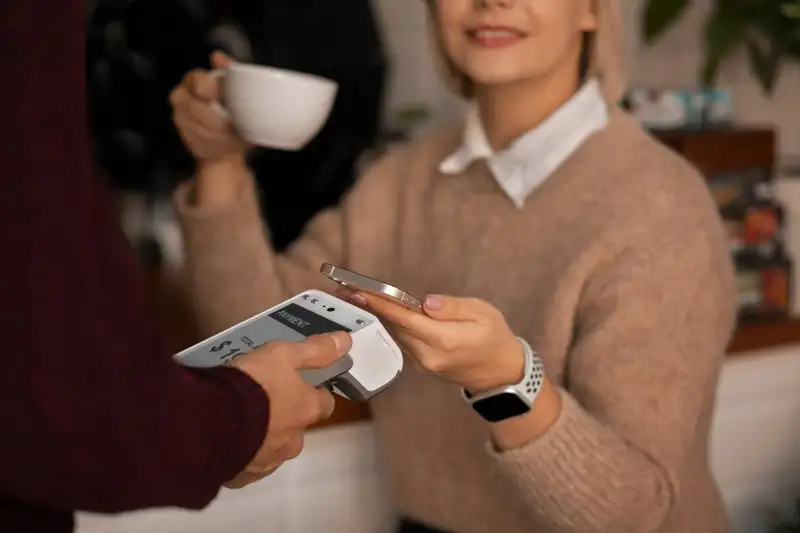
Restaurant technology can make checkout more convenient through contactless payments, tableside payment, mobile payments, and digital receipts. These options give customers greater flexibility while helping employees complete transactions more efficiently.
Tableside payment technology, for example, allows customers to pay directly at the table instead of waiting for a server to take a card and return with the receipt. This can shorten the checkout process and give customers more control over when they are ready to leave.
Contactless payment options can also reduce the number of steps required to complete a transaction. Customers can use compatible cards or mobile wallets to make payments without handing over their physical card. Offering multiple payment methods can make the checkout experience more convenient for different types of customers.
Digital receipts provide another useful option. Instead of automatically printing a paper receipt, restaurants can give customers the choice to receive their receipt electronically. This can simplify recordkeeping for customers while reducing unnecessary paper use.
Integrated payment technology can also benefit employees and restaurant operators. When payment systems are connected with the POS, transaction information can flow directly into the restaurant's operational records. This can reduce manual entry and help minimize errors associated with disconnected systems.
However, convenience should not come at the expense of security or reliability. Restaurants should choose payment technology that protects customer payment information, works consistently during busy periods, and integrates smoothly with existing systems.
A simple, fast, and reliable checkout process leaves customers with a positive final interaction. By reducing unnecessary steps and offering flexible payment options, restaurants can make the end of the dining experience as seamless as the beginning.
Simplify Multi-Channel Ordering
Get started with Altametrics to streamline your POS!
Use Technology to Improve Customer Communication
Automated notifications can provide customers with order confirmations, pickup updates, delivery notifications, and reservation reminders. These messages reduce uncertainty by giving customers useful information without requiring them to call the restaurant or wait for an employee to respond.
For online orders, restaurants can use technology to communicate important updates as an order moves through different stages. Customers may receive confirmation when an order is received, an update when preparation begins, and a notification when the order is ready for pickup or has been dispatched for delivery. This can make the ordering experience feel more organized and transparent.
Technology can also support customer engagement beyond individual transactions. Email, SMS, mobile apps, and loyalty platforms can help restaurants communicate promotions, new menu items, special events, and rewards. Restaurants can segment these communications based on customer behavior to make messages more relevant.
For example, customers who regularly order online may benefit from online ordering promotions, while loyalty members may receive updates about available rewards. Relevant communication is more likely to provide value than sending the same message to every customer.
Restaurants should also consider communication consistency across channels. Information presented on a website, digital menu, ordering platform, or mobile app should remain accurate and up to date. Conflicting information about prices, operating hours, menu availability, or promotions can create confusion and undermine customer trust.
The key is to avoid excessive communication. Technology should make it easier for customers to get the information they need, not overwhelm them with notifications. Restaurants should focus on timely, useful, and relevant messages.
When communication technology is integrated into the customer journey, customers can stay informed with less effort. This creates a smoother experience while reducing repetitive communication tasks for restaurant employees.
Collect and Use Customer Feedback
Restaurants can collect data through digital surveys, online reviews, loyalty programs, ordering platforms, and post-visit feedback forms. Useful metrics can include customer satisfaction scores, ratings, review sentiment, order accuracy, wait times, repeat visit frequency, and complaint volume.
For example, restaurant owners can track customer satisfaction scores over time to determine whether operational changes are improving the experience. A decline in satisfaction during specific hours may indicate staffing or service-speed issues. Similarly, an increase in complaints about missing or incorrect items can signal problems within the ordering or kitchen workflow.
Customer feedback becomes even more useful when combined with operational data. Restaurants can compare complaints about slow service with average order preparation time, ticket times, transaction volume, and staffing levels. This allows managers to identify potential relationships between customer sentiment and operational performance.
Technology can also help identify recurring themes in customer feedback. Restaurants can categorize reviews and comments by topics such as food quality, service, cleanliness, wait times, ordering, and payment. Tracking the frequency of each issue helps managers prioritize problems based on how often they occur and how significantly they affect customers.
Restaurant owners should establish a regular process for reviewing these metrics. Key measures can include -
1. Customer satisfaction score - Measures overall customer sentiment.
2. Average review rating - Tracks public perception across review platforms.
3. Complaint volume - Identifies recurring customer problems.
4. Order accuracy rate - Measures how often orders are completed correctly.
5. Average wait time - Shows how efficiently customers move through the service process.
6. Repeat visit rate - Indicates whether customers are returning.
7. Feedback response rate - Shows how effectively the restaurant collects customer input.
The objective is to connect customer feedback with measurable restaurant performance. When owners consistently track these indicators, they can identify trends, prioritize operational improvements, and determine whether changes are actually producing a better customer experience.
Build a Connected Technology Strategy
An integrated technology strategy can connect systems such as POS, online ordering, payments, loyalty, inventory, workforce management, and analytics. When these systems share relevant information, restaurant operators can gain a more complete view of both customer behavior and operational performance.
For example, sales and ordering data can help identify peak demand periods, popular menu items, average check size, and ordering patterns. Workforce data can then help managers compare those demand patterns with staffing levels. If customer wait times increase during periods of high transaction volume, the restaurant can investigate whether staffing or workflow adjustments are needed.
Restaurant owners should establish measurable customer-experience KPIs rather than evaluating technology based solely on features. Useful metrics include -
1. Average wait time - Measures how quickly customers receive service.
2. Order accuracy rate - Tracks the percentage of orders completed correctly.
3. Average check size - Shows changes in customer purchasing behavior.
4. Customer satisfaction score - Measures how customers rate their experience.
5. Repeat visit rate - Helps evaluate customer retention.
6. Online ordering conversion rate - Measures how effectively digital ordering converts visitors into customers.
7. Payment processing time Identifies potential friction during checkout.
Technology investments should be evaluated against these operational and customer metrics. If a system reduces manual work but does not improve speed, accuracy, convenience, or customer satisfaction, its impact should be reassessed.
The goal is not to use technology simply because it is available. Restaurant owners should select tools that solve specific customer and operational challenges, integrate with existing systems, provide reliable data, and help employees deliver better service.
A connected technology strategy can create a more consistent experience across ordering, service, payment, and customer engagement. At the same time, it gives restaurant operators the data needed to continuously identify problems, measure performance, and improve the customer journey.
Dive Deeper into Customer Insights!
Capture Key Insights with Altametrics
Frequently
Asked Questions
How can restaurants use data to improve customer experience?
How does a POS system improve customer experience?
How can restaurants personalize customer experiences?
What customer experience metrics should restaurants track?
Must-Read Content

The 5 Best And Cheapest POS System for Restaurants
While POS systems are incredibly crucial to a restaurant, they can run highly expensive. So to get more bang for your buck, let's look at the cheapest POS system for restaurants

The Best Restaurant Point of Sale Software for Your Business
A mobile point of sale is an electronic device that a business can use to process their credit card transactions. These are some of the best restaurant point of sale software out there
The Best Free Restaurant POS Software For Your Business
Everyone loves nice things that you have to pay top dollar for. But everyone loves nice things that you can get for free too. Let's talk about the best free restaurant POS software