What is the average restaurant food cost percentage?
The average restaurant food cost percentage in 2025 ranges between 28% and 35% of total revenue. Quick-service restaurants often aim for 28-32%, while fine-dining establishments may hit 32-35% due to premium ingredients.
Understanding Restaurant Food Cost Percentage in 2025 - Strategies for Profitability

What Is Restaurant Food Cost?
Running a successful restaurant requires balancing exceptional food quality with financial sustainability. A key factor in achieving profitability is managing food cost, the expense tied to the ingredients used in your menu items. Food cost directly affects your profit margins, making it a critical metric for any restaurant, from food trucks to upscale dining venues.
Food cost percentage is the ratio of ingredient costs to the revenue generated when those items are sold. For example, if a burger costs $3 in ingredients and sells for $10, its food cost percentage is 30%. Industry standards suggest keeping food costs between 28% and 35% of total sales to ensure profitability. When combined with labor costs (25-35%) and overhead (rent, utilities, etc.), total operating costs can reach 70-75% of revenue, leaving a tight margin for profit.
Understanding food cost empowers you to price menus effectively, reduce waste, and make data-driven decisions. This guide explores how to calculate and manage food costs to keep your restaurant thriving in 2025's competitive landscape.
Why Does Food Cost Matter?

Food cost is often the second-largest expense in a restaurant, after labor, and plays a pivotal role in financial health. Regularly calculating food cost - weekly, monthly, or per menu item - helps you monitor spending, set menu prices, and control prime costs (the sum of Cost of Goods Sold [COGS] and labor). COGS includes food, beverages, packaging, and other costs associated with preparing and serving dishes.
Tracking food cost provides three key benefits -
1. Benchmarking Against Competitors - Comparing your food cost to industry or local competitors reveals whether your spending aligns with market norms. For instance, in 2024, quick-service chains like Taco Bell maintained food costs around 30%, while casual dining restaurants averaged 32%. If your costs exceed 35%, you may need to adjust purchasing or menu strategies to stay competitive.
2. Enhancing Menu Engineering - Menu engineering involves analyzing sales and inventory data to understand each dish's popularity and profitability. For example, a high-cost steak might be popular but yield low margins, while a pasta dish could be both low-cost and high-margin. By studying these patterns, you can promote profitable items or reengineer underperformers to boost revenue.
3. Identifying Unprofitable Menu Items - High ingredient costs or oversized portions can erode profits. Tracking food cost per dish helps you spot items that cost more than they earn. For instance, if avocados surged 10% in 2024 due to supply issues, guacamole might become unprofitable unless you adjust its price or portion.
By mastering food cost analysis, you ensure customers receive value without overpaying, while your restaurant maintains healthy margins.
How to Calculate Food Cost Percentage
Calculating food cost percentage is a simple yet powerful tool for managing expenses. The formula uses inventory and sales data to determine how much of your revenue goes toward ingredients.
Formula -
Food Cost Percentage = [(Beginning Inventory + Purchases - Ending Inventory) / Total Food Sales] x 100
Step-by-Step Example
Imagine you run a casual dining restaurant. For one week -
1. Beginning Inventory - $12,000 (value of ingredients at week's start)
2. Purchases - $6,000 (new ingredients bought during the week)
3. Ending Inventory - $10,000 (value of ingredients left at week's end)
4. Total Food Sales - $22,000 (revenue from menu items sold)
Calculate food cost
Food Cost = ($12,000 / $6,000 - $10,000) = $8,000
Calculate percentage
Food Cost Percentage = ($8,000 / $22,000) x 100 = 36.36%
This result (36.36%) is slightly above the ideal 2835% range, signaling a need to investigate high-cost
items, waste, or portion sizes. Tracking this metric daily, weekly, or monthly helps you identify trends and act swiftly.
Pro Tip - Use a point-of-sale (POS) system with inventory tracking to automate calculations, reducing errors and saving time.
What Is the Average Restaurant Food Cost in the U.S. in 2025?
In 2025, the average restaurant food cost percentage typically falls between 28% and 35%, varying by restaurant type and market conditions -
1. Quick-Service Restaurants (QSRs) - 28-32% (e.g., Wendy's reported ~30% in 2024).
2. Casual Dining - 30-34% (e.g., Olive Garden averaged ~33%).
3. Fine Dining - 32-35%, driven by premium ingredients like organic produce or imported seafood.
These ranges reflect 20242025 trends, including -
1. Ingredient Price Volatility - Food inflation slowed to 2-4% in 2025, but proteins (beef, poultry) and specialty items (avocados, almonds) remain 5-8% higher than 2023 levels due to supply chain constraints.
2. Sustainability Demands - Consumer preference for local, organic ingredients increased costs for 60% of restaurants in 2024 surveys.
3. Labor Impacts - Rising minimum wages (e.g., $16-$20/hour in many U.S. states) push operators to offset costs by tightening food cost controls.
If your food cost exceeds 35%, consider reviewing supplier contracts, portion sizes, or menu composition to align with industry benchmarks.
Who Needs to Know the Average Restaurant Food Cost?
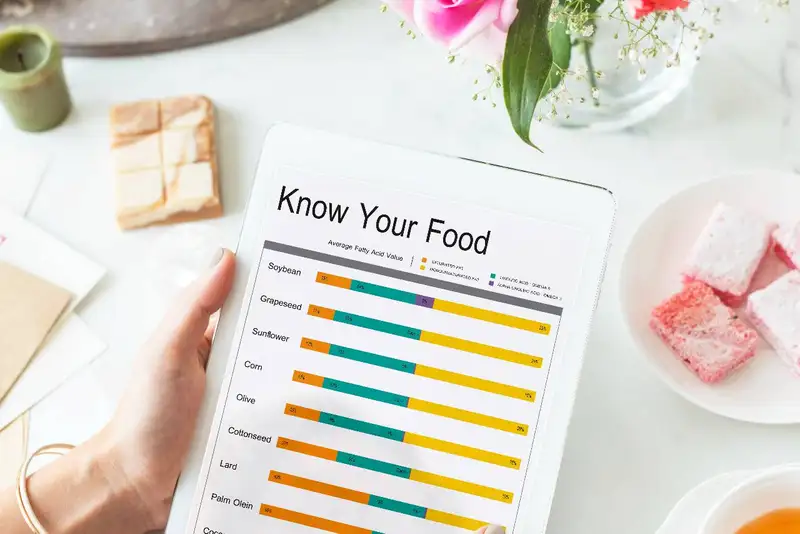
Food cost percentage is essential for anyone involved in restaurant operations, including owners, managers, chefs, and accountants. It informs critical decisions like -
1. Menu Pricing - Ensures prices cover ingredient costs while remaining competitive. For example, a $15 salad with $4.50 in ingredients yields a 30% food cost, ideal for casual dining.
2. Portion Control - Balances customer satisfaction with profitability. Oversized portions can push costs above 35%.
3. Cost Management - Helps navigate ingredient price spikes, like the 12% rise in dairy costs in 2024.
4. Profit Optimization - Encourages pairing high-cost items (e.g., lobster) with low-cost ones (e.g., rice) to achieve a target average.
For instance, if your food cost is 38% and profits are slim, you might introduce a low-cost, high-margin dessert to offset pricier entrees. Regular analysis of food cost data equips you to adapt to market challenges and maintain profitability.
Transform Your Restaurant Operations Now!
Effortless Inventory Tracking with Altametrics!
Is the Average Restaurant Food Cost Different Globally?
While dining prices vary by country due to local economies and consumer habits, restaurant food cost percentages are relatively consistent globally, ranging from 25-35% of a meal's menu price. Examples include -
1. Asia - QSRs like KFC in China target 28-30%, while fine-dining venues in Japan hit 32-35%.
2. Europe - Full-service restaurants in France or Italy aim for 30-33%, factoring in high labor and tax costs.
3. Australia - Casual dining venues maintain 29-32%, despite elevated import costs for non-local ingredients.
Global similarities stem from shared challenges- supply chain disruptions, labor shortages, and fluctuating commodity prices. For example, global wheat prices rose 6% in 2024 due to weather impacts, affecting bakeries and pizzerias worldwide. Effective inventory management and menu planning are universal strategies to keep costs in check.
Strategies to Control Food Costs
To maintain food costs within 28-35%, adopt these proven strategies
Track Inventory Daily
Conduct regular inventory counts to monitor usage and minimize waste from spoilage or over-purchasing. For example, overstocking perishable items like lettuce can inflate costs by 2-3%.
Master Menu Engineering
Categorize menu items by profitability and popularity (e.g., stars = high-profit, high-sales; dogs = low-profit, low-sales). Promote stars and reengineer or remove dogs to optimize margins.
Use a POS System
A POS with inventory integration generates product mix reports, showing which items sell well and which drag down profits. This data guides pricing and promotion decisions.
Monitor Ingredient Prices
Stay informed about market trends (e.g., 2025's projected 5% rise in seafood costs) and negotiate with suppliers or switch to cost-effective alternatives when prices spike.
Apply Menu Psychology
Design menus to highlight high-margin items using visual cues (e.g., boxes, bold text) or strategic placement (top-right corner). This can increase sales of profitable dishes by 10-15%.
Reduce Waste
Train staff on proper portioning and repurpose leftovers (e.g., vegetable scraps for stocks). Restaurants reducing waste by 5% can lower food costs by 1-2%.
Summary
In 2025, managing restaurant food costs is essential for profitability amid rising ingredient prices, labor challenges, and consumer expectations. By keeping food costs between 28% and 35%, you can price menus competitively, minimize waste, and maximize margins. Regular tracking, menu engineering, and strategic pricing are key to success.
Ready to streamline your food cost management? Explore Altametrics' powerful tools for inventory tracking, POS integration, and menu engineering. Visit Altametrics.com to schedule a free demo and elevate your restaurant's profitability today.
The Complete Guide to Restaurant Management Systems
A Practical Waste and Variance Tracking System for Restaurants
Restaurant Reporting Metrics Owners Should Watch During Recovery
A Practical Guide to Restaurant Budgeting and Forecasting
What Is a Good Average Profit Margin for a Restaurant?
Why Restaurants Need POS Integration for Labor Costs and Scheduling
6 Fast Food Inventory Metrics That Keep Food Cost in Check
How to Tell If Your Restaurant Has Outgrown Its Tech Stack
What Restaurant Technology Improves the Dining Experience?
How Restaurant Inventory Software Helps Control Food Costs
The 5 Core Financial Projections Every New Restaurant Needs
The Basics of Back of the House Management for Restaurants
How to Calculate Your Restaurant Break-Even Point
The Ultimate Guide to Food Quality and Safety for Restaurant Owners
Loyalty Program Ideas For Restaurants
The Hidden Cost of Labor Inaccuracy And Why It Explodes in Q1
Why Forecasting Errors Spike in Q1 and How Top Operators Fix Them in 90 Days
How to Schedule Employees Effectively for Your Restaurant
Which California Licenses and Permits Are Required for Restaurants?
How QR Codes Transform Restaurant Guest Experience
How to Spot and Prevent Time Theft in Your Restaurant
How to Increase Employee Productivity in Your Restaurant
California Tip Law - Tip Sharing Rules for Restaurants
How to Improve Team Communication Between FOH and BOH
How to Build Engaging Customer Loyalty Programs for Restaurants
How to Track Time Accurately for Hourly Restaurant Staff
Are You Following US Labor Laws in Your Restaurant?
How to Design High End Restaurant Loyalty Programs
The Essential Steps Involved in Sales Forecasting for Restaurants
The 6 Types of Inventory Management Reports for Restaurants
Essential CCP Food Handling Procedures Every Restaurant Must Follow
The Complete Guide to Efficient Employee Scheduling for Restaurants
The Different Methods of Sales Forecasting for Restaurants
What are the four types of inventory management for restaurants?
Daily Cash Control Checklist for Restaurant Owners
Top Inventory Management Strategies for Restaurants
Food Safety Standards Every Restaurant Owner Must Know in 2025
How to Build a Restaurant Inventory Management Process from Scratch
The Complete Guide to Restaurant Waste Management for Owners
5 Signs Your Hotel Needs to Upgrade Its Payment Processing System
The Ultimate Daily Checklist for Restaurant Owners
Are You Over-complicating Your Restaurants Payroll Process?
How Can Smart Scheduling Transform Your Restaurant's Efficiency?
What Are the Best Email Marketing Campaign Ideas for Restaurants in 2025?
How Can You Maintain Brand Consistency Across Multiple Franchise Locations?
How Can Restaurants Prevent Scheduling Conflicts and Last-Minute Absences?
What's the Most Efficient Way to Manage Tasks in a Busy Restaurant?
What Should You Look for When Interviewing Restaurant Staff?
What Is a Dram Shop Law and How Does It Affect Your Restaurant?
What Features Should Every Restaurant Ordering System Have in 2025?
What Are the Most Cost-Effective Ways to Reduce Waste in a Restaurant?
Are Your Menu Items Costing You More Than They're Worth?
How Do You Handle Overtime and Tip Credit in Restaurant Payroll?
Are You Spending Too Much Time on Payroll? Here's How to Fix it
How Can I Implement an Effective Inventory Management System in my Restaurant?
What Are the Main Inventory Costing Methods for Restaurants?
How to Optimize Order Fulfillment in Your Restaurant
How to Design an Effective Employee Training Program for Restaurants
9 Essential Workforce Management Tools Every Restaurant Needs
How to Read and Use Your Restaurants Profit and Loss Statement
How to Organize Your Restaurant's Financial Records Efficiently
Restaurant Billing 101 - Simplify Your Finances and Boost Efficiency
The Ultimate Guide to Accounts Payable Automation for Restaurant Owners
Benefits of Accounts Receivable Automation for Restaurants
Restaurant Bookkeeping 101 - A Beginner's Guide for Restaurant Owners
Invoice Management 101 - A Simple Guide for Restaurant Owners
What Are Par Levels and Why Every Restaurant Owner Should Care
5 Simple Ways to Speed Up Accounts Receivables Collections in Your Restaurant
Which Inventory Method is Best for Your Restaurant?
Setting Up an Employee Loan Program in Your Restaurant
The Ultimate Employee Onboarding Checklist for Restaurant Owners
Top 7 Payroll Mistakes Restaurant Owners Should Avoid
How to Calculate Food Cost Variance in Your Restaurant
A Guide to Understanding Customer Behavior in Restaurants
What is the Perpetual Inventory Method? A Beginner's Guide for Restaurant Owners
How to Use Customer Data to Personalize the Dining Experience and Build Loyalty
5 Key Steps to Streamline Your Restaurant's Employee Onboarding Process
Top 10 California Employment Laws Every Restaurant Owner Must Know
How to Create Custom Recipe Templates for Your Restaurant Kitchen
10 Smart Ways To Use Food Handling Gloves To Ensure Kitchen Safety
What to Look for When Selecting a Bluetooth Wireless Meat Thermometer
Essential Food Safety Regulations Every Restaurant Must Follow in 2025
5 Practical Strategies to Cut Food Waste in Your Restaurant
Understanding Restaurant Food Cost Percentage in 2025 - Strategies for Profitability
Top 7 Food Safety Organizations You Need to Know About in 2025
The Restaurant Owner's Guide to Streamlining Supply Chain Processes
How to Efficiently Calculate and Manage Labor Cost in Restaurants
Key Elements of a Successful Restaurant Scheduling System
How to Reduce Labor Costs in Your Restaurant Without Sacrificing Service
5 Best Practices for Food Inventory Management to Reduce Waste
Understanding California Overtime Laws for Restaurants
Top Features to Look for in an Electronic Time Clock for Restaurants
The Best Employee Rewards Programs for Restaurants
How a Restaurant Scheduling App Helps You Avoid Common Scheduling Mistakes
Features to Look for in a Clock-In Machine for Restaurants
How to Improve Time and Attendance Tracking in Your Restaurant
How California Work Week Laws Affect Restaurant Scheduling
Best Practices for Calculating Payroll Hours in Restaurants
How Technology Can Improve Employee Management in Restaurants
California Employment Laws Every Hotel Owner Should Know in 2025
California's Updated Overtime and Break Laws for Restaurants
10 Essential Work Schedules for Running a Smooth Restaurant Operation
How to Accurately Calculate Work Hours for Your Restaurant Staff
Best Practices for Managing Employee Time and Attendance in Restaurants
How to Create an Efficient Restaurant Weekly Schedule That Boosts Productivity
Top 5 Benefits of Automating Your Business Workflows
The Power of API Integrations - Connecting Your Business Tools Seamlessly
The Importance of Seamless Integrations in Today's Business Landscape
How Workflow Automation Can Save Small Businesses Thousands of Dollars
How Any Connector Simplifies API Integrations for Your Business
Empowering Your Employees with Automation- A Win-Win Strategy
Building a Business Case for Automation in Your Organization
Automation in Hospitality - Streamlining Guest Experiences
5 Ways Restaurants Can Leverage Automation for Operational Success
The Ultimate Guide to Accurate Inventory Counting in Restaurants
How to Effectively Reduce Expenses and Increase Staff Engagement in Your Restaurant
How to make sure you will always meet labor goals before you run payroll
How to reduce labor costs without retraining your management team.
How to clone a proven employee scheduling system your managers will love without hiring expensive consultants.
3 top reasons your managers should always earn their bonuses
How to guarantee your franchise technology rollout will be a success
How to reduce labor costs by 3-5% without ever using an excel spreadsheet again
Why your IT team has to provide better mobile apps for you to stay competitive
How to streamline your business operations test for maximum efficiency
How to make sure your technology projects are on time and on budget
Why employee engagement and retention are the keys to improving profitability
The easy way to write great employee schedules
How to manage your restaurant inventory planning to ensure you're never caught short
5 Basic Inventory Management Tips That Can Save You Money
Top 3 Reasons Why You Need Cloud-Based Inventory Management Software
The Best Food Service Management Companies in the Industry
7 Tips for Choosing the Best Restaurant Directory Software
Top 11 Types of Food Safety Labels- Know the Difference to Protect Yourself
10 Inventory Management Stock Control Tips For Your Business
The Benefits of HR Software Reporting For Professionals
5 Top HR Software Solutions To Consider For Your Business
Tips for Retaining Hourly Restaurant Employees
Hurdles That Keep Restaurant Chains From Becoming The Employer Of Choice
Why You Should Start Using Restaurant Payroll Software
How To Make The Most Out Of Your Simple Inventory Management Software
Food Waste Management- 6 Strategies to Reduce the Impact of Food Waste
The Average Restaurant Food Cost Percentage & What You Can Do About It
Inventory Management Best Practices- A Guide to Controlling Your Inventory
How to Choose the Right Restaurant Dashboard Software for Your Needs
Five Ways That Food And Safety Come Together For Great Benefits
5 Free Inventory Management Tools for Small Businesses
3 Ways You Can Get Your Employees to Love Cloud-based HR and Payroll Software
5 Ways to Improve Your Multi Channel Inventory Management
5 Tips for Food Safety and Sanitation- What You Need to Know
What You Need to Know About Food Safety Issues and How To Prevent Them
The Best Restaurant Point of Sale Software for Your Business
The Best Restaurant Loyalty Programs- Which One Is Right for You?
Top 5 Best Bluetooth Meat Thermometers- Powering Up Grilling and Smoking
The Best Free Employee Scheduling Apps to Help Your Business Run Smoothly
Food Safety Temperature Chart- Safe Temperatures for Cooking and Storing Food?
Danger Zone Food Safety and How to Keep Your Food From Spoilage
5 Tips for Choosing the Best Kitchen Equipment Supplier
Mobile Device Inventory Management- A Guide to Help You Do It Right
Food Safety Rules You Should Always Follow to Keep Your Family Safe
4 Steps to Food Safety - How to Stay Safe and Avoid Food Poisoning
What To Eat? The FDA Food Safety Reforms You Need To Know About
Top Free Inventory Management Software for Small Businesses
4 Types of Inventory Management Systems and How They Affect Your Business
HR Recruitment Software- Why Restaurant Chains Fail To Become Preferred Choice
Food Waste Management Solutions- The Ultimate Guide to Eliminating Food Waste
HR Software Solutions- Tips For Retaining Hourly Restaurant Employees
How Restaurant Food Suppliers Are Important To A Business
What Are The Best Restaurant Paper Goods Suppliers?
The Ultimate Guide to Inventory Management Techniques
5 Questions to Ask Yourself Before Hiring a Food Service Management Company
Ordering Management System- Issues Faced by Multi-Chain Restaurants In 2022
The Food Safety System Management- How To Optimize Your Process
The Best Employee Time Clock Machines for Your Business
The Top 5 Reasons to Switch to Cloud Based HR Software
Our Top 5 Best Employee Scheduling Apps For Small Businesses
Food Manual Handling- What You Need to Know and Why It Matters
Best POS System For Restaurant- What To Look Out For and Things To Consider
8 Tips for Successful Financial Management In Food Service
5 Tips for Improving Your Data Integration Software
America's Fastest Growing Restaurant Chains That You Probably Haven't Heard Of
The Best Employee Shift Planning Manager | Employee Scheduling & Shift Planning
Free Employee Time Clock to Give Your Business a Competitive Edge
HR Timesheet Software- What To Look For and How It Works
Tracking Time Effectively- The Best HR Time Tracking Software
Supply And Demand Management- The Best Ways To Manage Your Supply Chain.
Employee Data Technology- How This Trend is Transforming Your Organization.
The Best Inventory Management Software- The Ultimate Guide