




Overview
Attracting more customers is essential for increasing restaurant revenue, improving profitability, and building a sustainable business. Every restaurant depends on a steady flow of diners to generate sales, cover operating expenses, and maintain consistent business performance. When customer traffic declines, restaurants may struggle to cover fixed costs such as rent, utilities, equipment, and employee wages. Finding effective ways to attract new customers helps restaurant owners maintain sales momentum and create opportunities for long-term growth.
However, getting more customers is not simply about filling empty tables. Restaurant owners need to attract the right customers, encourage repeat visits, and increase the value of each transaction. A restaurant that consistently attracts new diners but fails to retain them may spend more on marketing without building a reliable customer base.
There are several reasons why customer acquisition should be a priority for restaurant owners -
1. Increase Restaurant Revenue - More customers create additional sales opportunities. Whether diners visit for lunch, dinner, takeout, or delivery, increasing order volume can help restaurants generate more revenue.
2. Improve Profitability - Higher customer traffic can help restaurants distribute fixed operating expenses across more transactions. However, additional sales must be managed carefully to account for food costs, labor expenses, and other variable costs.
3. Build Brand Awareness - Every new customer represents an opportunity to introduce the restaurant to a wider audience. Satisfied diners may recommend the restaurant to friends, share their experiences online, and generate valuable word-of-mouth exposure.
4. Increase Repeat Business - Attracting new customers gives restaurants an opportunity to build long-term relationships. Consistent food quality, excellent service, and loyalty programs can encourage first-time visitors to return.
5. Strengthen Market Position - Restaurants that consistently attract customers can build stronger recognition within their local markets. A growing customer base also provides more opportunities to compete with nearby restaurants.
Understanding why potential customers choose other restaurants is an important first step toward improving customer acquisition. Several factors can prevent restaurants from attracting new diners, including -
1. Poor online visibility - Restaurants that do not appear in local search results or maintain updated business listings may miss opportunities to reach people searching for nearby dining options.
2. Weak marketing efforts - Inconsistent social media activity, limited advertising, and unclear promotional messages can make it difficult to attract potential customers.
3. Strong local competition - Restaurants competing in crowded markets need to differentiate themselves through their menus, pricing, customer experience, and overall value.
4. Negative customer reviews - Poor ratings and unresolved complaints can discourage potential diners from choosing a restaurant.
5. Inconsistent customer experience - Long wait times, unreliable food quality, and poor service can damage a restaurant's reputation and reduce repeat visits.
Restaurant owners should approach customer acquisition as an ongoing business strategy rather than relying on occasional discounts or advertising campaigns. The goal is to create multiple opportunities for potential customers to discover the restaurant, give them compelling reasons to visit, and deliver an experience that encourages them to return.
By combining effective marketing with strong restaurant operations and customer retention strategies, owners can build a more consistent customer base and support sustainable business growth.
Understand Your Target Customers and Local Market

Before investing in marketing campaigns or restaurant promotions, owners need to understand who they want to attract and what those customers expect. Not every restaurant appeals to the same audience. Families may prioritize affordable meals and comfortable dining environments, while young professionals may look for convenient locations, quick service, and unique menu options. Identifying the right audience helps restaurants develop marketing strategies that reach people who are more likely to visit and become regular customers.
Understanding the local market is equally important. Restaurants operate within specific geographic areas, and their ability to attract customers often depends on nearby residents, employees, tourists, and other potential diners. Researching local demand and competitor activity helps owners identify opportunities to differentiate their businesses.
Here are ways to understand your target customers and local market -
1. Identify Your Ideal Customer
Start by defining the types of customers most likely to visit your restaurant. Consider factors such as-
Demographics - Age, income level, occupation, household size, and lifestyle.
Dining preferences - Favorite cuisines, dietary requirements, portion sizes, and preferred dining experiences.
Spending habits - Average dining budgets, willingness to pay for premium menu items, and sensitivity to promotions.
Visit frequency - How often customers dine out and whether they prefer breakfast, lunch, dinner, or late-night dining.
Location - Where potential customers live, work, study, or spend their free time.These details help restaurant owners create more relevant menus, pricing strategies, promotions, and marketing messages.
2. Research Nearby Restaurant Competitors
Analyze restaurants operating within your target market to understand how they attract customers. Review their menus, pricing, operating hours, promotions, online presence, and customer reviews.
Pay attention to what competitors offer that your restaurant does not. For example, nearby restaurants may attract lunch customers through affordable meal combinations, while others may focus on delivery convenience or family-friendly dining.
Look for opportunities to differentiate your restaurant rather than simply copying competing businesses. This could involve offering unique menu items, improving service speed, providing better value, or creating a more appealing dining environment.
3. Analyze Customer Feedback and Preferences
Customer feedback provides valuable information about what diners appreciate and where a restaurant needs improvement. Collect feedback through online reviews, customer surveys, comment cards, and direct conversations with diners.
Look for recurring comments about food quality, menu variety, pricing, portion sizes, service speed, and overall experience. If customers frequently request vegetarian options or more affordable lunch choices, these patterns may reveal opportunities to attract additional diners.
Use this information to make informed decisions about menu development, service improvements, and promotional campaigns.
4. Use POS Data to Understand Purchasing Behavior
A restaurant's point-of-sale (POS) system can provide useful insights into customer purchasing patterns. Reviewing sales reports helps owners identify which products customers purchase most frequently, when demand is highest, and how much customers typically spend per transaction.
Focus on metrics such as -
Average order value - Understand how much customers spend per transaction.
Menu item popularity - Identify the dishes and drinks that generate the most orders.
Peak sales periods - Determine when customer demand is highest.
Sales by channel - Compare dine-in, takeout, and delivery performance.
Promotional performance - Evaluate whether discounts and special offers generate additional orders.
These insights can help restaurant owners develop targeted promotions, improve menu offerings, and identify opportunities to attract customers during slower periods.
5. Segment Your Audience and Customize Marketing
Once you understand your customers, divide them into groups based on their preferences, behaviors, and dining habits. This allows restaurants to create more relevant marketing campaigns instead of sending the same message to everyone.
For example, office workers may respond to weekday lunch specials, families may be interested in group dining packages, and frequent customers may appreciate exclusive loyalty rewards.
Tailor promotional messages, advertising campaigns, and special offers to each audience segment. When marketing addresses specific customer needs, restaurants can make their offers more appealing and improve the chances of converting potential diners into paying customers.
Dive Deeper into Customer Insights!
Capture Key Insights with Altametrics
Improve Your Restaurant's Online Visibility
Many potential customers search online before deciding where to eat. They may use Google to find nearby restaurants, browse menus, compare ratings, or check operating hours. If your restaurant does not appear in relevant search results or provide accurate information online, potential diners may choose a competitor instead. Improving online visibility helps restaurants reach more people, attract local customers, and generate additional reservations, walk-ins, and online orders.
Here are ways to improve your restaurant's online visibility -
1. Optimize Your Google Business Profile
A Google Business Profile helps your restaurant appear in Google Search and Google Maps when people look for nearby dining options. Keeping this profile complete and updated makes it easier for potential customers to discover your business.
Make sure your profile includes -
Accurate business information - Add your restaurant's name, address, phone number, website, and operating hours.
Updated menu - Include current menu items, prices, and available dining options.
High-quality photos - Upload appealing pictures of food, the dining area, and the restaurant's exterior.
Business categories - Select relevant categories that accurately describe your restaurant.
Regular updates - Share special offers, seasonal menus, events, and important business announcements.
2. Invest in Local SEO
Local search engine optimization (SEO) helps your restaurant appear when people search for dining options in a specific geographic area. Optimize your website using relevant location-based keywords, such as "Italian restaurant in Chicago" or "best breakfast near downtown."
Create dedicated location pages if your restaurant operates across multiple locations. Include relevant information about each location, such as its address, menu, contact details, and operating hours.
Also, maintain consistent business information across online directories and restaurant listing platforms. This makes it easier for search engines and potential customers to find accurate information about your restaurant.
3. Build a Mobile-Friendly Restaurant Website
Your website should make it easy for visitors to find information and take action. Ensure it loads quickly, works properly on smartphones, and provides simple navigation.
Include essential information such as your menu, location, operating hours, contact details, reservation options, and online ordering links. Use high-quality food photography to showcase your offerings and encourage visitors to explore your menu.
4. Maintain Accurate Online Listings
Customers often discover restaurants through platforms such as Yelp, TripAdvisor, and other local business directories. Claim your restaurant listings and regularly update business information, including addresses, phone numbers, menus, and operating hours.
Inaccurate or outdated information can frustrate potential customers and cause them to visit competing businesses instead.
5. Publish Useful Website Content
Create relevant content that helps potential customers discover your restaurant through organic search. Publish articles about menu specialties, seasonal dishes, local dining recommendations, and upcoming events.
For example, a restaurant specializing in seafood could publish content about its signature seafood dishes or explain how it sources fresh ingredients. Incorporate relevant search terms naturally and provide useful information that matches what potential customers are looking for.
Improving online visibility makes it easier for potential customers to discover your restaurant when they are actively searching for dining options. By optimizing your Google Business Profile, investing in local SEO, maintaining accurate listings, and building a user-friendly website, you can reach more local diners and create additional opportunities to generate restaurant traffic.
Use Social Media Marketing to Reach More Customers
Social media gives restaurants an opportunity to connect with potential customers, showcase their food, and build awareness within their local communities. Platforms such as Instagram, Facebook, and TikTok allow restaurant owners to share photos, videos, promotions, and updates that encourage people to visit. An active social media presence can also help restaurants stay connected with existing customers and reach new audiences without relying entirely on paid advertising.
However, simply creating social media accounts is not enough. Restaurants need to publish engaging content consistently and give potential customers compelling reasons to visit. Here are ways to use social media to attract more restaurant customers.
1. Choose the Right Social Media Platforms
Focus on platforms where your target customers spend their time. Instagram is useful for showcasing food photography, short videos, and restaurant experiences. Facebook can help restaurants promote events, share business updates, and connect with local communities. TikTok provides opportunities to reach new audiences through short-form videos, food trends, and behind-the-scenes content.
Rather than trying to maintain an active presence everywhere, prioritize the platforms that best match your audience and marketing objectives.
2. Share High-Quality Food Photos and Videos
Food photography and videos can influence where people choose to eat. Share visually appealing content that highlights signature dishes, popular menu items, seasonal specials, desserts, and beverages.
Use natural lighting, clear images, and attractive presentation to make menu items look appealing. Short videos showing food preparation, cooking techniques, or finished dishes can also capture attention and encourage people to explore your menu.
3. Publish Consistent and Engaging Content
Create a content schedule to keep your restaurant visible and maintain audience engagement. Avoid making every post a sales promotion. Instead, publish a variety of content that gives followers a reason to interact with your business.
Consider sharing -
Behind-the-scenes videos - Show food preparation, kitchen activities, and employees at work.
Daily specials - Highlight limited-time menu items and exclusive offers.
Restaurant updates - Announce new menu launches, extended hours, and upcoming events.
Customer experiences - Share customer-generated photos and videos with permission.
Interactive posts - Use polls, questions, and contests to encourage audience participation.
4. Use Location Tags and Local Hashtags
Help nearby customers discover your restaurant by adding location tags to social media posts and stories. Include your restaurant's location and relevant local hashtags to improve content discoverability.
For example, a restaurant in Miami could use location-specific hashtags such as MiamiRestaurants or MiamiFood. You can also tag nearby attractions, neighborhoods, and local businesses when relevant.
These tactics help connect your content with people who may be interested in dining at your restaurant.
5. Work With Local Influencers and Run Paid Campaigns
Partner with local food influencers and content creators who have audiences that match your target customers. Invite them to experience your restaurant and share honest opinions about the food, service, and atmosphere. Make sure partnerships are clearly disclosed and align with applicable advertising requirements.
You can also use paid social media advertising to reach potential customers based on geographic location, interests, and other available audience characteristics. Promote special offers, new menu items, and restaurant events to people within a practical distance of your location.
Monitor engagement, website visits, reservations, and orders to understand which campaigns generate meaningful results.
By publishing engaging content, using local targeting, and combining organic posts with paid campaigns, restaurant owners can reach new audiences and create more opportunities to bring customers through the door.
Create Restaurant Promotions That Encourage More Visits

Restaurant promotions give potential customers additional reasons to choose your business over competing dining options. Special offers, discounts, and limited-time deals can generate interest, encourage first-time visits, and increase sales during slower business periods. When designed carefully, promotions can also introduce customers to new menu items and encourage existing diners to visit more frequently.
However, restaurant owners should avoid offering discounts without considering their impact on profitability. Every promotion should have a clear objective, target audience, and measurable outcome. Here are six promotional strategies to attract more restaurant customers.
1. Offer Limited-Time Discounts and Special Deals
Limited-time offers create urgency and encourage customers to visit before a promotion expires. Restaurants can introduce discounts on selected menu items, special meal combinations, or seasonal dishes.
For example, a restaurant could offer a 15% discount on selected entrees for a limited period or introduce a special menu available only during a particular month. These promotions can attract customers who are interested in trying something new while giving existing diners another reason to return.
2. Introduce Happy Hours and Weekday Specials
Slow business periods can create opportunities to attract additional customers through targeted promotions. Happy hours, discounted appetizers, lunch combinations, and weekday specials can encourage people to visit when restaurant traffic is typically lower.
For example, restaurants can offer discounted beverages and appetizers during early evening hours or affordable lunch combinations for nearby office workers.
The goal is to generate additional transactions without relying on discounts during periods when customer demand is already high.
3. Create Family Meal Deals and Group Packages
Family meal deals and group dining packages can help restaurants attract larger parties and increase the average order value. Instead of requiring customers to purchase individual meals, create packages that combine entrees, sides, appetizers, and beverages at an attractive price.
Consider offering -
- Family dinner packages for four or more people.
- Group lunch specials for office teams.
- Shared appetizer platters for larger parties.
- Birthday dining packages with special menu options.
These offers make group dining more convenient while creating opportunities to generate larger orders.
4. Develop Seasonal and Holiday Promotions
Seasonal promotions help restaurants create excitement around their menus and connect their offerings with customer interests throughout the year.
Introduce special dishes for holidays, summer menus, winter comfort foods, or seasonal ingredients. Promote these offerings through social media, email newsletters, and in-store advertising to generate awareness before the promotion begins.
5. Launch Customer Referral Promotions
Encourage existing customers to introduce friends and family to your restaurant through referral offers. For example, customers could receive a discount or loyalty reward when someone they refer makes a qualifying purchase.
Referral promotions can help restaurants generate word-of-mouth exposure while giving existing customers an incentive to recommend the business.
6. Measure the Performance of Every Promotion
Track promotional performance to determine whether offers actually generate additional revenue and profitable customer visits. Monitor metrics such as redemption rates, transaction volume, average order value, food costs, and total promotional expenses.
Compare sales during promotional periods with typical performance during similar periods. This helps identify which offers attract additional customers and which simply reduce revenue from customers who would have visited anyway.
By offering targeted discounts, weekday specials, group packages, and seasonal deals, restaurant owners can encourage more people to visit while protecting their profit margins.
Empower Your Marketing Strategies!
Step Up Your Marketing with Altametrics
Build a Strong Online Reputation Through Customer Reviews
Online reviews play an important role in how potential customers discover and evaluate restaurants. Before choosing where to eat, many people check ratings, read customer feedback, and compare experiences across platforms such as Google, Yelp, and TripAdvisor. A restaurant with positive reviews and thoughtful responses can build trust and make a stronger impression on potential diners.
For restaurant owners, managing online reviews is not just about maintaining a high rating. It is also an opportunity to understand customer expectations, identify operational problems, and improve the dining experience. Here are five ways to use customer reviews to attract more restaurant customers.
1. Encourage Satisfied Customers to Leave Reviews
Satisfied customers can help strengthen your restaurant's online reputation by sharing their experiences. However, many diners leave without writing a review unless they are specifically reminded.
Make it easy for customers to provide feedback by using -
QR codes - Place review links on receipts, table cards, or other appropriate materials.
Follow-up messages - Send polite review requests to customers who have opted in to receive communications.
Receipt reminders - Include a short message inviting customers to share their dining experience.
Staff engagement - Train employees to encourage feedback naturally without pressuring customers.
Focus on requesting honest feedback rather than asking specifically for positive ratings. Follow each review platform's policies regarding review solicitation and incentives.
2. Maintain a Consistent Review Presence Across Platforms
Customers use different websites and applications to evaluate restaurants. Some rely on Google reviews, while others prefer Yelp, TripAdvisor, or specialized dining platforms.
Claim and maintain your restaurant's profiles on relevant platforms. Ensure that business information, menus, photos, contact details, and operating hours are accurate.
Monitor these platforms regularly to understand how customers perceive your restaurant and identify feedback that requires attention.
3. Respond to Positive and Negative Reviews
Responding to reviews demonstrates that your restaurant values customer feedback. Thank customers who share positive experiences and acknowledge specific details they mention about the food, service, or atmosphere.
Negative reviews require a thoughtful and professional response. Avoid arguing with customers or becoming defensive. Instead -
- Acknowledge the customer's concerns.
- Apologize when the restaurant has fallen short of expectations.
- Explain how the issue will be addressed when appropriate.
- Invite the customer to contact the restaurant privately to discuss the matter further.
A professional response can demonstrate accountability to both the reviewer and potential customers reading the conversation.
4. Use Customer Feedback to Improve Restaurant Operations
Reviews can reveal recurring problems that may prevent customers from returning. For example, repeated complaints about slow service could indicate scheduling or workflow problems, while negative comments about food quality may highlight inconsistencies in preparation.
Categorize feedback into areas such as food quality, service, cleanliness, pricing, and wait times. Look for patterns rather than reacting to every individual comment in isolation.
Use these insights to improve employee training, kitchen procedures, menu offerings, and overall customer experience.
5. Monitor Ratings and Online Reputation Trends
Track your restaurant's average ratings, review volume, and customer sentiment over time. Pay attention to changes following menu updates, service improvements, or promotional campaigns.
Compare feedback across platforms to identify recurring strengths and weaknesses. If ratings decline, investigate the underlying reasons and develop an improvement plan.
Avoid purchasing fake reviews or manipulating ratings. Authentic customer feedback provides more reliable information and helps establish long-term credibility.
A strong online reputation helps restaurants build credibility and influence potential customers' dining decisions. By encouraging honest reviews, responding professionally to feedback, and addressing recurring complaints, restaurant owners can strengthen customer trust and create more opportunities to attract new diners.
Use Loyalty Programs and Community Engagement
Attracting new customers is important, but restaurant owners also need to give diners reasons to return. Repeat customers provide opportunities for consistent sales, stronger customer relationships, and valuable word-of-mouth recommendations. Loyalty programs and community engagement help restaurants stay connected with their audiences while encouraging more frequent visits.
Rather than relying entirely on discounts and advertising to attract customers, restaurants can build lasting relationships by rewarding repeat purchases, personalizing offers, and becoming active members of their local communities.
Here are five strategies to build customer loyalty and attract more diners.
1. Introduce a Restaurant Loyalty Program
A restaurant loyalty program rewards customers for making repeat purchases. It gives diners an incentive to choose your restaurant again instead of visiting competitors.
Common loyalty program structures include -
Points-based programs - Customers earn points for every purchase and redeem them for discounts or free menu items.
Visit-based rewards - Customers receive a reward after visiting a certain number of times.
Tiered membership programs - Frequent customers unlock additional benefits as they reach higher spending or activity levels.
Exclusive member offers - Members receive special discounts, early access to new menu items, or invitations to restaurant events.
Choose a structure that is easy to understand and provides rewards customers actually value. Keep redemption requirements reasonable so customers have a realistic opportunity to benefit.
2. Personalize Offers Based on Customer Preferences
Personalized promotions can make customers feel recognized and give them relevant reasons to revisit your restaurant.
Use customer purchasing history and loyalty program information to understand dining preferences and develop targeted offers. For example, customers who frequently order lunch could receive weekday lunch promotions, while customers who regularly purchase desserts could receive offers featuring new dessert menu items.
Restaurant owners can also send birthday rewards, anniversary offers, and special promotions to loyal customers.
Make sure customer data is collected and used responsibly, with appropriate consent and compliance with applicable privacy requirements.
3. Use Email and SMS Marketing to Stay Connected
Email and SMS marketing allow restaurants to communicate directly with customers who have agreed to receive promotional messages.
Use these channels to share -
- New menu items and seasonal offerings.
- Upcoming restaurant events and special occasions.
- Exclusive loyalty program rewards.
- Limited-time promotions and discounts.
- Important restaurant updates and announcements.
Avoid sending messages too frequently. Focus on relevant offers and useful updates that encourage customers to engage with your restaurant rather than ignore your communications.
4. Partner With Local Businesses and Organizations
Building relationships with nearby businesses can help restaurants reach audiences beyond their existing customer base.
Consider partnering with -
Local offices - Offer lunch packages or catering options for employees.
Gyms and fitness centers - Promote healthy menu options to their members.
Hotels - Connect with visitors looking for nearby dining options.
Schools and community organizations - Participate in appropriate fundraising events and community activities.
Nearby retailers - Develop cross-promotional offers that introduce each business to the other's customers.
These partnerships create opportunities to increase local awareness and attract customers who may not have discovered your restaurant otherwise.
5. Participate in Local Events and Community Activities
Community involvement helps restaurants build recognition and establish stronger relationships with people in their neighborhoods.
Participate in food festivals, farmers' markets, charity events, neighborhood celebrations, and local business gatherings. Restaurants can also organize their own activities, such as themed dining nights, seasonal celebrations, and food-tasting events.
Use these opportunities to introduce your menu, distribute promotional materials, and encourage attendees to visit your restaurant.
Improve Customer Retention
Attracting new customers is only part of growing a successful restaurant. Owners also need to create experiences that encourage diners to return and recommend the business to others. Customer retention helps restaurants build a more predictable revenue stream, reduce dependence on continuous customer acquisition, and increase the long-term value of their customer base.
However, retaining customers requires more than offering occasional discounts. Restaurants need to deliver consistent food quality, reliable service, and a convenient dining experience. At the same time, measuring marketing performance helps owners understand which strategies attract customers and generate profitable sales.
Here are ways to improve customer retention and measure restaurant marketing performance.
1. Maintain Consistent Food Quality and Service
Customers expect a consistent experience whenever they visit a restaurant. Differences in food quality, portion sizes, preparation times, or service standards can discourage repeat visits.
Establish clear food preparation procedures, standardize recipes, and train employees to follow consistent service practices. Monitor ingredient quality, food presentation, and order accuracy to ensure customers receive the same level of quality across every visit.
Consistency helps build customer trust and gives diners a reason to choose your restaurant again.
2. Improve the Overall Dining Experience
The customer experience extends beyond the food served. Restaurant cleanliness, employee friendliness, waiting times, payment convenience, and dining atmosphere all influence whether customers return.
Identify areas where your restaurant can make the experience more convenient and enjoyable.
Consider the following improvements -
- Reduce waiting times by improving table management and kitchen workflows.
- Train employees to communicate clearly and handle customer requests professionally.
- Maintain clean dining areas, restrooms, and food preparation spaces.
- Simplify ordering and payment processes.
- Provide convenient reservation, takeout, and delivery options.
Small operational improvements can make a meaningful difference in customer satisfaction and retention.
3. Collect Feedback and Address Customer Complaints
Regular customer feedback helps restaurant owners identify problems before they affect long-term customer relationships. Encourage diners to share their experiences through surveys, online reviews, and direct conversations with employees.
Pay particular attention to recurring complaints about food quality, service speed, pricing, and order accuracy. Investigate the underlying causes and assign responsibility for implementing improvements.
When customers report problems, respond professionally and take reasonable steps to resolve them. Demonstrating that feedback leads to meaningful improvements can help restore customer confidence.
4. Track Important Customer and Marketing Metrics
Restaurant owners should monitor key performance indicators (KPIs) to understand whether their customer acquisition and retention strategies are working.
Important metrics include -
Customer Acquisition Cost (CAC) - Measures how much your restaurant spends to acquire each new customer.
Customer Retention Rate - Measures the percentage of customers who continue visiting over a specific period.
Repeat Customer Rate - Shows how frequently customers return after their initial visit.
Average Order Value (AOV) - Measures the average amount customers spend per transaction.
Customer Lifetime Value (CLV) - Estimates the total revenue a customer generates throughout their relationship with the restaurant.
Marketing Return on Investment (ROI) - Evaluates the financial return generated by marketing activities compared with their costs.
Tracking these metrics helps owners understand whether marketing campaigns are attracting valuable customers and supporting profitable growth.
5. Use POS Reports to Refine Your Marketing Strategy
A restaurant's POS system can provide useful sales and transaction data to evaluate marketing performance. Review reports regularly to identify popular menu items, peak dining periods, average transaction values, and sales trends.
Compare performance before, during, and after promotional campaigns to understand which activities generate additional business. For example, if weekday lunch promotions increase transaction volume without significantly reducing profit margins, they may be worth continuing.
Use these insights to adjust marketing budgets, improve promotional offers, and focus on customer segments that generate stronger long-term value.
The bottom line - Sustainable restaurant growth requires both attracting new customers and giving existing diners reasons to return. By improving food quality, customer service, and operational efficiency while monitoring customer retention and marketing KPIs, restaurant owners can make better business decisions and build a more profitable customer base.
Build Customer Loyalty!
Create your rewards program today!
Frequently
Asked Questions
How can I attract more customers to my restaurant?
Attract more customers by improving local SEO, maintaining an active social media presence, offering appealing promotions, encouraging online reviews, and building relationships with nearby businesses. Consistent food quality and excellent customer service also encourage repeat visits and word-of-mouth recommendations.
How can I increase foot traffic in my restaurant?
Increase restaurant foot traffic through local advertising, weekday specials, happy hours, community events, storefront promotions, and partnerships with nearby businesses. Improving Google Business Profile visibility also helps nearby customers discover your restaurant when searching for dining options.
How can I get more customers through Google?
Optimize your Google Business Profile with accurate business information, updated menus, attractive photos, and operating hours. Encourage honest customer reviews, maintain consistent online listings, and use local SEO to improve your restaurant's visibility in relevant searches.
What promotions attract the most restaurant customers?
Popular restaurant promotions include happy hours, limited-time discounts, family meal packages, weekday specials, seasonal menus, and referral rewards. The most effective promotions depend on customer preferences, dining habits, and the restaurant's profit margins.
Must-Read Content
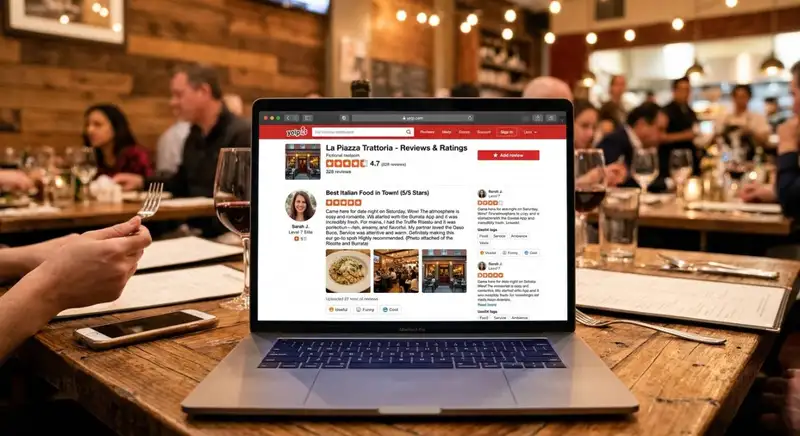
How to Get More Yelp Reviews for Your Restaurant
Learn how to improve Yelp reviews by optimizing your restaurant profile, delivering excellent service, managing feedback, and building a trustworthy online reputation.
How to Manage Tasks in a Restaurant
Learn how to manage tasks in a restaurant by organizing responsibilities, prioritizing duties, assigning employees, tracking progress, and using technology effectively.

The Complete Guide to Restaurant Reputation Management
Restaurant reputation management helps restaurant owners monitor reviews, respond to feedback, improve customer experiences, protect their reputation, and build trust.

