




Overview
Running a restaurant involves managing multiple operations simultaneously, from employee scheduling and inventory tracking to food safety, timekeeping, and financial reporting. Each function requires accurate information and consistent oversight to keep the business running smoothly. However, when restaurant owners rely on several disconnected software systems, managing these responsibilities can become complicated and time-consuming.
Using separate tools for different tasks often creates information gaps, duplicate data entry, and additional administrative work. Managers may need to switch between platforms to review employee attendance, monitor labor expenses, check inventory levels, or evaluate restaurant performance. When these systems do not communicate effectively, obtaining an accurate picture of daily operations becomes more difficult. Important information can also be overlooked, making it harder to identify inefficiencies and respond to problems quickly.
All-in-one restaurant management software addresses these challenges by bringing essential management functions together within a centralized platform. Instead of relying on multiple disconnected tools, restaurant owners can use integrated features to oversee different aspects of their operations. Depending on the platform, these capabilities may include workforce scheduling, time and attendance tracking, inventory management, food safety monitoring, task management, and business reporting.
The main advantage of this approach is improved visibility and coordination across restaurant operations. Managers can access relevant information more easily, reduce repetitive administrative tasks, and monitor important performance indicators without constantly switching between systems. Having connected operational data also makes it easier to identify cost discrepancies, evaluate staffing needs, and make informed business decisions.
For restaurant owners looking to improve efficiency and maintain better control over their businesses, adopting an all-in-one management platform can provide several practical advantages. Understanding these benefits can help determine whether consolidating restaurant management functions is the right approach for improving daily operations and supporting long-term business growth.
Benefit 1. Streamlined Restaurant Operations
Restaurant operations involve numerous interconnected responsibilities that must be coordinated throughout each shift. Managers need to oversee employee schedules, monitor attendance, track inventory, manage food safety procedures, and ensure daily tasks are completed. When these responsibilities are handled through separate systems, keeping everything organized can require additional time and effort. All-in-one restaurant management software streamlines operations by bringing essential management functions together in one centralized platform.
One major advantage is having access to multiple operational tools without constantly switching between applications. For example, managers can use workforce management features to create employee schedules, monitor clock-in and clock-out records, and review labor information. Inventory management tools can provide visibility into stock levels and ingredient usage, while task management features help organize daily responsibilities and track completion. Having these capabilities connected makes it easier to coordinate different activities.
Centralized information also reduces operational gaps between departments. Restaurant managers can access relevant updates and records more easily instead of relying on separate spreadsheets, paper documents, or manual communication. When scheduling, timekeeping, and operational information are connected, managers can identify issues sooner and respond before they disrupt service. This improves coordination between front-of-house and back-of-house teams.
Another important advantage is establishing more consistent workflows. Restaurant owners can use centralized systems to standardize recurring responsibilities, monitor operational procedures, and ensure employees follow established processes. For businesses operating multiple locations, this visibility can make it easier to maintain similar management standards across different restaurants.
Additionally, streamlined operations reduce the effort required to oversee routine activities. Managers spend less time searching for information, updating separate systems, and reconciling records. Instead, they can focus more attention on supervising employees, maintaining service quality, and addressing operational priorities.
Streamlining restaurant operations helps owners manage multiple responsibilities with greater visibility and less complexity. By consolidating essential management functions, all-in-one restaurant management software creates a more organized operating environment where managers can coordinate daily activities and maintain better control over their businesses.
All in One Workforce Management Solution
Streamline Your Restaurant's Success with Altametrics
Benefit 2. Improved Communication Across Restaurant Teams
Effective communication is essential for keeping restaurant operations organized and ensuring employees understand their responsibilities. From communicating shift changes to coordinating food preparation and sharing operational updates, restaurant teams depend on accurate information throughout the day. However, when communication relies on scattered messages, paper schedules, and disconnected software, important details can easily be missed. All-in-one restaurant management software improves team communication by centralizing operational information and making it easier for managers and employees to stay informed.
One important advantage is providing employees with easier access to scheduling information. Managers can publish work schedules, communicate shift assignments, and share updates through workforce management tools. Employees can review their upcoming shifts and stay informed about schedule changes without depending entirely on printed schedules or individual conversations. This helps reduce misunderstandings about working hours and shift responsibilities.
Centralized task management also improves coordination between restaurant departments. Managers can assign responsibilities, communicate priorities, and monitor task completion through a shared platform. For example, kitchen employees can receive preparation and cleaning assignments, while front-of-house employees can review service-related responsibilities. When everyone has access to relevant instructions, teams can coordinate their work more effectively.
Another benefit is improving communication during shift transitions. Employees finishing one shift can leave updates about outstanding tasks, inventory concerns, equipment problems, or other operational issues. The incoming team can review this information and understand what needs attention. This reduces the risk of important details being lost between shifts.
Additionally, centralized communication helps managers maintain consistency across different teams and locations. Instead of distributing operational instructions through multiple channels, owners can use shared systems to communicate procedures, updates, and expectations. This is particularly useful for restaurant groups that need employees across several locations to follow consistent operating standards.
Better communication ultimately reduces confusion and helps restaurant teams work toward the same operational goals. By making schedules, assignments, and important updates easier to access, all-in-one restaurant management software helps managers coordinate employees, improve accountability, and maintain smoother daily operations.
Benefit 3. Reduced Administrative Work and Manual Tasks

Restaurant managers spend a significant amount of time handling administrative responsibilities, including preparing employee schedules, reviewing timecards, updating inventory records, organizing reports, and maintaining operational documentation. When these activities are managed manually or through separate software systems, routine tasks can consume valuable time that could otherwise be spent supervising employees and improving customer service. All-in-one restaurant management software reduces administrative workloads by automating repetitive processes and centralizing essential management activities.
One major advantage is automated data collection and recordkeeping. For example, digital timekeeping tools record employee clock-in and clock-out activity, reducing the need for managers to manually track working hours. Scheduling software also simplifies shift planning by allowing managers to create, update, and distribute schedules electronically. These capabilities reduce paperwork and make workforce administration more manageable.
Automated reporting is another important way to reduce administrative work. Instead of gathering information from multiple sources and manually combining it into spreadsheets, managers can use centralized reporting tools to review relevant operational data. Depending on the platform, reports may include labor hours, attendance records, inventory activity, and business performance. Having this information readily available reduces the time required to prepare routine reports and review operational records.
Inventory management can also become less time-consuming through digital tracking. Managers can monitor stock levels, record ingredient usage, and review purchasing information without relying entirely on handwritten inventory sheets. Similarly, digital task management allows employees to receive assignments and record completion, reducing the need for managers to repeatedly communicate instructions or manually check every responsibility.
Another important benefit is reducing duplicate data entry. When different management functions share information, managers may not need to enter the same details into multiple systems. This can minimize administrative errors, improve record consistency, and make information easier to retrieve when needed.
Reducing repetitive administrative responsibilities gives restaurant managers more time to focus on higher-value activities. They can spend more time coaching employees, monitoring service quality, addressing customer concerns, and identifying operational improvements rather than handling paperwork.
Reducing administrative work helps restaurant owners and managers use their time more effectively. By automating routine processes and simplifying recordkeeping, all-in-one restaurant management software makes daily management less dependent on manual tasks and disconnected systems.
Benefit 4. Better Restaurant Cost Control
Controlling operating expenses is one of the biggest challenges restaurant owners face. Food purchases, employee wages, inventory waste, and other operating expenses can quickly reduce profit margins when they are not monitored consistently. Managing these costs becomes even more difficult when financial and operational information is spread across multiple systems. All-in-one restaurant management software improves cost control by giving owners better visibility into expenses and helping them identify areas where money may be wasted.
One important advantage is improved labor cost monitoring. Workforce management tools allow restaurant owners to review employee schedules, track working hours, and compare actual labor usage against staffing plans. This information helps managers identify unnecessary overtime, excessive staffing during slower periods, and scheduling inefficiencies. By understanding how labor hours affect operating expenses, owners can make better staffing decisions without compromising service quality.
Inventory visibility also plays an important role in controlling restaurant expenses. Inventory management features help managers monitor stock levels, track ingredient usage, and review purchasing activity. Comparing inventory records with actual consumption can reveal discrepancies that may indicate overportioning, spoilage, inaccurate tracking, or other sources of waste. Addressing these issues helps restaurants avoid unnecessary purchases and maintain better control over food costs.
Another advantage is identifying operational expenses that might otherwise go unnoticed. Centralized reporting can help owners review labor spending, purchasing patterns, inventory activity, and other performance indicators. Instead of manually collecting information from different departments, managers can access relevant reports to understand where costs are increasing and investigate potential problems.
All-in-one platforms can also help reduce software-related expenses. Restaurant owners who subscribe to multiple standalone systems may face overlapping subscription fees, separate maintenance costs, and additional expenses associated with managing different vendors. Consolidating suitable functions into one platform can simplify software management and potentially reduce these costs.
However, software alone does not guarantee lower expenses. Restaurant owners still need to review reports, investigate discrepancies, establish spending controls, and adjust operational practices based on the information available.
Better cost visibility allows restaurant owners to make more informed decisions about where their money goes. By connecting labor management, inventory tracking, and operational reporting, all-in-one restaurant management software helps identify inefficiencies, control unnecessary spending, and protect restaurant profit margins.
All-in-One Workforce Management Solution
Easily Record Every Time Punch with Altametrics
Benefit 5. More Informed Business Decisions
Restaurant owners make important decisions every day, from determining staffing levels and purchasing ingredients to adjusting operating expenses and evaluating business performance. These decisions require accurate information about what is happening across the restaurant. However, when sales, labor, inventory, and financial data are stored in separate systems, bringing everything together to understand overall performance can be difficult. All-in-one restaurant management software supports better decision-making by centralizing operational information and providing owners with a clearer view of their business.
One major advantage is having access to more comprehensive operational reports. Instead of reviewing information from multiple disconnected platforms, restaurant owners can use centralized dashboards to examine important performance indicators. Depending on the software, these reports may include labor hours, employee attendance, inventory usage, purchasing activity, and financial performance. Having these insights in one place makes it easier to understand how different areas of the business affect one another.
Labor data can help owners make more informed staffing decisions. By reviewing employee hours, scheduling patterns, and labor expenses, managers can identify periods when staffing levels are higher or lower than necessary. They can use this information to adjust future schedules, allocate employees more effectively, and monitor labor spending against operational needs.
Inventory information provides another valuable source of insight. Monitoring ingredient usage, stock levels, purchasing activity, and waste can help owners identify unusual consumption patterns and potential cost discrepancies. For example, consistently high usage of a particular ingredient may indicate overportioning, inaccurate inventory records, or excessive food waste. Investigating these patterns allows managers to make better purchasing and inventory control decisions.
Centralized reporting also helps restaurant owners recognize operational trends over time. Comparing performance across different periods can reveal changes in labor expenses, inventory consumption, and other business indicators. Multi-location operators can also compare restaurant-level performance to identify locations that may require additional attention or operational adjustments.
Another important benefit is reducing reliance on assumptions when planning business activities. Rather than making decisions based solely on intuition, owners can use available data to evaluate current conditions and determine which adjustments are necessary.
Better access to operational data helps restaurant owners make decisions based on measurable business performance. By connecting important information across different management functions, all-in-one restaurant management software supports more accurate planning, stronger cost control, and better oversight of restaurant operations.
Benefit 6. Improved Employee Scheduling and Workforce Management
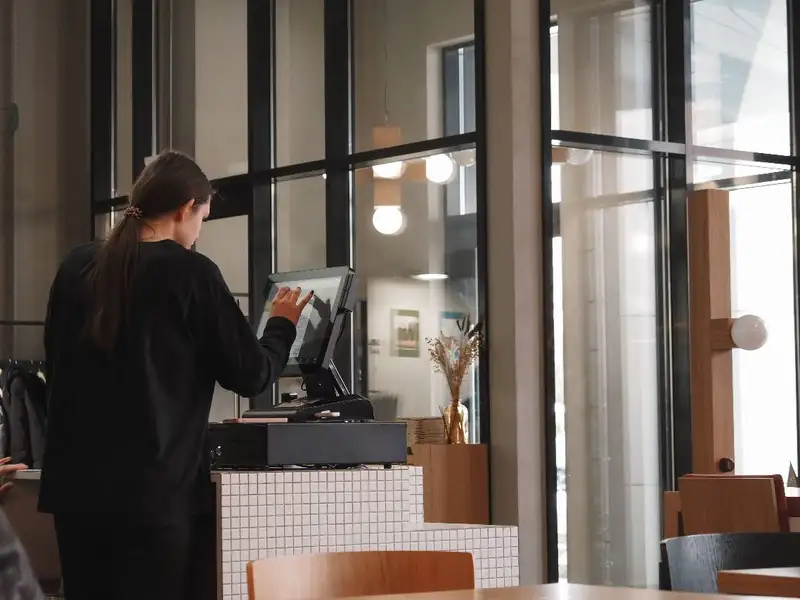
Managing restaurant employees requires balancing staffing needs, employee availability, labor expenses, and customer demand. Restaurant owners must ensure enough employees are available during busy periods while avoiding unnecessary labor costs during slower shifts. Handling these responsibilities manually or through disconnected scheduling and timekeeping systems can make workforce management complicated. All-in-one restaurant management software improves workforce management by connecting employee scheduling, time tracking, attendance monitoring, and labor reporting.
One major advantage is simplifying employee scheduling. Digital scheduling tools allow managers to create work schedules, assign shifts, and manage employee availability from a centralized platform. Instead of preparing schedules manually and communicating changes individually, managers can distribute updates electronically. This makes it easier for employees to review their shifts and for managers to coordinate staffing requirements.
Workforce management software also helps restaurant owners align staffing levels with customer demand. Managers can review historical sales patterns, expected business activity, and labor requirements when preparing schedules. For example, restaurants that experience higher customer traffic during weekends can plan additional coverage during those periods. During slower shifts, managers can adjust staffing levels to avoid scheduling more employees than necessary.
Time and attendance tracking provides another important advantage. Digital timekeeping tools record employee working hours and provide managers with visibility into attendance patterns. These records can help identify late arrivals, missed clock-ins, unplanned absences, and discrepancies between scheduled and actual working hours. Accurate time records also make payroll preparation easier by reducing manual calculations and timecard corrections.
Another benefit is improved labor cost visibility. Managers can compare scheduled labor hours with actual hours worked and review how staffing decisions affect expenses. This information helps identify excessive overtime, unexpected labor increases, and scheduling inefficiencies that may affect profitability.
For restaurants operating multiple locations, centralized workforce management also makes it easier to maintain consistent scheduling practices. Owners and regional managers can review staffing information across locations, compare labor performance, and identify restaurants that may need adjustments.
Improved workforce management helps restaurant owners maintain appropriate staffing levels while keeping labor expenses under control. By connecting scheduling, timekeeping, and labor reporting, all-in-one restaurant management software makes it easier to coordinate employees, monitor attendance, and manage workforce requirements more effectively.
Benefit 7. Greater Inventory Accuracy and Reduced Food Waste
Inventory management directly affects restaurant profitability, food quality, and daily operational efficiency. Restaurant owners must keep track of ingredients, monitor stock levels, manage purchasing, and ensure perishable products are used before they expire. When inventory records are inaccurate or updated inconsistently, restaurants may experience overordering, stock shortages, spoilage, and unnecessary food expenses. All-in-one restaurant management software improves inventory control by centralizing stock information and helping managers monitor ingredient usage more consistently.
One important advantage is having better visibility into inventory levels. Digital inventory tools allow managers to record stock quantities, monitor ingredient availability, and review purchasing activity. Instead of relying entirely on handwritten records or manually updated spreadsheets, employees can use centralized systems to maintain more consistent inventory information. This makes it easier to identify low-stock items and determine when additional supplies are needed.
Tracking ingredient usage can also help restaurant owners identify potential sources of food waste. By comparing inventory consumption with expected usage, managers can investigate unusual discrepancies. For example, if a restaurant consistently uses more chicken, cheese, or produce than its menu sales would suggest, the difference may indicate overportioning, spoilage, preparation mistakes, or inaccurate inventory records. Identifying these issues helps managers take corrective action before unnecessary expenses accumulate.
Another benefit is improving purchasing decisions. Access to updated stock information helps managers determine which ingredients need replenishment and which items are already available in sufficient quantities. This reduces the risk of ordering products that are not needed while helping prevent shortages that could interrupt food preparation or limit menu availability.
Inventory reporting can also support better coordination between purchasing and kitchen operations. Managers can review consumption patterns, monitor product movement, and identify ingredients that require closer attention. When inventory information is connected with other restaurant management functions, owners gain a clearer understanding of how purchasing and operational activities affect food costs.
Additionally, digital inventory records make it easier to establish consistent stock management procedures. Restaurant owners can standardize inventory counts, assign responsibilities, and monitor whether employees follow established processes across different shifts or locations.
Better inventory accuracy helps restaurants reduce avoidable food expenses and maintain more control over ingredient usage. By improving stock visibility, monitoring consumption, and identifying waste, all-in-one restaurant management software supports more efficient purchasing decisions and stronger food cost management.
Benefit 8. More Consistent Operations Across Multiple Locations
Managing multiple restaurant locations introduces additional operational challenges. Owners must ensure that employees follow consistent procedures, managers maintain appropriate staffing levels, inventory is controlled properly, and each location meets the same operating standards. When every restaurant uses different management tools or reporting processes, maintaining visibility across the business becomes difficult. All-in-one restaurant management software helps multi-location restaurant owners maintain consistent operations by centralizing information, standardizing workflows, and providing oversight across their locations.
One major advantage is centralized operational visibility. Instead of collecting reports from individual restaurant managers or accessing separate systems for each location, owners can use a shared platform to review important operational information. Depending on the software, this may include employee schedules, attendance records, labor expenses, inventory activity, and task completion. Having this information accessible through one system makes it easier to understand how each location is performing.
Standardized workflows also help maintain consistency across restaurant locations. Owners can establish common procedures for employee scheduling, timekeeping, inventory management, and daily operational responsibilities. Managers can follow the same processes when assigning tasks, recording information, and monitoring performance. This reduces differences in how individual locations handle routine activities and makes company-wide oversight more manageable.
Another important benefit is easier performance comparison. Centralized reporting allows owners to examine operational indicators across different locations and identify differences that require attention. For example, one restaurant may consistently report higher labor expenses or greater inventory discrepancies than other locations. Comparing this information can help owners investigate underlying issues and determine whether adjustments to staffing, purchasing, or management procedures are necessary.
All-in-one software can also simplify workforce coordination across multiple restaurants. Owners and regional managers can review staffing information, monitor attendance, and evaluate labor performance without depending entirely on individual location reports. This provides greater visibility into workforce management and helps maintain consistent scheduling practices.
As restaurant businesses expand, centralized systems can make it easier to introduce additional locations into existing management processes. Rather than creating entirely separate administrative workflows, owners can apply established procedures and reporting standards to new restaurants.
Consistent operations help multi-location restaurant businesses maintain greater control as they grow. By centralizing management information and standardizing important workflows, all-in-one restaurant management software makes it easier to oversee locations, compare performance, and maintain operational standards across the business.
Benefit 9. Improved Operational Oversight and Accountability
Restaurant owners and managers need to maintain visibility into daily activities to ensure employees complete their responsibilities and established procedures are followed. From monitoring employee attendance to checking food safety requirements and verifying cleaning tasks, operational oversight involves many details. When these responsibilities are tracked manually or across disconnected systems, managers may struggle to identify missed tasks, recurring problems, or inconsistencies between shifts. All-in-one restaurant management software improves operational oversight by providing centralized tools to monitor activities, track responsibilities, and maintain digital records.
One important advantage is better visibility into employee responsibilities. Task management features allow managers to assign duties, communicate expectations, and monitor completion. For example, employees can receive cleaning assignments, equipment inspection tasks, or opening and closing responsibilities through a digital platform. Managers can review task records to determine whether required activities have been completed and identify anything that needs follow-up.
Digital timekeeping also strengthens employee accountability. By recording clock-in and clock-out activity, restaurant management software provides more accurate visibility into employee attendance and working hours. Managers can compare actual attendance with scheduled shifts, identify discrepancies, and address recurring attendance issues. Maintaining reliable time records also supports payroll accuracy and helps ensure employees are paid for their recorded working hours.
Food safety and operational compliance provide another area where centralized oversight can be valuable. Depending on the platform, restaurant owners may have access to digital checklists, temperature monitoring, and food safety records. These tools help employees document required procedures and allow managers to review whether important checks have been completed. Digital records also make it easier to identify missed inspections or recurring procedural problems.
Another benefit is improved management accountability. Restaurant owners can establish clear responsibilities for individual employees, shift supervisors, and location managers. When tasks and records are maintained within a shared system, managers have better visibility into how operational procedures are being followed. This can reduce reliance on verbal updates and make follow-up more consistent.
For multi-location restaurants, centralized monitoring also helps owners evaluate whether different locations are following the same operating standards. They can review task completion records, attendance information, and other operational indicators without depending entirely on manual reporting.
Better operational oversight helps restaurant owners maintain consistent standards and establish clearer employee responsibilities. By combining digital records, task tracking, and workforce monitoring, all-in-one restaurant management software makes it easier to identify problems, follow up on incomplete activities, and maintain accountability throughout restaurant operations.
Benefit 10. Easier Scalability and Reduced Software Complexity
As a restaurant business grows, its operational requirements often become more complicated. Owners may need to manage additional employees, expand inventory processes, oversee more locations, and coordinate larger teams. When these responsibilities are supported by multiple disconnected software systems, managing the technology itself can become another administrative challenge. All-in-one restaurant management software makes business growth easier to manage by consolidating essential functions and providing a centralized system that can support changing operational needs.
One major advantage is reducing dependence on multiple standalone applications. Restaurant owners who use separate tools for scheduling, timekeeping, inventory management, task tracking, and reporting may need to maintain several subscriptions, user accounts, and vendor relationships. Managing these systems can create additional complexity, particularly when information needs to be transferred between platforms. An integrated solution can simplify this environment by bringing compatible functions together.
Centralized systems also make it easier to introduce new employees and locations into established workflows. When a restaurant opens another location, owners can apply existing scheduling procedures, workforce management practices, inventory processes, and reporting standards. Instead of building separate administrative systems for every restaurant, managers can work within a shared platform and maintain more consistent processes.
Another important consideration is the ability to adapt as operational requirements change. A growing restaurant may eventually need more advanced reporting, additional employee management capabilities, or greater oversight across multiple locations. Choosing software with flexible features and appropriate scalability allows owners to expand their use of the platform as their business develops. This can reduce the disruption associated with repeatedly replacing management systems.
Reduced software complexity can also improve employee adoption. When managers and employees need to learn fewer disconnected applications, training and daily system usage may become more straightforward. Having familiar processes and centralized information can help teams spend less time navigating different tools and more time completing their responsibilities.
However, restaurant owners should evaluate whether a platform can support their expected growth. Important considerations include the number of locations it can accommodate, user access controls, reporting capabilities, integration options, and the availability of additional features.
Scalable restaurant management technology helps owners prepare for growth without unnecessarily complicating daily operations. By consolidating essential functions and supporting consistent workflows, all-in-one restaurant management software can make it easier to manage expanding teams, additional locations, and increasingly complex business requirements.
How to Choose the Right All-in-One Restaurant Management Software
Choosing the right all-in-one restaurant management software requires understanding the specific challenges a restaurant faces and identifying which capabilities can address them. Not every platform offers the same features, integrations, or level of functionality. Restaurant owners should evaluate their operational requirements carefully to ensure the software supports their daily activities without introducing unnecessary complexity.
1. Identify Your Restaurant's Management Needs
Start by identifying the areas that require the most attention. Some restaurants may need better employee scheduling and timekeeping, while others may prioritize inventory tracking, food safety monitoring, or financial reporting. Understanding these requirements helps owners narrow down platforms that offer relevant features rather than paying for capabilities they may not use.
2. Evaluate Essential Features
Look for software that brings important restaurant management functions together. Depending on operational needs, useful capabilities may include -
Workforce management - Employee scheduling, time and attendance tracking, and labor reporting.
Inventory management - Stock tracking, ingredient usage monitoring, and purchasing oversight.
Task management - Digital checklists, task assignments, and completion tracking.
Food safety management - Temperature monitoring, food safety checklists, and digital records.
Business reporting - Centralized dashboards and reports covering important operational indicators.
3. Check Integration Capabilities
Restaurant management software should work effectively with the systems already used by the business. Evaluate whether the platform integrates with existing POS, accounting, payroll, and other essential applications. Reliable integrations help reduce duplicate data entry and improve information sharing between different business functions.
4. Consider Ease of Use and Employee Adoption
A platform should be straightforward for managers and employees to use. Complicated interfaces can increase training requirements and make employees less likely to adopt new processes. Look for intuitive navigation, accessible reporting, and tools that simplify everyday responsibilities.
5. Evaluate Scalability and Reporting
Consider whether the software can support additional employees, locations, and operational requirements as the business grows. Reporting capabilities are equally important because restaurant owners need accurate information to monitor labor expenses, inventory activity, and overall performance.
6. Compare Pricing and Customer Support
Evaluate subscription fees, implementation expenses, additional feature costs, and ongoing maintenance requirements. Also, consider the availability of customer support, employee training, and technical assistance. Comparing the total cost of ownership helps owners determine whether a platform provides sufficient value for their investment.
Ultimately, the right solution should address existing operational challenges while providing room for future growth. Restaurant owners should prioritize functionality, integration, usability, and reliable reporting when evaluating different platforms.
Bringing Restaurant Operations Together
Managing a restaurant requires coordinating multiple responsibilities while maintaining control over labor expenses, inventory, employee performance, and daily operations. When these activities are handled through disconnected systems, managers may spend more time organizing information and completing administrative tasks than improving business performance. All-in-one restaurant management software offers a more centralized approach by bringing essential management functions together and making operational information easier to access.
From streamlining daily workflows and improving team communication to reducing administrative work and controlling expenses, an integrated platform can help restaurant owners address several common management challenges. Better access to workforce, inventory, and financial information also supports more informed decisions and makes it easier to identify operational inefficiencies. For multi-location businesses, centralized management tools can further improve consistency and provide greater visibility across restaurants.
However, the value of an all-in-one platform depends on choosing software that addresses the restaurant's actual needs. Owners should evaluate available features, integration capabilities, reporting tools, and scalability before making an investment.
Altametrics helps restaurant owners bring essential management functions together through an integrated restaurant technology platform. Its solutions support workforce scheduling, timekeeping, food and inventory management, automated accounting, and business intelligence. With connected operational tools and data-driven insights, restaurant owners can improve workforce management, monitor expenses, and gain better visibility into business performance.
Explore how Altametrics can help simplify restaurant operations and strengthen business oversight. Schedule a personalized demo with Altametrics to discover its restaurant management solutions and find the right tools for your operational needs.
Take Charge of Your Schedule
Smarter Scheduling Made Easy with Altametrics
Frequently
Asked Questions
How does all-in-one restaurant management software help manage employees?
It provides tools for employee scheduling, time and attendance tracking, shift management, and labor reporting. These capabilities help managers coordinate staffing requirements, monitor working hours, and maintain better control over labor expenses.
Can restaurant management software help reduce overtime expenses?
Yes. Scheduling and timekeeping features allow managers to compare planned shifts with actual working hours, monitor overtime, and identify scheduling patterns that contribute to unnecessary labor expenses.
How can restaurant owners choose the right management software?
Restaurant owners should identify their operational challenges, evaluate essential features, check integration capabilities, assess ease of use, and compare pricing and scalability. The right platform should address current needs while supporting future business growth.
How does centralized restaurant management software improve data accuracy?
Centralized software reduces duplicate data entry and makes information easier to access across different departments. Automated data collection, digital records, and connected reporting tools can also reduce manual errors and improve consistency.
Must-Read Content

How to Get More Customers in a Restaurant
Learn how to get more customers in a restaurant through local marketing, social media, promotions, customer reviews, loyalty programs, and retention strategies.
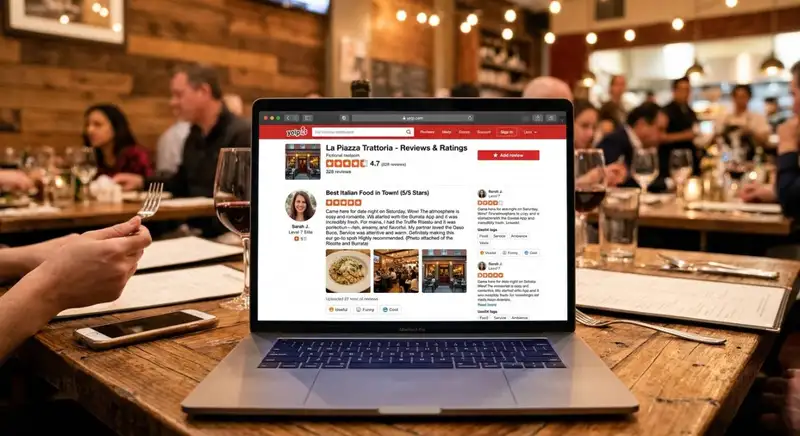
How to Get More Yelp Reviews for Your Restaurant
Learn how to improve Yelp reviews by optimizing your restaurant profile, delivering excellent service, managing feedback, and building a trustworthy online reputation.
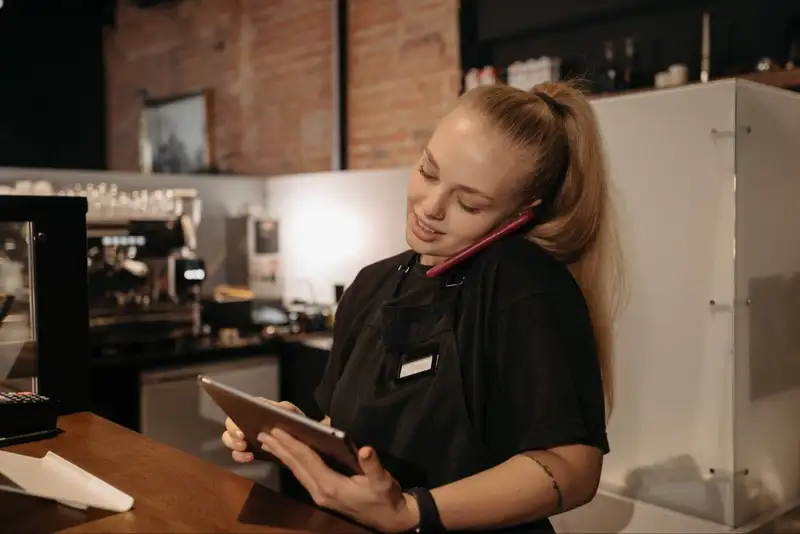
How to Manage Tasks in a Restaurant
Learn how to manage tasks in a restaurant by organizing responsibilities, prioritizing duties, assigning employees, tracking progress, and using technology effectively.

